Sustainable Food Supply Chains
The global cindustry is undergoing one of the most significant transformations in modern history. Rising consumer awareness, climate concerns, resource scarcity, technological innovation, and changing investor priorities are reshaping how food is produced, distributed, consumed, and recycled.
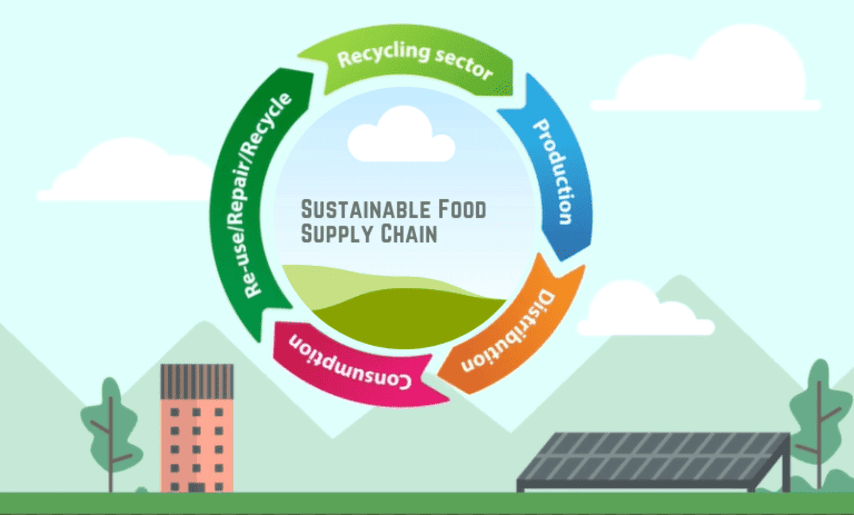
For decades, food supply chains operated under a linear model: produce, process, distribute, consume, and dispose. While this approach fueled economic growth, it also contributed to staggering levels of food waste, environmental degradation, and inefficiencies throughout the agricultural ecosystem.
Today, a new era is emerging.
Businesses, investors, and governments are increasingly embracing Sustainable Food Supply Chains, a model designed to maximize efficiency, reduce waste, improve transparency, and create long-term economic value. At the center of this transformation are three powerful forces:
Together, they are creating some of the most attractive investment opportunities available through 2027 and beyond.
The question is no longer whether sustainability will influence food investments. The real question is which opportunities will generate the highest returns while helping solve some of the world’s biggest challenges.
Why Sustainable Food Supply Chains Are Becoming a Major Investment Theme
Investors traditionally focused on production capacity, commodity prices, and consumer demand. While these factors remain important, sustainability has become an equally critical driver of business value.
Several trends are accelerating this shift:
Growing Consumer Demand
Modern consumers increasingly want:
- Environmentally responsible products
- Transparent sourcing practices
- Reduced food waste
- Ethical supply chains
- Sustainable packaging
Brands that align with these preferences often enjoy stronger customer loyalty and premium pricing opportunities.
Regulatory Pressure
Governments worldwide are implementing policies aimed at:
- Reducing food waste
- Lowering carbon emissions
- Improving supply chain transparency
- Encouraging sustainable farming
Businesses that adapt early are better positioned to remain competitive.
Investor Interest in ESG
Environmental, Social, and Governance (ESG) investing continues to influence capital allocation decisions.
Investors are looking for businesses that can simultaneously deliver:
- Financial returns
- Environmental benefits
- Long-term resilience
Sustainable food supply chains sit at the intersection of all three objectives.
Explore emerging agritech and food innovation trends through:
World Economic Forum – Food Systems Initiative
Sustainable Food Supply Chains and Their Impact on Business Profitability
One of the biggest misconceptions about sustainability is that it is purely a cost.
In reality, well-designed sustainable food systems often improve profitability.
Key Benefits
Reduced Waste
Less waste means:
- Lower disposal costs
- Better resource utilization
- Increased operational efficiency
Improved Traceability
Technology-driven transparency allows businesses to:
- Track products in real time
- Reduce fraud
- Improve inventory management
Stronger Brand Reputation
Consumers increasingly support businesses that demonstrate environmental responsibility.
Better Risk Management
Sustainable supply chains are generally more resilient against:
- Climate disruptions
- Supply shortages
- Regulatory changes
How AI-Powered Sustainable Food Supply Chains Are Transforming Agribusiness Investments
Artificial Intelligence is rapidly becoming one of the most important tools in modern agriculture.
The integration of AI into food systems is fundamentally changing investment opportunities.
AI-Powered Supply Chain Capabilities
AI technologies can:
- Predict crop yields
- Forecast demand
- Optimize logistics
- Reduce spoilage
- Improve inventory management
- Identify supply chain disruptions before they occur
This creates tremendous value throughout the food ecosystem.
Why Investors Are Paying Attention
AI reduces inefficiencies that historically cost food businesses billions annually.
Benefits include:
- Higher margins
- Lower operational costs
- Better forecasting accuracy
- Improved sustainability metrics
As a result, AI-focused agritech companies continue attracting significant investment capital.
Sustainable Food Supply Chain Technology Trends for Investors in 2026
The following technologies are expected to remain major investment drivers through 2027.
| Technology | Primary Benefit | Investment Potential |
|---|---|---|
| Artificial Intelligence | Demand forecasting and automation | Very High |
| Blockchain | Supply chain transparency | High |
| IoT Sensors | Real-time monitoring | High |
| Smart Logistics | Reduced transportation waste | High |
| Precision Agriculture | Improved farm productivity | Very High |
| Digital Traceability Platforms | Food safety and compliance | Very High |
| Robotics | Labor efficiency | High |
| Predictive Analytics | Risk management | Very High |
These technologies are helping create smarter, more resilient food systems.
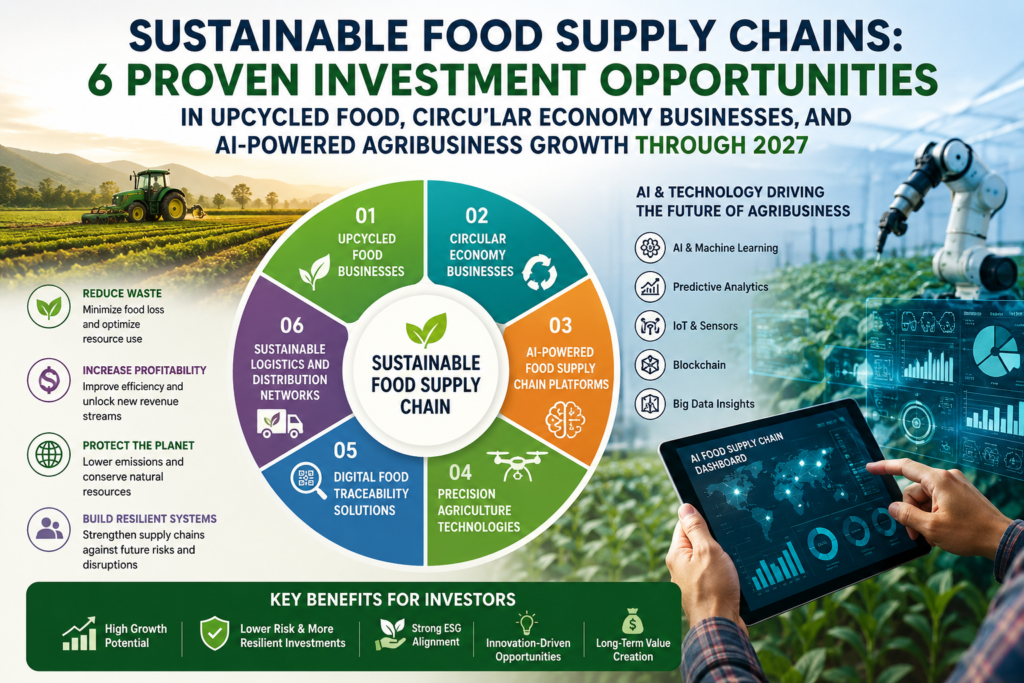
6 Proven and Inspiring Investment Opportunities in Sustainable Food Supply Chains
1. Upcycled Food Businesses
Among all sustainability trends, Upcycled Food is arguably one of the most exciting.
Upcycled food refers to products created from ingredients that would otherwise be discarded.
Examples include:
- Fruit pulp transformed into snacks
- Spent grains converted into flour
- Vegetable scraps repurposed into seasonings
- Coffee by-products used in beverages
Why It Matters
Food waste represents one of the largest inefficiencies in the global food system.
Millions of tons of nutritious food are lost annually.
Upcycling transforms waste into profit.
Investment Potential
Investors are attracted by:
- Strong consumer demand
- Sustainability appeal
- Lower raw material costs
- Premium product positioning
Learn more about food waste reduction initiatives through the United Nations Food and Agriculture Organization:
Food and Agriculture Organization (FAO)
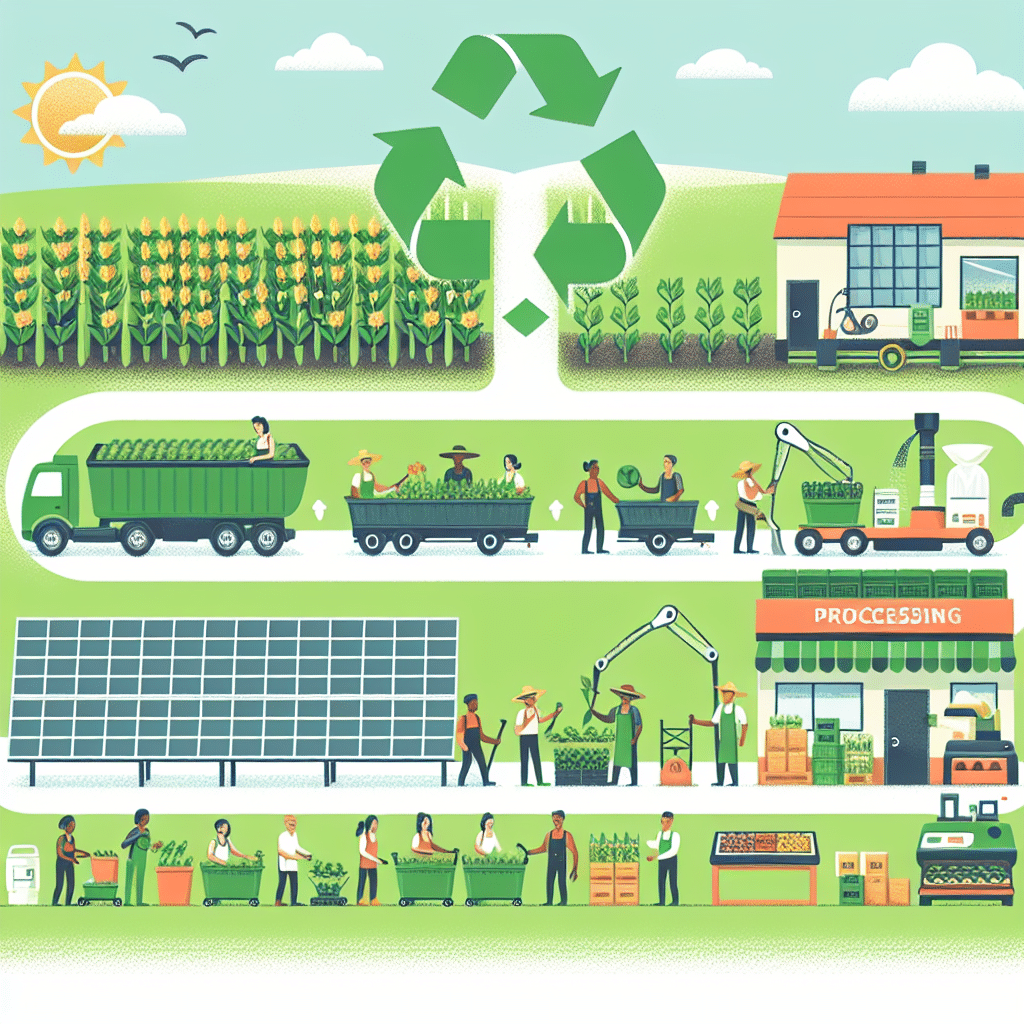
2. Circular Economy Businesses in Food Production
The traditional linear economy is gradually being replaced by circular business models.
A circular food economy focuses on:
- Reusing resources
- Extending product life cycles
- Reducing waste
- Regenerating natural systems
How Circular Food Supply Chains Reduce Waste and Increase Business Profitability
Circular systems create value by ensuring resources remain productive for as long as possible.
Benefits include:
- Reduced disposal expenses
- Lower production costs
- Improved sustainability performance
- Additional revenue streams
Businesses embracing circularity often discover entirely new markets from what was previously considered waste.
3. AI Food Supply Chain Platforms
AI-driven supply chain management represents one of the fastest-growing sectors within agritech.
These platforms provide:
- Predictive analytics
- Inventory optimization
- Route planning
- Demand forecasting
Why This Opportunity Is Growing
Food businesses face increasing complexity.
AI solutions help organizations:
- Reduce spoilage
- Improve margins
- Increase efficiency
The economic impact can be substantial, making these companies attractive investment targets.
4. Precision Agriculture Technologies
Precision agriculture uses:
- Drones
- Satellites
- Sensors
- Machine learning
to optimize farm operations.
Benefits
Farmers can:
- Apply resources more efficiently
- Reduce input costs
- Increase yields
- Improve sustainability
Investor Appeal
Growing global food demand makes productivity-enhancing technologies particularly attractive.
5. Digital Food Traceability Solutions
Consumers increasingly want to know:
- Where food comes from
- How it was produced
- Whether it meets sustainability standards
Digital traceability systems provide this transparency.
Key Advantages
- Enhanced food safety
- Faster recalls
- Improved compliance
- Greater consumer trust
These solutions are becoming essential components of modern sustainable food supply chains.
6. Sustainable Logistics and Distribution Networks
Transportation is one of the largest contributors to food system emissions.
Businesses investing in sustainable logistics can achieve:
- Lower fuel costs
- Reduced emissions
- Better route efficiency
- Improved profitability
Innovations include:
- Electric delivery fleets
- AI-powered routing
- Cold-chain optimization
- Smart warehousing
As food distribution grows increasingly complex, efficient logistics solutions remain a high-potential investment area.
Best Investment Opportunities in Upcycled Food and Circular Economy Businesses
Investors seeking exposure to sustainability trends should evaluate opportunities based on several factors.
Market Demand
Focus on businesses addressing genuine consumer needs.
Scalability
The best opportunities can expand without proportionally increasing costs.
Technology Integration
Companies using AI and digital tools often achieve stronger operational performance.
Regulatory Alignment
Businesses positioned ahead of regulatory requirements typically face fewer risks.
Environmental Impact
Solutions delivering measurable sustainability outcomes may attract additional funding and partnerships.
The Future of Agribusiness Investment Through 2027
Agriculture is no longer viewed solely as a traditional industry.
It has become a technology-driven innovation sector.
Several trends are expected to shape future investment flows:
Increased AI Adoption
Artificial intelligence will become increasingly integrated across the food value chain.
Expansion of Circular Economy Models
Waste reduction initiatives will continue creating profitable business opportunities.
Growth in Consumer Demand
Sustainable products are becoming mainstream rather than niche.
Enhanced Supply Chain Transparency
Digital technologies will improve accountability across food systems.
Greater Focus on Climate Resilience
Businesses capable of adapting to environmental challenges will likely outperform competitors.
Sustainable Food Supply Chains: Why They Are Reshaping the Future of Global Agribusiness Investment
The global food industry is standing at a crossroads. For decades, success in agriculture was measured primarily by how much food could be produced at the lowest possible cost. While this approach helped feed a growing population, it also exposed significant weaknesses in the way food moves from farms to consumers. Climate change, resource depletion, supply chain disruptions, and rising consumer expectations have revealed that efficiency alone is no longer enough. Today’s businesses and investors are looking beyond short-term profits toward systems that are resilient, transparent, and environmentally responsible. This shift is placing Sustainable Food Supply Chains at the center of the next wave of agribusiness innovation.
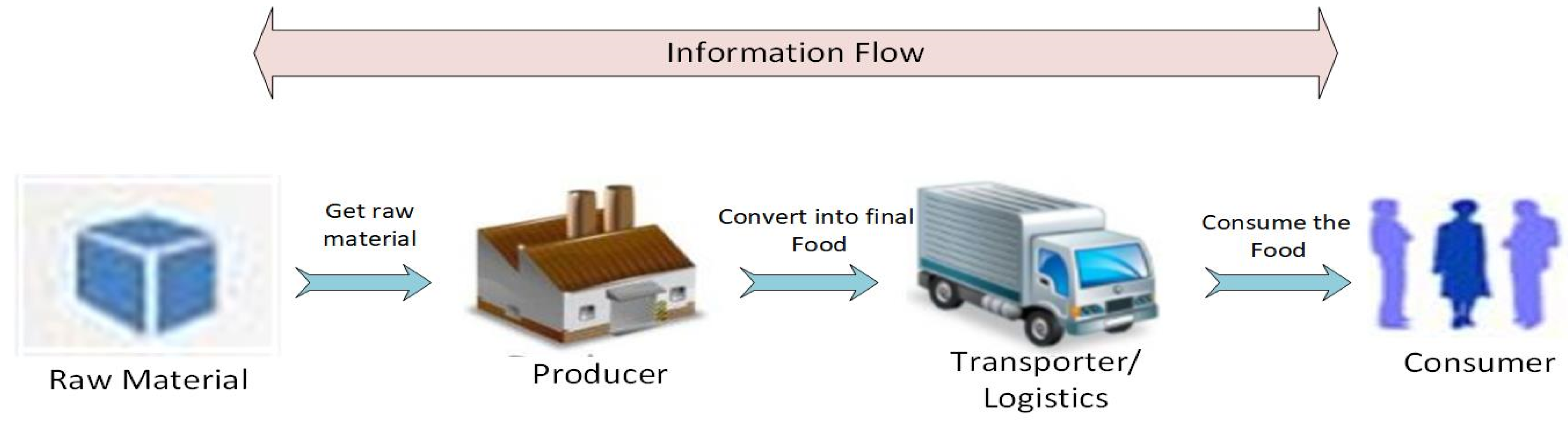
Unlike traditional supply chains that often prioritize speed and cost above all else, sustainable food supply chains are designed to balance profitability with environmental stewardship and social responsibility. Every stage—from farming and harvesting to processing, transportation, packaging, retail, and waste management—is optimized to minimize environmental impact while maximizing long-term economic value. This approach is transforming how companies operate and where investors choose to allocate their capital.
The growing interest in sustainable food systems is not simply a response to environmental concerns. It is increasingly recognized as a smart business strategy that helps companies reduce operational risks, improve efficiency, strengthen customer loyalty, and unlock new sources of revenue. As a result, sustainable food supply chains are becoming one of the most attractive areas for Agribusiness Investment through 2027 and beyond.
Understanding What Makes a Food Supply Chain Sustainable
A sustainable food supply chain goes far beyond producing organic crops or using recyclable packaging. It represents a comprehensive approach to managing the entire journey of food while conserving natural resources, reducing waste, and creating lasting value for everyone involved.
Key characteristics of a sustainable food supply chain include:
- Responsible sourcing of raw materials
- Efficient use of water and energy
- Reduced greenhouse gas emissions
- Ethical labor practices
- Smart logistics that minimize fuel consumption
- Food waste reduction through better planning
- Digital traceability and transparency
- Circular economy practices that reuse valuable resources
These elements work together to create a system that is more resilient to economic, environmental, and social challenges.
For investors, businesses adopting these practices are often viewed as better positioned for long-term growth because they are proactively managing risks that could affect future profitability.
Why Traditional Food Supply Chains Are No Longer Enough
The traditional food supply model has delivered remarkable productivity over the years, but it has also created several persistent challenges that are becoming increasingly difficult to ignore.
One of the most pressing issues is food waste. Significant quantities of food are lost during harvesting, transportation, processing, storage, and retail before they ever reach consumers. These losses represent not only wasted food but also wasted water, energy, labor, and financial resources.
Another challenge is supply chain vulnerability. Recent global events demonstrated how quickly disruptions in transportation, labor availability, or raw material supplies can impact food availability and prices. Businesses relying on outdated supply chain models often struggle to respond quickly when unexpected challenges arise.
Environmental concerns are also reshaping industry priorities. Agriculture depends heavily on healthy ecosystems, predictable weather patterns, and abundant natural resources. As climate-related risks become more common, companies are recognizing that protecting these resources is essential for maintaining future productivity.
Consumers are adding another layer of pressure. Modern shoppers increasingly want to know where their food comes from, how it was produced, and whether it aligns with their personal values. Businesses that cannot provide transparency may lose trust in an increasingly competitive marketplace.
These factors are encouraging companies to redesign their supply chains with sustainability as a core business objective rather than an afterthought.
Why Investors Are Focusing on Sustainable Food Supply Chains
Investment trends have evolved significantly over the past decade. While financial performance remains the primary objective, investors are paying closer attention to how businesses manage environmental and operational risks.
Companies with sustainable food supply chains often demonstrate characteristics that appeal to long-term investors, including stronger resilience, better resource management, and greater adaptability.
Several factors explain why investment capital is flowing into this sector.
Strong Consumer Demand
Consumer preferences continue to shift toward products that are responsibly produced. Many buyers actively seek brands that demonstrate environmental responsibility, ethical sourcing, and transparency throughout their operations.
Businesses that meet these expectations often experience stronger customer loyalty, improved brand reputation, and increased pricing power. Investors recognize that companies capable of building lasting consumer trust are more likely to sustain long-term growth.
Greater Operational Efficiency
One of the biggest misconceptions about sustainability is that it increases costs. In reality, sustainable practices frequently improve operational efficiency.
Businesses that optimize transportation routes, reduce food waste, improve inventory management, and conserve resources often lower their operating expenses while improving profitability.
This combination of cost savings and sustainability creates a compelling investment opportunity.
Lower Long-Term Risk
Risk management has become a major consideration for investors evaluating agribusiness opportunities.
Companies with sustainable supply chains are generally better prepared to navigate challenges such as:
- Climate-related disruptions
- Resource shortages
- Regulatory changes
- Supply chain interruptions
- Rising energy costs
- Consumer preference shifts
Reducing these risks contributes to more stable long-term financial performance.
The Role of Technology in Sustainable Food Supply Chains
Technology is accelerating the transformation of food systems faster than ever before. Digital innovation is allowing businesses to improve efficiency while achieving ambitious sustainability goals.
One of the most influential developments is the rise of the AI Food Supply Chain.
Artificial intelligence is helping businesses analyze enormous amounts of data to improve decision-making across every stage of the supply chain.
AI applications include:
- Predicting crop yields
- Forecasting market demand
- Optimizing transportation routes
- Monitoring inventory in real time
- Identifying potential supply disruptions
- Reducing food spoilage
- Improving warehouse management
These capabilities enable companies to reduce waste while increasing profitability, making AI an increasingly valuable tool for sustainable agribusiness.
Transparency Is Becoming a Competitive Advantage
Trust has become one of the most valuable assets in the food industry.
Consumers, retailers, and regulators increasingly expect businesses to provide detailed information about where food originates and how it reaches the marketplace.
Digital traceability technologies allow companies to document every stage of the supply chain, from the farm to the consumer’s table.
This transparency offers several advantages:
- Improved food safety
- Faster product recalls
- Enhanced regulatory compliance
- Stronger consumer confidence
- Better supplier accountability
Businesses capable of demonstrating transparency often enjoy stronger relationships with customers and supply chain partners alike.
Sustainability Is Driving Innovation Across the Entire Food Industry
The transition toward sustainable food supply chains is encouraging businesses to rethink traditional practices and develop innovative solutions.
For example, manufacturers are redesigning packaging to reduce waste and improve recyclability. Logistics providers are adopting electric delivery vehicles and smarter routing systems to lower fuel consumption. Farmers are implementing precision agriculture technologies to optimize water usage, fertilizer application, and crop management.
Food companies are also embracing Upcycled Food, transforming ingredients that were once discarded into valuable consumer products. This approach not only reduces waste but also creates entirely new revenue streams.
Innovation is no longer limited to production. Every stage of the supply chain is becoming an opportunity to improve efficiency, reduce environmental impact, and increase profitability.
Global Collaboration Is Accelerating Sustainable Growth
Governments, research institutions, technology companies, investors, and food manufacturers are increasingly collaborating to build stronger food systems.
Public-private partnerships are supporting innovation through research funding, infrastructure development, and sustainability initiatives.
International organizations continue promoting practices that encourage responsible agriculture, food security, and climate resilience. These collaborative efforts are creating a favorable environment for businesses investing in sustainable food supply chains.
As more stakeholders align around common sustainability goals, adoption is expected to accelerate across both developed and emerging markets.
Why Sustainable Food Supply Chains Represent the Future of Agribusiness Investment
The food industry is evolving from a system focused primarily on production volume to one centered on resilience, efficiency, and long-term value creation. This transformation is redefining what successful agribusiness looks like in the twenty-first century.
Businesses that embrace Sustainable Food Supply Chains are better equipped to respond to changing consumer expectations, environmental challenges, and technological advancements. They are reducing waste, improving operational performance, strengthening customer trust, and building more resilient business models.
For investors, these qualities represent more than environmental responsibility—they signal strong long-term growth potential. Companies that integrate sustainability into their operations are increasingly viewed as forward-thinking organizations capable of delivering competitive returns while adapting to a rapidly changing global marketplace.
As innovation continues to reshape agriculture through artificial intelligence, digital traceability, circular economy practices, and smarter logistics, sustainable food supply chains will remain one of the most promising sectors for Agribusiness Investment through 2027 and beyond. Organizations that invest today in sustainable infrastructure, advanced technologies, and responsible business practices are positioning themselves to thrive in a future where profitability and sustainability are no longer separate goals but complementary drivers of lasting success.
How AI-Powered Sustainable Food Supply Chains Are Transforming Agribusiness Investment and Operational Efficiency
Artificial intelligence is rapidly becoming one of the biggest drivers of innovation in Sustainable Food Supply Chains, helping agribusinesses improve efficiency, reduce costs, and make smarter investment decisions. By analyzing vast amounts of real-time data, AI enables companies to forecast consumer demand, predict crop yields, optimize inventory, and streamline transportation. These capabilities reduce food waste, improve resource utilization, and increase overall profitability across the supply chain.
One of the greatest advantages of an AI Food Supply Chain is its ability to identify potential disruptions before they occur. AI-powered predictive analytics can detect weather risks, equipment failures, or supply shortages, allowing businesses to take proactive measures rather than reacting after problems arise. This not only strengthens supply chain resilience but also minimizes financial losses.
For investors, the growing adoption of AI represents one of the most attractive Agribusiness Investment opportunities. Companies integrating AI into their operations are often better equipped to scale efficiently, lower operating expenses, and meet increasing consumer demand for sustainable and transparent food systems. As AI technologies continue to evolve, they are expected to play a central role in shaping the future of agriculture, making How AI-powered sustainable food supply chains are transforming agribusiness investments one of the most important trends to watch through 2027.
Conclusion: Why Sustainable Food Supply Chains Represent a Generational Opportunity
The transformation occurring across the global food industry is more than a passing trend. It represents a structural shift in how food systems operate, how resources are utilized, and how value is created.
Sustainable Food Supply Chains are proving that environmental responsibility and profitability can coexist. Through Upcycled Food, Circular Economy Businesses, and AI Food Supply Chain innovations, companies are discovering new ways to reduce waste, improve efficiency, and generate sustainable growth.
For investors, the opportunity is equally compelling.
Businesses that embrace sustainability, technology, and circularity are positioning themselves at the forefront of a rapidly evolving market. The combination of consumer demand, regulatory support, technological advancement, and ESG-driven investment capital suggests that these trends are likely to remain powerful through 2027 and beyond.
Whether you are an entrepreneur, investor, agribusiness executive, or sustainability advocate, now is an ideal time to pay attention to how AI-powered sustainable food supply chains are transforming agribusiness investments and creating the next generation of billion-dollar opportunitie
About The Author