Root Vegetables
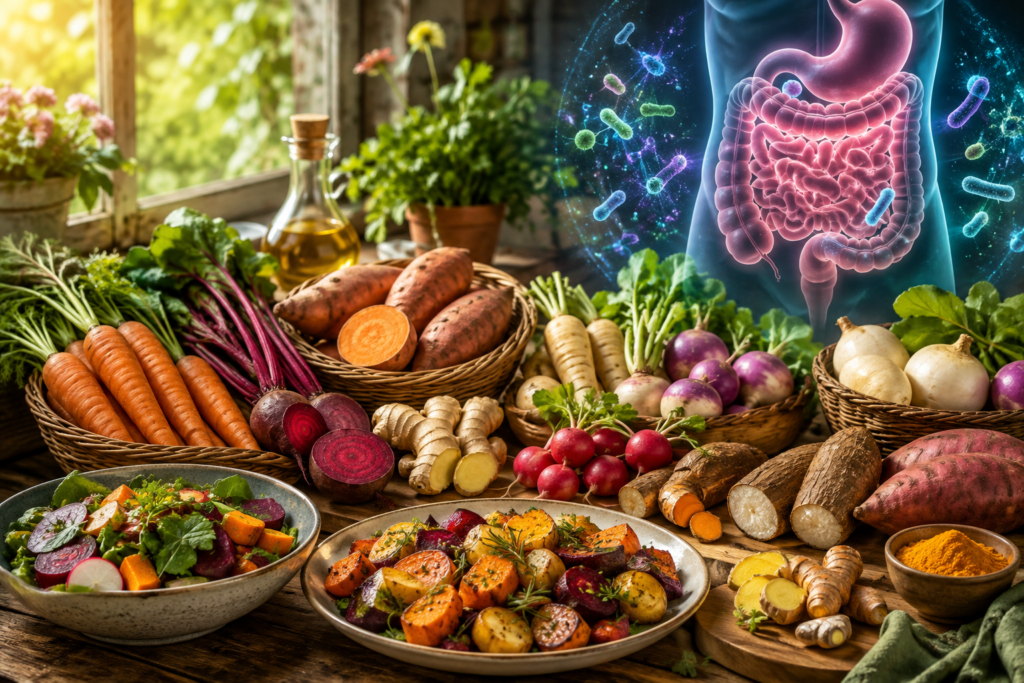
Root Vegetables are making a remarkable comeback in healthy eating, and for good reason. Once considered simple pantry staples, these underground vegetables are now recognized as nutritional powerhouses that support gut health, improve healthy digestion, and contribute to long-term wellness. Whether it’s carrots, sweet potatoes, beets, turnips, radishes, parsnips, or cassava, root vegetables offer an impressive combination of fiber, antioxidants, vitamins, minerals, and plant compounds that nourish your body from the inside out.
Modern research continues to highlight the connection between the foods we eat and the trillions of microorganisms living in our digestive system. A healthy gut microbiome influences everything from digestion and immunity to metabolism, mental well-being, and even healthy aging. Root vegetables naturally provide many of the nutrients that beneficial gut bacteria thrive on, making them one of the easiest and most affordable additions to a balanced diet.
If you’re looking for a simple way to improve your overall health, adding more root vegetables to your meals could be one of the smartest choices you make.
Why Root Vegetables Are Essential for Overall Health
Root vegetables grow beneath the soil where they absorb nutrients from rich earth, allowing them to accumulate vitamins, minerals, antioxidants, and complex carbohydrates. Unlike heavily processed foods, they provide slow-releasing energy while supporting digestive and metabolic health.
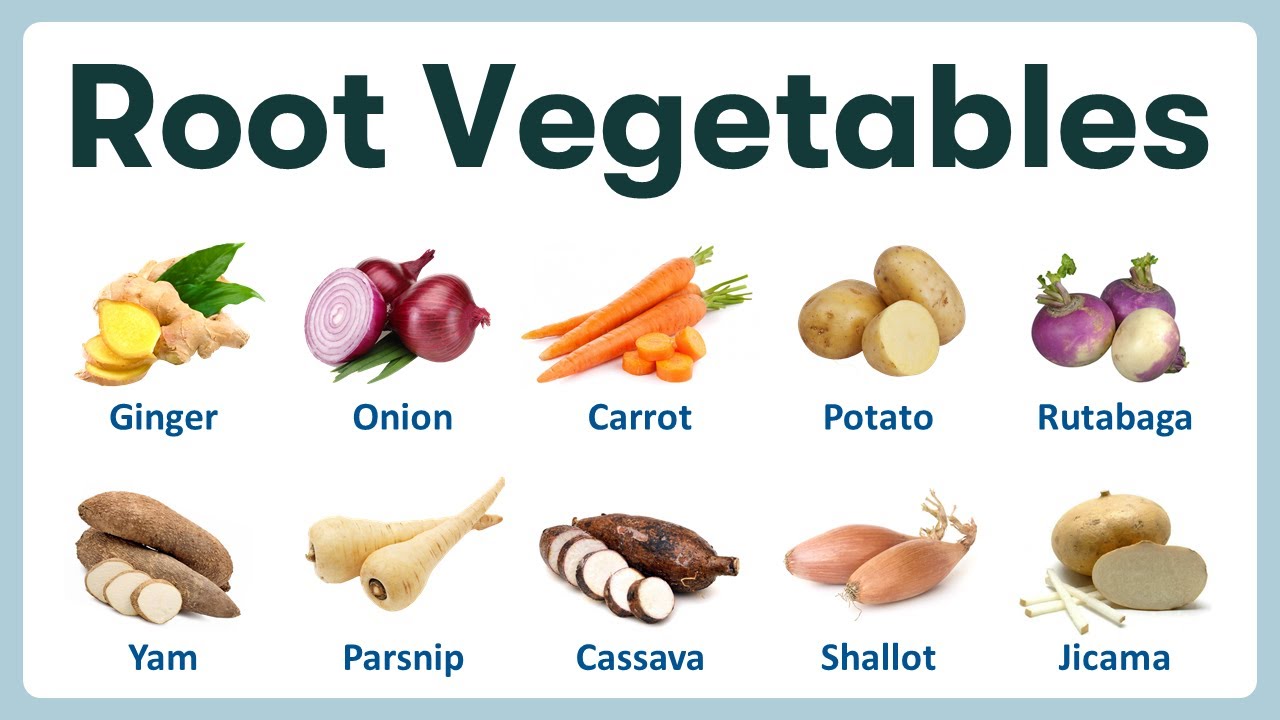
Popular root vegetables include:
- Carrots
- Sweet potatoes
- Beets
- Turnips
- Parsnips
- Radishes
- Rutabagas
- Cassava
- Yams
- Ginger
- Turmeric
Each offers unique health benefits while contributing to a diverse and balanced diet.
Comparison Table: Popular Root Vegetables and Their Health Benefits
| Root Vegetable | Key Nutrients | Primary Gut Health Benefit | Additional Health Benefits | Best Way to Eat |
|---|---|---|---|---|
| Carrots | Beta-carotene, Vitamin A, Fiber, Potassium | Promotes beneficial gut bacteria and supports regular digestion | Improves eye health, boosts immunity, supports healthy skin | Raw, roasted, steamed, soups |
| Sweet Potatoes | Fiber, Vitamin A, Vitamin C, Manganese | Rich in prebiotic fiber that nourishes the gut microbiome | Supports heart health, blood sugar balance, and long-lasting energy | Baked, mashed, roasted |
| Beets | Folate, Potassium, Betalains, Nitrates | Improves gut function through fiber and antioxidants | Enhances blood circulation, supports heart health, reduces inflammation | Roasted, salads, smoothies |
| Turnips | Vitamin C, Fiber, Calcium, Potassium | Supports healthy digestion and regular bowel movements | Strengthens immunity and promotes bone health | Roasted, mashed, soups |
| Parsnips | Fiber, Folate, Vitamin C, Potassium | High in soluble fiber for improved digestive health | Supports heart health and healthy metabolism | Roasted, baked, soups |
| Radishes | Vitamin C, Fiber, Antioxidants | Encourages healthy digestion and gut cleansing | Supports liver health and hydration | Raw, salads, pickled |
| Ginger | Gingerol, Antioxidants | Relieves nausea, supports digestion, and reduces bloating | Powerful anti-inflammatory and immune-supporting properties | Tea, stir-fries, smoothies |
| Turmeric | Curcumin, Manganese, Iron | Helps reduce gut inflammation and supports a balanced microbiome | Supports joint health, brain health, and immunity | Curries, soups, golden milk |
| Cassava | Vitamin C, Resistant Starch, Carbohydrates | Resistant starch feeds beneficial gut bacteria | Provides sustained energy and supports digestive health (when properly prepared) | Boiled, baked, steamed |
| Yams | Fiber, Vitamin B6, Potassium, Vitamin C | Supports digestive regularity and gut health | Helps regulate blood pressure and promotes healthy aging | Boiled, roasted, baked |
Quick Comparison of the Top Root Vegetables
| Health Goal | Best Root Vegetable | Reason |
|---|---|---|
| Improve Gut Health | Sweet Potatoes | Rich in prebiotic fiber and resistant starch |
| Boost Digestion | Ginger | Naturally eases bloating and digestive discomfort |
| Support a Healthy Microbiome | Carrots | High in dietary fiber that feeds beneficial bacteria |
| Reduce Inflammation | Turmeric | Contains curcumin, a powerful anti-inflammatory compound |
| Promote Heart Health | Beets | Rich in nitrates that support healthy blood flow |
| Healthy Weight Management | Radishes | Low in calories and high in water and fiber |
| Boost Immunity | Turnips | Excellent source of vitamin C and antioxidants |
| Support Healthy Aging | Sweet Potatoes | High in beta-carotene and antioxidants that help protect cells |
| Increase Daily Fiber Intake | Parsnips | One of the highest-fiber root vegetables |
| Natural Energy Source | Cassava | Rich in complex carbohydrates for sustained energy |
Key Takeaway
For the greatest health benefits, don’t rely on just one type of root vegetable. Eating a colorful variety—including carrots, sweet potatoes, beets, turnips, parsnips, radishes, ginger, turmeric, cassava, and yams—provides a broader range of fiber, vitamins, minerals, antioxidants, and beneficial plant compounds that support gut health, healthy digestion, and longevity. Rotating different root vegetables throughout the week is one of the simplest ways to maximize nutritional intake and promote overall wellness.
13 Powerful and Proven Benefits of Root Vegetables
1. Feed Your Gut Microbiome Naturally
One of the greatest benefits of root vegetables is their high dietary fiber content.
Fiber acts as food for beneficial gut bacteria. When these microbes digest fiber, they produce short-chain fatty acids that help protect the intestinal lining and reduce inflammation.
Healthy gut bacteria are associated with:
- Better digestion
- Stronger immunity
- Improved metabolism
- Reduced inflammation
Adding carrots, beets, and sweet potatoes regularly can naturally improve your gut microbiome.
2. Improve Healthy Digestion
Digestive problems such as constipation and bloating often stem from inadequate fiber intake.
Root vegetables provide both soluble and insoluble fiber that:
- Supports regular bowel movements
- Softens stool naturally
- Promotes smoother digestion
- Helps maintain intestinal health
A simple serving of roasted root vegetables several times each week can significantly increase your daily fiber intake.
3. Support a Longer and Healthier Life
Many root vegetables are rich in antioxidants that help neutralize harmful free radicals.
These compounds reduce oxidative stress linked to aging and chronic diseases.
Examples include:
- Beta-carotene in carrots
- Betalains in beets
- Anthocyanins in purple sweet potatoes
A diet rich in colorful vegetables has consistently been associated with healthier aging.
4. Reduce Chronic Inflammation
Inflammation is connected to heart disease, diabetes, arthritis, and certain cancers.
Several root vegetables contain powerful anti-inflammatory compounds.
Turmeric contains curcumin.
Ginger contains gingerols.
Beets contain betalains.
Including these foods regularly may help reduce chronic inflammation naturally.
5. Strengthen Your Immune System
Your immune system begins in your gut.
Since approximately 70% of immune cells are associated with the digestive tract, supporting gut health supports immunity.
Root vegetables provide:
- Vitamin A
- Vitamin C
- Zinc
- Potassium
- Antioxidants
Together they help your body fight infections more effectively.
6. Promote Better Heart Health
Many root vegetables are naturally rich in potassium.
Potassium helps regulate blood pressure by balancing sodium levels.
Beets also contain dietary nitrates that improve blood flow and support healthy circulation.
These nutrients contribute to overall cardiovascular health.
7. Help Control Blood Sugar
Despite their natural sweetness, many root vegetables have a relatively moderate glycemic load when eaten whole.
Their fiber slows sugar absorption, helping stabilize blood glucose levels.
Choosing baked sweet potatoes instead of refined carbohydrates is an excellent dietary upgrade.
8. Improve Brain Function
A healthy digestive system positively influences brain health through the gut-brain axis.
The beneficial bacteria supported by fiber-rich root vegetables produce compounds that affect mood, memory, and cognitive performance.
Beets may also improve blood flow to the brain.
9. Support Healthy Weight Management
Root vegetables are naturally filling because of their:
- High fiber
- Water content
- Complex carbohydrates
These qualities help reduce unnecessary snacking while keeping you satisfied for longer periods.
10. Improve Skin Health
Healthy skin begins from within.
Carrots provide beta-carotene, which converts into vitamin A.
Vitamin A supports:
- Healthy skin cells
- Faster repair
- Natural glow
- Protection against environmental damage
11. Provide Long-Lasting Natural Energy
Unlike refined carbohydrates that produce rapid blood sugar spikes, root vegetables release energy gradually.
Athletes and active individuals often include sweet potatoes and beets in their diets because they provide sustained fuel.
12. Increase Nutrient Intake
Root vegetables are packed with essential nutrients including:
- Vitamin A
- Vitamin C
- Vitamin K
- Folate
- Magnesium
- Potassium
- Iron
- Manganese
Eating a variety of colorful root vegetables helps fill nutritional gaps naturally.
13. They’re Affordable, Versatile, and Easy to Cook
Healthy eating doesn’t have to be expensive.
Root vegetables are:
- Budget-friendly
- Available year-round
- Easy to prepare
- Suitable for numerous recipes
They can be:
- Roasted
- Boiled
- Mashed
- Air-fried
- Added to soups
- Blended into smoothies
- Included in salads
Best Root Vegetables for Gut Health
Carrots
Rich in beta-carotene and fiber that nourish beneficial gut bacteria.
Sweet Potatoes
Contain resistant starch and prebiotic fiber that support digestion.
Beets
Rich in nitrates and betalains that support circulation and reduce inflammation.
Radishes
Low in calories while providing antioxidants and digestive-supporting compounds.
Turnips
Excellent source of vitamin C and fiber.
Parsnips
Contain large amounts of soluble fiber and potassium.
Ginger
Supports digestion while reducing nausea and stomach discomfort.
Turmeric
Known for its anti-inflammatory properties and digestive benefits.

Practical Ways to Eat More Root Vegetables
Making root vegetables part of your daily routine is easier than you might think.
Roast a Colorful Vegetable Tray
Combine carrots, sweet potatoes, beets, onions, and parsnips with olive oil and herbs for a nutrient-packed side dish.
Blend Them Into Soups
Creamy carrot soup or roasted beet soup offers comfort and nutrition in every spoonful.
Add to Breakfast
Include roasted sweet potatoes in breakfast bowls or omelets.
Prepare Healthy Snacks
Slice carrots or radishes and enjoy them with hummus or yogurt-based dips.
Build Better Salads
Add roasted beets, shredded carrots, or sliced radishes for extra texture and nutrients.
Tips to Maximize Their Nutritional Value
Eat a Variety of Colors
Different colors provide different antioxidants.
Avoid Overcooking
Light steaming or roasting preserves more nutrients than prolonged boiling.
Pair With Healthy Fats
Fat improves absorption of fat-soluble vitamins like vitamin A.
Olive oil, avocado, nuts, and seeds are excellent companions.
Keep the Skin When Possible
Many nutrients and fiber are concentrated just beneath the skin.
Wash thoroughly instead of peeling whenever appropriate.
Common Myths About Root Vegetables
Myth: They’re Too High in Sugar
Most whole root vegetables have moderate carbohydrate levels balanced by fiber.
Myth: They’re Only Winter Foods
Many varieties are available year-round and fit into every season.
Myth: Potatoes Are the Same as All Root Vegetables
Different root vegetables vary significantly in nutrient content and health benefits. Eating a diverse selection is more beneficial than relying on one type alone.
Best Root Vegetables for Gut Health: Top Nutrient-Dense Choices That Support a Healthy Microbiome
Your digestive system is home to trillions of beneficial microorganisms collectively known as the gut microbiome. These microbes play a crucial role in breaking down food, producing essential nutrients, strengthening your immune system, and maintaining a healthy digestive tract. One of the easiest and most effective ways to nourish these beneficial bacteria is by eating a variety of root vegetables.
Root vegetables are naturally rich in dietary fiber, vitamins, minerals, antioxidants, and plant compounds that promote the growth of beneficial gut bacteria. Fiber acts as a prebiotic, providing nourishment for the microorganisms in your intestines. As these bacteria ferment fiber, they produce short-chain fatty acids (SCFAs), which help reduce inflammation, strengthen the intestinal lining, and support overall digestive health. Research also shows that different types of dietary fiber can have distinct benefits for the gut microbiome, highlighting the value of eating a wide variety of fiber-rich foods. (National Institutes of Health)
Why Root Vegetables Are Excellent for Gut Health
Unlike processed foods that often lack fiber and essential nutrients, root vegetables contain complex carbohydrates that are digested slowly. This gradual digestion helps maintain balanced blood sugar levels while feeding beneficial gut bacteria over time.
Some of the biggest gut health benefits include:
- Encouraging the growth of beneficial gut bacteria
- Improving bowel regularity
- Supporting nutrient absorption
- Reducing digestive discomfort and bloating
- Strengthening the intestinal barrier
- Supporting a healthy immune system
- Promoting greater microbial diversity
A diverse gut microbiome is widely associated with better digestive health and overall well-being. Including different types of plant foods—including a range of root vegetables—can help support this diversity. (Nutrition.gov)
Top Root Vegetables That Support a Healthy Microbiome
1. Sweet Potatoes
Sweet potatoes are among the best root vegetables for gut health because they are rich in dietary fiber and resistant starch, especially after cooking and cooling. Resistant starch functions as a prebiotic, nourishing beneficial bacteria and supporting the production of short-chain fatty acids that promote colon health.
Key nutrients:
- Vitamin A
- Vitamin C
- Potassium
- Manganese
- Dietary Fiber
Gut health benefits:
- Supports beneficial bacteria
- Improves bowel regularity
- Promotes a healthier digestive tract
2. Carrots
Carrots provide both soluble and insoluble fiber, making them excellent for digestive health. They are also rich in beta-carotene, which the body converts into vitamin A to support immune and intestinal health.
Benefits include:
- Improved digestion
- Healthier gut lining
- Better immune support
- Reduced constipation
3. Beets
Beets contain dietary fiber and powerful antioxidants called betalains, which help reduce inflammation and support digestive wellness. Their natural nitrates also promote healthy blood circulation.
Benefits include:
- Supports healthy gut bacteria
- Reduces digestive inflammation
- Promotes regular bowel movements
4. Parsnips
Parsnips are an excellent source of soluble fiber, which slows digestion and provides long-lasting nourishment for beneficial gut microbes.
They also supply:
- Folate
- Potassium
- Vitamin C
- Manganes
5. Turnips
Turnips are low in calories but rich in fiber and vitamin C. Their fiber helps keep the digestive system functioning efficiently while supporting microbiome diversity.
6. Radishes
Radishes contain antioxidants and natural compounds that stimulate digestive enzymes while supporting healthy intestinal function.
Their high water content also helps maintain hydration, an important factor for healthy digestion.
7. Ginger
Although commonly used as a spice, ginger is technically a root and has long been valued for its digestive benefits.
Ginger may help:
- Relieve nausea
- Reduce bloating
- Improve stomach emptying
- Support comfortable digestion
8. Turmeric
Turmeric contains curcumin, a well-known plant compound with anti-inflammatory properties. While not a major source of fiber, turmeric complements a gut-friendly diet by helping maintain a healthy intestinal environment.
Tips for Maximizing Gut Health with Root Vegetables
To get the most from root vegetables:
- Eat a variety of colorful root vegetables throughout the week.
- Roast, steam, or lightly sauté them instead of deep-frying.
- Pair them with healthy fats like olive oil or avocado to improve nutrient absorption.
- Leave the skins on when appropriate, as they often contain extra fiber.
- Combine root vegetables with fermented foods such as yogurt or kefir for additional gut-supporting benefits.
According to the Nutrition.gov guide on dietary fiber, consuming enough fiber each day is an important part of maintaining digestive health and supporting normal bowel function. (Nutrition.gov)
For readers who want to learn more about dietary fiber and gut health, consider linking to these authoritative resources:
- Nutrition.gov – Fiber Guide: Dietary Fiber Guide
- National Institutes of Health – Health Benefits of Dietary Fibers: NIH Research on Dietary Fiber and Gut Health
By making root vegetables a regular part of your meals, you’re not only improving your digestive health but also supporting a healthier, more diverse gut microbiome that contributes to overall wellness and healthy aging.
How Root Vegetables Improve Digestion: The Science Behind Fiber, Prebiotics, and Gut Health
A healthy digestive system is the foundation of overall wellness, and one of the simplest ways to support it is by eating more root vegetables. These nutrient-rich vegetables are loaded with dietary fiber, prebiotics, vitamins, minerals, and antioxidants that work together to keep your digestive system functioning efficiently. Whether you enjoy carrots, sweet potatoes, beets, turnips, or parsnips, each serving contributes to a healthier gut and improved digestion.
Unlike highly processed foods that often lack fiber, root vegetables contain natural complex carbohydrates that move slowly through the digestive tract. This not only helps regulate blood sugar levels but also provides a steady supply of nutrients to the beneficial bacteria living in your intestines. As a result, your digestive system becomes more balanced, efficient, and resilient.
Understanding the Connection Between Digestion and Gut Health
Digestion is more than simply breaking down food. It involves a complex network of organs, enzymes, hormones, and trillions of beneficial microorganisms that work together to absorb nutrients and eliminate waste.
Your gut microbiome influences several important functions, including:
- Breaking down dietary fiber
- Producing certain vitamins
- Supporting immune function
- Maintaining the intestinal barrier
- Regulating inflammation
- Communicating with the brain through the gut-brain axis
When your gut microbiome is healthy and diverse, digestion becomes more efficient, helping your body absorb nutrients while reducing common digestive issues such as bloating, constipation, and irregular bowel movements.
Dietary Fiber: The Key Nutrient in Root Vegetables
One of the greatest reasons root vegetables improve digestion is their high fiber content. Fiber is a type of carbohydrate that your body cannot fully digest, yet it plays a critical role in maintaining digestive health.
There are two main types of dietary fiber found in many root vegetables:
Soluble Fiber
Soluble fiber dissolves in water to form a gel-like substance inside the digestive tract.
Its benefits include:
- Slowing digestion for better nutrient absorption
- Helping maintain healthy blood sugar levels
- Feeding beneficial gut bacteria
- Supporting a healthy intestinal environment
Sweet potatoes, carrots, and parsnips are excellent sources of soluble fiber.
Insoluble Fiber
Insoluble fiber does not dissolve in water. Instead, it adds bulk to stool and helps food move smoothly through the digestive tract.
Benefits include:
- Preventing constipation
- Supporting regular bowel movements
- Improving intestinal health
- Promoting digestive comfort
Turnips, radishes, and beets provide valuable amounts of insoluble fiber.
How Prebiotics in Root Vegetables Feed Good Gut Bacteria
Many root vegetables naturally contain prebiotic fibers. Unlike probiotics, which are live beneficial bacteria, prebiotics serve as food for those bacteria.
When beneficial bacteria ferment prebiotic fiber in the colon, they produce compounds known as short-chain fatty acids (SCFAs).
These compounds help:
- Strengthen the intestinal lining
- Reduce inflammation
- Support healthy digestion
- Improve nutrient absorption
- Maintain a balanced gut microbiome
Regular consumption of fiber-rich root vegetables encourages the growth of beneficial bacteria while helping reduce the number of harmful microorganisms.
Root Vegetables That Promote Better Digestion
Sweet Potatoes
Sweet potatoes are among the best root vegetables for digestive health because they contain both soluble fiber and resistant starch. Resistant starch reaches the large intestine where it acts as a powerful prebiotic.
Digestive benefits include:
- Better bowel regularity
- Increased beneficial bacteria
- Improved colon health
- Enhanced digestive comfort
Carrots
Carrots provide a healthy combination of soluble and insoluble fiber.
Regular consumption may help:
- Improve bowel movements
- Support healthy gut bacteria
- Reduce constipation
- Promote a healthy digestive tract
Beets
Beets are rich in fiber and antioxidants that support digestion while helping reduce inflammation in the digestive system.
Their natural nitrates also improve circulation, ensuring digestive organs receive adequate oxygen and nutrients.
Ginger
Although often used as a spice, ginger has been used for centuries to support digestive health.
Research suggests ginger may help:
- Speed stomach emptying
- Reduce nausea
- Relieve bloating
- Ease indigestio
Radishes
Radishes stimulate digestive enzymes while providing fiber and water, making them an excellent addition to meals that support digestion.
How Root Vegetables Help Prevent Common Digestive Problems
Including a variety of root vegetables in your daily diet may reduce the risk of several digestive issues.
Constipation
The fiber in root vegetables adds bulk to stool and promotes regular bowel movements.
Bloating
A healthy gut microbiome supported by prebiotic-rich vegetables can improve digestion and reduce excessive gas production over time.
Poor Nutrient Absorption
Healthy digestion allows your body to absorb vitamins, minerals, protein, and healthy fats more efficiently.
Digestive Inflammation
Colorful root vegetables contain antioxidants that help combat oxidative stress and support a healthy digestive environment.
Easy Ways to Eat More Root Vegetables Every Day
Improving digestion doesn’t require a complicated diet. Small changes can make a big difference.
Try these ideas:
- Roast carrots, beets, and sweet potatoes as a healthy side dish.
- Add shredded carrots and radishes to salads.
- Blend cooked sweet potatoes into soups.
- Include ginger in smoothies or herbal tea.
- Prepare roasted vegetable bowls with olive oil and herbs.
- Mash sweet potatoes instead of using refined side dishes.
- Add diced turnips to stews and vegetable soups.
Tips to Maximize Digestive Benefits
To get the most from root vegetables, follow these simple practices:
- Eat a variety of different root vegetables each week.
- Cook them gently by roasting or steaming to preserve nutrients.
- Pair them with healthy fats like olive oil or avocado to improve the absorption of fat-soluble vitamins.
- Drink plenty of water to help dietary fiber move efficiently through your digestive system.
- Increase fiber intake gradually to allow your gut to adjust comfortably.
Why Consistency Matters
Improving digestion is not about eating one healthy meal—it is about maintaining consistent habits over time. Making root vegetables a regular part of your diet helps create an environment where beneficial gut bacteria can thrive. As your gut microbiome becomes more balanced, you may notice better digestion, improved energy levels, stronger immunity, and enhanced overall well-being.
Whether you’re preparing roasted sweet potatoes for dinner, adding fresh carrots to your lunch, or enjoying beetroot in a salad, every serving contributes to a healthier digestive system. Over time, these simple dietary choices can play a significant role in supporting long-term gut health, improving digestion naturally, and promoting a healthier, more vibrant life.

Frequently Asked Questions
Are root vegetables good for gut health?
Yes. Their dietary fiber and prebiotic compounds nourish beneficial gut bacteria, supporting digestion and microbiome diversity.
Which root vegetable is healthiest?
There is no single “best” option. Carrots, sweet potatoes, beets, ginger, and turmeric each provide unique nutritional advantages.
Can I eat root vegetables every day?
Absolutely. Consuming a variety of root vegetables daily can contribute to a balanced diet and overall health.
Are root vegetables good for weight loss?
Yes. Their fiber and water content help increase fullness while providing essential nutrients.
Conclusion
Root vegetables deserve a permanent place on your plate. From nourishing your gut microbiome and improving digestion to reducing inflammation, supporting heart health, and promoting healthy aging, these humble vegetables offer an extraordinary range of science-backed benefits.
The best part is that they are affordable, versatile, and easy to prepare, making healthy eating achievable for nearly everyone. Whether you roast colorful carrots, enjoy a baked sweet potato, toss fresh radishes into a salad, or add ginger and turmeric to your meals, every serving brings valuable nutrients that contribute to a healthier digestive system and a longer, more vibrant life.
Small dietary changes often lead to meaningful health improvements over time. Start by adding one or two varieties of root vegetables to your weekly meal plan, experiment with new recipes, and enjoy the benefits of nourishing your body with wholesome, nutrient-dense foods.
Call to Action: Which root vegetable is your favorite? Share your go-to recipes or healthy cooking tips in the comments below. If you found this guide helpful, share it with friends and family, and subscribe for more science-backed nutrition insights, healthy eating tips, and wellness articles.
About The Author