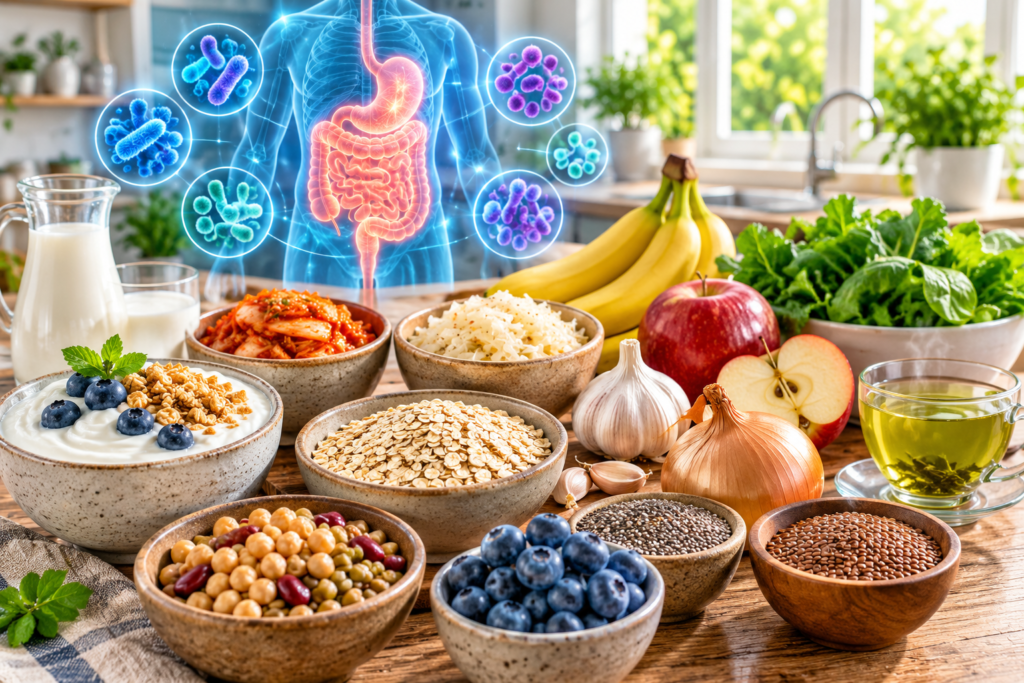
Gut Health Foods
The popularity of Gut Health Foods has skyrocketed in recent years—and for good reason. Scientists continue to uncover the incredible connection between your gut and nearly every aspect of your health, from digestion and immunity to mental well-being and energy levels. In 2026, more people than ever are turning to functional foods as a natural way to support a healthier digestive system without relying solely on supplements or medications.
Your gut is home to trillions of microorganisms collectively known as the gut microbiome. When these beneficial bacteria thrive, they help digest food, absorb nutrients, strengthen immunity, reduce inflammation, and even influence your mood. However, poor diet, stress, processed foods, and antibiotics can disrupt this delicate balance.
Fortunately, nature provides powerful solutions.
In this guide, you’ll discover the 15 best Gut Health Foods backed by scientific research, learn why they work, and find practical ways to include them in your daily meals for better digestion and overall wellness.

Why Gut Health Matters More Than Ever
Your digestive system does much more than process food.
A healthy gut helps:
- Improve nutrient absorption
- Support immune function
- Reduce digestive discomfort
- Produce essential vitamins
- Lower chronic inflammation
- Support healthy weight management
- Improve mood through the gut-brain connection
- Promote healthier skin
- Reduce the risk of digestive disorders
Researchers estimate that nearly 70% of the immune system resides in the gut, highlighting just how important maintaining a healthy microbiome has become.
What Are Functional Foods?
Functional foods are foods that provide health benefits beyond basic nutrition. They contain naturally occurring compounds such as:
- Probiotics
- Prebiotics
- Dietary fiber
- Polyphenols
- Antioxidants
- Omega-3 fatty acids
- Resistant starch
These nutrients help beneficial gut bacteria flourish while reducing harmful microbes.
How Gut Health Foods Improve Digestion
Quality Gut Health Foods work by:
Feeding beneficial bacteria
Prebiotic fibers nourish healthy microbes, allowing them to multiply.
Introducing healthy bacteria
Fermented foods contain live probiotics that help restore microbial balance.
Reducing inflammation
Many functional foods contain antioxidants that calm inflammation inside the digestive tract.
Improving bowel movements
Fiber promotes regular digestion and prevents constipation.
Strengthening the gut lining
Certain foods help maintain the intestinal barrier, reducing digestive issues associated with “leaky gut.”
15 Powerful Science-Backed Gut Health Foods
1. Yogurt
Yogurt remains one of the best-known probiotic foods.
Benefits
- Rich in live cultures
- Supports healthy digestion
- May reduce bloating
- Improves lactose digestion
Choose plain yogurt with live active cultures and little or no added sugar.
2. Kefir
Kefir contains an even wider variety of beneficial bacteria than yogurt.
Why it’s powerful
- Over 30 probiotic strains
- Supports immune health
- Promotes microbial diversity
- Easy to digest
A daily glass can significantly improve gut microbiome diversity.
3. Kimchi
This traditional Korean fermented vegetable dish delivers probiotics alongside vitamins A and C.
Benefits include:
- Better digestion
- Reduced inflammation
- Increased beneficial bacteria
- Improved immune function
4. Sauerkraut
Naturally fermented cabbage is packed with probiotics and fiber.
It may help:
- Improve bowel regularity
- Reduce digestive discomfort
- Enhance nutrient absorption
5. Oats
Oats are among the best prebiotic foods.
They contain beta-glucan fiber that feeds healthy gut bacteria while lowering cholesterol.
Enjoy oatmeal with berries for a microbiome-friendly breakfast.
6. Bananas
Bananas contain resistant starch and inulin.
These nutrients encourage beneficial bacteria growth while soothing digestion.
Slightly green bananas contain the highest resistant starch levels.
7. Garlic
Garlic is a powerful natural prebiotic.
Research suggests it:
- Feeds beneficial bacteria
- Reduces harmful microbes
- Supports immune function
- Contains anti-inflammatory compounds
8. Onions
Like garlic, onions are rich in inulin and fructooligosaccharides (FOS).
These fibers improve:
- Gut bacterial diversity
- Mineral absorption
- Digestive health
9. Apples
Apples provide pectin, a soluble fiber that acts as a prebiotic.
Benefits include:
- Improved digestion
- Better bowel movements
- Increased beneficial bacteria
Remember the saying:
“An apple a day keeps the doctor away.”
It may also keep digestive issues at bay.
10. Chia Seeds
These tiny seeds offer enormous digestive benefits.
They’re rich in:
- Fiber
- Omega-3 fats
- Antioxidants
- Protein
When soaked, chia seeds form a gel that supports smoother digestion.
11. Flaxseeds
Ground flaxseeds provide both soluble and insoluble fiber.
Regular consumption may:
- Prevent constipation
- Feed healthy bacteria
- Reduce inflammation
12. Legumes
Beans, lentils, and chickpeas are excellent sources of resistant starch and fiber.
Adding legumes to meals encourages microbial diversity while supporting heart health.
13. Blueberries
Blueberries contain polyphenols that beneficial bacteria convert into compounds supporting digestive health.
They’re also loaded with antioxidants that reduce inflammation.
14. Green Tea
Green tea contains catechins that positively influence the gut microbiome.
It may help:
- Reduce harmful bacteria
- Increase beneficial microbes
- Improve metabolism
15. Miso
This fermented soybean paste contains probiotics and beneficial enzymes.
Common in Japanese cuisine, miso supports digestive balance and provides minerals and amino acids.
Comparison Table: Best Gut Health Foods and Their Benefits
| Food | Main Nutrient | Primary Gut Benefit |
|---|---|---|
| Yogurt | Probiotics | Restores healthy bacteria |
| Kefir | Multiple probiotics | Improves microbial diversity |
| Kimchi | Probiotics | Supports digestion |
| Sauerkraut | Fiber + probiotics | Better bowel health |
| Oats | Beta-glucan | Feeds beneficial bacteria |
| Bananas | Resistant starch | Improves digestion |
| Garlic | Inulin | Prebiotic support |
| Onions | FOS | Healthy microbiome |
| Apples | Pectin | Better bowel movements |
| Chia Seeds | Fiber | Digestive regularity |
| Flaxseeds | Fiber | Supports gut bacteria |
| Legumes | Resistant starch | Microbiome diversity |
| Blueberries | Polyphenols | Anti-inflammatory support |
| Green Tea | Catechins | Healthier gut microbes |
| Miso | Probiotics | Digestive balance |
Signs Your Gut Needs More Functional Foods
Your digestive system may benefit from more Gut Health Foods if you frequently experience:
- Bloating
- Gas
- Constipation
- Diarrhea
- Acid reflux
- Fatigue
- Food intolerances
- Frequent illness
- Poor sleep
- Skin problems
While these symptoms can have many causes, persistent issues should be evaluated by a qualified healthcare professional.

Lifestyle Habits That Boost Gut Health
Nutrition works best when combined with healthy daily habits.
Eat More Fiber
Aim for at least 25–38 grams of fiber each day from fruits, vegetables, legumes, whole grains, nuts, and seeds.
Stay Hydrated
Water helps fiber move smoothly through the digestive tract.
Exercise Regularly
Physical activity encourages healthy gut bacteria and supports bowel regularity.
Manage Stress
Chronic stress disrupts the gut-brain connection. Mindfulness, deep breathing, and adequate sleep can help maintain digestive balance.
Limit Ultra-Processed Foods
Highly processed foods, excess added sugars, and artificial additives may negatively affect the gut microbiome when consumed in large amounts.
Sample One-Day Gut Health Meal Plan
Breakfast
- Plain yogurt
- Oats
- Blueberries
- Chia seeds
Snack
- Apple
- Handful of walnuts
Lunch
- Lentil salad with onions
- Mixed leafy greens
- Olive oil dressing
Snack
- Banana
- Green tea
Dinner
- Grilled salmon
- Steamed vegetables
- Sauerkraut
This balanced approach combines probiotics, prebiotics, fiber, healthy fats, and antioxidants to nourish your gut.
How Gut Health Foods Support a Healthy Microbiome and Improve Digestion Naturally
Your digestive system is home to an incredible community of trillions of microorganisms—including bacteria, fungi, and other microbes—collectively known as the gut microbiome. These tiny organisms play a major role in your overall health. They help digest food, produce certain vitamins, regulate the immune system, protect against harmful pathogens, and even communicate with your brain through the gut-brain axis. When the microbiome is balanced, your digestive system functions more efficiently, allowing your body to absorb nutrients and maintain better overall health.
This is where Gut Health Foods make a significant difference. Functional foods rich in probiotics, prebiotics, dietary fiber, antioxidants, and polyphenols help nourish beneficial gut bacteria while limiting the growth of harmful microorganisms. Unlike highly processed foods that may disrupt the microbial balance, these nutrient-dense foods provide the building blocks needed for a healthy digestive environment.
Probiotic Foods Add Beneficial Bacteria
Probiotic foods contain live microorganisms that can help replenish beneficial bacteria in your digestive tract. Regularly consuming fermented foods such as yogurt, kefir, kimchi, sauerkraut, and miso may improve microbial diversity, support digestion, and strengthen immune function. A more diverse microbiome is associated with better digestive resilience and overall wellness.
Prebiotic Foods Feed Your Good Bacteria
While probiotics introduce beneficial bacteria, prebiotics act as food for those microbes. Prebiotic fibers are naturally found in foods like garlic, onions, bananas, oats, asparagus, leeks, and chicory root. These fibers travel through the digestive system undigested until they reach the colon, where beneficial bacteria ferment them into short-chain fatty acids (SCFAs) such as butyrate. SCFAs help nourish the cells lining the colon, support the intestinal barrier, and contribute to digestive health.
Fiber Promotes Healthy Digestion
Fiber is one of the most important nutrients for maintaining digestive regularity. Soluble fiber absorbs water to form a gel-like substance that supports smoother digestion, while insoluble fiber adds bulk to stool and helps food move through the digestive tract. Foods such as oats, apples, legumes, chia seeds, flaxseeds, berries, and leafy greens provide a combination of both fiber types, helping reduce constipation and promote regular bowel movements.
Polyphenols Help Beneficial Gut Bacteria Thrive
Many colorful fruits, vegetables, herbs, tea, cocoa, and olive oil are rich in polyphenols—plant compounds with antioxidant and anti-inflammatory properties. Research suggests that gut bacteria metabolize polyphenols into beneficial compounds that can help reduce inflammation, improve microbial diversity, and support a healthier digestive system. Blueberries, pomegranates, green tea, and extra virgin olive oil are excellent examples of polyphenol-rich functional foods.
Strengthening the Gut Barrier
The lining of your intestines acts as a protective barrier, allowing nutrients into the bloodstream while helping keep harmful substances out. Diets rich in fiber, fermented foods, and antioxidant-containing functional foods support the integrity of this barrier. A healthy gut lining contributes to normal digestive function and supports the body’s natural defenses.
Practical Ways to Improve Your Gut Microbiome
To get the most from Gut Health Foods, adopt simple daily habits such as:
- Eat a variety of colorful fruits and vegetables every day.
- Include fermented foods several times a week.
- Replace refined grains with whole grains like oats and brown rice.
- Snack on fiber-rich foods such as apples, berries, nuts, and seeds.
- Stay well hydrated to support healthy digestion.
- Limit ultra-processed foods and excessive added sugars that may negatively affect the gut microbiome.
- Aim for a diverse diet, as consuming a wide range of plant foods supports greater microbial diversity.
The Bottom Line
A healthy microbiome is the foundation of good digestion and overall wellness. By regularly including Gut Health Foods such as yogurt, kefir, oats, garlic, onions, legumes, blueberries, and leafy greens in your meals, you provide your beneficial gut bacteria with the nutrients they need to flourish. Over time, these simple dietary choices can support smoother digestion, better nutrient absorption, a stronger immune system, and improved long-term health.
For more evidence-based information on the gut microbiome and nutrition, visit the Harvard T.H. Chan School of Public Health – The Nutrition Source (Microbiome): https://nutritionsource.hsph.harvard.edu/microbiome/
The Difference Between Probiotic and Prebiotic Gut Health Foods
Many people use the terms probiotics and prebiotics interchangeably, but they play very different roles in supporting digestive health. Think of your gut as a thriving garden. Probiotics are the healthy plants, while prebiotics are the fertilizer that helps those plants grow and flourish. Both are essential components of a healthy digestive system, and together they create a balanced gut microbiome that supports digestion, immunity, and overall well-being.
Understanding the difference between these two types of Gut Health Foods can help you make smarter dietary choices and maximize the benefits of a gut-friendly eating plan.
What Are Probiotic Foods?
Probiotic foods contain live beneficial microorganisms that help increase the population of good bacteria in your digestive tract. These beneficial bacteria support digestion, compete with harmful microbes, and contribute to a balanced gut microbiome.
When consumed regularly as part of a healthy diet, probiotic foods may help:
- Improve digestion and nutrient absorption
- Support immune system function
- Reduce occasional bloating and gas
- Promote a balanced gut microbiome
- Help restore beneficial bacteria after antibiotic use (when appropriate and under medical guidance)
- Support regular bowel movements
- Contribute to overall digestive comfort
Best Natural Probiotic Foods
Include these probiotic-rich foods in your diet:
- Plain yogurt with live active cultures
- Kefir
- Kimchi
- Sauerkraut
- Miso
- Tempeh
- Kombucha (choose varieties with low added sugar)
- Traditional fermented vegetables
These fermented foods naturally contain beneficial bacteria that can support digestive health when consumed regularly.
What Are Prebiotic Foods?
Prebiotics are non-digestible dietary fibers that serve as food for beneficial gut bacteria. Unlike probiotics, prebiotics are not living organisms. Instead, they pass through the digestive system intact until they reach the large intestine, where they are fermented by healthy microbes.
This fermentation process produces short-chain fatty acids (SCFAs) such as butyrate, acetate, and propionate. These compounds help nourish the cells lining the colon, support gut barrier function, and contribute to a healthy digestive environment.
Benefits of Prebiotic Foods
Eating prebiotic-rich Gut Health Foods can help:
- Feed beneficial gut bacteria
- Increase microbial diversity
- Improve digestive regularity
- Support healthy bowel function
- Enhance mineral absorption
- Promote long-term digestive health
- Support immune function through a healthier gut microbiome
Best Natural Prebiotic Foods
Excellent sources of prebiotic fiber include:
- Garlic
- Onions
- Leeks
- Asparagus
- Bananas (especially slightly green bananas)
- Oats
- Apples
- Chicory root
- Jerusalem artichokes
- Lentils and beans
Adding a variety of these foods to your meals helps create the ideal environment for beneficial bacteria to thrive.
Synbiotics: Why Probiotics and Prebiotics Work Better Together
One of the newest trends in digestive wellness is the concept of synbiotics, which combine probiotics and prebiotics for greater benefits. While probiotics introduce beneficial bacteria into the gut, prebiotics provide the nourishment those bacteria need to survive and multiply.
For example:
| Probiotic Food | Pair With a Prebiotic Food |
|---|---|
| Yogurt | Banana and oats |
| Kefir | Apples and flaxseeds |
| Kimchi | Garlic and onions |
| Miso Soup | Leeks and mushrooms |
| Sauerkraut | Whole-grain bread |
These combinations help maximize the effectiveness of both probiotics and prebiotics, making them an excellent strategy for supporting long-term digestive health.
Can You Get Enough from Food Alone?
For many healthy individuals, a balanced diet rich in probiotic and prebiotic foods can provide the nutrients needed to support a healthy gut microbiome. Eating a diverse range of fruits, vegetables, legumes, whole grains, nuts, seeds, and fermented foods often offers broader nutritional benefits than relying on supplements alone.
However, some people with specific medical conditions or dietary restrictions may require personalized advice from a healthcare professional or registered dietitian.
Tips for Adding More Probiotic and Prebiotic Foods to Your Diet
Incorporating Gut Health Foods into your daily routine doesn’t have to be complicated. Here are a few practical ideas:
- Start your morning with plain yogurt topped with oats, blueberries, and chia seeds.
- Add sliced bananas to oatmeal for an extra dose of prebiotic fiber.
- Include garlic and onions in soups, stews, and stir-fries.
- Enjoy a side of kimchi or sauerkraut with lunch or dinner.
- Replace sugary snacks with apples, nuts, or homemade trail mix.
- Drink kefir as a nutritious afternoon snack.
- Add legumes such as lentils or chickpeas to salads and soups several times a week.
Small, consistent changes can make a meaningful difference in supporting your gut microbiome over time.
The Bottom Line
A healthy digestive system depends on both probiotic and prebiotic Gut Health Foods. Probiotics help replenish beneficial bacteria, while prebiotics nourish those bacteria and encourage them to grow. Together, they create a balanced gut microbiome that supports digestion, nutrient absorption, immune function, and overall health.
By regularly eating fermented foods alongside fiber-rich fruits, vegetables, legumes, and whole grains, you can naturally support your digestive system and enjoy the long-term benefits of a healthier gut.
Dofollow External Reference: Learn more about probiotics and prebiotics from the International Scientific Association for Probiotics and Prebiotics (ISAPP): https://isappscience.org/
Gut Health Foods: The Natural Path to Better Digestion and Overall Wellness
Gut Health Foods are becoming an essential part of healthy eating in 2026, and for good reason. The digestive system plays a central role in overall health, influencing everything from nutrient absorption and immune function to energy levels and mental well-being. By regularly eating Gut Health Foods, you can nourish your gut microbiome, support healthy digestion, and improve your body’s natural ability to function at its best.
The best Gut Health Foods include probiotic-rich options like yogurt, kefir, kimchi, sauerkraut, and miso, along with prebiotic foods such as garlic, onions, oats, bananas, apples, legumes, and asparagus. These nutrient-rich foods work together to feed beneficial gut bacteria, improve microbial diversity, and create a healthier digestive environment. Unlike highly processed foods that may disrupt the balance of your gut microbiome, Gut Health Foods provide essential fiber, antioxidants, vitamins, minerals, and naturally occurring compounds that promote long-term digestive wellness.
Adding more Gut Health Foods to your daily meals doesn’t require a complete lifestyle overhaul. Simple habits—such as starting your morning with yogurt and oats, enjoying an apple as a snack, adding garlic and onions to home-cooked meals, or serving fermented vegetables with lunch or dinner—can make a meaningful difference. Consistently including a variety of Gut Health Foods in your diet supports smoother digestion, helps maintain regular bowel movements, and contributes to better nutrient absorption.
Research continues to show that the gut microbiome is closely connected to many aspects of health beyond digestion. A balanced microbiome supported by Gut Health Foods may help strengthen immune function, support heart health, assist with weight management, reduce inflammation, and promote healthier skin. This is why nutrition experts encourage eating a wide variety of colorful fruits, vegetables, whole grains, legumes, fermented foods, nuts, and seeds. The greater the diversity of Gut Health Foods in your diet, the more diverse and resilient your gut microbiome is likely to become.
One of the greatest advantages of Gut Health Foods is that they provide natural nutrition without relying solely on supplements. While probiotic supplements may benefit some individuals, whole foods deliver additional fiber, antioxidants, and plant compounds that work together to support overall wellness. Combining probiotic-rich foods with prebiotic-rich Gut Health Foods creates a powerful synergy that helps beneficial bacteria thrive and maintain digestive balance.
As awareness of digestive health continues to grow in 2026, more people are choosing Gut Health Foods as part of a healthier lifestyle. Whether your goal is to improve digestion, support immunity, increase energy, or simply feel better every day, incorporating Gut Health Foods into your meals is a simple yet effective step toward better health. By making these science-backed foods a regular part of your diet, you can nourish your gut microbiome naturally and enjoy lasting benefits for your digestive system and overall well-being. Start adding more Gut Health Foods to your plate today, and let every meal become an opportunity to build a healthier gut and a healthier you.

Frequently Asked Questions
What are the best Gut Health Foods?
Some of the most effective options include yogurt, kefir, kimchi, sauerkraut, oats, garlic, onions, apples, legumes, blueberries, flaxseeds, chia seeds, bananas, green tea, and miso.
How long does it take to improve gut health?
Many people notice digestive improvements within a few weeks of consistently eating a diverse range of fiber-rich and fermented foods, though individual results vary.
Are probiotics better than food?
Whole foods provide probiotics alongside fiber, vitamins, minerals, and other beneficial compounds. Supplements may be helpful in some situations, but food is generally an excellent foundation for long-term gut health.
Can Gut Health Foods help immunity?
Yes. A balanced gut microbiome plays a key role in supporting normal immune function, making gut-friendly foods an important part of overall health.
The Future of Gut Health Foods in 2026
The future of nutrition is increasingly personalized. Advances in microbiome research are driving interest in customized diets, precision nutrition, fermented functional beverages, prebiotic-rich snacks, and foods developed specifically to support digestive wellness.
As scientists continue to uncover the links between the gut microbiome and conditions ranging from metabolic health to mental well-being, Gut Health Foods are expected to remain at the forefront of healthy eating trends.
Conclusion
Your digestive system is the foundation of your overall health, and the foods you eat every day can make a meaningful difference. By regularly including probiotic-rich, prebiotic-rich, and fiber-packed Gut Health Foods like yogurt, kefir, oats, garlic, apples, legumes, blueberries, and fermented vegetables, you can naturally support digestion, nourish your microbiome, and promote long-term wellness.
Small, consistent dietary changes often produce lasting benefits. Start by adding one or two gut-friendly foods to your meals each week, stay hydrated, and maintain a balanced lifestyle. Over time, these simple habits can contribute to better digestion, stronger immunity, and improved overall health.
Ready to improve your digestive health naturally? Begin incorporating these 15 science-backed superfoods into your routine today, share this guide with friends and family, and explore more evidence-based nutrition resources to continue your journey toward a healthier gut.
About The Author