organic food health
In 2026, conversations around organic food health are no longer just about “eating clean” or avoiding pesticides. Instead, it has evolved into a deeper understanding of how food directly interacts with the gut microbiome, immune system strength, inflammation levels, and even mental health.
Modern research increasingly shows that what we eat doesn’t just fuel the body—it reshapes our internal ecosystem. The gut, often called the “second brain,” plays a central role in immunity, digestion, mood regulation, and disease prevention.
This is why organic nutrition is gaining massive global attention. Consumers are now asking important questions like:
- Does organic food really improve the immune system and gut bacteria balance?
- How does organic food improve gut microbiome health naturally?
- What are the best organic foods to strengthen the immune system and digestion?
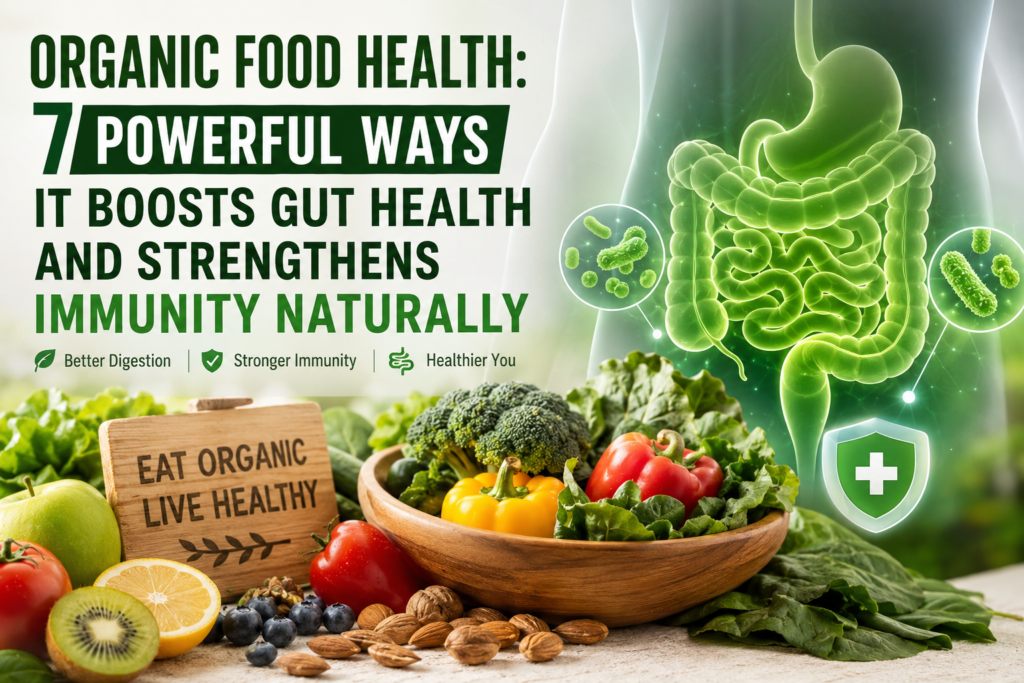
This article breaks down 7 powerful, science-informed ways organic food health enhances gut health and immunity naturally in 2026.

Organic Food Health and Gut Microbiome Balance
The gut microbiome is a complex ecosystem of trillions of bacteria that influence digestion, metabolism, and immune response. A balanced microbiome supports:
- Stronger immunity
- Better digestion
- Reduced inflammation
- Improved mental clarity
Organic foods play a crucial role in supporting this balance because they are grown without synthetic pesticides, antibiotics, or genetically modified enhancers that may disrupt microbial diversity.
Key Impact of Organic Food Health on Gut Microbiome:
- Encourages growth of beneficial bacteria (probiotics)
- Reduces exposure to harmful chemical residues
- Improves fiber quality and nutrient density
- Supports microbial diversity essential for immunity
In simple terms, organic food health helps your gut bacteria thrive instead of struggle.
Organic Food Health Benefits of Organic Diet for Gut Health and Immunity 2026
One of the most important benefits of organic diet for gut health and immunity 2026 is the reduction of toxic load in the body. When the body is not busy detoxifying harmful chemicals, it can focus on repair, immunity, and digestion.
Major benefits include:
- Stronger immune defense system
- Better absorption of nutrients
- Reduced risk of chronic inflammation
- Improved gut lining integrity
According to nutrition researchers, long-term organic eating may help reduce antibiotic resistance exposure and promote healthier gut flora diversity.
Organic Food Health and Nutrition Research Overview – Harvard Nutrition Source
Organic Food Health and Immune System Boost Mechanism
The immune system depends heavily on gut health—about 70% of immune activity is linked to the digestive tract. This makes organic food health directly connected to immunity.
How it works:
- Healthy gut bacteria produce immune-supporting compounds
- Organic foods reduce exposure to immune-disrupting chemicals
- Higher antioxidant levels strengthen immune cells
Immune-boosting organic nutrients include:
- Vitamin C (citrus fruits, berries)
- Zinc (organic legumes, seeds)
- Polyphenols (green tea, organic vegetables)
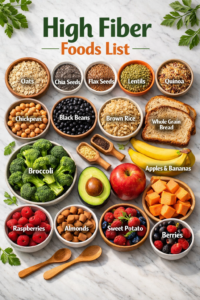
- Fiber (whole organic grains)
The result is a more responsive and resilient immune system.
How Organic Food Improves Gut Microbiome Health Naturally
Understanding how organic food improves gut microbiome health naturally requires looking at what makes organic food different.
1. No Synthetic Pesticides
These chemicals can negatively affect gut bacteria diversity.
2. Higher Antioxidant Levels
Organic crops often contain more antioxidants that protect gut lining.
3. Better Soil Quality
Healthier soil = richer microbial food content.
4. Improved Fiber Structure
Supports digestion and promotes healthy bowel movement.
Over time, organic diets help create a self-regulating gut ecosystem.
Best Organic Foods to Strengthen the Immune System and Digestion
Choosing the right foods is essential for maximizing organic food health benefits.
Top Organic Immune and Gut-Boosting Foods:
Fruits:
- Organic blueberries
- Apples
- Oranges
- Papaya
Vegetables:
- Spinach
- Kale
- Broccoli
- Carrots
Protein Sources:
- Organic eggs
- Grass-fed meat
- Organic legumes
Fermented Foods:
- Organic yogurt
- Kefir
- Sauerkraut
- Kimchi
Whole Grains:
- Brown rice
- Oats
- Quinoa
These foods act as natural immune system boosters and gut healers.
Organic Food Health vs Conventional Food: Clear Comparison Table
| Feature | Organic Food Health | Conventional Food |
|---|---|---|
| Pesticide Exposure | Minimal to none | Higher levels |
| Gut Microbiome Impact | Supports diversity | May reduce diversity |
| Nutrient Density | Higher antioxidants | Moderate |
| Immune System Support | Strong natural boost | Less effective |
| Antibiotic Exposure | Rare | Possible in animal products |
| Environmental Impact | Sustainable farming | Higher ecological footprint |
This comparison highlights why organic food health is becoming a global dietary shift in 2026.
Organic Food Health and Inflammation Reduction
Chronic inflammation is a silent contributor to diseases like diabetes, heart disease, and autoimmune disorders.
Organic foods help reduce inflammation by:
- Eliminating synthetic chemical intake
- Increasing anti-inflammatory compounds
- Supporting gut barrier integrity
Anti-inflammatory organic foods include:
- Turmeric
- Ginger
- Leafy greens
- Berries
Lower inflammation = stronger immunity + healthier digestion.
Organic Food Health and Mental Well-being Connection
The gut-brain axis is a communication pathway between the gut and brain. A healthy gut improves mood, reduces anxiety, and enhances cognitive performance.
Benefits of organic food health on mental wellness:
- Stabilized mood swings
- Reduced anxiety levels
- Improved focus
- Better sleep quality
This is why organic nutrition is now linked not only to physical health but also emotional balance.
Does Organic Food Really Improve Immune System and Gut Bacteria Balance?
Yes—but with context.
Scientific studies suggest that while organic food is not a “magic cure,” it significantly contributes to:
- Healthier microbiome diversity
- Lower pesticide exposure
- Improved nutrient intake quality
However, results are strongest when combined with:
- Balanced diet
- Regular exercise
- Adequate hydration
- Stress management
Organic food is a foundation, not a standalone solution.
Organic Food Health in Daily Life: Practical Application
To fully benefit from organic food health, consistency is key.
Simple daily habits:
- Start your day with organic fruits
- Replace processed snacks with organic nuts
- Cook with organic vegetables
- Include fermented foods 3–4 times weekly
- Drink filtered water with natural lemon
Organic Food Health and Long-Term Disease Prevention
Long-term organic diets may help reduce risk factors for:
- Obesity
- Type 2 diabetes
- Cardiovascular disease
- Digestive disorders
This makes organic nutrition not just a lifestyle choice, but a preventive health strategy.

Organic Food Health and the Gut-Brain Connection: How a Healthy Microbiome Supports Mental Wellness
One of the most fascinating discoveries in modern nutrition science is the existence of the gut-brain connection, a two-way communication network linking the digestive system and the brain. While many people associate organic food health with improved digestion and a stronger immune system, researchers are increasingly uncovering its potential role in supporting mental well-being through a healthier gut microbiome.
The gut is home to trillions of microorganisms, collectively known as the gut microbiome. These bacteria do much more than help digest food. They produce important compounds that influence mood, cognition, stress responses, and even sleep quality. In fact, scientists often refer to the gut as the body’s “second brain” because of its close relationship with the central nervous system.
Understanding the Gut-Brain Axis
The gut and brain communicate through a complex system called the gut-brain axis. This communication occurs through several pathways, including:
- The vagus nerve, which directly connects the brain and digestive tract
- Hormones that regulate mood and stress
- Immune system signals
- Neurotransmitters produced by gut bacteria
Remarkably, approximately 90% of the body’s serotonin—a neurotransmitter associated with happiness and emotional stability—is produced in the gastrointestinal tract. When the gut microbiome is balanced and diverse, it can contribute to healthier neurotransmitter production and better emotional regulation.
How Organic Food Health Supports the Gut-Brain Connection
A nutrient-rich gut health diet centered on organic foods may help support this important relationship in several ways.
1. Reducing Exposure to Potentially Harmful Chemicals
Organic foods are produced without most synthetic pesticides and herbicides. Some studies suggest that certain agricultural chemicals may negatively affect gut microbial diversity. A more diverse microbiome is generally associated with better digestive and mental health outcomes.
By choosing organic produce whenever possible, individuals may reduce exposure to substances that could potentially disrupt the delicate balance of beneficial gut bacteria.
2. Providing More Antioxidants and Plant Compounds
Research has found that some organic crops contain higher concentrations of antioxidants and beneficial plant compounds known as polyphenols. These compounds act as food for beneficial gut bacteria and help reduce oxidative stress throughout the body.
Common organic foods rich in polyphenols include:
- Blueberries
- Strawberries
- Apples
- Spinach
- Kale
- Green tea
These foods support both gut health and brain function, creating a positive cycle that benefits overall wellness.
3. Encouraging a More Diverse Gut Microbiome
One of the most important ways how organic food improves gut microbiome health naturally is by promoting bacterial diversity. A varied microbiome is associated with stronger immunity, better digestion, and improved emotional resilience.
When beneficial bacteria thrive, they produce short-chain fatty acids such as butyrate, which help reduce inflammation and support healthy communication between the gut and brain.
The Connection Between Gut Health and Mental Health
Emerging research has linked gut microbiome imbalances to a variety of mental health concerns, including:
- Anxiety
- Depression
- Chronic stress
- Brain fog
- Poor sleep quality
While diet alone is not a treatment for these conditions, a healthy microbiome may contribute to improved mood and cognitive function. This is one reason why experts increasingly recommend dietary approaches as part of a broader wellness strategy.
For individuals seeking an immune system boost and better mental well-being, combining organic nutrition with other healthy habits such as exercise, sleep, and stress management can create significant long-term benefits.
Best Organic Foods for Gut and Brain Health
Some of the best organic foods to strengthen immune system and digestion while also supporting mental wellness include:
Organic Fermented Foods
- Organic yogurt with live cultures
- Kefir
- Kimchi
- Sauerkraut
Organic Prebiotic Foods
- Garlic
- Onions
- Asparagus
- Bananas
- Oats
Organic Antioxidant-Rich Foods
- Blueberries
- Blackberries
- Leafy greens
- Broccoli
- Avocados
These foods nourish beneficial gut bacteria while supplying nutrients that support healthy brain function.
Why This Matters in 2026 and Beyond
As awareness of the gut-brain connection grows, more people are recognizing that food choices affect far more than physical health. The benefits of organic diet for gut health and immunity 2026 extend into areas such as emotional well-being, productivity, and quality of life.
A healthy gut microbiome supports a stronger immune system, more efficient digestion, and potentially better mental resilience. While no single diet can guarantee perfect health, incorporating organic foods into a balanced lifestyle may provide a valuable foundation for both physical and psychological wellness.
References
- Harvard T.H. Chan School of Public Health. The Nutrition Source: Organic Foods. Available at: https://www.hsph.harvard.edu/nutritionsource/organic-foods/
- National Center for Complementary and Integrative Health (NCCIH). The Gut-Brain Axis. Available at: https://www.nccih.nih.gov
- National Institutes of Health (NIH). The Microbiota-Gut-Brain Axis. Available at: https://www.ncbi.nlm.nih.gov/pmc/articles/PMC6469458/
- World Health Organization (WHO). Healthy Diet Fact Sheet. Available at: https://www.who.int/news-room/fact-sheets/detail/healthy-diet
- Cryan JF, O’Riordan KJ, Cowan CSM, et al. “The Microbiota-Gut-Brain Axis.” Physiological Reviews, 2019. Available through the U.S. National Library of Medicine.
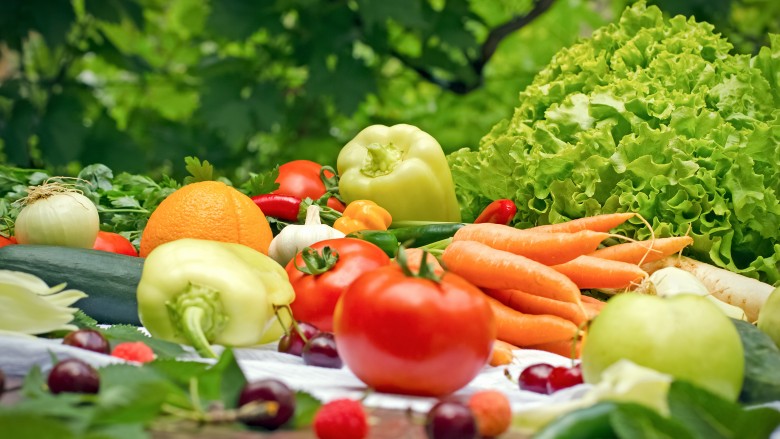
Organic Food Health for Children: Building Strong Immunity and Healthy Digestion from an Early Age
When parents think about their children’s health, they often focus on growth, physical activity, and academic performance. However, one of the most important foundations of lifelong wellness begins much earlier—in the digestive system. A child’s gut health influences nutrient absorption, immune function, brain development, and overall well-being. This is where organic food health can play a meaningful role.
As awareness of nutrition continues to grow in 2026, more families are exploring the benefits of organic foods as part of a healthy lifestyle. While organic food is not a cure-all, choosing nutrient-dense organic options may help support healthy digestion and contribute to a stronger immune system during the critical developmental years.
Why Gut Health Matters for Children
A child’s gut microbiome begins developing at birth and continues evolving throughout childhood. This ecosystem of beneficial bacteria helps regulate several important functions, including:
- Digestion and nutrient absorption
- Immune system development
- Protection against harmful pathogens
- Production of essential vitamins
- Communication between the gut and brain
Research suggests that a diverse and balanced gut microbiome during childhood may support better health outcomes later in life. Since diet is one of the most significant influences on gut bacteria, parents have an opportunity to shape their children’s long-term health through nutritious food choices.
A balanced gut health diet rich in fruits, vegetables, whole grains, and fermented foods provides beneficial nutrients that help healthy bacteria flourish.
How Organic Food Health Supports Children’s Immune Systems
One of the primary reasons parents choose organic foods is the desire to reduce exposure to synthetic pesticides and other agricultural chemicals. Although regulatory agencies consider approved pesticide levels safe, many families prefer minimizing exposure whenever possible, especially during childhood.
Potential Benefits of Organic Nutrition for Children
1. Reduced Exposure to Pesticide Residues
Organic farming standards restrict the use of most synthetic pesticides. This means organic fruits and vegetables generally contain lower pesticide residue levels compared to conventionally grown alternatives.
Children may be more vulnerable to environmental exposures because:
- Their bodies are still developing
- They consume more food relative to body weight
- Their immune and detoxification systems are immature
Reducing unnecessary chemical exposure can be one component of a broader healthy lifestyle.
2. Improved Nutrient Intake
Several studies have found that some organic produce contains higher levels of antioxidants and certain micronutrients.
Important nutrients for children’s immune health include:
- Vitamin C
- Vitamin A
- Zinc
- Iron
- Folate
These nutrients help support normal immune system function and contribute to healthy growth and development.
An immune system boost is not about creating a stronger-than-normal immune response. Rather, it means providing the body with the nutrients needed for the immune system to function effectively.
3. Supporting Healthy Gut Bacteria
One of the ways how organic food improves gut microbiome health naturally is by providing dietary fiber and plant compounds that feed beneficial bacteria.
Healthy gut bacteria help:
- Break down food efficiently
- Produce short-chain fatty acids
- Support immune responses
- Protect against harmful microorganisms
The stronger and more diverse the gut microbiome becomes, the better equipped a child’s body may be to maintain digestive and immune health.
Best Organic Foods to Strengthen Immune System and Digestion in Children
Parents looking to improve organic food health within their household can start with nutrient-rich foods that children generally enjoy.
Organic Fruits
Organic fruits provide vitamins, antioxidants, and fiber.
Excellent choices include:
- Apples
- Bananas
- Oranges
- Blueberries
- Strawberries
- Pears
These fruits help support digestion while supplying nutrients that contribute to immune health.
Organic Vegetables
Vegetables are among the most important foods for developing healthy eating habits.
Top options include:
- Carrots
- Sweet potatoes
- Spinach
- Broccoli
- Bell peppers
- Cucumbers
These foods contain vitamins and phytonutrients that support healthy immune function.
Organic Whole Grains
Whole grains provide prebiotic fiber that nourishes beneficial gut bacteria.
Examples include:
- Oats
- Brown rice
- Whole wheat products
- Quinoa
Fiber-rich foods are essential components of a healthy gut health diet.
Organic Fermented Foods
Fermented foods naturally contain beneficial bacteria.
Child-friendly options include:
- Plain yogurt with live cultures
- Kefir
- Mild fermented vegetables
These foods may help support microbial diversity within the digestive system.
The Role of Organic Nutrition in Building Healthy Eating Habits
One often-overlooked advantage of introducing organic foods early is habit formation.
Children who regularly consume:
- Fruits
- Vegetables
- Whole foods
- Minimally processed meals
are more likely to continue these habits into adulthood.
Good nutrition during childhood can influence future risks of:
- Obesity
- Type 2 diabetes
- Cardiovascular disease
- Digestive disorders
Therefore, the benefits of organic diet for gut health and immunity 2026 may extend well beyond immediate health outcomes.
Does Organic Food Really Improve Immune System and Gut Bacteria Balance in Children?
Parents frequently ask: Does organic food really improve immune system and gut bacteria balance?
The evidence suggests that organic foods can contribute positively when incorporated into an overall healthy diet.
However, experts emphasize that no single food type determines health outcomes. The greatest benefits occur when organic foods are combined with:
- Adequate sleep
- Physical activity
- Proper hydration
- Reduced consumption of ultra-processed foods
- Regular consumption of fiber-rich foods
Organic nutrition works best as part of a complete lifestyle approach rather than as a standalone solution.
Simple Ways Parents Can Introduce More Organic Foods
Families interested in improving organic food health don’t need to switch everything overnight.
Practical steps include:
Start with High-Priority Produce
Consider purchasing organic versions of frequently consumed fruits and vegetables such as:
- Apples
- Strawberries
- Spinach
- Grapes
Pack Healthier School Lunches
Include:
- Organic fruit
- Whole-grain snacks
- Yogurt
- Vegetable sticks
Limit Highly Processed Foods
Reducing sugary and heavily processed snacks may benefit both digestion and immune function.
Encourage Variety
Different foods feed different beneficial bacteria. A colorful plate often supports a more diverse microbiome.
Looking Ahead: Organic Food Health and Children’s Wellness Beyond 2026
As nutrition science advances, researchers continue exploring the relationship between food quality, gut microbiome diversity, and immune development. While many questions remain, evidence increasingly points toward the importance of nutrient-rich whole foods in supporting childhood health.
For parents seeking long-term wellness strategies, organic foods offer one way to encourage healthier eating patterns, support digestive health, and contribute to normal immune function. Combined with a balanced lifestyle, these choices may help children build a strong foundation for lifelong health.
for more insights visit:
- Organic Food Health and Gut Microbiome Research – Harvard T.H. Chan School of Public Health
- Organic Nutrition and Human Health Impact Studies – WHO Nutrition Overview
Conclusion: The Future of Organic Food Health (2026 and Beyond)
The rise of organic food health reflects a global shift toward preventive, natural, and sustainable living. As more people understand the connection between the gut microbiome and immune system, organic nutrition continues to gain importance.
From improving digestion to strengthening immunity and reducing inflammation, the benefits of organic eating extend far beyond basic nutrition.
In 2026 and beyond, organic food is not just a trend—it is becoming a health necessity for long-term wellness, disease prevention, and optimal human performance.
About The Author