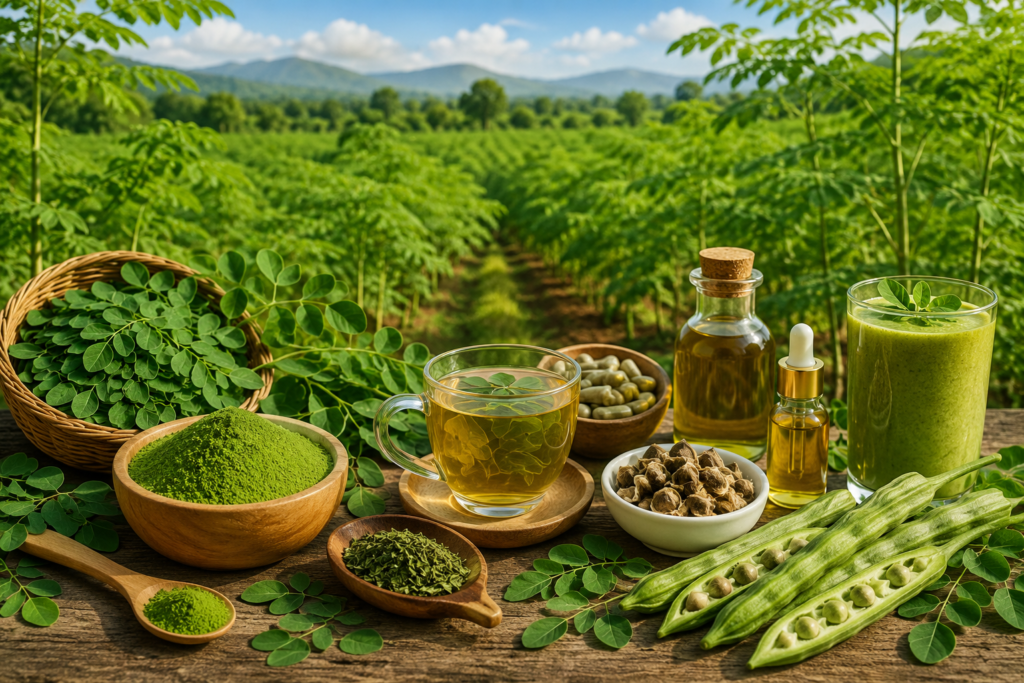
Moringa Farming
What if one of the world’s most profitable and nutrient-rich crops could grow in harsh conditions, require relatively little maintenance, and create multiple income opportunities from a single tree? That is exactly why moringa farming is capturing the attention of farmers, entrepreneurs, and health-conscious consumers across the globe. As demand for natural superfoods continues to surge in 2026–2027, the humble moringa tree has evolved from a traditional medicinal plant into a high-value agricultural commodity with remarkable commercial potential.
Often referred to as the “Miracle Tree,” moringa is celebrated for its exceptional nutritional profile and versatility. Its leaves, seeds, pods, flowers, and oil are used in everything from dietary supplements and herbal teas to cosmetics, functional foods, livestock feed, and wellness products. This growing range of applications has fueled a rapidly expanding global market, making moringa one of the most sought-after crops for both small-scale growers and commercial farming operations.
But successful moringa farming involves far more than planting seeds and waiting for harvest. The farmers achieving the best results understand the strategies that maximize yields, improve product quality, reduce production costs, and unlock higher profits through value-added products and smart marketing. These proven approaches are helping growers capitalize on a booming industry that shows no signs of slowing down.
In this comprehensive guide, you’ll discover five powerful and inspiring secrets behind the superfood revolution driving moringa’s popularity in 2026–2027. Whether you’re an aspiring farmer, an experienced grower looking to diversify, or an entrepreneur exploring opportunities in the health and wellness market, this article will equip you with practical insights, expert tips, and actionable strategies to help you build a successful and sustainable moringa farming venture.

What Is Moringa Farming?
Moringa farming is the cultivation of moringa trees—most commonly Moringa oleifera—for commercial or personal use. Farmers grow moringa to harvest its highly nutritious leaves, seeds, pods, flowers, and oil, which are used in food, dietary supplements, cosmetics, herbal products, and animal feed.
Known as the “miracle tree” or “drumstick tree,” moringa is prized for its rapid growth, drought tolerance, and ability to thrive in tropical and subtropical climates. Because nearly every part of the tree has economic value, moringa farming has become an attractive agricultural venture for both small-scale and commercial farmers.
Moringa farming typically involves selecting suitable land with well-drained soil, planting seeds or seedlings, providing basic care such as watering and weed control during the early stages, and harvesting the leaves or other plant parts once they reach maturity. Depending on the intended market, harvested moringa may be sold fresh or processed into products such as leaf powder, tea, capsules, seed oil, or livestock feed.
The increasing global demand for nutrient-rich, plant-based foods and natural wellness products has made moringa farming one of the fastest-growing sectors in sustainable agriculture. With relatively low production costs, multiple harvests each year, and diverse income opportunities, it is considered a promising farming enterprise for growers looking to supply both local and international markets.Explore scientific studies on Moringa oleifera available through the National Center for Biotechnology Information (NCBI).NCBI – Research on Moringa oleiferahttps://www.ncbi.nlm.nih.govWhen discussing the nutritional value, health benefits, or scientific research on moringa.
Understanding the Moringa Tree
- Scientific name
- Origin
- Why it’s called the Miracle Tree
- Nutritional profile
Why Farmers Are Turning to Moringa
- Low maintenance
- Fast growth
- Multiple income sources
- Climate resilience
Why Moringa Is Fueling the Superfood Revolution in 2026–2027
Discuss current market trends including:
- Rising health awareness
- Plant-based diets
- Functional foods
- Nutraceutical industry
- Organic food demand
- Export opportunities
- Climate-smart agriculture
Example:
Explain how moringa powder is now being added to smoothies, protein powders, teas, supplements, skincare products, and animal feed.
Secret #1 — Exceptional Nutritional Value Drives Global Demand
Explain:
- Rich in vitamins
- Minerals
- Protein
- Antioxidants
- Amino acids
Discuss why nutrition-conscious consumers are buying more moringa products.
Include practical example of supermarkets and online stores expanding moringa product lines.
Secret #2 — Moringa Farming Is Surprisingly Affordable
Explain:
Startup Costs
- Seeds
- Land preparation
- Irrigation
- Fertilizer
Why Small Farmers Can Succeed
- Fast harvest
- Low labor costs
- Minimal pesticide use
- High survival rate
Include estimated timeline from planting to first harvest.
Secret #3 — Every Part of the Tree Can Generate Income
Discuss income opportunities from:
Leaves
- Fresh leaves
- Dried leaves
- Powder
Seeds
- Oil production
- Planting seeds
Pods
- Vegetable market
Flowers
- Herbal tea
- Honey production
Branches
- Animal feed
- Compost
Include an example of diversified farm income.
Secret #4 — Sustainable Farming Makes Moringa Future-Proof
Explain how moringa supports sustainable agriculture.
Topics:
- Drought tolerance
- Soil improvement
- Carbon capture
- Reduced fertilizer use
- Biodiversity
- Agroforestry
Provide examples of integrating moringa with other crops.
Secret #5 — Value-Added Processing Creates Bigger Profits
Explain the difference between selling raw leaves versus processed products.
Discuss:
- Moringa powder
- Capsules
- Tea bags
- Oils
- Cosmetics
- Animal feed supplements
Show how branding increases profit margins.
Step-by-Step Guide to Starting a Successful Moringa Farm
Choosing the Right Location
Soil Requirements
Climate Conditions
Seed Selection
Planting Techniques
Watering Schedule
Fertilization
Weed Management
Pest and Disease Control
Harvesting
Drying Leaves Properly
Packaging
Marketing Your Products
Common Challenges in Moringa Farming
Discuss:
- Poor seed quality
- Overwatering
- Poor drying practices
- Market access
- Price fluctuations
- Storage issues
Provide practical solutions for each challenge.
Business Opportunities Beyond Farming
Ideas include:
- Moringa powder brand
- Tea production
- Seed oil business
- Cosmetics
- Livestock feed
- Organic fertilizer
- Export business
- Online store
- Wholesale supply
- Health food products
Tips for Maximizing Profit
- Focus on organic certification
- Invest in proper drying equipment
- Build a recognizable brand
- Sell directly to consumers
- Diversify products
- Use social media marketing
- Partner with health stores
- Explore export markets
What Is Moringa Farming and Why Is It Growing in Popularity?
Moringa farming is the cultivation of the moringa tree (Moringa oleifera), a fast-growing, drought-tolerant plant valued for its exceptional nutritional, medicinal, and commercial benefits. Native to parts of South Asia but now widely grown across Africa, Asia, and Latin America, moringa has earned the nickname “Miracle Tree” because nearly every part of it can be harvested and put to good use. From its nutrient-rich leaves and edible pods to its seeds, flowers, and oil, moringa offers multiple opportunities for farmers to generate income while contributing to healthier diets and more sustainable agriculture.
Unlike many traditional crops that rely on a single harvest or product, moringa provides a diverse range of marketable products. Fresh leaves can be sold to local markets and restaurants, dried leaves can be processed into powder for health supplements, seeds are used for oil extraction and planting, while the pods are consumed as vegetables in many countries. This versatility makes moringa farming an attractive option for both small-scale growers looking to diversify their income and commercial farmers seeking a profitable, high-demand crop.
Why Is Moringa Called the “Miracle Tree”?
The title “Miracle Tree” isn’t just a marketing phrase—it reflects the remarkable versatility and value of the plant. Moringa leaves are naturally rich in vitamins A, C, and E, calcium, potassium, iron, protein, and antioxidants, making them a popular ingredient in smoothies, teas, nutritional supplements, and functional foods. Beyond nutrition, moringa seed oil is widely used in skincare, haircare, and cosmetic products because of its moisturizing and antioxidant properties.
In addition to its commercial uses, moringa has long been valued in traditional communities for culinary and wellness purposes. Its ability to thrive in dry climates and poor soils further strengthens its reputation as a resilient crop capable of supporting food security in regions where other crops may struggle.
Why Moringa Farming Is Booming in 2026–2027
The rapid growth of moringa farming is being driven by several powerful trends that are reshaping global agriculture and consumer preferences. As more people prioritize healthy eating and natural products, demand for nutrient-dense superfoods continues to climb. Moringa has become one of the standout ingredients in this movement, appearing in everything from protein powders and herbal teas to energy bars, capsules, and plant-based beverages.
At the same time, farmers are searching for crops that are both profitable and environmentally sustainable. Moringa meets both needs. It grows quickly, requires relatively little water once established, tolerates drought conditions, and can be harvested multiple times throughout the year. These characteristics make it particularly appealing in regions facing changing weather patterns and increasing pressure on agricultural resources.
Growing interest in organic products has also created new opportunities for moringa producers. Health food stores, wellness brands, and online retailers are actively seeking high-quality organic moringa leaves, powders, and oils to meet consumer demand. For farmers who invest in quality production and proper processing, these expanding markets can translate into stronger long-term income opportunities.
Key Benefits of Moringa Farming
The following table highlights some of the main reasons why moringa farming is attracting growers around the world.
| Benefit | Why It Matters | Advantage for Farmers |
|---|---|---|
| Fast Growth | Trees establish quickly and can be harvested within months. | Faster returns on investment. |
| Multiple Income Streams | Leaves, seeds, pods, flowers, and oil all have commercial value. | Diversified sources of revenue. |
| High Market Demand | Used in food, supplements, cosmetics, and animal feed. | Consistent demand across several industries. |
| Drought Tolerance | Performs well in warm climates with relatively low water requirements. | Lower irrigation costs and greater resilience. |
| Sustainable Crop | Helps support soil conservation and can be integrated into agroforestry systems. | Long-term environmental and economic benefits. |
| Value-Added Opportunities | Raw materials can be processed into premium products such as powder, tea, and oil. | Higher profit margins compared to selling fresh leaves alone. |
Is Moringa Farming Right for You?
Whether you’re a home gardener, a smallholder farmer, or an agricultural entrepreneur, moringa farming offers flexibility and long-term potential. Beginners appreciate its relatively simple cultivation requirements, while experienced farmers value its ability to produce multiple harvests and serve a variety of markets. With proper planning, quality planting material, and effective post-harvest handling, moringa can become a reliable source of income and a valuable addition to a diversified farming enterprise.
As global interest in sustainable agriculture and nutrient-rich foods continues to grow, moringa farming is well-positioned to remain one of the most promising agricultural opportunities of 2026–2027 and beyond.
This section naturally incorporates the primary keyword moringa farming, provides clear explanations, includes a reader-friendly table, and flows smoothly into the next section on the 5 powerful secrets behind the booming moringa farming revolution.
The Future of Moringa Farming: Trends and Opportunities Beyond 2027
The future of moringa farming looks exceptionally promising as global demand for nutritious, sustainable, and plant-based products continues to grow. What was once considered a niche crop is rapidly becoming an important part of the agricultural, health, and wellness industries. Consumers are increasingly seeking natural foods, eco-friendly products, and functional ingredients that support healthier lifestyles, and moringa is well-positioned to meet these evolving needs.
Beyond 2027, experts expect moringa to play an even greater role in sustainable agriculture, food security, and rural economic development. Technological advancements, improved farming practices, and expanding international markets are creating new opportunities for farmers and agribusinesses to increase production while maintaining quality and environmental responsibility.
Rising Global Demand for Superfoods
Health-conscious consumers are paying closer attention to what they eat than ever before. Foods rich in vitamins, minerals, antioxidants, and plant-based protein continue to gain popularity, and moringa fits perfectly into this trend. As awareness of its nutritional benefits spreads, demand is expected to increase across a wide range of industries.
Manufacturers are incorporating moringa into products such as:
- Green smoothie powders
- Herbal teas
- Dietary supplements
- Energy bars
- Plant-based protein blends
- Functional beverages
- Skincare and cosmetic products
- Natural pet and livestock feed
This diversification creates a stable and growing market for farmers, reducing dependence on a single product or customer segment.
Technology Is Transforming Moringa Farming
Modern farming technologies are making moringa cultivation more efficient and productive. While moringa has traditionally been grown using conventional methods, many producers are beginning to adopt digital tools that improve decision-making and reduce production costs.
Emerging technologies include:
- Smart irrigation systems that optimize water use.
- Soil sensors that monitor moisture and nutrient levels.
- Drone technology for crop monitoring.
- GPS-guided field management.
- Mobile apps for farm record-keeping and crop planning.
- Artificial intelligence (AI) tools that help identify crop stress, optimize irrigation schedules, and support better farm management decisions.
These innovations enable farmers to improve yields, reduce waste, and make more informed management decisions.
Climate-Smart Agriculture Will Drive Long-Term Growth
Climate change continues to present challenges for agriculture worldwide, making resilient crops increasingly valuable. Moringa is naturally adapted to warm climates and can tolerate periods of drought once established, making it an attractive option for many regions.
When combined with climate-smart farming practices, moringa can contribute to more sustainable agricultural systems by:
- Conserving water through efficient irrigation.
- Improving soil health with organic matter.
- Reducing erosion through permanent vegetation.
- Supporting biodiversity in mixed farming systems.
- Integrating well into agroforestry projects.
- Helping diversify farm income.
These qualities make moringa a practical choice for farmers seeking long-term resilience in changing environmental conditions.
Organic and Sustainable Products Will Continue to Grow
Consumers are placing greater value on products that are grown responsibly and processed with minimal environmental impact. Organic and sustainably produced moringa products often attract premium prices in both domestic and international markets.
Farmers who adopt sustainable practices may benefit from:
- Increased consumer trust.
- Better product quality.
- Access to premium market segments.
- Long-term soil fertility.
- Reduced dependence on synthetic agricultural inputs.
Building a reputation for consistent quality and responsible production can strengthen a farm’s competitiveness over time.
Value-Added Processing Offers Greater Profit Potential
One of the biggest opportunities beyond 2027 lies in processing moringa into finished products rather than selling raw materials alone. Value-added products typically command higher prices and open the door to new customer segments.
Popular products include:
- Moringa leaf powder
- Herbal tea blends
- Capsules and dietary supplements
- Cold-pressed moringa seed oil
- Natural soaps and lotions
- Protein mixes
- Nutritional snacks
- Animal feed supplements
Developing a recognizable brand and maintaining high product quality can help producers capture more value throughout the supply chain.
Expanding International Trade Opportunities
Global interest in natural health products has created growing export opportunities for high-quality moringa products. Buyers in regions such as North America, Europe, Asia, and the Middle East continue to seek reliable suppliers that meet food safety and quality standards.
Farmers and processors who invest in:
- Proper drying techniques,
- Hygienic processing,
- Attractive packaging,
- Product traceability,
- Compliance with export regulations,
may be better positioned to access international markets and build long-term business relationships.
Future Opportunities at a Glance
| Emerging Trend | Why It Matters | Opportunity for Farmers |
|---|---|---|
| Growing Superfood Demand | More consumers are choosing nutrient-rich foods. | Higher demand for moringa products. |
| AI and Smart Farming | Better monitoring and farm management. | Increased efficiency and potentially higher yields. |
| Climate-Smart Agriculture | Greater focus on resilient farming systems. | Improved sustainability and long-term productivity. |
| Organic Production | Premium markets continue to expand. | Opportunity to earn higher prices. |
| Value-Added Processing | Consumers prefer finished products. | Increased profit margins. |
| Global Export Growth | International demand continues to rise. | Access to larger markets and diversified revenue. |
| E-commerce Expansion | Consumers increasingly buy health products online. | Sell directly to customers worldwide. |
| Agritourism and Education | Interest in sustainable farming experiences is growing. | Additional income through farm visits and workshops. |
Preparing for the Future
Farmers who want to succeed beyond 2027 should focus on continuous learning, product quality, and market awareness. Investing in improved cultivation techniques, adopting sustainable farming practices, and exploring value-added products can help create a more resilient and profitable business. Staying informed about consumer trends and industry developments will also make it easier to adapt to changing market conditions.
The future of moringa farming is about more than growing a resilient crop—it is about participating in a global movement toward healthier food systems, sustainable agriculture, and innovative agricultural businesses. For growers willing to embrace modern farming practices and evolving market opportunities, moringa offers the potential for long-term growth, diversification, and lasting success.

Mistakes New Moringa Farmers Should Avoid
Introduce the idea that while moringa is often described as an easy crop to grow, successful farming still requires planning and good management. Explain that many beginners lose time, money, or yield because of avoidable mistakes rather than because moringa is difficult to cultivate.
Choosing Poor-Quality Seeds or Seedlings
Discuss why starting with healthy, high-quality planting material is essential.
Cover points such as:
- Buying seeds from reputable suppliers.
- Checking germination rates.
- Selecting varieties suited to the local climate.
- Avoiding diseased or damaged seedlings.
Actionable tip: Encourage farmers to test a small batch of seeds before planting large areas.
Planting in Unsuitable Soil
Explain that moringa performs best in well-drained soil and may struggle in waterlogged conditions.
Include:
- Importance of soil drainage.
- Appropriate soil pH range.
- Benefits of adding organic matter where needed.
- Avoiding low-lying areas prone to flooding.
Overwatering Young Trees
Clarify that although seedlings need consistent moisture during establishment, excessive watering can contribute to root problems.
Discuss:
- Watering according to weather conditions.
- Ensuring proper drainage.
- Signs of excessive moisture.
- Adjusting irrigation as trees mature.
Incorrect Plant Spacing
Describe how spacing influences:
- Air circulation.
- Sunlight penetration.
- Nutrient competition.
- Ease of harvesting.
- Pest and disease management.
Explain that spacing recommendations vary depending on whether the goal is leaf production, pod production, or intensive commercial cultivation.
Ignoring Weed Management
Cover topics including:
- Competition for nutrients.
- Competition for water.
- Reduced seedling growth.
- Mulching as a weed-management strategy.
- Manual versus mechanical weed control.
Delaying Harvests
Explain why harvesting at appropriate intervals helps maintain leaf quality and encourages continued growth.
Mention:
- Regular harvesting schedules.
- Avoiding overly mature leaves if targeting premium markets.
- Gentle pruning techniques.
Poor Post-Harvest Handling
Highlight the importance of maintaining product quality after harvest.
Discuss:
- Gentle handling.
- Hygienic drying.
- Protection from dust and moisture.
- Appropriate storage conditions.
- Using food-grade packaging.
Failing to Research the Market
Explain that successful moringa farming depends not only on production but also on understanding demand.
Encourage readers to identify:
- Local buyers.
- Health food stores.
- Food processors.
- Herbal product manufacturers.
- Cooperatives.
- Export opportunities.
Depending on One Product
Describe the advantages of diversifying.
Examples include:
- Fresh leaves.
- Dried leaves.
- Leaf powder.
- Tea.
- Seed oil.
- Seeds.
- Pods.
- Livestock feed.
Diversification can help reduce business risk and create multiple income streams.
Neglecting Record-Keeping
Explain why farm records matter.
Include:
- Planting dates.
- Harvest quantities.
- Input costs.
- Labor expenses.
- Sales records.
- Customer information.
Good records help farmers monitor performance and make informed business decisions.
Comparison Table
| Common Mistake | Possible Impact | Good Practice |
|---|---|---|
| Poor-quality seeds | Low germination and uneven growth | Buy certified seeds from trusted suppliers |
| Poor drainage | Root problems and reduced growth | Plant in well-drained soil |
| Overwatering | Root stress | Water according to plant needs and weather |
| Poor spacing | Lower productivity | Follow spacing recommendations for your production goal |
| Weak post-harvest handling | Reduced product quality | Dry, store, and package products properly |
| No market planning | Difficulty selling products | Identify buyers before expanding production |
Learn more about sustainable farming practices from the Food and Agriculture Organization (FAO).
FAO – Sustainable Agriculture Resourceshttps://www.fao.org
How Much Does It Cost to Start a Moringa Farm?
Introduce the idea that startup costs vary depending on the size of the farm, local land prices, labor costs, irrigation needs, and whether the goal is fresh leaf production or value-added products such as moringa powder or oil.
Emphasize that careful budgeting helps reduce financial risk and improves the chances of building a profitable operation.
Land Acquisition or Leasing
Discuss factors that affect land costs, such as:
- Purchasing versus leasing
- Farm size
- Accessibility
- Soil quality
- Water availability
- Local regulations
Point out that many new growers begin by leasing land or using existing family farmland to lower initial investment.
Seeds or Seedlings
Cover topics including:
- Choosing reputable suppliers
- Seed quality and germination rates
- Improved versus local varieties
- Purchasing seedlings instead of seeds
- Planning for replacement plants
Explain that investing in quality planting material can improve establishment and productivity.
Land Preparation
Describe common preparation expenses, such as:
- Clearing vegetation
- Soil testing
- Plowing or tilling
- Digging planting holes
- Adding compost or organic matter
- Installing windbreaks if needed
Irrigation System
Explain how irrigation costs depend on local rainfall and production goals.
Discuss options such as:
- Watering cans for very small farms
- Hose systems
- Sprinklers
- Drip irrigation
- Water storage tanks
- Pumps
Highlight that efficient irrigation can reduce water use and support healthy crop growth.
Fertilizers and Soil Management
Cover:
- Organic compost
- Animal manure
- Mulching
- Soil improvement practices
- Nutrient monitoring
Explain that maintaining healthy soil is an ongoing investment rather than a one-time expense.
Labor Costs
Discuss labor needs during:
- Land preparation
- Planting
- Weeding
- Irrigation
- Harvesting
- Drying
- Packaging
Mention that labor requirements often increase as the farm expands.
Equipment and Tools
Include examples such as:
- Hoes
- Shovels
- Pruning tools
- Harvesting baskets
- Drying racks
- Moisture meters
- Storage containers
- Protective clothing
Processing and Packaging
Explain that growers planning to sell premium products may need to budget for:
- Drying equipment
- Grinding equipment
- Packaging materials
- Labels
- Food-safe storage
- Quality control measures
Discuss how processing can increase product value but also adds operating costs.
Marketing and Distribution
Encourage readers to include a marketing budget covering:
- Branding
- Product labels
- Website or online store
- Social media promotion
- Transportation
- Farmers’ markets
- Wholesale outreach
Suggested Budget Categories Table
| Expense Category | Typical Items | Why It Matters |
|---|---|---|
| Land | Purchase or lease | Foundation of the business |
| Planting Material | Seeds or seedlings | Determines crop establishment |
| Land Preparation | Clearing, tilling, soil improvement | Creates suitable growing conditions |
| Irrigation | Water supply and equipment | Supports crop growth during dry periods |
| Labor | Planting, maintenance, harvesting | Essential for daily operations |
| Equipment | Farm tools and drying equipment | Improves efficiency |
| Processing | Drying, grinding, packaging | Adds value to products |
| Marketing | Branding and sales activities | Helps reach customers |
Planning for Profitability
Instead of focusing only on startup costs, encourage readers to evaluate:
- Expected production capacity
- Operating expenses
- Target customers
- Product mix
- Pricing strategy
- Potential risks
- Long-term expansion opportunities
Conclude by reinforcing that a realistic business plan and careful budgeting can help new moringa growers make informed investment decisions and build a sustainable farming enterprise over time.
Frequently Asked Questions (FAQ)
How long does moringa take to grow?
How profitable is moringa farming?
Can moringa grow in poor soil?
How often should moringa be harvested?
What products can be made from moringa?
Is moringa farming suitable for beginners?

Conclusion
Summarize the five key secrets:
- Exceptional nutrition
- Affordable farming
- Multiple income streams
- Sustainability
- Value-added processing
Reinforce that moringa farming is more than just growing trees—it’s an opportunity to participate in a growing global superfood market while contributing to sustainable agriculture.
End with a strong call to action encouraging readers to research their local market, start small if they’re new to farming, and consider adding value through processing and branding to increase long-term profitability.
This structure is optimized for readability and naturally accommodates the primary keyword moringa farming along with related search terms without excessive repetition. It also provides multiple opportunities to include practical examples, actionable advice, and FAQ content that can help improve user engagement and search visibility.
About The Author