
Household Pest Prevention
Household pests can turn a comfortable home into a frustrating place to live. Whether it’s ants marching across your kitchen counter, cockroaches hiding in dark corners, rodents chewing through wires, or mosquitoes buzzing around your bedroom, these unwelcome visitors don’t just cause annoyance—they can also spread diseases, damage property, contaminate food, and lead to expensive repairs.
The good news? You don’t have to wait until your home is overrun before taking action.
Household pests are much easier—and cheaper—to prevent than to eliminate. By adopting smart household pest prevention strategies, you can stop infestations before they start and enjoy a cleaner, healthier, and pest-free home throughout the year.
In this comprehensive 2026 homeowner’s guide, you’ll discover 15 powerful and proven ways to keep ants, cockroaches, rodents, termites, mosquitoes, spiders, and other common household pests out for good. Whether you’re a new homeowner, renter, or property manager, these practical tips will help protect your home naturally and effectively.

Why Household Pest Prevention Matters
Many homeowners only think about pest control after spotting a cockroach in the kitchen or hearing scratching noises in the walls. Unfortunately, by the time pests become visible, they’ve often been multiplying behind the scenes for weeks—or even months.
Preventive pest control offers several important benefits:
- Protects your family’s health
- Prevents costly structural damage
- Reduces food contamination
- Eliminates unpleasant odors
- Saves money on professional extermination
- Improves indoor comfort
- Maintains property value
Think of pest prevention like regular home maintenance—small efforts today can prevent major problems tomorrow.
The 15 Most Common Household Pests Homeowners Face
Before discussing prevention, it’s helpful to know your enemy.
Some of the most common household pests include:
- Ants
- Cockroaches
- Rats
- Mice
- Termites
- Mosquitoes
- Flies
- Bed bugs
- Fleas
- Spiders
- Silverfish
- Pantry moths
- Wasps
- Carpenter ants
- Earwigs
Each pest has different habits, but most enter homes searching for three things:
- Food
- Water
- Shelter
Remove these necessities, and you’ll drastically reduce infestations.
15 Powerful Ways to Prevent Household Pests
1. Seal Every Possible Entry Point
Tiny cracks around windows, doors, plumbing, and foundations act like open invitations for pests.
Inspect your home every few months and seal:
- Wall cracks
- Pipe openings
- Window gaps
- Door frames
- Roof openings
- Utility penetrations
Use silicone caulk, expanding foam, or weather stripping where appropriate.
Pro Tip
A mouse can squeeze through an opening about the width of a pencil. Even the smallest gaps matter.
2. Keep Your Kitchen Spotlessly Clean
Your kitchen is the number one hotspot for household pests.
Food crumbs, grease, and spills attract:
- Cockroaches
- Ants
- Flies
- Pantry pests
Daily habits include:
- Wipe countertops
- Sweep floors
- Mop regularly
- Wash dishes promptly
- Clean behind appliances
A clean kitchen dramatically reduces pest activity.
3. Store Food in Airtight Containers
Cardboard boxes and thin plastic packaging are easy targets for pests.
Store:
- Rice
- Flour
- Sugar
- Cereals
- Pet food
- Snacks
Use glass or heavy-duty airtight containers instead.
This also protects food from moisture and contamination.
4. Eliminate Standing Water
Water attracts mosquitoes, cockroaches, rodents, and many other pests.
Check for:
- Leaking faucets
- Burst pipes
- Clogged gutters
- Plant saucers
- Bird baths
- Air-conditioner drainage
Empty standing water every few days.
5. Take Out Garbage Regularly
Overflowing trash bins are a buffet for pests.
Best practices:
- Use bins with tight-fitting lids.
- Empty indoor bins daily.
- Clean trash cans weekly.
- Keep outdoor bins away from doors.
6. Trim Trees and Shrubs Around Your Home
Overgrown vegetation acts as a bridge into your house.
Keep:
- Tree branches at least 6 feet from your roof.
- Shrubs trimmed away from walls.
- Grass cut short.
- Firewood stored off the ground and away from the house.
Landscaping is one of the simplest yet most effective forms of home pest control.
7. Repair Moisture Problems Immediately
Many household pests thrive in damp environments.
Common moisture hotspots include:
- Bathrooms
- Basements
- Crawl spaces
- Laundry rooms
- Under sinks
Use dehumidifiers where necessary and repair leaks promptly.
8. Declutter Your Home
Piles of newspapers, cardboard boxes, old clothes, and unused furniture create perfect hiding places.
Regularly:
- Organize storage rooms.
- Donate unused items.
- Vacuum hidden spaces.
- Keep garages tidy.
Less clutter means fewer pest hiding spots.
9. Install Door Sweeps and Window Screens
Even small openings beneath doors allow insects and rodents inside.
Replace damaged:
- Door sweeps
- Window screens
- Screen doors
- Vent covers
These simple upgrades provide year-round protection.
10. Inspect Groceries Before Bringing Them Inside
Many pantry pests hitchhike into homes through food packaging.
Before storing groceries:
- Check flour bags.
- Inspect rice packages.
- Examine cereal boxes.
- Look for damaged packaging.
This simple habit can prevent pantry infestations.
11. Use Natural Pest Repellents
Natural solutions can help discourage pests without relying heavily on chemicals.
Popular options include:
- Peppermint oil for spiders and mice
- Vinegar for ants
- Citrus peels for insects
- Cedarwood for moths
- Neem oil for garden pests
While natural repellents may not eliminate established infestations, they work well as part of an overall prevention strategy.
12. Maintain Your Yard
Outdoor conditions often determine whether pests eventually enter your home.
Keep your yard clean by:
- Removing fallen leaves.
- Clearing debris.
- Cleaning gutters.
- Draining puddles.
- Removing dead plants.
A tidy yard creates fewer breeding grounds.
13. Schedule Routine Home Inspections
Many infestations begin unnoticed.
Every few months, inspect:
- Attics
- Basements
- Crawl spaces
- Garages
- Roofs
- Foundations
Look for:
- Droppings
- Gnaw marks
- Mud tubes
- Nesting materials
- Dead insects
Early detection can save thousands of dollars in repairs.
14. Protect Your Pets
Pets can unintentionally bring fleas, ticks, and mites into your home.
Protect them by:
- Using veterinarian-approved flea and tick preventives.
- Washing pet bedding regularly.
- Grooming pets frequently.
- Vacuuming pet areas.
Healthy pets contribute to a healthier home.
15. Know When to Call a Professional
Sometimes, DIY methods aren’t enough.
Seek professional help if you notice:
- Large numbers of cockroaches.
- Persistent rodent activity.
- Termite damage.
- Bed bug infestations.
- Recurring pest problems despite preventive efforts.
Professional pest control specialists can identify the root cause and provide targeted treatments.
Common Household Pests and the Best Prevention Methods
| Household Pest | What Attracts Them | Best Prevention Method |
|---|---|---|
| Ants | Food crumbs and sugary spills | Clean surfaces and seal entry points |
| Cockroaches | Moisture and food waste | Fix leaks and sanitize kitchens |
| Rodents | Food, shelter, and warmth | Seal gaps and store food securely |
| Mosquitoes | Standing water | Eliminate stagnant water |
| Termites | Damp wood | Reduce moisture and inspect wood regularly |
| Flies | Garbage and food waste | Keep trash sealed and clean surfaces |
| Bed Bugs | Luggage and used furniture | Inspect items before bringing them indoors |
| Spiders | Other insects | Reduce insect populations and remove webs |
| Pantry Moths | Dry food products | Use airtight storage containers |
| Silverfish | Humidity | Lower indoor moisture with ventilation or dehumidifiers |

Common Mistakes That Attract Household Pests
Even well-maintained homes can unknowingly invite pests. Avoid these common mistakes:
- Leaving pet food out overnight.
- Ignoring dripping faucets.
- Allowing clutter to accumulate.
- Storing firewood against exterior walls.
- Forgetting to clean under appliances.
- Leaving garbage uncovered.
- Failing to repair damaged screens.
- Skipping routine home inspections.
Small habits often make the biggest difference.
Why Prevention Is Better Than Treatment
Treating a severe infestation can cost hundreds—or even thousands—of dollars, depending on the pest and the extent of the damage. Preventive measures, by comparison, are inexpensive and help avoid the stress of dealing with recurring infestations.
A proactive approach also reduces the need for repeated pesticide applications, making your home safer for children, pets, and the environment.
Why Household Pest Prevention Is More Important Than Ever in 2026
In 2026, household pest prevention is no longer just a seasonal chore—it’s an essential part of responsible homeownership. As urban areas continue to expand, climate patterns shift, and pests adapt to changing environments, homeowners are seeing an increase in pest activity throughout the year. Ants, cockroaches, rodents, termites, mosquitoes, and other household pests are becoming more resilient, making prevention the smartest and most cost-effective strategy.
Instead of waiting until you discover an infestation, taking preventive measures can protect your health, preserve your property, and save you from expensive pest control treatments. A proactive approach to home pest control not only reduces the likelihood of infestations but also creates a cleaner, safer, and more comfortable living environment for your family.
Climate Change Is Increasing Household Pest Activity
One of the biggest reasons household pests are becoming more common is changing weather patterns. Warmer temperatures, longer summers, and milder winters allow many pests to survive and reproduce for extended periods.
For example:
- Ant colonies remain active longer than they did in previous years.
- Mosquitoes breed faster due to increased rainfall and standing water.
- Rodents seek shelter indoors during extreme weather conditions.
- Cockroaches thrive in warm, humid environments created by changing climates.
- Termites remain active in areas that previously experienced colder winters.
As a result, homeowners can no longer rely on seasonal pest control alone. Year-round household pest prevention has become essential for keeping infestations under control.
Household Pests Pose Serious Health Risks
Many people think pests are simply an inconvenience, but they can also pose significant health hazards. Some pests carry bacteria, viruses, and parasites that can affect both humans and pets.
Common health concerns include:
Rodents
Rats and mice can contaminate food and kitchen surfaces with their urine and droppings. They may also carry harmful bacteria and other disease-causing organisms.
Cockroaches
Cockroach droppings, saliva, and shed skin can trigger allergies and worsen asthma symptoms, particularly in children and older adults.
Mosquitoes
Mosquitoes are known for transmitting diseases in many parts of the world. Eliminating standing water around your property helps reduce mosquito breeding.
Fleas and Ticks
These pests can infest pets and spread into your home, causing itchy bites and, in some cases, transmitting diseases.
Preventing pests before they establish themselves significantly lowers these health risks and contributes to a healthier indoor environment.
Household Pests Can Cause Expensive Property Damage
Not all pests threaten your health—many attack your home itself.
Termites quietly consume wooden structures, often causing extensive damage before homeowners notice any signs. Rodents chew electrical wiring, insulation, drywall, and plumbing materials, increasing the risk of electrical fires and costly repairs.
Other pests can damage:
- Furniture
- Clothing
- Carpets
- Food supplies
- Stored documents
- Books
- Wooden flooring
Repairing pest-related damage can cost hundreds or even thousands of dollars. Investing in household pest prevention is often far less expensive than fixing structural damage caused by an unchecked infestation.
Prevention Costs Less Than Pest Removal
One of the greatest advantages of prevention is affordability.
A few simple habits—such as sealing cracks, repairing leaks, storing food properly, and maintaining a clean home—cost very little compared to hiring professional exterminators or replacing damaged materials.
For example:
| Prevention | Potential Savings |
|---|---|
| Sealing small cracks around doors and windows | Prevents rodents and insects from entering your home |
| Fixing leaking pipes | Eliminates moisture that attracts cockroaches and termites |
| Using airtight food containers | Prevents pantry pests and ants from contaminating food |
| Cleaning kitchens daily | Reduces food sources for household pests |
| Routine home inspections | Detects pest problems before they become expensive infestations |
Preventive maintenance saves both time and money while reducing the stress of dealing with recurring pest problems.
Modern Homes Still Attract Household Pests
Many homeowners assume newer homes are immune to pests, but that’s far from true.
Even recently built houses can develop pest problems if they provide easy access to food, water, and shelter. Small gaps around utility lines, poorly sealed windows, overflowing garbage bins, or cluttered storage spaces can quickly attract insects and rodents.
Regardless of your home’s age, regular inspections and preventive maintenance remain essential.
Household Pest Prevention Improves Your Quality of Life
A pest-free home offers more than protection—it provides peace of mind.
When your home is free of ants, cockroaches, rodents, and other common household pests, you can enjoy:
- Cleaner living spaces
- Better indoor air quality
- Safer food storage
- Improved sleep without buzzing insects or scratching noises
- Reduced stress and anxiety
- A healthier environment for children and pets
Knowing your home is protected allows you to focus on enjoying it rather than worrying about unexpected pest problems.
Prevention Is Better for the Environment
Many homeowners are choosing eco-friendly pest management practices instead of relying solely on chemical treatments.
Preventive measures such as:
- Sealing entry points
- Removing standing water
- Maintaining proper sanitation
- Reducing moisture
- Using natural repellents when appropriate
can reduce the need for repeated pesticide applications. This approach supports a healthier environment while still keeping household pests under control.
Household Pest Prevention Protects Your Home’s Value
Your home is one of your biggest investments. Pest infestations can lower property value by causing structural damage, creating unpleasant odors, and raising concerns during inspections.
Consistent home pest control and preventive maintenance help preserve your property’s condition, making it more attractive to future buyers and reducing the likelihood of costly repairs.
Takeaway
In 2026, household pest prevention is one of the smartest investments homeowners can make. With household pests becoming more active due to changing environmental conditions and urban growth, prevention is far more effective than reacting to an established infestation. By keeping your home clean, eliminating food and water sources, sealing entry points, and performing regular inspections, you can reduce the risk of pest problems, protect your family’s health, and save money in the long run. A proactive approach today ensures a safer, healthier, and pest-free home for years to come.
United States Department of Agriculture (USDA)
Home & Garden Pest Management https://www.usda.gov The USDA provides practical guidance on managing pests in and around homes using environmentally responsible practices.
The 15 Most Common Household Pests Every Homeowner Should Know
No matter where you live, household pests are always looking for an opportunity to enter your home. They search for food, water, warmth, and shelter, making kitchens, bathrooms, basements, attics, and garages their favorite hiding places. While some pests are simply annoying, others can damage your property, contaminate food, spread diseases, or trigger allergies.
Learning to identify the most common household pests is the first step toward effective household pest prevention. The earlier you recognize the signs of an infestation, the easier—and less expensive—it is to stop the problem before it grows.
Below are the 15 most common household pests every homeowner should know, along with the risks they pose and the best ways to prevent them.
1. Ants
Ants are among the most common household pests found in homes worldwide. They often invade kitchens and pantries in search of sugary foods, crumbs, and water. Once one ant discovers a food source, it leaves a scent trail that attracts hundreds of others.
Signs of an Ant Infestation
- Long trails of ants along walls or countertops
- Small piles of soil near entry points
- Ant nests around foundations or gardens
- Ants inside food containers or pet bowls
Prevention Tips
- Clean up food spills immediately.
- Store food in airtight containers.
- Seal cracks around doors and windows.
- Remove standing water and repair leaks.
- Trim vegetation touching your home.
2. Cockroaches
Cockroaches thrive in warm, humid environments and are active mostly at night. They hide in kitchens, bathrooms, drains, and behind appliances, feeding on food scraps, grease, and even cardboard.
Signs of a Cockroach Infestation
- Droppings that resemble black pepper
- Musty or unpleasant odors
- Egg cases in dark corners
- Live cockroaches at night
- Shed skins around cabinets
Prevention Tips
- Wipe kitchen counters daily.
- Eliminate moisture and leaks.
- Keep garbage bins tightly sealed.
- Vacuum frequently.
- Seal entry points around pipes and vents.
3. Rodents (Rats and Mice)
Rodents are destructive household pests that contaminate food, chew electrical wiring, and damage insulation. They can squeeze through surprisingly small openings and reproduce rapidly.
Signs of Rodent Activity
- Droppings
- Gnaw marks
- Scratching sounds inside walls
- Nesting materials such as shredded paper
- Greasy rub marks along walls
Prevention Tips
- Seal holes around pipes and foundations.
- Store food securely.
- Keep outdoor trash bins closed.
- Remove clutter from garages and basements.
- Trim bushes near your home.
4. Termites
Termites silently feed on wood and are among the most destructive pests homeowners face. Because they often work unnoticed, they can cause serious structural damage before they’re discovered.
Signs of Termite Damage
- Hollow-sounding wood
- Mud tubes on walls or foundations
- Swarms of winged termites
- Buckling floors
- Cracked paint resembling water damage
Prevention Tips
- Repair leaking pipes promptly.
- Keep firewood away from your house.
- Reduce soil-to-wood contact.
- Schedule annual termite inspections.
- Maintain proper drainage around your home.
5. Mosquitoes
Mosquitoes are more than a nuisance—they can also carry diseases in many regions. They breed in standing water and become especially active during warmer months.
Signs of Mosquito Problems
- Frequent bites outdoors
- Standing water around your property
- Mosquito larvae in containers
- Increased buzzing around dusk
Prevention Tips
- Empty standing water weekly.
- Clean gutters regularly.
- Install window screens.
- Trim overgrown vegetation.
- Use outdoor fans in seating areas.
6. Flies
Houseflies and fruit flies are attracted to food waste, garbage, and decaying organic matter. They can spread bacteria by landing on food preparation surfaces.
Signs
- Flies near garbage bins
- Fruit flies around ripe produce
- Increased fly activity in kitchens
Prevention Tips
- Take out garbage daily.
- Clean drains regularly.
- Cover food.
- Wash fruits before storing.
7. Bed Bugs
Bed bugs feed on human blood while people sleep. They often spread through luggage, secondhand furniture, hotels, and public transportation.
Signs
- Small itchy bites
- Blood spots on sheets
- Tiny dark stains on mattresses
- Shed skins
- Live bugs near mattress seams
Prevention Tips
- Inspect hotel rooms while traveling.
- Check secondhand furniture.
- Wash bedding frequently.
- Vacuum mattresses regularly.
8. Fleas
Fleas commonly enter homes through pets but can survive in carpets, furniture, and bedding.
Signs
- Pets scratching excessively
- Tiny jumping insects
- Flea dirt on pet fur
- Itchy bites around ankles
Prevention Tips
- Use veterinarian-approved flea treatments.
- Wash pet bedding weekly.
- Vacuum carpets thoroughly.
- Groom pets regularly.
9. Spiders
Although most spiders are harmless and even help control insects, large numbers indoors may indicate another pest problem.
Signs
- Webs in corners
- Egg sacs
- Frequent spider sightings
Prevention Tips
- Remove webs regularly.
- Reduce clutter.
- Seal cracks.
- Eliminate insects that spiders feed on.
10. Silverfish
Silverfish thrive in humid areas such as bathrooms, laundry rooms, and basements. They feed on paper, glue, books, and fabrics.
Signs
- Tiny silver insects
- Damage to books or wallpaper
- Yellow stains
- Shed skins
Prevention Tips
- Lower indoor humidity.
- Store books properly.
- Repair leaks.
- Improve ventilation.
11. Pantry Moths
Pantry moths infest dry food products including flour, cereal, rice, pasta, and pet food.
Signs
- Small moths flying in the kitchen
- Webbing inside food packages
- Larvae in stored food
Prevention Tips
- Store dry foods in airtight containers.
- Discard infested products immediately.
- Clean pantry shelves regularly.
- Inspect groceries before storing.
12. Wasps
Wasps build nests under roofs, decks, and trees. They become aggressive when disturbed and can sting multiple times.
Signs
- Visible nests
- Increased wasp activity near eaves
- Buzzing around outdoor spaces
Prevention Tips
- Seal small openings around your home.
- Remove food leftovers outdoors.
- Inspect rooflines regularly.
- Remove small nests early with proper safety precautions.
13. Carpenter Ants
Unlike termites, carpenter ants don’t eat wood—but they excavate it to build nests, weakening wooden structures over time.
Signs
- Large black ants indoors
- Fine sawdust-like material near wood
- Rustling noises inside walls
Prevention Tips
- Fix moisture problems.
- Remove rotting wood.
- Seal entry points.
- Trim tree branches touching your home.
14. Earwigs
Earwigs are moisture-loving insects often found in gardens, mulch, and damp basements. While they rarely damage homes, they can become a nuisance when they invade in large numbers.
Signs
- Earwigs under rocks or flowerpots
- Insects inside damp rooms
- Garden plant damage
Prevention Tips
- Improve drainage.
- Reduce mulch near foundations.
- Seal cracks.
- Keep basements dry.
15. Ticks
Ticks are usually found outdoors but can enter homes on pets or clothing. They pose health risks because they may carry diseases.
Signs
- Ticks attached to pets
- Ticks found after spending time outdoors
- Increased tick activity in tall grass
Prevention Tips
- Keep grass trimmed.
- Use tick prevention products for pets.
- Check clothing after outdoor activities.
- Remove leaf litter from your yard.
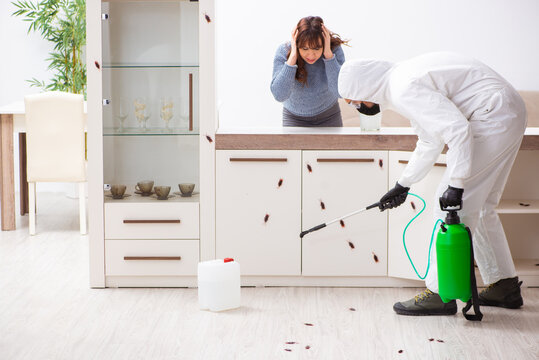
Why Early Identification Matters
Recognizing common household pests early can make the difference between a quick fix and a costly infestation. Many pests reproduce rapidly, meaning a small problem can grow into a major one within weeks if left unchecked.
Watch for these common warning signs:
- Unexplained droppings
- Gnaw marks on furniture or wires
- Strange odors
- Dead insects near windows
- Mud tubes or damaged wood
- Shed insect skins
- Bite marks on family members or pets
- Scratching sounds in walls or ceilings
The sooner you act, the easier it is to prevent serious damage.
Takeaway
Understanding the habits and warning signs of these 15 common household pests is the foundation of effective household pest prevention. Whether you’re dealing with ants in the kitchen, rodents in the attic, termites in wooden structures, or mosquitoes around your yard, early detection and consistent preventive measures can keep your home safe, healthy, and pest-free. By combining good sanitation, routine inspections, moisture control, and proper home maintenance, homeowners can significantly reduce the risk of infestations and avoid costly repairs in the future.Centers for Disease Control and Prevention (CDC) Rodents, Mosquitoes & Disease Prevention https://www.cdc.gov
Frequently Asked Questions (FAQs)
What are the most common household pests?
The most common household pests include ants, cockroaches, rodents, termites, mosquitoes, spiders, flies, bed bugs, silverfish, fleas, pantry moths, wasps, carpenter ants, and earwigs.
What is the best way to prevent household pests?
The best approach combines cleanliness, sealing entry points, eliminating moisture, proper food storage, regular inspections, and maintaining your yard to make your home less attractive to pests.
Are natural pest control methods effective?
Natural repellents such as peppermint oil, vinegar, and neem oil can help deter certain pests, especially when used alongside good sanitation and home maintenance. However, severe infestations may require professional treatment.
How often should I inspect my home for pests?
A thorough inspection every three to six months is a good practice. You should also inspect your home after heavy rains, seasonal changes, or if you notice signs such as droppings, gnaw marks, or unusual insect activity.
When should I call a professional pest control service?
Contact a professional if you have recurring infestations, evidence of termites, large rodent populations, bed bugs, or if DIY prevention methods are no longer effective. Professional intervention can prevent further damage and resolve the problem more efficiently.
Final Thoughts
Keeping household pests out of your home isn’t about relying on a single product or quick fix. It’s about creating an environment where pests can’t find the food, water, or shelter they need to survive.
By following these 15 powerful and proven household pest prevention strategies, you’ll reduce the risk of infestations, protect your family’s health, preserve your home’s value, and enjoy greater peace of mind throughout the year.
Remember, the most effective home pest control begins long before pests appear. A few simple preventive habits today can save you significant time, money, and frustration tomorrow.
About The Author