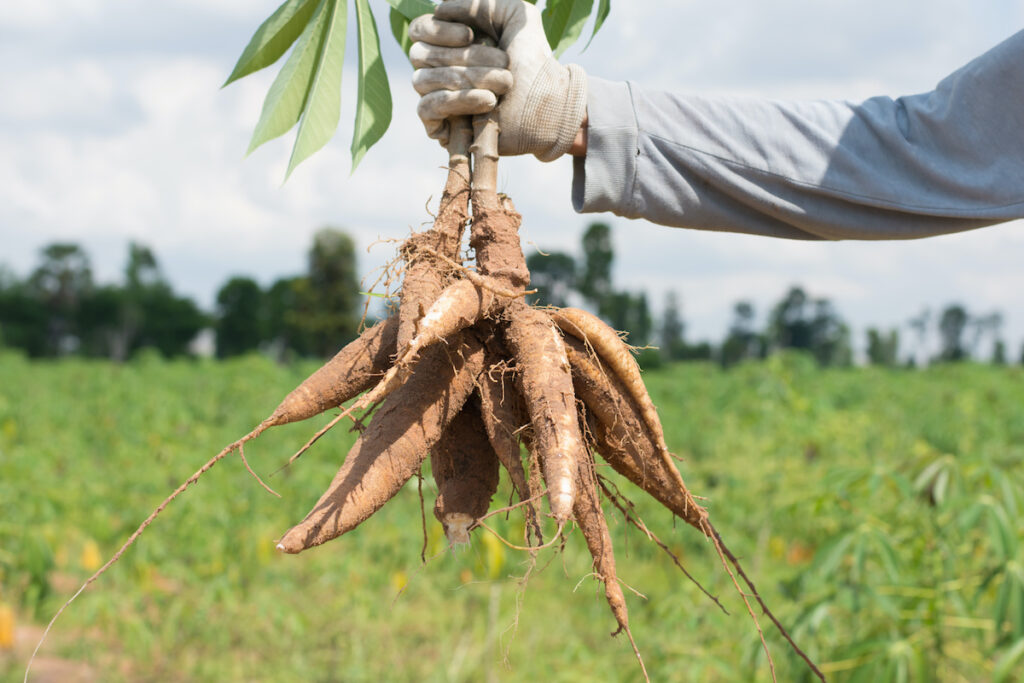
Cassava planting season
However, there is a question that every farmer should answer before investing money, labour, and time in a cassava farm: when is the right time to plant?
Understanding the cassava planting season can make a considerable difference to how well cassava cuttings establish themselves, how quickly young plants grow, how much weed pressure the farmer faces, and ultimately how many roots are harvested. Planting too early, before the soil has sufficient moisture, may cause cuttings to dry out or sprout poorly. Planting too late, especially where the rainy season ends early, may leave the crop struggling with moisture stress during establishment.
The good news is that cassava is adaptable. It can grow across several Nigerian ecological zones when farmers select suitable varieties and manage their farms properly. Nevertheless, its adaptability does not mean that every month is equally suitable for planting in every state.
For example, farmers in the humid southern states may have a longer planting window than farmers in the northern savannah. Some southern locations experience two rainy periods, while much of the north has one main rainy season. Even within the same region, the onset of rainfall can differ from one year to another.
This is why farmers planning for 2027 should not depend entirely on a calendar copied from previous years. They should combine regional planting guidance with actual rainfall conditions, soil moisture, the availability of healthy planting stems, and the expected harvest period.
In this guide, you will learn when to plant cassava in Nigeria, how the planting season differs between northern and southern regions, how to prepare your land, how to choose suitable cassava stems, and how to improve your chances of obtaining a better yield per hectare.
You will also discover seven practical tips that can help small-scale and commercial farmers avoid common mistakes and make more informed decisions throughout the production cycle.
The main lesson is simple: a successful cassava harvest begins with the right planting decision, but it depends on good management from planting until harvest.
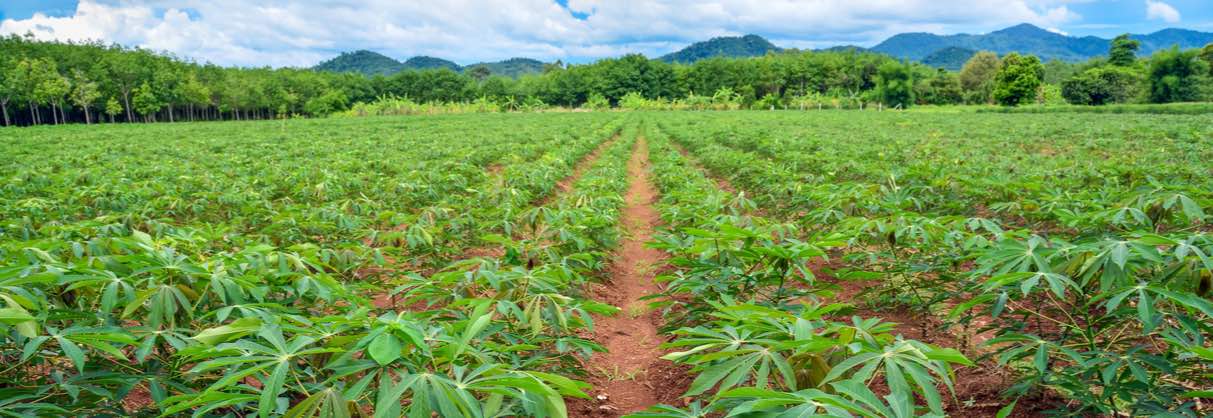
1. Cassava Planting Season in Nigeria: Understanding the Best Time to Plant
The cassava planting season in Nigeria is closely connected to rainfall, soil moisture, local climate, and the type of cassava production system a farmer intends to use.
Cassava is more tolerant of dry conditions than many other staple crops once it has established a strong root system. However, newly planted stem cuttings need sufficient moisture to develop roots and shoots. A cutting that dries out before establishment may fail to produce a healthy plant, leaving gaps in the field and reducing the number of productive plants available at harvest.
For this reason, planting near the beginning of a reliable rainy period is a common and practical strategy in many parts of Nigeria.
The International Institute of Tropical Agriculture (IITA) explains in its illustrated guide to commercial cassava production in Nigeria that planting dates should follow local farming calendars. Its guidance identifies April to May for the major growing season, or August for the minor season in areas with two rainy seasons, while savannah areas generally plant at the beginning of the growing season around May to June.
These are broad planning guidelines, not fixed dates that apply to every farm. Rainfall can arrive earlier or later, and some locations experience dry spells even during the rainy season.
What determines the cassava planting season?
Several factors influence the most suitable planting period.
Rainfall onset: The first rainfall of the year does not always mean that the planting season has safely begun. A single heavy shower followed by several dry weeks may not provide the consistent moisture needed for successful establishment.
Soil moisture: The soil should be moist enough for cuttings to root without becoming waterlogged. Cassava can tolerate some difficult growing conditions, but prolonged waterlogging can damage roots and encourage disease.
Local climate: Farmers in humid forest zones often have a longer growing period than those in drier savannah areas. Their planting calendars should reflect these differences.
Availability of planting material: Farmers need healthy cassava stems at the time of planting. Waiting until the rains are fully established but discovering that good stems are unavailable can cause unnecessary delays.
Farm preparation: Land clearing, ridging where appropriate, access to labour, and weed management should be organised before planting begins.
Market objectives: A farmer producing cassava for household consumption may have different priorities from a commercial farmer supplying a processing factory. Commercial production requires closer coordination between planting, expected maturity, transport, and the buyer’s preferred root quality.
Why planting at the beginning of reliable rains can be beneficial
When moisture is adequate, cassava cuttings have a better opportunity to develop roots and produce shoots. A strong start helps establish a more uniform field, making later operations such as weeding, fertiliser application, and crop monitoring easier to organise.
Early establishment can also help the crop make better use of the growing season. This is particularly important in areas where rainfall declines sharply towards the end of the year.
However, planting too early can be risky if the rains are irregular. Farmers should avoid treating the first shower as a guarantee that sufficient moisture will remain available.
A practical approach is to monitor local rainfall, speak with nearby experienced farmers, and plant when the soil is adequately moist and the likelihood of continued rainfall is reasonable.
2. Cassava Planting Season in Northern and Southern Nigeria
One of the most important considerations in Nigerian cassava farming is the difference between the country’s major ecological zones.
Nigeria stretches from humid coastal areas in the south to drier savannah environments in the north. This variation influences rainfall distribution, soil moisture, crop establishment, weed growth, and the length of time cassava can grow under favourable conditions.
As a result, farmers should not use one planting date for every part of the country.
Cassava planting season in southern Nigeria
Southern Nigeria includes humid forest and forest-transition areas, as well as locations with varying rainfall patterns. States such as Anambra, Imo, Abia, Enugu, Ebonyi, Akwa Ibom, Cross River, Rivers, Delta, Edo, Ondo, Ogun, Osun, Ekiti, Oyo, and Lagos contain areas where cassava is widely cultivated.
In many southern locations, the main planting opportunity begins when the rains become dependable, commonly around March to May. The exact start depends on the state, local climate, and the particular year.
In areas with a pronounced second rainy period, some farmers may also consider a later planting window, often around August, provided there is enough remaining moisture for crop establishment and early growth.
The advantage of the southern growing environment is that some locations have a relatively long period of suitable rainfall. However, farmers should not assume that rainfall will always be evenly distributed.
A mid-season dry spell can affect young cassava plants, while excessive rainfall on poorly drained land can create another set of problems.
Before planting in southern Nigeria, farmers should:
- Observe the onset of reliable rainfall rather than relying on the calendar alone.
- Prepare the land early enough to avoid planting delays.
- Select well-drained soil or suitable ridges where drainage is a concern.
- Keep healthy stem cuttings protected from drying before planting.
- Plan for weed control, because moisture and warm conditions can encourage rapid weed growth.
- Consider whether the location has a dependable second rainy period before planning a second planting cycle.
For a farmer in Anambra State, for instance, the best planting date may differ between a well-drained upland field and a low-lying area that becomes waterlogged after heavy rainfall.
The same principle applies across the southern states: local conditions should guide the final planting decision.
Cassava planting season in northern Nigeria
Northern Nigeria includes a wide range of growing environments, from the wetter Middle Belt and southern parts of the northern states to drier areas farther north.
The main rainy season is generally more concentrated than in many southern locations. This makes planting timing especially important because the period of dependable rainfall may be shorter.
Broad cassava production guidance commonly places planting in northern zones around May to July, with the precise timing determined by local rainfall and ecological conditions.
Farmers should be particularly careful about planting late in the rainy season. If the soil dries before cuttings establish strong roots, plant survival and early growth may suffer.
In drier areas, farmers should also consider the soil’s ability to retain moisture, the availability of planting material, and whether their chosen variety is suitable for the local growing conditions.
Important considerations for northern farmers include:
- Plant when the rainy season has become dependable.
- Avoid planting so late that the crop has insufficient moisture for establishment.
- Select varieties recommended for the local environment.
- Use appropriate soil preparation and weed management.
- Plan labour and planting materials before the main rains arrive.
- Seek local extension advice when rainfall is unusually early, late, or irregular.
Farmers in the Middle Belt may experience conditions that differ significantly from those in the far north. Therefore, a date that works in one northern state should not automatically be applied to every other state.
Why the two regions require different planting decisions
The difference is not simply that southern farmers plant earlier and northern farmers plant later. The more important issue is how long dependable moisture is likely to remain available after planting.
A farmer in a humid southern location may have more flexibility to establish a crop during a suitable rainy period. A farmer in a drier northern location may need to be more precise because a delayed planting date can expose the crop to moisture stress earlier in its development.
Both farmers still need good planting material, appropriate spacing, timely weed control, and adequate soil fertility. Rainfall determines an important part of the opportunity, but it does not guarantee a good harvest by itself.
3. Cassava Planting Calendar in Nigeria for 2027
A cassava planting calendar is useful because it helps farmers organise land preparation, obtain stems, arrange labour, and plan for harvesting.
However, a calendar should be treated as a planning tool rather than a promise about future rainfall. The actual start of the 2027 planting season will depend on weather conditions as the year approaches.
The following table gives broad planning windows for different Nigerian growing environments. Farmers should confirm local dates with agricultural extension officers and adjust them to actual soil moisture and rainfall conditions.
| Region or growing environment | Broad planting window | Main consideration | Practical advice |
|---|---|---|---|
| Humid southern forest areas | Around March–May | Reliable onset of the main rains | Prepare land early and monitor drainage |
| Southern areas with two rainy periods | Around April–May; a possible second window around August | Local rainfall pattern and remaining growing period | Use a second window only where moisture is sufficient |
| Forest-transition areas | Often around April–May, depending on rainfall | Transition between humid and seasonal conditions | Check local rainfall before committing all planting material |
| Middle Belt and wetter savannah areas | Commonly around May–June, sometimes extending into July | Length of the rainy season | Avoid delays that leave the crop with too little establishment moisture |
| Drier northern savannah areas | Often around May–June, depending on local conditions | Shorter dependable rainy season | Prepare early and plant once rains are established |
| Areas experiencing unusual rainfall | Varies | Actual rainfall rather than the normal calendar | Obtain local advice and monitor soil moisture |
Important: These windows are indicative, not a state-by-state forecast for 2027. The onset of rainfall can vary between years and between communities in the same state.
How to use the 2027 planting calendar
Farmers can use the calendar in three stages.
Stage one: Prepare before the rains.
During the weeks leading up to the expected planting period, identify the land, arrange labour, select suitable planting materials, and prepare the field. Do not wait until the rain has fully started before beginning every farm operation.
Stage two: Confirm that conditions are suitable.
Monitor rainfall and soil moisture. If the first rain is followed by a long dry spell, consider delaying planting until the conditions become more dependable.
Stage three: Plant and monitor establishment.
After planting, check the field for cuttings that fail to sprout, signs of moisture stress, pest damage, and early weed growth. Where replacement planting is necessary, use healthy stems and follow local recommendations.
Should farmers plant cassava in January or February?
January and February are generally part of the dry season in many Nigerian cassava-growing areas. Planting during these months can be risky where soil moisture is low and irrigation is unavailable.
Nevertheless, the suitability of any planting date depends on local conditions. A farm with reliable irrigation or an unusual local rainfall pattern may have different options from a rain-fed farm.
For most rain-fed farmers, it is safer to prepare the field during the dry season and plant when dependable moisture is available than to plant simply because the land is ready.
Can cassava be planted in August or September?
In some southern areas with two rainy periods, August may offer another planting opportunity. But this is not a universal recommendation.
September planting may be suitable in some locations, but farmers need to consider when the rains are expected to end, how quickly the variety establishes, and whether enough moisture will remain available.
In drier northern environments, late planting can be particularly risky. Farmers should avoid making decisions based only on what other farmers are doing in a different ecological zone.
The most useful question is not, “Which month is always best?” It is, “Will this field have enough suitable moisture for my cassava cuttings to establish and grow?”
4. Cassava Planting Season and the Seven Powerful Tips for Bigger Harvests
Choosing the right planting period is an essential first step. To obtain a better yield, however, farmers must also manage the crop carefully.
The following seven tips cover some of the most important decisions that influence cassava establishment, root development, and harvest potential.
Tip 1: Choose the right cassava planting season for your location
The first tip is to match your planting date to the local rainfall pattern.
A common mistake is to copy another farmer’s planting date without considering where that farmer operates. Someone farming in a humid southern community may have a longer period of suitable rainfall than a farmer in a drier savannah location.
Before planting, ask yourself:
- Has the rainy season become dependable?
- Is the soil moist enough for rooting?
- Is the field likely to remain moist during early establishment?
- Does the selected variety suit the local growing conditions?
- Is enough time available for the crop to develop before the expected harvest?
- Can the farm be weeded and maintained during the first few months?
If the answers suggest that the field is ready, planting can proceed according to local recommendations.
If rainfall remains irregular, waiting for more dependable moisture may be wiser than losing planting material to poor establishment.
Why early establishment matters
Cassava needs time to develop a healthy root system and a strong canopy. Plants that establish successfully are better positioned to use available nutrients and moisture.
Poor establishment can leave gaps in the field. Even when the surviving plants grow well, the missing plants may reduce the number of harvestable roots per hectare.
A well-timed planting date therefore supports more uniform crop growth and makes later farm management more efficient.
Tip 2: Select healthy cassava stems and suitable varieties
The second tip is to pay attention to planting material.
Cassava is commonly propagated using stem cuttings rather than seeds. The quality of those cuttings influences how well the crop establishes.
Using weak, damaged, dried-out, or diseased stems can reduce sprouting and leave the farm with an uneven plant population.
Good planting stems should generally come from healthy, mature cassava plants that show no obvious signs of disease or serious pest damage. They should be fresh enough to retain the moisture needed for establishment.
When preparing cuttings:
- Select healthy stems from vigorous plants.
- Avoid stems with visible disease symptoms or serious insect damage.
- Make clean cuts rather than crushing or splitting the stem.
- Use the cutting length and number of nodes recommended for the variety and local production system.
- Protect stems from prolonged exposure to direct sunlight and drying winds.
- Avoid keeping cut stems in storage for unnecessarily long periods.
- Obtain planting material from a reliable source whenever possible.
The variety also matters. Farmers should choose varieties suited to their ecological zone and production goals, including root yield, maturity period, disease resistance, and intended use.
For example, a farmer supplying a processing business may need a variety with characteristics preferred by that buyer. A farmer producing for household consumption may prioritise taste, processing quality, or a combination of food and market requirements.
There is no single variety that is automatically best for every farmer, soil, climate, and market.
Before investing in large quantities of stems, ask local agricultural extension officers or trusted cassava planting-material suppliers which varieties have been evaluated for the area.
Tip 3: Prepare the land properly before the cassava planting season
Land preparation influences how easily cassava roots can develop and how efficiently farmers can plant, weed, and harvest their crops.
Cassava roots expand underground. Very compacted soil, severe drainage problems, or unsuitable field conditions can interfere with root development and make harvesting difficult.
Start by assessing the field before clearing it.
Consider:
- Drainage: Avoid areas where water remains standing for long periods.
- Soil texture: Cassava generally benefits from soil that allows root development without excessive compaction.
- Soil fertility: Assess whether the field requires organic matter, fertiliser, or other soil amendments.
- Slope and erosion: Take measures to reduce the movement of topsoil on sloping land.
- Weed history: Fields dominated by persistent weeds may require additional preparation.
- Access: Make sure the farm can be reached for weeding, transporting inputs, and harvesting.
The need for ridges, mounds, or flat planting depends on the field, soil conditions, drainage, equipment, and local recommendations.
Ridges can be useful where drainage and root lifting are important, but they are not automatically necessary on every farm. Poorly designed ridges on sloping land may also increase erosion.
Avoid burning crop residues indiscriminately or removing all organic matter when it could help maintain soil quality. Where practical, use suitable organic materials and soil-conservation practices to support long-term productivity.
Tip 4: Use appropriate spacing to improve cassava yield per hectare
Spacing determines how many cassava plants can grow within a given area and how they compete for sunlight, water, nutrients, and space.
If plants are too close together, they may compete excessively and produce smaller roots under some conditions. If plants are too far apart, the crop may take longer to cover the soil, leaving more space for weeds.
The appropriate spacing depends on the variety, whether the crop is grown alone or intercropped, soil fertility, available moisture, and the farmer’s production objectives.
For illustration, spacing of 1 metre between rows and 1 metre between plants gives a theoretical population of about 10,000 planting positions per hectare.
This calculation assumes a hectare of 10,000 square metres and does not account for paths, headlands, missing plants, or other field features.
| Row spacing | Plant spacing | Theoretical plants per hectare |
|---|---|---|
| 1.0 m | 1.0 m | 10,000 |
| 1.0 m | 0.8 m | 12,500 |
| 0.8 m | 0.8 m | 15,625 |
| 1.0 m | 1.2 m | About 8,333 |
These figures are mathematical examples, not universal planting prescriptions. Farmers should use the spacing recommended for their variety and production system.
When planting cassava with maize, legumes, or other crops, spacing needs additional attention because the companion crop also uses light, water, and nutrients.
Good spacing should make it easier to maintain a healthy stand, manage weeds, and obtain roots of suitable size and quality.
Tip 5: Control weeds early during the cassava planting season
Weed management is one of the most important factors affecting cassava productivity.
Cassava often grows slowly during the early establishment period. Before the plants develop a canopy that shades the soil, weeds can compete strongly for nutrients, water, sunlight, and growing space.
A field that looks green and healthy from a distance may still contain serious competition beneath the cassava plants.
The International Institute of Tropical Agriculture’s six-step cassava weed-management guidance highlights the importance of combining field selection, land preparation, planting arrangement, and timely weed control.
A practical weed-management plan should begin before planting and continue until the cassava canopy is sufficiently developed.
Important actions include:
- Clear the field in a manner appropriate to the vegetation and local conditions.
- Avoid unnecessary delays between land preparation and planting.
- Inspect the farm regularly during early growth.
- Remove weeds before they become large and difficult to control.
- Pay attention to persistent grasses and other perennial weeds.
- Use appropriate tools and safe practices when applying approved herbicides.
- Follow product labels and local agricultural advice carefully.
Some farmers plan weeding operations around approximately four, eight, and twelve weeks after planting. This is a useful starting framework, not a rigid schedule for every field.
Actual timing should depend on weed pressure, rainfall, soil conditions, the growth rate of cassava, and the effectiveness of earlier operations. Some farms require additional interventions.
Do not wait until weeds have become taller than the cassava before acting. By that stage, competition may already have reduced crop growth.
Tip 6: Maintain soil fertility and manage water properly
Cassava is often described as a hardy crop because it can grow under conditions that are difficult for some other crops. However, its ability to survive poor conditions should not be confused with an ability to produce high yields without adequate nutrients.
A crop can survive and still produce disappointing quantities of roots.
Cassava requires nutrients for leaf growth, stem development, and root formation. Nutrient needs vary with the soil, variety, crop duration, expected yield, and previous land use.
Where possible, conduct a soil test before making substantial fertiliser investments. A soil test can help identify nutrient deficiencies and avoid applying inputs that are unnecessary or poorly matched to the field.
Good soil-fertility practices may include:
- Applying fertiliser according to local recommendations and the condition of the soil.
- Returning suitable organic matter to the field where practical.
- Using appropriate crop rotations or intercrops to support the production system.
- Preventing severe erosion that removes nutrient-rich topsoil.
- Avoiding excessive fertiliser application, which can waste money and may harm the environment.
- Keeping records of input costs and crop performance to improve future decisions.
The balance of nutrients matters. Excessive use of one nutrient does not automatically correct deficiencies in others, and the wrong fertiliser rate may not produce the expected return.
Water management is equally important. Cassava can tolerate periods of limited moisture after establishment, but prolonged drought during sensitive growth stages can reduce productivity. At the other extreme, prolonged waterlogging can damage roots.
Farmers should therefore aim for adequate moisture and suitable drainage rather than simply maximising the amount of water in the field.
Tip 7: Monitor pests and diseases throughout the cassava production cycle
The final tip is to monitor the crop regularly instead of waiting until visible damage becomes severe.
Cassava can be affected by diseases and pests that reduce plant vigour, interfere with leaf development, damage planting material, or limit root production.
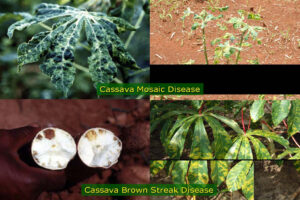
Important concerns in Nigeria include cassava mosaic disease, cassava bacterial blight, mealybugs, and mites, although the pests and diseases present can vary by location and season.
Farmers should inspect leaves, shoots, stems, and the general appearance of the field. Look for unusual leaf patterns, distorted growth, wilting, weak plants, and differences between neighbouring plants.
When symptoms appear:
- Identify the problem before selecting a treatment.
- Remove or manage infected planting material according to local recommendations.
- Use healthy, suitable planting stems.
- Select varieties with relevant resistance where available.
- Keep the field clean and manage weeds appropriately.
- Seek advice from an agricultural extension officer when the cause is uncertain.
- Avoid applying pesticides without confirming that they are appropriate for the problem and crop.
Good crop monitoring is particularly valuable during the early stages of growth because it can reveal problems while corrective action is still possible.
The aim is not to eliminate every insect or every imperfect leaf. It is to prevent serious pest and disease problems from undermining the crop’s productive potential.
5. Cassava Production in Nigeria: Common Planting Mistakes to Avoid
Even when farmers know the recommended planting season, several avoidable mistakes can reduce the success of a cassava farm.
Understanding these mistakes is important because some of them involve unnecessary expenses, while others create losses that may not become obvious until harvest.
Planting after the first rainfall without checking soil moisture
The first rain can create excitement among farmers who are eager to begin the season. However, an early shower followed by a prolonged dry spell may not provide suitable conditions for rooting.
Better approach: Monitor the rainfall pattern and plant when moisture is sufficiently dependable.

Using dried or diseased stems
Poor planting material may fail to establish, reducing the number of productive plants in the field.
Better approach: Select healthy stems, handle them carefully, and protect them from drying.
Delaying weed control
Weeds compete with young cassava plants and can make later weeding more difficult and expensive.
Better approach: Plan weed control before planting and monitor the farm frequently during early growth.
Applying fertiliser without understanding the soil
Buying expensive fertiliser does not guarantee a better harvest. The wrong nutrient balance or application rate may provide little benefit.
Better approach: Use soil testing where available and seek location-specific recommendations.
Planting unsuitable varieties
A variety that performs well in one location may not be ideal for another location or market.
Better approach: Select varieties based on local growing conditions, disease risks, maturity, and intended use.
Ignoring drainage
Cassava can suffer when roots remain in saturated soil for extended periods.
Better approach: Assess the field before planting and use appropriate drainage or land preparation practices.
Harvesting without considering the market
A farmer may obtain good roots but struggle to sell them profitably if harvesting is poorly coordinated with buyers or processing facilities.
Better approach: Understand the expected harvest period, buyer requirements, transport costs, and local demand before planting on a commercial scale.
6. Cassava Yield per Hectare: What Determines a Bigger Harvest?
Cassava yield per hectare refers to the quantity of cassava roots harvested from one hectare of cultivated land. One hectare is equivalent to 10,000 square metres.
Farmers often want to know how many tonnes they can expect from a hectare. The honest answer is that yield varies considerably.
Rainfall, soil fertility, planting material, variety, weed pressure, pest and disease management, plant population, crop duration, and harvesting practices all influence the final result.
For this reason, a single yield figure should not be presented as a guaranteed outcome for every Nigerian farmer.
Understanding yield potential versus actual yield
Yield potential describes what a crop may produce under favourable conditions and suitable management. Actual farm yield reflects the conditions the farmer experiences in the field.
A variety with high yield potential may perform poorly when planted with unhealthy stems, established in unsuitable soil, or left competing with weeds.
Similarly, a farmer using a moderate-yielding variety may achieve a satisfactory result through timely planting, suitable spacing, strong establishment, and effective crop management.
The objective should be to improve the factors that the farmer can control rather than depend entirely on the advertised potential of a variety.
An illustrative cassava yield calculation
Consider a farmer who harvests 15 tonnes of cassava roots from one hectare. The farm’s measured yield is 15 tonnes per hectare.
If the farmer harvests 20 tonnes from the same cultivated area in a later season, the yield has increased by five tonnes per hectare, or approximately 33.3%.
These figures are illustrations of how yield is calculated, not predictions of what a particular farmer will harvest.
A useful farm record should include:
- Total area planted.
- Variety and source of stems.
- Planting date.
- Plant spacing.
- Fertiliser and other input costs.
- Number and timing of weeding operations.
- Major pest or disease problems.
- Harvest date.
- Total weight of roots harvested.
- Price received and transport costs.
With these records, farmers can compare seasons and identify which practices appear to offer the best returns.
Why higher yield does not always mean higher profit
Commercial farmers should distinguish between biological yield and financial performance.
A farmer may increase production by investing in more fertiliser, hired labour, herbicides, or improved planting material. If the additional harvest does not cover the extra costs, the investment may not improve profit.
For example, if a farmer spends significantly more on inputs but receives only a small increase in saleable roots, the financial return may be disappointing.
The best production strategy balances yield, cost, quality, and market access. It aims to increase the quantity of saleable cassava without creating unnecessary expenditure.
7. How to Increase Cassava Yield per Hectare in Nigeria
Farmers seeking better cassava yields should concentrate on the production practices that have the greatest influence on crop establishment and growth.
These practices work together. Improved planting material cannot compensate fully for severe weed competition, and fertiliser may not deliver its full benefit when the crop is poorly established.
Start with healthy, uniform planting material
A strong crop begins with cuttings that can establish successfully. Healthy stems, suitable cutting preparation, and careful handling help reduce gaps and uneven growth.
Choose an appropriate plant population
Spacing should suit the variety, cropping system, and local conditions. Too few plants may leave the soil exposed to weeds, while excessive plant density can increase competition.
Control weeds at the right time
Weed control during early growth is especially important because cassava has not yet developed a canopy that shades the ground.
Farmers should plan labour and equipment before planting so that weeding is not delayed by avoidable shortages.
Improve soil fertility responsibly
Where soil nutrients are limiting, suitable fertiliser or organic amendments can help the crop grow more effectively. The correct choice depends on soil conditions and the production system.
Monitor crop health
Early identification of diseases, pests, and poor growth gives farmers more time to respond. Healthy planting material and varieties with relevant resistance can also reduce some production risks.
Harvest at a suitable time
Cassava maturity varies by variety and growing conditions. Harvesting too early may limit root size, while delaying harvest without a clear reason can expose the crop to additional risks or interfere with the next production cycle.
Farmers should consider the variety’s maturity characteristics, the intended market, root quality, and buyer requirements when deciding when to harvest.
Learn from field results
A farmer who records planting dates, management practices, costs, and harvested quantities can make more informed decisions in the next season.
Rather than changing every farming practice at once, it can be useful to compare clearly defined approaches on small areas of land before adopting them across the whole farm.
8. Cassava Planting Season and Intercropping: Can Farmers Grow Other Crops?
Intercropping means growing two or more crops on the same field during part or all of their growing periods.
Cassava is sometimes intercropped with crops such as maize or legumes, depending on local conditions and the farmer’s objectives.
Intercropping may help farmers obtain food or income before cassava is harvested. It can also spread production risk by providing more than one crop from the same field.
However, intercropping requires careful planning because crops compete for sunlight, water, nutrients, and space.
Potential advantages of intercropping
- It may provide an additional harvest from the same land.
- It can improve the use of available land and labour.
- It may diversify income and reduce dependence on one crop.
- Some cropping combinations may help with soil cover or other farm-management objectives.
Possible disadvantages
- Poorly planned combinations may reduce cassava root production.
- Dense companion crops can compete with cassava for light and nutrients.
- Different crops may require different planting and weeding schedules.
- Harvesting and field access may become more complicated.
Farmers should select compatible crops and use locally recommended arrangements. The correct spacing and timing will depend on the crops involved and the production system.
For commercial cassava grown mainly for root production, farmers should evaluate whether intercropping is likely to improve total farm returns rather than assume that more crops automatically mean more profit.
9. Cassava Planting Season and Soil Selection: What Type of Land Is Best?
Land selection deserves attention before the farmer purchases stems or hires labour.
Cassava can grow in different soil types, but good root development generally benefits from soil that is sufficiently deep, well drained, and not excessively compacted.
A field with severe drainage problems may remain wet for too long after heavy rainfall. A highly compacted field may restrict root expansion and make harvesting more difficult.
Before choosing land, examine the following characteristics.
Soil texture: Sandy loam and other suitable, well-structured soils can support root development. The best choice depends on local conditions and soil fertility.
Drainage: Water should not remain standing around the root zone for prolonged periods.
Soil depth: Adequate rooting depth supports underground root development.
Erosion risk: Sloping land may need conservation measures to protect topsoil and nutrients.
Previous land use: The field’s cropping history can help reveal weed problems, soil limitations, and previous pest or disease concerns.
Access to the farm: A field that is difficult to reach may increase the cost of transporting stems, fertiliser, labour, and harvested roots.
Farmers should also consider whether the land can support a complete production cycle. Cassava may remain in the field for many months, so access to the land and arrangements for harvest are important.
10. Cassava Planting Season and the Best Time to Harvest
Planting and harvesting are closely connected. Farmers should consider the expected harvest period before deciding when to plant.
Cassava maturity varies by variety, location, rainfall, soil conditions, and management. Some varieties can be harvested earlier than others, while certain production systems allow the crop to remain in the ground longer.
The expected harvest date matters for several reasons.
First, it helps the farmer estimate how long the land will be occupied. Second, it allows labour and transport to be arranged. Third, it helps coordinate sales with market demand and processing requirements.
What farmers should consider before harvesting
- The maturity characteristics of the selected variety.
- Whether roots have reached a suitable size for the intended use.
- The condition of the field and accessibility during the planned harvest.
- The buyer’s preferred root size, quality, and delivery schedule.
- The cost of harvesting, loading, and transport.
- Whether the next planting cycle requires the field.
A farmer supplying a processing facility should coordinate harvest with the buyer whenever possible. This can reduce the risk of harvesting roots that cannot be transported or processed promptly.
Farmers producing cassava for household consumption may have more flexibility, but they should still monitor the crop and avoid assuming that every variety reaches maturity at the same time.
11. Cassava Farming in Nigeria: Planning for Better Returns in 2027
Cassava farming can support household food supplies and commercial income, but successful production requires planning beyond the planting date.
Farmers should consider input costs, expected yields, market access, and the time between planting and receiving income.
Prepare a simple farm budget
Before planting, estimate the main expenses:
- Land clearing and preparation.
- Cassava stems.
- Planting labour.
- Weeding and crop maintenance.
- Fertiliser and other inputs.
- Pest and disease management.
- Harvesting.
- Transport and marketing.
The costs will differ depending on the size of the farm, the location, whether labour is hired, and the equipment available.
Farmers should use current local prices rather than rely on figures from an old article or another state.
Understand the market before planting
Cassava roots may be sold to traders, processors, food vendors, or other buyers. The best marketing arrangement depends on the location, quantity available, quality requirements, and transport costs.
Before expanding production, investigate:
- Who buys cassava in the area.
- Whether buyers collect from the farm or require delivery.
- What root quality and quantities they prefer.
- How prices change during the year.
- How quickly roots need to be delivered after harvest.
- Whether processing facilities are accessible.
These questions help farmers plan a production system that fits real market opportunities.
Keep records for the next planting season
Farm records do not need to be complicated. A notebook or spreadsheet can be enough.
Record the planting date, variety, stem source, spacing, input costs, weeding dates, harvest quantity, and sales revenue. Over time, these records can reveal which practices provide the most useful results.
The goal is not simply to produce more cassava. It is to produce saleable cassava efficiently and profitably.
12. Cassava Planting Season: A Month-by-Month Farm Preparation Plan for 2027
Farmers who prepare before the planting season are often in a better position to establish their crops on time. Instead of waiting for the first heavy rainfall before arranging every activity, use the months before planting to organise materials, labour, and finances.
The following plan is a general guide for rain-fed cassava production. Adjust it to the expected planting window in your location.
January: Review the previous farming season
January can be a useful planning month in many cassava-growing areas, especially where the dry season provides an opportunity to assess land and organise resources.
Activities may include:
- Reviewing the previous harvest and identifying practices that worked well.
- Estimating the amount of land available for the next crop.
- Comparing potential cassava varieties and their intended uses.
- Investigating the cost and availability of planting stems.
- Preparing a preliminary farm budget.
- Identifying likely buyers and processing opportunities.
Farmers should not rush into dry-season planting without sufficient moisture. Where irrigation is unavailable, January is often better used for preparation than for planting.
February: Arrange planting materials and assess the field
In some southern locations, February may be close to the transition towards the rainy season. However, actual rainfall conditions differ considerably.
Use this period to inspect the field, arrange labour, identify weed problems, and source suitable planting materials.
If you are buying stems, make sure you understand their variety, health status, and suitability for your location. Buying poor-quality stems simply because they are cheap can create problems throughout the production cycle.
March: Monitor rainfall and prepare for planting where appropriate
March may be suitable for preparing or planting in some southern locations, depending on the arrival of dependable rainfall.
Farmers should assess soil moisture before committing their stems to the field.
Where the soil remains dry, continue preparing the land and monitor conditions. Where rainfall has become dependable and the soil is suitable, planting may proceed according to local guidance.
April: Main planting opportunity in many southern locations
April is commonly part of the main planting period in several southern cassava-growing areas.
Farmers who have prepared their land and obtained healthy stems can establish their crop when conditions are suitable.
After planting, inspect the field to confirm that cuttings are sprouting and that weeds are not becoming established faster than the crop.
May: Planting activity expands into additional regions
May is an important planting period in many parts of Nigeria, including southern areas and locations farther inland where the rainy season is becoming established.
Farmers in the Middle Belt and northern zones should use local rainfall conditions to determine whether the field is ready.
This is also a useful time to ensure that labour has been arranged for the early weed-control period.
June: Continue planting where the rainy season remains suitable
June may still fall within the planting window in many savannah and northern environments.
However, farmers should consider the expected end of the rainy season before planting. A late start may leave insufficient moisture for successful establishment.
The decision should reflect the location, variety, soil moisture, and expected crop duration.
July and August: Evaluate remaining planting opportunities
In some locations, July may still be appropriate for planting cassava. In southern areas with a second rainy period, August may provide another opportunity.
These months should not be treated as universal planting recommendations. Farmers need to evaluate how much growing time and moisture remain available.
Where the rainy season is already declining, late planting may increase the risk of poor establishment.
September to December: Monitor established crops and plan ahead
For many rain-fed farmers, these months are more useful for managing established cassava, monitoring pests and diseases, controlling weeds where necessary, and preparing for later harvesting.
In areas with suitable moisture or irrigation, planting may still be possible under specific conditions. However, farmers should not assume that late-year planting will succeed everywhere.
The most important lesson is to match farm activities to the local growing season rather than force every region into the same calendar.
13. Cassava Planting Season: How Climate Change Can Affect Planting Decisions
Rainfall patterns are important to cassava farmers, and changing weather conditions can make planting decisions more complicated.
A farmer may remember that the rains usually begin in a particular month. However, the onset may shift from one year to another, or a promising start may be followed by a dry spell.
Heavy rainfall can also create challenges. Flooding, soil erosion, and waterlogged fields may damage crops or interfere with land preparation.
This means that historical planting dates remain useful, but they should not replace observation of current conditions.
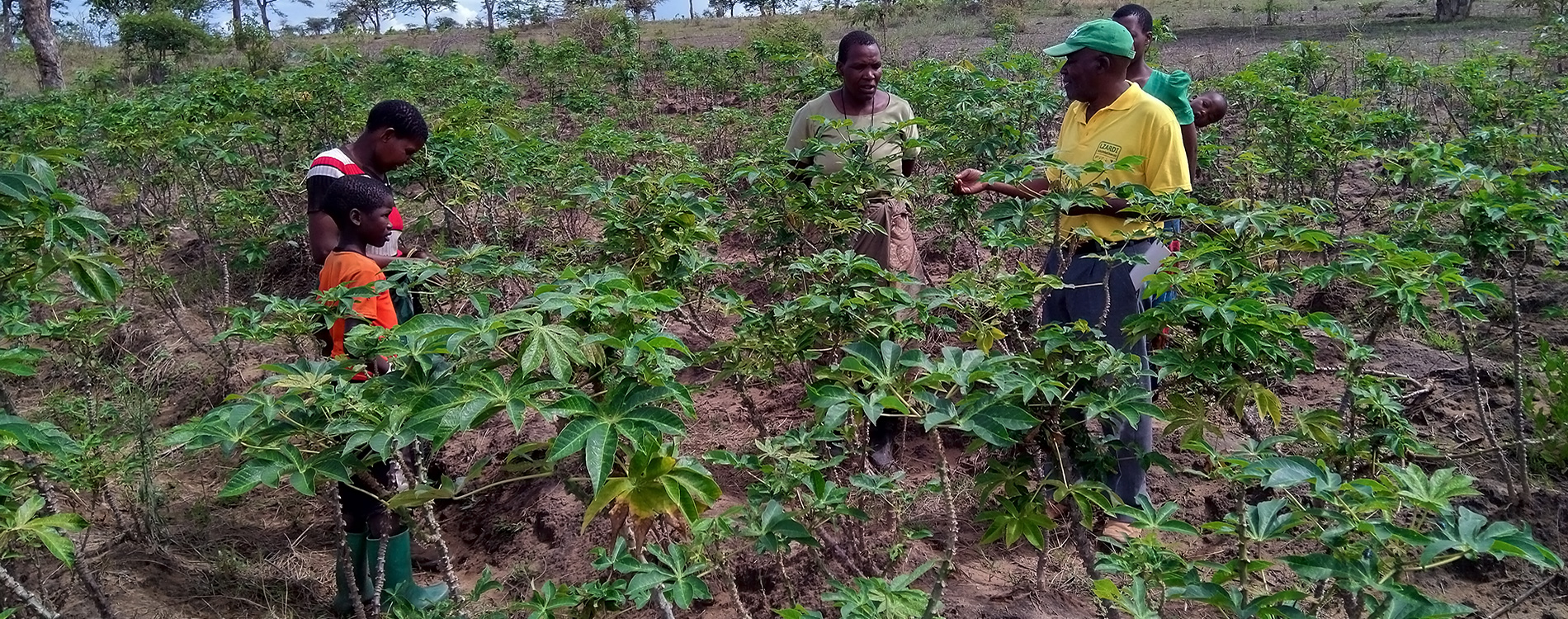
Practical ways farmers can manage rainfall uncertainty
Observe rainfall patterns. Keep simple records of when meaningful rains begin, whether dry spells occur, and when the rains usually decline.
Prepare the farm early. Having the land ready before the expected planting period allows farmers to respond when suitable conditions arrive.
Protect planting materials. Healthy stems should be handled and stored carefully to minimise drying and damage before planting.
Improve drainage where necessary. Fields that regularly become waterlogged may need appropriate land preparation or drainage measures.
Avoid unnecessary planting delays. Once conditions are suitable, delays caused by poor planning can shorten the effective growing period.
Seek local weather and extension advice. Farmers should use available forecasts as supporting information and combine them with local field observations.
No planting calendar can eliminate weather risk. The objective is to make a well-informed decision using the best information available at the time.
14. Cassava Planting Season: Frequently Asked Questions
What is the best month to plant cassava in Nigeria?
There is no single best month for every part of Nigeria. Many southern locations plant around March to May, while northern and savannah areas commonly plant around May to June, sometimes extending into July where conditions permit. The right period depends on the onset of dependable rainfall, soil moisture, local climate, and the selected variety.
When should I plant cassava in southern Nigeria?
In many southern locations, planting begins when the main rainy season becomes dependable, commonly around March to May. Some areas have a second rainy period that may provide another planting opportunity. Farmers should assess their specific location and drainage conditions before planting.
When should I plant cassava in northern Nigeria?
Many northern and savannah locations use a planting window around May to July, with the most suitable period depending on rainfall. Farmers in drier areas should be especially careful about planting late, because the remaining moisture may not be sufficient for establishment.
Can cassava be planted throughout the year?
Cassava can be planted outside the main planting period under suitable conditions, including where irrigation or dependable moisture is available. However, year-round planting is not equally practical in all locations. Rain-fed farmers should generally prioritise a reliable planting window.
What happens if cassava is planted too late?
Late planting may expose young cassava to moisture stress if the rains end before the crop establishes properly. It may also shorten the favourable growing period. The risk depends on the location, variety, soil, and rainfall pattern.
How long does cassava take to mature?
The time to maturity varies by variety, growing conditions, and intended use. Some varieties mature earlier than others, and harvesting recommendations should be based on the variety’s characteristics and local advice. Farmers should not assume that every cassava crop is ready for harvest at the same age.
How many cassava plants fit on one hectare?
The number depends on the spacing used. For example, planting at 1 metre by 1 metre gives approximately 10,000 theoretical planting positions per hectare. Different varieties and production systems may require different spacing, and the actual number of established plants can be lower.
What is a good cassava yield per hectare in Nigeria?
Yield varies widely with planting material, variety, rainfall, soil fertility, plant population, weed management, and crop duration. Farmers should compare their results with local benchmarks and focus on improving the factors they can control rather than relying on a single national figure as a guaranteed target.
Does fertiliser increase cassava yield?
Fertiliser can improve yield when nutrient availability limits crop growth and the fertiliser is appropriate for the soil. However, it cannot compensate fully for poor planting material, severe weed competition, unsuitable planting dates, or major pest and disease problems. Soil testing and local recommendations can help farmers use fertiliser more effectively.
Should cassava be planted on ridges or flat land?
The appropriate method depends on soil drainage, soil structure, slope, available equipment, and local recommendations. Ridges may help in some situations, especially where drainage or harvesting is a concern, but they are not automatically the best choice for every field.
How can farmers reduce cassava production costs?
Farmers can improve cost management by planning land preparation, obtaining suitable planting materials early, scheduling weed control, monitoring crop health, recording input costs, and coordinating harvesting with buyers. The cheapest input is not always the best value if it reduces crop establishment or creates additional problems later.
15. Cassava Planting Season: Final Thoughts for a Successful 2027 Harvest
The cassava planting season is one of the most important decisions farmers make when planning a new crop. Planting at a suitable time gives cassava cuttings a better opportunity to establish, grow, and use the available moisture.
However, the best planting date depends on where the farm is located. Southern Nigeria often has a longer planting window, while many northern and savannah areas require closer attention to the timing and duration of rainfall. Farmers should use regional planting calendars as a guide and adjust their decisions to actual field conditions.
The seven practical tips discussed in this article provide a useful foundation for improving cassava production:
- Choose a planting date that matches dependable local rainfall.
- Use healthy planting stems and suitable varieties.
- Prepare the land properly before planting.
- Use spacing appropriate for the variety and production system.
- Control weeds early and consistently.
- Maintain soil fertility and manage water properly.
- Monitor pests and diseases throughout the production cycle.
Farmers should also remember that higher yields do not automatically mean higher profits. Input costs, labour, harvesting, transport, root quality, and market access all influence the financial result.
For the 2027 farming season, start planning early, pay attention to local rainfall, obtain reliable planting materials, and organise weed management before the crop goes into the ground. Keep records of what you do and how much you harvest so that each season provides useful lessons for the next.
A good cassava harvest rarely comes from one decision alone. It is the result of several sound decisions made at the right time and followed through with consistent farm management.
The best time to plant cassava is when your local conditions are suitable and your farm is ready to support the crop from establishment to harvest.
About The Author