Healthy Fruits
There is something remarkably simple about fruit.
You can wash an apple and eat it on the way to work. You can peel an orange after lunch. You can slice a banana into breakfast, enjoy a bowl of papaya in the afternoon, or eat fresh guava when you want something sweet without reaching for a highly processed snack.
Yet behind that simplicity is an impressive collection of nutrients.
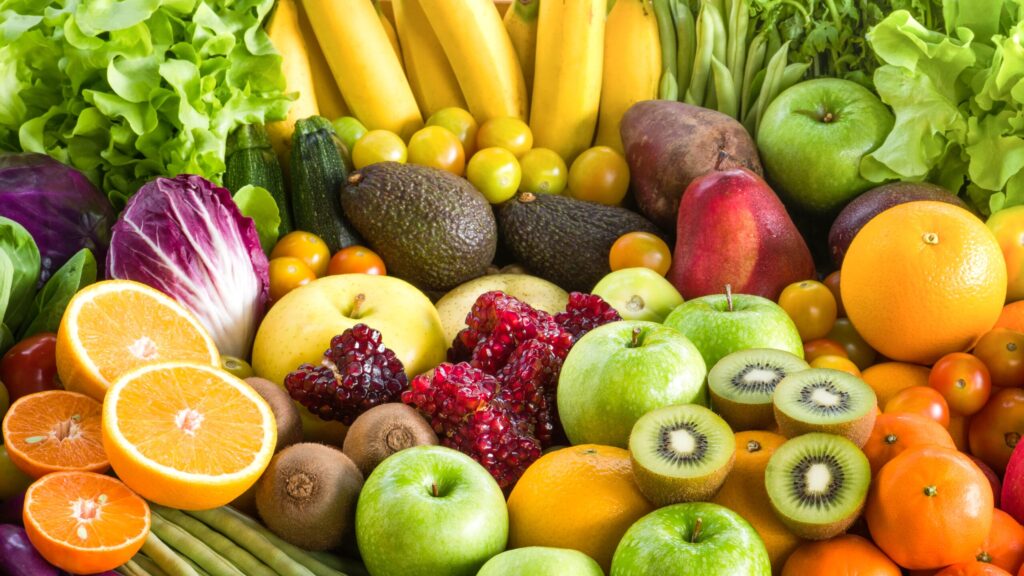
Healthy fruits provide combinations of dietary fiber, vitamins, minerals, water and naturally occurring plant compounds. Different fruits offer different nutritional strengths, which is one reason eating a variety of fruits can be more useful than searching for one “perfect” fruit.
Research consistently associates higher fruit and vegetable consumption with better health outcomes, particularly cardiovascular health. Large systematic reviews have found associations between greater fruit and vegetable intake and lower risks of cardiovascular disease and premature mortality, although these studies are primarily observational and cannot prove that fruit alone causes those outcomes.
That distinction matters.
Eating fruit is not a magic shield against disease. It does not replace medical treatment, exercise, sleep or a balanced diet. But adding a variety of nutrient-rich fruits to an otherwise balanced eating pattern is a practical way to improve diet quality.
The more interesting question, therefore, is not simply:
“Are fruits healthy?”
The better question is:
Which fruits give you the widest range of useful nutrients, and how can you realistically include them in your everyday meals?
That is what this guide explores.
We will look at eight best fruits that can fit naturally into everyday eating, what makes each one nutritionally interesting, how they may support different aspects of health, and how to enjoy them without turning healthy eating into a complicated project.

Healthy Fruits: What Makes a Fruit a Good Everyday Choice?
Before discussing individual fruits, it helps to understand what nutrition experts actually mean when they talk about nutrient-rich foods.
A fruit does not need to contain enormous amounts of every vitamin and mineral to be valuable. Instead, its overall nutritional package matters.
When considering healthy fruits, look for several characteristics.
Healthy Fruits: 1. Dietary Fiber
Fiber is one of the most important reasons whole fruit deserves a regular place in the diet.
Unlike many refined carbohydrate foods, whole fruits naturally contain fiber. Fiber contributes to digestive health, can help with feelings of fullness and plays an important role in overall dietary quality.
A large meta-analysis examining dietary fiber intake found that higher fiber consumption was associated with lower risks of all-cause mortality, cardiovascular mortality and cancer mortalit
This does not mean that eating one high-fiber fruit prevents disease. Rather, it demonstrates why fiber-rich foods are an important part of a healthy dietary pattern.
Healthy Fruits: 2. Vitamins and Minerals
Fruits can supply nutrients such as:
- Vitamin C
- Folate
- Potassium
- Vitamin K
- Vitamin A-related carotenoids
- Vitamin B6
- Magnesium and other minerals in smaller amounts
The exact nutritional profile varies considerably from one fruit to another.
For example, citrus fruits and guava are particularly notable for vitamin C, while bananas provide potassium and vitamin B6. Avocado is unusual among fruits because it contains substantial amounts of monounsaturated fat.
Healthy Fruits: 3. Antioxidants and Plant Compounds
Many fruits contain naturally occurring compounds such as carotenoids, flavonoids and other polyphenols.
These compounds are often described as antioxidants or phytochemicals.
Rather than thinking of antioxidants as a magical substance that “cleans toxins from the body,” it is more accurate to think of them as part of the complex collection of plant compounds found in whole foods.
Different colors often indicate different plant compounds, which is another reason variety matters.
Healthy Fruits: 4. Water
Many fruits contain a substantial amount of water.
That makes fruits useful contributors to overall hydration, although drinking water remains the primary way to meet hydration needs.
Water-rich fruits such as oranges, watermelon and papaya can be especially refreshing in hot weather.
Healthy Fruits: 5. Nutrient Density
A useful everyday food does not have to be extremely low in calories.
Instead, nutrient density asks a broader question:
How many useful nutrients do I get from this food relative to the energy it provides?
Many whole fruits provide vitamins, minerals, fiber and water alongside naturally occurring sugars.
That combination makes them very different from foods that primarily provide added sugar with few other nutrients.
Healthy Fruits: 8 Best Fruits to Eat Every Day
There is no universally agreed scientific ranking that says one fruit is objectively “number one.”
The eight below are selected because they offer different nutritional advantages, are relatively accessible, and can fit into a wide range of diets.
The goal is not to eat all eight every day.
The goal is to understand their strengths and rotate them.
Healthy Fruits #1: Guava — A Fiber and Vitamin C Powerhouse
Guava deserves far more attention when people discuss best fruits for health.
It is particularly interesting because it combines substantial dietary fiber with a very high vitamin C content.
USDA-derived nutrition data report approximately 5.4 grams of fiber and more than 200 mg of vitamin C per 100 grams of raw guava, although actual values can vary by variety and serving size. (NutritionRef)
That makes guava one of the most nutrient-dense choices on this list.
Healthy Fruits: Why Guava Is So Interesting
Guava can contribute to:
- Dietary fiber intake
- Vitamin C intake
- Potassium intake
- Folate intake
- Overall fruit variety
Vitamin C is important for normal immune function, collagen formation and antioxidant protection.
However, it is important to phrase this correctly.
Eating guava does not “boost immunity” in the sense of making someone immune to infections. Rather, adequate vitamin C intake helps the immune system function normally.
That distinction separates responsible nutrition information from exaggerated health claims.
Healthy Fruits: How to Eat Guava
Fresh guava can be eaten:
- Whole
- Sliced
- Chopped into fruit salad
- Added to smoothies
- Served with plain yogurt
- Combined with other tropical fruits
If you enjoy the seeds and texture, you can eat the fruit whole after washing it properly.
For many people, guava is also a practical choice because it can be eaten without complicated preparation.
Healthy Fruits #2: Apples — A Convenient Everyday Fiber Choice
Apples are among the easiest fruits to build into a daily routine.
They are portable, require little preparation and can be eaten at work, school, home or while traveling.
Raw apples with the skin provide dietary fiber, and USDA-derived nutrition data show roughly 2.4 grams of fiber per 100 grams in apples with skin. (APHIS)
The skin also contains various plant compounds, so washing the fruit thoroughly and eating it with the skin when comfortable can be a practical option.
Healthy Fruits: Why Apples Belong in the Conversation
Apples provide:
- Fiber
- Vitamin C in modest amounts
- Potassium
- Water
- Various polyphenols and other plant compounds
Their biggest everyday advantage may be convenience.
Healthy eating becomes much easier when the healthy option is also easy.
An apple does not require a blender, refrigerator or cooking pot.
Healthy Fruits: Apples and Fullness
Because whole apples contain fiber and water, they can be more filling than many highly processed sweet snacks.
This does not mean apples automatically cause weight loss.
Weight management depends on the overall balance of food intake, physical activity, sleep, individual metabolism and many other factors.
But replacing a highly processed snack with a whole piece of fruit can be a useful dietary habit.
Healthy Fruits: Simple Ways to Eat Apples
Try:
- Apple slices with unsweetened peanut butter
- Chopped apple with plain yogurt
- Apple slices alongside breakfast
- Fresh apples as an afternoon snack
- Chopped apples mixed into oats
Healthy Fruits #3: Oranges — One of the Best Fruits for Vitamin C
When people think about vitamin C, oranges are often among the first foods that come to mind.
For good reason.
Raw oranges provide vitamin C, fiber, water and several other nutrients. USDA-derived data report roughly 2.4 grams of fiber per 100 grams for raw oranges.
Oranges also have a practical advantage: they are widely available and easy to incorporate into everyday meals.
Healthy Fruits: Why Vitamin C Matters
Vitamin C contributes to normal:
- Immune system function
- Collagen production
- Wound healing
- Iron absorption from plant foods
- Protection of cells from oxidative stress
That is why oranges can reasonably be included among the healthiest fruits to eat daily for nutrition and immunity.
But again, eating an orange does not guarantee that you will avoid a cold or infection.
Nutrition supports the body’s normal functions; it does not provide absolute protection.
Healthy Fruits: Whole Orange vs Orange Juice
This is an important distinction.
Whole oranges contain the fruit’s natural structure and fiber.
Juicing removes much of that structure and dramatically changes how quickly the fruit can be consumed.
For example, USDA-derived data for raw orange juice show only about 0.2 grams of fiber per 100 grams, compared with roughly 2.4 grams in whole orange. (What You Eat)
That is one reason whole fruit is generally the more useful everyday choice.
100% fruit juice is not the same thing as a sugar-sweetened beverage, and research on 100% juice is more nuanced than simply calling it “bad.” Reviews have found mixed or uncertain associations depending on the outcome studied.
Still, whole fruit provides a valuable combination of fiber, chewing, water and nutrients.
Healthy Fruits #4: Berries — Small Fruits With Big Plant-Compound Variety
Berries are often celebrated for their antioxidant content.
Strawberries, blueberries, raspberries and blackberries provide different combinations of polyphenols, fiber, vitamins and minerals.
Their deep red, blue and purple colors come partly from naturally occurring plant pigments.
Healthy Fruits: Why Berries Are Popular in Nutrition Research
Berries contain compounds such as anthocyanins and other polyphenols.
These compounds have been studied for their potential relationships with cardiovascular and metabolic health.
However, it is better to think about berries as part of a healthy eating pattern rather than a pharmaceutical-like treatment.
Eating blueberries does not erase the effects of an otherwise poor diet.
But replacing heavily processed desserts with a bowl of berries can be a meaningful nutritional improvement.
Healthy Fruits: Fresh or Frozen Berries?
Frozen berries can be an excellent option.
Freezing allows berries to be stored for longer periods and makes them convenient when fresh berries are expensive or unavailable.
You can use them in:
- Oatmeal
- Plain yogurt
- Smoothies
- Fruit bowls
- Homemade chia puddings
If buying packaged berries, check the ingredient list for unnecessary added sugars.
Healthy Fruits #5: Bananas — An Affordable Source of Energy and Potassium
Bananas are one of the most practical best fruits for everyday eating.
They are affordable in many markets, naturally sweet, easy to carry and require no cutting or utensils.
They also provide carbohydrates, potassium and vitamin B6.
Healthy Fruits: Why Bananas Are Useful
Bananas can be particularly convenient for:
- Breakfast
- Pre-exercise snacks
- Post-exercise meals
- Smoothies
- Oatmeal
- Quick snacks
The carbohydrates provide energy, while potassium contributes to normal muscle and nerve function.
But bananas should not be viewed as a special “energy medicine.”
They are simply a convenient carbohydrate-rich whole food.
Healthy Fruits: Are Bananas Too High in Sugar?
This is a common question.
Bananas contain naturally occurring sugars, but they also contain fiber, water and micronutrients.
For most people, a normal serving of whole banana can comfortably fit into a balanced diet.
People with specific medical conditions, including those who need to carefully manage carbohydrate intake or potassium intake, may need individualized dietary guidance.
The broader lesson is important:
The presence of natural sugar does not automatically make a whole fruit unhealthy.
Healthy Fruits #6: Kiwi — A Nutrient-Dense Fruit for Variety
Kiwi is another fruit worth adding to the rotation.
A typical raw kiwi provides vitamin C, fiber and potassium, among other nutrients. USDA-derived nutrition data for one approximately 75-gram kiwi report around 2.3 grams of fiber and 56 mg of vitamin C. (My Food Data)
Healthy Fruits: Why Kiwi Stands Out
Kiwi can contribute to:
- Vitamin C intake
- Fiber intake
- Potassium intake
- Fruit variety
- Overall nutrient density
Its combination of tangy flavor and soft texture also makes it useful for people who want alternatives to more familiar fruits.
Healthy Fruits: How to Enjoy Kiwi
Try kiwi:
- Sliced over oatmeal
- Mixed with plain yogurt
- Added to fruit salad
- Blended into smoothies
- Eaten by itself as a snack
Some people eat the skin after washing it, while others prefer to peel it. Either approach is fine based on personal preference and tolerance.
Healthy Fruits #7: Papaya — A Tropical Fruit With Useful Nutrients
Papaya is especially practical for people living in tropical regions.
It provides water, carbohydrates, vitamin C, carotenoids and other nutrients.
Its soft texture makes it easy to eat and combine with other foods.
Healthy Fruits: What Makes Papaya Useful?
Papaya can contribute to:
- Vitamin C intake
- Vitamin A-related carotenoids
- Folate
- Fiber
- Hydration
- Overall fruit variety
Its orange flesh also makes it visually appealing in salads and breakfast bowls.
Papaya contains enzymes such as papain, which are involved in protein digestion within the fruit. However, claims that eating papaya will dramatically “cleanse” the digestive system or cure digestive disorders go beyond what the evidence supports.
Healthy Fruits: Simple Ways to Eat Papaya
You can:
- Eat ripe papaya by itself
- Add it to fruit salad
- Combine it with yogurt
- Add it to smoothies
- Serve it chilled as a dessert alternative
Choose ripe fruit with good texture and wash the exterior before cutting.
Healthy Fruits #8: Avocado — The Unusual Fruit Rich in Healthy Fats
Avocado is botanically a fruit, but nutritionally it behaves differently from many sweet fruits.
Instead of being primarily carbohydrate-rich, avocado contains a substantial amount of fat, much of it monounsaturated fat.
That makes it particularly useful for people who want variety in their sources of healthy fats.
Healthy Fruits: Why Avocado Is Different
Avocado can provide:
- Monounsaturated fat
- Fiber
- Potassium
- Folate
- Vitamin E
- Vitamin K
- Several other micronutrients
It can also make meals more satisfying because fat tends to contribute to satiety.
Healthy Fruits: How to Add Avocado to Your Diet
Try it:
- On whole-grain toast
- With eggs
- In salads
- In sandwiches
- Mashed with tomatoes and onions
- Added to grain bowls
Unlike oranges or apples, avocado is calorie-dense because of its fat content. That is not a reason to avoid it. It simply means portion size matters depending on your individual energy needs.
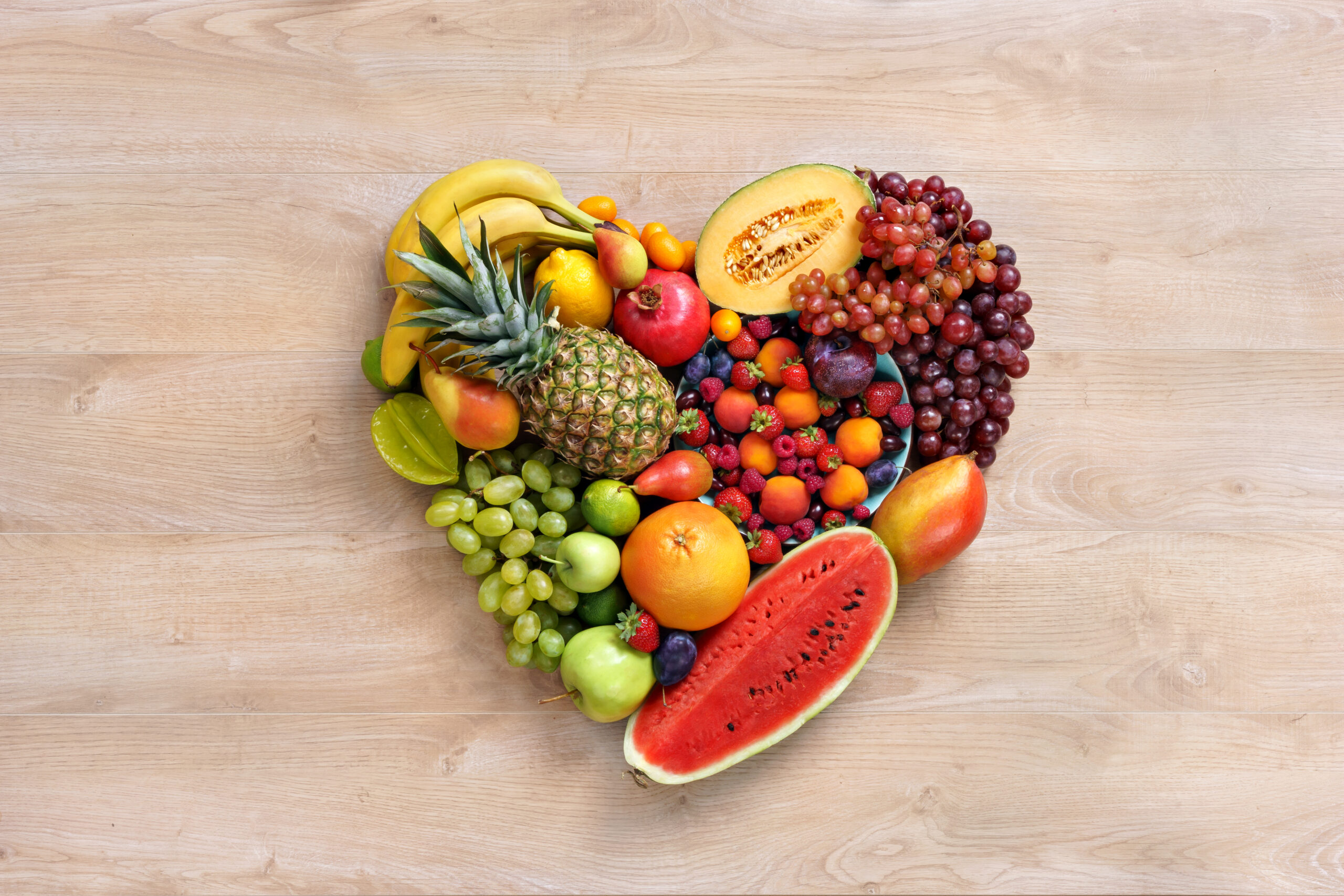
Healthy Fruits: Nutrition Comparison of the 8 Best Everyday Choices
The following table summarizes the main nutritional strengths rather than attempting to rank the fruits as universally “best.”
| Fruit | Key Nutritional Strengths | Notable Benefit | Easy Everyday Use |
|---|---|---|---|
| Guava | Vitamin C, fiber, potassium | Excellent nutrient density | Snack, salad, smoothie |
| Apple | Fiber, water, polyphenols | Convenient everyday fruit | Snack, oats, yogurt |
| Orange | Vitamin C, fiber, water | Immune-system nutrient support | Snack, breakfast |
| Berries | Polyphenols, fiber, vitamin C | Rich variety of plant compounds | Yogurt, oats, smoothies |
| Banana | Potassium, vitamin B6, carbohydrates | Convenient energy source | Breakfast, snack |
| Kiwi | Vitamin C, fiber, potassium | Nutrient-dense variety | Yogurt, fruit bowl |
| Papaya | Vitamin C, carotenoids, fiber | Tropical nutrient variety | Breakfast, snack |
| Avocado | Monounsaturated fat, fiber, potassium | Healthy-fat source | Toast, salads, meals |
The table is intentionally not a ranking.
A person’s “best fruit” depends on nutritional needs, availability, affordability, taste, allergies, dietary restrictions and the rest of the diet.
Healthy Fruits: What Fruit Nutrition Can Do for Your Body
The value of fruit becomes clearer when you stop thinking about individual nutrients in isolation.
A healthy diet is not a vitamin checklist.
Your body uses nutrients as part of interconnected biological systems.
Healthy Fruits: Supporting Normal Immune Function
The immune system requires adequate nutrition to function normally.
Vitamin C is one of the best-known nutrients involved in immune function. Fruits such as guava, oranges, kiwi, papaya and berries can contribute to vitamin C intake.
But “immune support” should not be confused with disease prevention.
A healthy immune system depends on many factors, including:
- Adequate nutrition
- Sleep
- Physical activity
- Stress management
- Vaccination where appropriate
- Hygiene
- Medical care when needed
No single fruit replaces these.
Healthy Fruits: Supporting Digestive Health Through Fiber
Fiber is one of the strongest reasons to emphasize whole fruit.
Some fiber contributes to stool bulk and regularity, while certain fermentable fibers can be used by gut microorganisms.
High-fiber fruits include:
- Guava
- Apples
- Berries
- Kiwi
- Pears
- Raspberries
- Avocado
The evidence around dietary fiber is extensive, with systematic reviews finding associations between higher fiber intake and better long-term health outcomes.
If your current diet is low in fiber, increase it gradually and drink enough fluid to help your digestive system adapt.
Healthy Fruits: Supporting Heart Health
One of the strongest areas of evidence surrounding fruit consumption relates to cardiovascular health.
A large systematic review and meta-analysis involving millions of participants found that fruit and vegetable consumption was associated with lower cardiovascular disease incidence and mortality.
Another large review found inverse associations between fruit and vegetable intake and cardiovascular disease, cancer and all-cause mortality.
Again, these findings concern dietary patterns, not a guarantee that eating a particular fruit prevents heart disease.
Still, they provide a strong reason to make fruit part of a broader heart-conscious diet.
Healthy Fruits: How Many Fruits Should You Eat Every Day?
There is no single number that works perfectly for every person.
Fruit needs vary according to age, sex, activity level, overall calorie requirements and the rest of the diet.
Rather than obsessing over an exact number, focus on consistency and variety.
A practical everyday approach might be:
One to three servings of whole fruit spread throughout the day, depending on your individual dietary needs and overall eating pattern.
A serving can vary by fruit.
For example, it could be:
- One medium apple
- One medium orange
- One banana
- A cup of berries
- A bowl of chopped papaya
- Several slices of guava
- Half an avocado
The goal is not to consume enormous quantities.
The goal is to consistently include fruit as part of a balanced diet.
Healthy Fruits: What Fruits Should You Eat Every Day for Overall Health?
If you are wondering what fruits should you eat every day for overall health, the simplest answer is:
Do not focus on eating exactly the same fruit every day. Build variety.
For example, your week could look like this:
- Monday: Banana + orange
- Tuesday: Apple + guava
- Wednesday: Papaya + berries
- Thursday: Kiwi + banana
- Friday: Orange + apple
- Saturday: Guava + papaya
- Sunday: Berries + avocado
This approach gives you different combinations of nutrients and plant compounds.
Research on fruit and vegetable variety has also found associations between greater dietary variety and lower all-cause mortality, although the certainty of that evidence was rated low or very low because of limitations in the available studies.
In other words, variety is sensible, but researchers are still studying exactly how much variety matters.
Healthy Fruits: Best Fruits High in Fiber and Antioxidants
If your goal is to prioritize best fruits high in fiber and antioxidants, consider rotating:
Healthy Fruits: Guava
Guava is particularly notable for fiber and vitamin C.
Healthy Fruits: Berries
Berries provide fiber and a wide variety of polyphenolic compounds.
Healthy Fruits: Apples
Apples provide fiber and numerous plant compounds, particularly when eaten with the skin.
Healthy Fruits: Kiwi
Kiwi combines vitamin C with fiber and other micronutrients.
Healthy Fruits: Avocado
Avocado provides fiber alongside monounsaturated fat and other nutrients.
The key is not to choose a single “superfruit.”
A varied diet is usually more useful than putting all your attention on one food.
Healthy Fruits: Whole Fruit vs Fruit Juice — Which Is Better?
This question deserves its own section because it causes considerable confusion.
A glass of fruit juice may come from a nutritious fruit, but the nutritional experience is not identical to eating the whole fruit.
When you eat a whole orange, for example, you consume the pulp and fiber along with the fruit’s water and nutrients.
When oranges are juiced, much of the fiber is removed.
That does not mean 100% fruit juice is nutritionally worthless.
Research on 100% fruit juice has produced mixed findings, and systematic reviews have not established a simple conclusion that all 100% juice is harmful.
However, whole fruit has several practical advantages:
- More fiber
- More chewing
- Greater physical volume
- Slower consumption
- Easier portion awareness
- More intact food structure
Therefore, for most everyday eating, whole fruit should generally be the default choice.
Juice can still have a place in some diets, but it should not automatically be treated as nutritionally identical to whole fruit.
Healthy Fruits: Are Fruit Sugars Bad for You?
This is one of the biggest misunderstandings about fruit.
Fruit contains naturally occurring sugars.
That does not make whole fruit equivalent to sweets, soft drinks or other foods containing large amounts of added sugar.
Whole fruit also provides:
- Fiber
- Water
- Vitamins
- Minerals
- Plant compounds
The food matrix matters.
A person drinking a large sugary beverage can consume substantial sugar and calories without the fiber and physical structure present in whole fruit.
That is one reason nutrition advice should distinguish between whole fruit and added-sugar foods.
People with diabetes or other medical conditions may need individualized advice about carbohydrate portions and meal planning, but the general solution is not to assume that all fruit is unhealthy.
Healthy Fruits: Can Eating Fruit Help With Weight Management?
Fruit can be useful in a weight-conscious eating pattern, but it is not a weight-loss treatment.
Whole fruits often contain a lot of water and fiber relative to their energy content, which can help make meals and snacks more satisfying.
Replacing energy-dense processed snacks with whole fruit can be one practical strategy.
For example, instead of:
- Cookies + sugary drink
you might choose:
- Apple + unsweetened yogurt
Or instead of:
- Sweetened pastry
you could choose:
- Banana + a handful of nuts
The important point is the substitution.
Simply adding unlimited fruit on top of an already excessive calorie intake does not guarantee weight loss.
Healthy Fruits: The Best Way to Combine Fruit With Other Foods
Fruit does not need to be eaten alone.
In fact, combining fruit with other nutritious foods can create more balanced meals.
Try these combinations:
Healthy Fruits + Protein
- Banana + plain Greek yogurt
- Berries + unsweetened yogurt
- Apple + natural peanut butter
Healthy Fruits + Healthy Fats
- Apple + nuts
- Orange + almonds
- Banana + peanut butter
- Avocado + whole-grain toast
Healthy Fruits + Whole Grains
- Banana + oatmeal
- Berries + oats
- Chopped apple + whole-grain cereal
Healthy Fruits + Vegetables
- Orange + carrot salad
- Avocado + tomato salad
- Papaya + leafy-green salad
This approach makes fruit part of a complete meal rather than treating it as an isolated health product.
Healthy Fruits: How to Make Fruit a Daily Habit
Knowing which fruits are nutritious is easy.
Actually eating them consistently is the harder part.
The solution is to reduce friction.
Healthy Fruits: Keep Fruit Visible
If fruit is hidden in a cupboard while cookies sit on the counter, the cookies are likely to win.
Keep apples, bananas, oranges and other ready-to-eat fruits somewhere visible.
Healthy Fruits: Buy What Is in Season
Seasonal fruits are often more affordable and may have better flavor.
Depending on where you live, seasonal choices can include:
- Mangoes
- Pineapples
- Watermelon
- Oranges
- Pawpaw/papaya
- Guava
- Bananas
You do not need expensive imported berries to have a nutritious fruit diet.
Healthy Fruits: Use Frozen Fruit When Appropriate
Frozen berries and other frozen fruits can be convenient and reduce waste.
They can also make smoothies and breakfast bowls easier.
Healthy Fruits: Prepare Fruit in Advance
Wash and portion fruits when appropriate so they are ready to eat.
A container of chopped papaya or watermelon can make a healthier snack much easier to choose.
Healthy Fruits: Rotate Instead of Repeating
Instead of buying one fruit every week, rotate several varieties.
This keeps meals interesting and broadens your nutrient exposure.
Healthy Fruits: Common Mistakes to Avoid
Even healthy foods can be used poorly.
Healthy Fruits: Mistake 1 — Calling One Fruit a Miracle Food
No fruit cures every health problem.
Be suspicious of claims that a particular fruit “detoxes the liver,” “melts belly fat,” “cures diabetes” or “prevents cancer.”
Those statements are generally far stronger than the evidence allows.
Healthy Fruits: Mistake 2 — Drinking Fruit Instead of Eating It
Whole fruit usually provides more fiber and physical structure than juice.
Make whole fruit your everyday default.
Healthy Fruits: Mistake 3 — Adding Lots of Sugar
Fruit does not need large amounts of sugar, syrup or sweetened condensed milk to become enjoyable.
If you want extra sweetness, use naturally sweet fruits such as banana, mango or papaya.
Healthy Fruits: Mistake 4 — Eating Only One Type of Fruit
Variety is useful.
Different fruits provide different nutrients and plant compounds.
Healthy Fruits: Mistake 5 — Assuming More Is Always Better
More fruit is not automatically better for every individual.
Very large quantities can add significant carbohydrates and calories, and some people have medical or dietary circumstances requiring specific limits.
Balance matters.
Healthy Fruits: A Simple 7-Day Everyday Fruit Plan
You do not need an elaborate meal plan.
Here is a simple example:
| Day | Morning | Afternoon |
|---|---|---|
| Monday | Banana with oats | Orange |
| Tuesday | Apple with yogurt | Guava |
| Wednesday | Papaya bowl | Kiwi |
| Thursday | Berries with oats | Banana |
| Friday | Orange with breakfast | Apple |
| Saturday | Guava | Papaya |
| Sunday | Kiwi with yogurt | Avocado with lunch |
This is only an example, not a medical diet prescription.
You can replace expensive or unavailable fruits with local seasonal alternatives.
The principle is more important than the exact schedule:
Eat whole fruit regularly, choose variety, and fit it into an overall balanced diet.
Healthy Fruits: How to Choose Fruits on a Budget
Healthy eating does not need to be expensive.
Some of the most nutritious fruits are also relatively affordable.
When shopping, consider:
- Seasonal fruits
- Locally grown fruits
- Fruits sold in larger quantities
- Frozen fruit when fresh fruit is expensive
- Fruits that store well
- Fruits with minimal preparation requirements
For example, bananas, oranges, pawpaw, watermelon and guava can often be practical choices depending on the season and local market.
Do not assume that imported fruits are automatically healthier than locally available fruits.
A ripe local guava can be an excellent nutritional choice.
Healthy Fruits: Food Safety Matters Too
Nutrition is only part of the equation.
Food safety matters whenever you eat fresh produce.
Before eating:
- Wash your hands.
- Rinse whole fruits under clean running water.
- Wash fruit before cutting it.
- Use clean knives and cutting boards.
- Refrigerate cut fruit when appropriate.
- Avoid visibly spoiled or moldy produce.
- Store perishable prepared fruit safely.
Do not use soap, bleach or household cleaning chemicals on fruit.
For people with weakened immune systems or other special health circumstances, food-safety guidance may need to be more strict.

Healthy Fruits: Who May Need to Be More Careful?
Although fruit is generally a nutritious part of a balanced diet, individual circumstances matter.
Talk with a qualified healthcare professional or registered dietitian if you have:
- Diabetes requiring individualized carbohydrate management
- Chronic kidney disease or another condition requiring potassium restriction
- A diagnosed food allergy
- Significant gastrointestinal symptoms
- A medically prescribed elimination diet
- A condition requiring a specific calorie or carbohydrate target
The right diet is not necessarily identical for everyone.
A healthy food for one person can require portion adjustment for another.
Healthy Fruits: The Bigger Picture of Good Nutrition
There is a temptation to believe that health comes down to discovering the perfect list of foods.
It does not.
Your overall dietary pattern matters much more than any single fruit.
A strong everyday eating pattern can include:
- Fruits
- Vegetables
- Whole grains
- Beans and other legumes
- Nuts and seeds
- Adequate protein
- Healthy fats
- Water
- Appropriate portions
Fruits work best within that larger picture.
A person who eats eight different fruits but rarely eats vegetables, whole grains or protein-rich foods is not necessarily eating a balanced diet.
The goal is not simply to eat “healthy fruits.”
The goal is to build a healthy eating pattern.
Healthy Fruits: Key Lessons From the Evidence
The research provides several useful lessons.
First, higher fruit and vegetable intake is consistently associated with better cardiovascular outcomes in large observational evidence.
Second, dietary fiber is an important component of healthy eating, with higher intake associated with lower risks of several major health outcomes in systematic reviews.
Third, variety may be beneficial, although evidence specifically linking fruit and vegetable variety to health outcomes remains less certain than the broader evidence for fruit and vegetable consumption.
Fourth, whole fruit and fruit juice should not automatically be treated as nutritionally identical. Whole fruit generally preserves more of the original food structure and fiber.
Finally, no single fruit deserves to be treated as a miracle food.
The strongest strategy is diversity.
Healthy Fruits: Frequently Asked Questions
Healthy Fruits: What is the healthiest fruit to eat every day?
There is no scientifically established single “healthiest” fruit for everyone.
Guava, berries, apples, oranges, bananas, kiwi, papaya and avocado each have different nutritional strengths.
The most useful approach is to eat a variety of whole fruits rather than depending on one.
Healthy Fruits: Which fruit is highest in vitamin C?
Guava is exceptionally rich in vitamin C. Oranges, kiwi and papaya are also useful sources.
Actual nutrient levels vary by variety, maturity and serving size.
Healthy Fruits: Which fruits are high in fiber?
Guava, berries, apples, kiwi and avocado are useful choices.
Guava is particularly notable for its fiber content, with USDA-derived data reporting about 5.4 grams per 100 grams. (NutritionRef)
Healthy Fruits: Can I eat fruit every day?
For most healthy people, whole fruit can be part of an everyday balanced diet.
The appropriate amount depends on your overall dietary needs.
Healthy Fruits: Is fruit good for immunity?
Fruits can provide nutrients involved in normal immune function, particularly vitamin C.
However, fruit does not make someone immune to infections and should not be promoted as a cure or guaranteed prevention method.
Healthy Fruits: Is eating fruit at night unhealthy?
There is no general rule that fruit becomes unhealthy simply because it is eaten at night.
Total dietary pattern, portion size and individual circumstances matter more than the clock.
Healthy Fruits: Is whole fruit better than fruit juice?
Whole fruit generally provides more intact fiber and food structure.
100% fruit juice can contain useful nutrients, but it is not nutritionally identical to whole fruit.
Healthy Fruits: Can I eat bananas every day?
For most people, bananas can be included regularly as part of a balanced diet.
People with specific medical conditions affecting potassium or carbohydrate management should follow individualized medical advice.
Healthy Fruits: Are frozen fruits healthy?
Yes. Frozen fruit can be a convenient and nutritious option, particularly when fresh fruit is unavailable or expensive.
Check packaged products for unnecessary added sugar.
Healthy Fruits: Final Thoughts
The most powerful thing about fruit may not be any individual vitamin, antioxidant or mineral.
It may be how easy fruit makes healthy eating.
An apple does not require a recipe.
A banana does not require cooking.
An orange can become an afternoon snack in less than a minute.
Guava can provide an impressive combination of fiber and vitamin C.
Papaya can add variety to breakfast.
Berries can bring colorful plant compounds to yogurt or oats.
Avocado can introduce a source of healthy fat.
And that is the real lesson behind the best fruits to eat every day for better health.
You do not need to find one magical fruit.
You need to build a pattern that you can actually maintain.
Choose whole fruits more often than juice. Rotate different varieties. Take advantage of seasonal and affordable produce. Combine fruit with other nutritious foods. Pay attention to portion sizes when necessary. And remember that fruit works best as one part of a broader diet rich in vegetables, whole grains, legumes, protein and healthy fats.
If you are looking for healthy fruits that can support better nutrition and contribute useful nutrients to your everyday diet, start with the basics: guava, apples, oranges, berries, bananas, kiwi, papaya and avocado.
Then keep exploring.
Because the healthiest fruit is not necessarily the one with the most impressive headline.
It is often the fruit you enjoy, can afford, can access, and will actually eat consistently.
For readers who want to explore the evidence behind fruit consumption, dietary fiber and health outcomes, the following research provides useful background:
- A large systematic review and dose-response meta-analysis examining fruit and vegetable intake and cardiovascular disease, cancer and mortality found consistent associations between higher intake and several favorable health outcomes. (PubMed)
- A systematic review of fruit and vegetable sources and cardiovascular outcomes found associations between fruit consumption and lower cardiovascular disease incidence and mortality across a very large cohort evidence base. (PubMed)
- A systematic review and meta-analysis of dietary fiber examined associations between fiber intake and all-cause, cardiovascular and cancer mortality. (PubMed)
- Research examining fruit and vegetable variety suggests that greater variety may be associated with lower all-cause mortality, although the certainty of evidence remains limited.
For additional authoritative nutrition information, readers can consult the Dietary Guidelines for Americans and Harvard T.H. Chan School of Public Health’s Nutrition Source.
About The Author