Farm produce preservation
However, there is one major problem: what happens after harvesting?
For many farmers, the most difficult part of agricultural production does not necessarily end when crops are harvested. In fact, some of the biggest financial losses occur after the crops have been removed from the field. Produce that looked healthy and attractive during harvesting can begin to deteriorate within hours or days when exposed to excessive heat, moisture, poor handling, insects, microorganisms and unsuitable storage conditions.
This situation is particularly challenging in tropical countries such as Nigeria, Ghana and other parts of Africa, where high temperatures, inconsistent electricity supply, inadequate cold storage facilities and transportation difficulties can make it difficult to maintain the quality of harvested crops.
Consider a farmer who harvests several baskets of tomatoes during a particularly hot period. If the tomatoes are left under direct sunlight, packed into overcrowded baskets or transported over rough roads without adequate protection, they may become bruised, softened and unsuitable for the fresh produce market before reaching their destination.
The farmer may have invested considerable money in production, but poor post-harvest management can significantly reduce the expected profit.
This is where farmproduce preservation becomes extremely important.
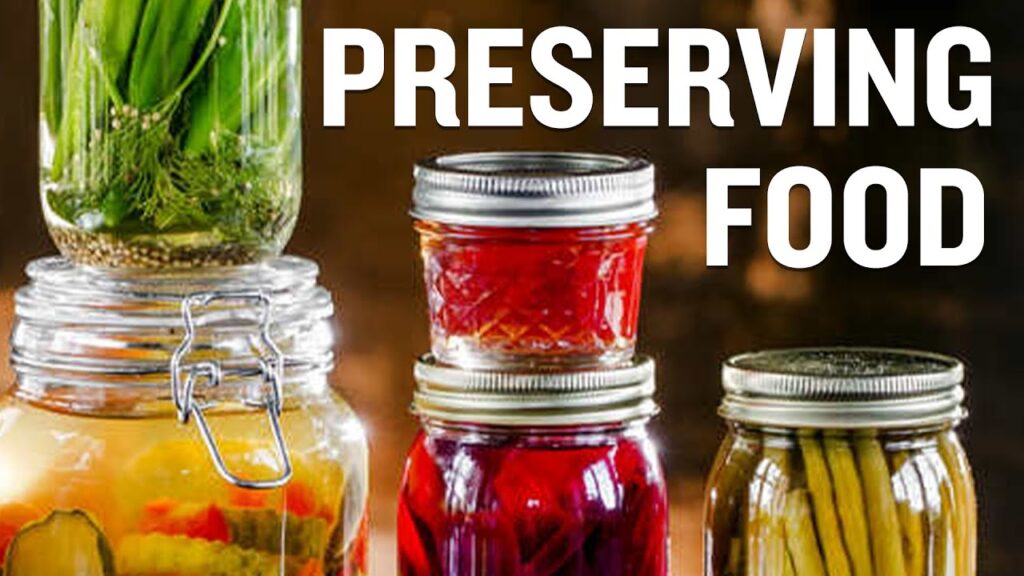
Farm produce preservation involves applying appropriate techniques, storage systems and handling practices to maintain the quality, freshness, nutritional value and marketability of harvested agricultural products for as long as possible. Depending on the crop, preservation may involve cooling, drying, curing, proper packaging, ventilation, refrigeration, processing and other suitable storage methods.
The objective is not simply to prevent crops from rotting. Effective farm produce preservation also helps farmers reduce unnecessary waste, protect their investment, improve food availability and earn better returns from agricultural activities.
According to the Food and Agriculture Organization (FAO), post-harvest losses can occur at different stages, including harvesting, transportation, drying, threshing, processing and storage. This means that protecting agricultural produce requires more than simply finding somewhere to keep harvested crops.
It requires a systematic approach that begins immediately after harvesting.
Fortunately, farmers do not always need expensive refrigeration equipment or sophisticated warehouses to improve their preservation practices. Several affordable techniques can significantly reduce spoilage when properly applied. Some methods require only improved harvesting practices, clean containers, shaded storage areas, proper ventilation and locally available materials.
In this comprehensive guide, we will explore 10 powerful and proven farm produce preservation methods that farmers can use to keep their crops fresh longer, prevent unnecessary spoilage and reduce post-harvest losses.
Whether you are a small-scale farmer, commercial agricultural producer, produce trader or someone interested in food storage and agricultural management, understanding these techniques can help you make better decisions and protect the value of your harvest.

Understanding Farm Produce Preservation and Post-Harvest Losses
Before exploring the practical preservation methods, it is important to understand what happens to agricultural produce after harvesting and why some crops deteriorate faster than others.
Farm produce preservation is closely connected to post-harvest management, which covers all the activities carried out after crops are harvested and before they reach consumers, processors or storage facilities.
These activities include:
-
Harvesting crops at the appropriate maturity stage.
-
Sorting and grading harvested produce.
-
Removing damaged and diseased crops.
-
Cleaning produce where appropriate.
-
Cooling or removing field heat.
-
Drying crops that require moisture reduction.
-
Packaging and transporting agricultural products.
-
Storing crops under suitable environmental conditions.
-
Regularly inspecting stored produce.
Every stage matters because mistakes made during one operation can affect the quality of the entire harvest.
For example, a farmer who harvests healthy tomatoes but uses dirty containers and careless handling practices may introduce contamination and physical damage that accelerate deterioration.
Similarly, maize that has been properly harvested but stored before sufficient drying may develop mould, insect infestation and other storage problems.
What Are Post-Harvest Losses?
Post-harvest losses refer to the reduction in the quantity, quality, nutritional value or economic value of agricultural products after harvesting.
These losses may happen because of physical damage, unsuitable temperatures, excessive moisture, pest infestation, microbial contamination, poor packaging and inadequate storage facilities.
Post-harvest losses can be divided into several categories.
1. Physical losses
Physical losses occur when agricultural products are damaged, spilled, crushed, broken or destroyed during harvesting, transportation, handling and storage.
Examples include:
-
Tomatoes crushed inside overcrowded baskets.
-
Cassava tubers damaged during harvesting.
-
Maize grains spilled during transportation.
-
Bananas bruised during loading and unloading.
-
Vegetables damaged through excessive handling.
2. Quality losses
Quality losses occur when produce loses its original appearance, texture, taste, freshness or commercial value.
For instance, tomatoes may become excessively soft, leafy vegetables may turn yellow, and fruits may develop unattractive spots or wrinkles.
Although some of these products may still be safe for consumption or suitable for processing, their market value may decline considerably.
3. Nutritional losses
Agricultural produce can also experience nutritional deterioration during prolonged storage and unsuitable handling.
Certain vitamins, particularly vitamin C, may decline during storage, especially when produce is exposed to unfavourable conditions for extended periods.
4. Economic losses
Economic losses occur when farmers receive less money than expected because their harvested crops have deteriorated, become damaged or lost market demand.
For example, a farmer who initially expects to sell 100 baskets of tomatoes may eventually sell fewer baskets at reduced prices because some of the produce has spoiled before reaching the market.
Why Farm Produce Preservation Is Essential for Farmers
Proper preservation is important because agricultural production involves considerable investment.
Farmers spend money on seeds, fertilisers, labour, land preparation, irrigation, pesticides, transportation and other production activities.
When harvested crops spoil unnecessarily, the financial resources invested in producing them are also affected.
Effective farm produce preservation offers several benefits:
-
Reduces financial losses: Farmers can protect more of their harvested produce and avoid unnecessary waste.
-
Extends shelf life: Appropriate storage conditions slow down deterioration and help maintain product quality.
-
Improves food availability: Proper preservation allows agricultural products to remain available beyond their immediate harvesting period.
-
Creates better marketing opportunities: Farmers may have more flexibility when deciding when and where to sell their produce.
-
Supports food security: Reducing avoidable losses helps increase the quantity of food available for consumption.
-
Improves customer satisfaction: Buyers are more likely to purchase clean, attractive and properly handled agricultural products.
-
Encourages agricultural investment: Farmers who preserve more of their harvest can potentially improve profitability and reinvest in production.
The important lesson is that producing more crops is not always the only way to increase agricultural income. Protecting the crops already produced can be equally valuable.
Farm Produce Preservation: 10 Powerful and Proven Ways to Keep Crops Fresh Longer
Different agricultural products require different preservation techniques. A method that works effectively for maize may not be suitable for tomatoes, while the storage conditions required for onions may be completely different from those needed for leafy vegetables.
Therefore, farmers should understand the characteristics of their crops before choosing a preservation method.
The following ten techniques provide practical ways to reduce deterioration and protect harvested agricultural products.
1. Farm Produce Preservation Starts With Harvesting at the Right Time
One of the most important but frequently overlooked aspects of farm produce preservation is harvesting crops at the appropriate maturity stage.
Many farmers concentrate on planting, fertiliser application, irrigation and pest control but pay less attention to the correct time to harvest their crops.
Unfortunately, harvesting too early or too late can affect product quality, storage life and marketability.
Every crop has a suitable harvesting stage determined by its intended use, variety, maturity characteristics and storage requirements.
For example, tomatoes intended for transportation over long distances may be harvested at a mature-green or breaker stage, depending on the market requirements and variety. Tomatoes intended for immediate consumption may be harvested at a later ripening stage.
Similarly, maize intended for dry-grain storage must reach physiological maturity and undergo proper drying before storage.
Why Harvesting Time Matters for Farm Produce Preservation
When crops are harvested too early, they may not have developed the required flavour, colour, size, nutritional characteristics or maturity needed for their intended purpose.
On the other hand, harvesting overripe produce can create additional preservation challenges.
Overripe fruits and vegetables are often softer and more vulnerable to bruising, microbial attack and physical damage.
For instance:
-
Overripe tomatoes can easily become crushed during transportation.
-
Mature mangoes may become softer and more susceptible to mechanical damage.
-
Overmature vegetables may lose their desirable texture.
-
Overripe bananas may have a shorter remaining marketing period.
Harvesting at the correct stage helps farmers begin the preservation process with produce that has a better chance of maintaining its quality.
Best Practices for Harvesting Crops
Farmers can improve harvesting practices by following these recommendations:
1. Understand the maturity indicators of each crop.
Do not rely entirely on the number of days after planting. Consider the crop’s colour, size, firmness, moisture content and other maturity characteristics.
2. Harvest during cooler periods.
Where practical, harvest fruits and vegetables early in the morning or during cooler evening periods. This reduces the amount of environmental heat to which freshly harvested produce is exposed.
3. Use appropriate harvesting tools.
Sharp knives, pruning shears and suitable harvesting equipment can reduce unnecessary injuries.
4. Avoid throwing or dropping harvested crops.
Even when produce looks strong, impact damage can create bruises and internal injuries that accelerate deterioration.
5. Handle crops gently.
Place harvested fruits and vegetables into suitable containers instead of throwing them into baskets or sacks.
6. Transport harvested produce promptly.
Leaving freshly harvested crops in the field for extended periods, particularly under direct sunlight, can increase deterioration.
How Proper Harvesting Reduces Post-Harvest Losses
Harvesting correctly reduces the amount of damage that needs to be managed during subsequent handling and storage operations.
It also ensures that farmers do not begin the preservation process with produce that is already overripe, injured or unsuitable for storage.
Ultimately, good farm produce preservation starts in the field, not inside the warehouse.
2. Farm Produce Preservation Through Proper Sorting and Grading
Sorting and grading are important crop storage methods that help farmers separate agricultural products according to their quality, size, maturity and physical condition.
Immediately after harvesting, farmers should inspect their produce and separate damaged, diseased, overripe and visibly contaminated products from healthy ones.
This simple operation can make a significant difference in preservation.
Imagine storing healthy tomatoes together with tomatoes that have already developed soft spots, cracks or signs of decay. If the damaged fruits are infected with decay-causing microorganisms, they can become a source of contamination for neighbouring produce.
Similarly, storing damaged onions alongside healthy onions can increase the risk of storage deterioration, especially where moisture and poor ventilation are present.
Why Sorting Is Important for Farm Produce Preservation
Sorting helps farmers identify products that require different handling and storage conditions.
For example:
-
Healthy tomatoes can be graded according to size and maturity.
-
Damaged tomatoes can be separated for prompt processing if they remain safe and suitable.
-
Diseased fruits should be isolated and discarded appropriately.
-
Onions with damaged necks or signs of decay should not be mixed with sound bulbs intended for longer storage.
-
Broken or insect-damaged maize grains should be separated during cleaning and inspection.
Grading also helps farmers prepare agricultural produce for different markets.
High-quality fruits may be packaged for premium retail markets, while suitable lower grades may be directed towards food processing.
Practical Steps for Sorting and Grading
Farmers should consider the following procedures:
-
Spread harvested produce on a clean sorting surface.
-
Remove visibly rotten, diseased and severely damaged products.
-
Separate crops according to size and maturity.
-
Group produce according to its intended market.
-
Avoid placing sorted produce directly on bare ground.
-
Use clean containers for each grade.
-
Inspect the produce again before packaging and storage.
Why Farmers Should Avoid Mixing Damaged and Healthy Produce
One damaged fruit does not automatically contaminate every surrounding fruit. However, damaged and decaying produce can increase the risk of deterioration spreading, particularly where pathogens, moisture and poor ventilation are involved.
Regular sorting and removal of deteriorating produce help prevent a small problem from developing into a much larger storage loss.
For farmers dealing with large quantities of harvested crops, sorting should become a routine part of post-harvest management.
3. Farm Produce Preservation Through Proper Cooling and Temperature Management
Temperature management is one of the most important principles of farm produce preservation.
After harvesting, many fruits and vegetables continue to carry out biological activities. They remain living tissues that consume oxygen, release carbon dioxide and generate heat through respiration.
This process continues after the produce has been removed from the plant.
When temperatures are high, respiration and other deterioration processes generally accelerate. As a result, produce may ripen faster, lose moisture, soften and become more susceptible to decay.
This explains why freshly harvested vegetables and fruits often deteriorate rapidly when left in hot environments.
Understanding Field Heat and Its Effects
Field heat refers to the heat that agricultural produce retains after being harvested from the farm.
Crops harvested during hot weather may have temperatures considerably higher than the recommended storage temperature for their particular commodity.
If this heat is not managed appropriately, the produce may continue deteriorating rapidly.
Removing excess field heat through suitable cooling methods is therefore an important part of post-harvest management.
Affordable Cooling Methods for Farm Produce Preservation
Farmers who do not have access to expensive refrigeration systems can consider several alternatives.
1. Shade storage
One of the simplest preservation techniques is moving harvested produce away from direct sunlight.
Farmers can use:
-
Shade trees.
-
Covered farm structures.
-
Ventilated sheds.
-
Properly designed produce collection centres.
-
Temporary shaded handling areas.
Shade does not replace refrigeration, but it helps reduce direct solar heating.
2. Evaporative cooling
Evaporative cooling uses the natural cooling effect that occurs when water evaporates.
Some low-cost storage structures use wet sand, bricks or charcoal to create a cooler environment around agricultural products.
As water evaporates, it absorbs heat from the surrounding environment, potentially lowering the temperature inside the storage structure.
3. Zero-energy cool chambers
A zero-energy cool chamber is a simple evaporative cooling structure that can be constructed using materials such as bricks, sand and water.
It can be useful for short-term storage of selected fruits and vegetables, particularly in hot and relatively dry environments.
However, its effectiveness depends heavily on environmental humidity, ventilation, water availability and proper construction.
4. Refrigerated storage
Refrigeration provides more controlled temperature management and can significantly extend the storage life of suitable crops.
However, farmers must understand the temperature requirements of each commodity.
Not every crop benefits from extremely low temperatures.
For instance, chilling-sensitive crops such as bananas and some tropical fruits can experience physiological damage when stored too cold.
Important Temperature Considerations
Different crops have different temperature requirements.
| Agricultural produce | General storage consideration |
|---|---|
| Tomatoes | Avoid excessively cold storage, especially for ripening fruit |
| Bananas | Require relatively warm storage compared with temperate fruits |
| Leafy vegetables | Generally benefit from rapid cooling and high humidity |
| Carrots | Benefit from cold storage and high humidity |
| Onions | Require dry, well-ventilated storage |
| Potatoes | Require suitable temperature, humidity and light management depending on intended use |
| Mangoes | Require temperature management that avoids chilling injury |
These are general guidelines, not universal storage specifications. Variety, maturity, intended use and storage duration influence the correct conditions.
Why Excessive Cooling Can Damage Crops
Some farmers assume that the colder a storage environment becomes, the longer every agricultural product will remain fresh.
This is incorrect.
Certain tropical and subtropical crops are sensitive to chilling injury.
Chilling injury can cause:
-
Darkened or sunken areas.
-
Uneven ripening.
-
Poor flavour development.
-
Surface discoloration.
-
Increased susceptibility to decay.
-
Unusual texture changes.
Therefore, farmers should identify the recommended storage temperature for each crop rather than applying one temperature to everything.
Proper temperature management is one of the most effective ways to reduce post-harvest losses, but it must be crop-specific.
4. Farm Produce Preservation Through Proper Drying and Moisture Control
Drying is one of the oldest and most affordable food preservation methods used by farmers around the world.
It involves reducing the moisture content of agricultural products to a level that discourages the growth of moulds and other microorganisms responsible for spoilage.
Unlike fresh fruits and vegetables, which generally require moisture management to prevent wilting and dehydration, many grains, seeds, legumes, spices and certain vegetables require controlled drying before they can be stored safely for extended periods.
For farmers producing maize, rice, beans, groundnuts, millet, sorghum, onions, pepper and other agricultural products, drying can be particularly important.
Inadequate drying is a major cause of storage problems, especially in areas where high humidity and seasonal rainfall make it difficult to prepare harvested crops for storage.
Why Drying Is Important for Farm Produce Preservation
Most microorganisms responsible for food spoilage require available moisture to grow.
When the moisture content of agricultural products is reduced sufficiently, the conditions become less favourable for microbial activity.
Drying also helps reduce the likelihood of insect and mould problems when combined with appropriate storage conditions.
For example, maize harvested with excessive moisture may develop mould during storage. Some mould species can produce mycotoxins, including aflatoxins, which pose serious health risks to humans and animals.
This means that drying is not simply about reducing the weight of harvested crops. It is an important food safety measure.
Common Drying Methods for Agricultural Produce
1. Sun drying
Sun drying involves spreading agricultural produce in an appropriate location where natural sunlight and airflow help remove moisture.
It is commonly used for:
-
Maize.
-
Rice.
-
Beans.
-
Millet.
-
Sorghum.
-
Pepper.
-
Certain herbs and spices.
-
Selected fruits and vegetables.
Although sun drying is affordable, farmers should use clean drying surfaces instead of placing produce directly on bare ground.
Tarpaulins, raised drying platforms and suitable drying mats can help protect crops from soil contamination, animals and dirt.
2. Solar drying
Solar drying uses solar energy to remove moisture from agricultural products.
Unlike open-air sun drying, a solar dryer is designed to improve the drying environment by controlling airflow, heat and protection from external contamination.
Solar dryers may be direct, indirect or hybrid systems.
-
Direct solar dryers: Solar radiation reaches the agricultural produce through a transparent covering.
-
Indirect solar dryers: Solar energy heats air in a separate collector before the warm air passes through the drying chamber.
-
Hybrid solar dryers: These combine solar energy with another heat source or energy system to maintain drying when sunlight is insufficient.
Solar drying can be particularly useful for farmers processing tomatoes, pepper, fruits, vegetables and spices.
3. Mechanical drying
Mechanical drying uses equipment such as grain dryers and food dehydrators to remove moisture under controlled conditions.
It can be useful for commercial farmers and agricultural processing businesses that handle large quantities of produce.
Mechanical drying may offer better control over drying conditions, but equipment costs, fuel consumption, electricity requirements and maintenance must be considered.
How to Dry Farm Produce Properly
Farmers should follow these practices:
-
Harvest crops at the appropriate maturity stage.
-
Remove damaged and contaminated materials.
-
Clean the drying equipment and surfaces.
-
Spread produce in thin, manageable layers.
-
Turn the produce regularly where appropriate to encourage uniform drying.
-
Protect crops from unexpected rainfall, dust, insects and animals.
-
Monitor moisture content using an appropriate moisture meter where possible.
-
Allow dried produce to cool before packaging.
-
Store properly dried produce in clean, moisture-resistant containers.
Recommended Moisture Considerations for Grain Storage
Moisture requirements differ depending on the type of grain, storage duration, temperature and intended use.
For example, maize intended for longer-term storage generally needs to be dried to a sufficiently low moisture content, commonly around 13–14%, with more stringent targets sometimes necessary for longer storage or challenging conditions.
Farmers should use crop-specific recommendations rather than assuming that every grain can be stored safely at the same moisture level.
Common Drying Mistakes Farmers Should Avoid
-
Drying produce directly on dirty ground.
-
Packing grains before they have cooled.
-
Storing inadequately dried crops.
-
Allowing dried crops to become wet again.
-
Drying produce in excessively thick layers.
-
Failing to protect crops from animals and insects.
-
Using excessive heat that damages product quality.
Proper drying and moisture management are particularly important for farmers who want to reduce grain spoilage, protect stored seeds and minimise the risk of mould contamination.
5. Farm Produce Preservation Through Proper Packaging and Storage Containers
Packaging is another important component of farm produce preservation because the container used during handling, transportation and storage can influence how quickly agricultural products deteriorate.
Some farmers focus heavily on harvesting and storage but overlook the importance of packaging.
Unfortunately, unsuitable containers can damage produce even when the crops were harvested at the correct maturity stage.
For example, placing delicate tomatoes inside tightly packed sacks can cause pressure damage. Similarly, transporting leafy vegetables in containers without adequate ventilation can encourage heat accumulation and deterioration.
Proper packaging protects agricultural products from physical damage, contamination, moisture problems and unnecessary handling.
Why Packaging Matters for Farm Produce Preservation
The right packaging system provides several advantages.
1. Reduces mechanical damage
Appropriate containers protect fruits and vegetables from crushing, bruising and excessive pressure.
2. Improves ventilation
Well-designed containers allow air to circulate around produce, helping prevent unnecessary heat accumulation.
3. Makes transportation easier
Standardised crates and suitable packaging materials make it easier to stack, carry and transport harvested crops.
4. Reduces contamination
Clean containers help protect produce from soil, dust, dirty surfaces and other potential sources of contamination.
5. Improves product presentation
Attractive, properly graded and neatly packaged agricultural products are generally easier to market.
Best Packaging Materials for Agricultural Produce
Different packaging materials serve different purposes.
| Packaging material | Common agricultural uses | Important consideration |
|---|---|---|
| Plastic crates | Tomatoes, fruits, peppers and vegetables | Use clean, ventilated and stackable crates |
| Woven polypropylene bags | Dried maize, rice and grains | Store only adequately dried produce |
| Jute bags | Certain dry agricultural commodities | Protect from moisture and pests |
| Cardboard cartons | Fruits and selected vegetables | Keep dry and prevent crushing |
| Mesh bags | Onions, garlic and some root crops | Allow sufficient airflow |
| Food-grade airtight containers | Dried produce and processed foods | Ensure produce is sufficiently dry before sealing |
Why Farmers Should Avoid Overcrowding Containers
Overcrowding is a common problem in agricultural transportation.
When too much produce is packed into one container, the weight of the upper layers can crush the products below.
This is particularly damaging to tomatoes, mangoes, bananas and other delicate fruits.
Overcrowding can also reduce airflow, making it difficult for heat to escape.
To avoid these problems:
-
Use containers suitable for the crop.
-
Do not exceed the recommended filling capacity.
-
Avoid stacking heavy containers directly on delicate produce.
-
Use ventilated packaging where appropriate.
-
Ensure containers are clean and dry.
-
Arrange packages to allow airflow during storage and transportation.

Should Farmers Use Plastic Crates Instead of Baskets?
Traditional baskets remain useful in many agricultural communities, but reusable plastic crates can offer advantages for certain crops.
Plastic crates are generally easier to clean, can be designed with ventilation openings and are often more resistant to crushing than flexible sacks.
However, not every plastic container is suitable for food handling. Farmers should select food-grade materials, clean them regularly and avoid containers with sharp edges or damaged surfaces.
The best packaging choice depends on crop type, transportation distance, market requirements and available resources.
6. Farm Produce Preservation Through Proper Ventilation and Humidity Control
Ventilation and humidity control are essential parts of successful crop storage methods.
Even when farmers harvest healthy produce and package it properly, poor storage conditions can still cause significant deterioration.
A storage facility that is excessively hot, poorly ventilated or too humid can create favourable conditions for spoilage.
However, it is important to understand that ventilation and humidity requirements are not the same for every agricultural product.
Some fruits and vegetables require relatively high humidity to prevent excessive water loss, while onions and garlic generally require dry, well-ventilated storage conditions.
This is why farmers must understand the storage needs of their particular crops.
How Poor Ventilation Affects Farm Produce Preservation
Poor ventilation can cause heat and moisture to accumulate around stored produce.
When fresh produce continues respiring, it releases heat and moisture. If air cannot circulate adequately, these conditions can accelerate deterioration.
Poor ventilation may contribute to:
-
Excessive moisture accumulation.
-
Condensation inside storage containers.
-
Increased microbial activity.
-
Unpleasant odours.
-
Faster deterioration.
-
Greater risk of mould development in susceptible crops.
For dried grains, inadequate ventilation and moisture control can also encourage insect infestation and fungal growth.
How Farmers Can Improve Storage Ventilation
Farmers can improve ventilation through relatively simple adjustments.
1. Construct suitable storage facilities
Storage buildings should be designed to allow appropriate airflow while protecting crops from rain, direct sunlight, pests and other external hazards.
2. Use raised platforms
Stored bags should not be placed directly on damp floors.
Pallets or raised platforms help reduce direct contact with moisture and make cleaning easier.
3. Leave spaces between stored bags
Avoid stacking bags tightly against walls or blocking ventilation openings.
4. Use ventilated containers
For suitable crops, containers with ventilation openings can improve airflow.
5. Inspect storage conditions regularly
Check for unusual smells, dampness, condensation, damaged packaging and visible signs of pests.
Understanding Relative Humidity
Relative humidity refers to the amount of water vapour present in the air compared with the maximum amount the air can hold at a particular temperature.
It is commonly expressed as a percentage.
High relative humidity may be beneficial for certain fresh vegetables because it reduces moisture loss and wilting.
However, excessive humidity can create problems for crops that require dry storage, particularly onions, garlic and dried grains.
For this reason, humidity should be managed according to the crop rather than using one storage arrangement for everything.
Different Crops Require Different Humidity Conditions
-
Leafy vegetables: Generally benefit from high relative humidity and suitable cooling.
-
Carrots: Benefit from high humidity and cold storage.
-
Onions: Require dry, well-ventilated conditions after proper curing.
-
Garlic: Requires suitable curing and dry storage.
-
Maize: Requires adequate drying and protection from moisture.
-
Beans: Require sufficiently dry storage and protection against insects.
Good ventilation and humidity control help farmers preserve product quality without necessarily investing in expensive storage infrastructure.
7. Farm Produce Preservation Through Proper Separation of Fruits and Vegetables
One important factor that many farmers and produce traders overlook is the effect that certain fruits and vegetables can have on other crops during storage.
Some agricultural products naturally release ethylene, a plant hormone that influences ripening and ageing.
Ethylene plays an important role in the natural development of fruits, but excessive exposure can cause certain nearby produce to ripen or deteriorate more quickly.
For example, bananas, ripe tomatoes, apples and some other fruits can produce ethylene.
Other crops, including leafy vegetables and broccoli, may be sensitive to ethylene exposure.
This means that storing all harvested crops together without considering their characteristics can create unnecessary preservation problems.
Why Ethylene Management Matters for Farm Produce Preservation
Ethylene influences several biological processes, including:
-
Fruit ripening.
-
Softening.
-
Changes in colour.
-
Leaf yellowing.
-
Senescence, which refers to the natural ageing process of plant tissues.
When ethylene-producing crops are stored together with highly sensitive crops, the sensitive produce may deteriorate faster.
For instance, broccoli exposed to ethylene can develop yellowing more rapidly.
Similarly, leafy vegetables may lose their freshness when exposed to unsuitable storage conditions.
Examples of Ethylene-Producing Crops
Some commonly recognised ethylene-producing fruits include:
-
Bananas.
-
Apples.
-
Ripe tomatoes.
-
Mangoes.
-
Avocados.
-
Melons, depending on the type and maturity stage.
Examples of Ethylene-Sensitive Produce
Some produce that may be sensitive to ethylene includes:
-
Broccoli.
-
Leafy vegetables.
-
Cucumbers.
-
Carrots.
-
Lettuce.
-
Green beans.
The sensitivity of each crop varies, and not all produce responds equally to ethylene exposure.
Practical Ways to Separate Crops During Storage
Farmers can apply the following measures:
-
Separate ethylene-producing fruits from sensitive vegetables.
-
Store ripe fruits separately from produce intended for longer storage.
-
Avoid overcrowding different crop types in the same container.
-
Maintain adequate ventilation.
-
Remove deteriorating fruits promptly.
-
Organise storage areas according to crop compatibility.
A Practical Example
Imagine a farmer who harvests tomatoes, bananas, cabbage and carrots on the same day.
Instead of placing everything inside one storage room without separation, the farmer can organise the produce into different sections.
-
Bananas and tomatoes can be placed in an appropriate area for their storage requirements.
-
Cabbage and carrots can be stored under suitable cooler and humid conditions.
-
Onions can be kept in a separate dry and ventilated area.
This arrangement helps reduce unnecessary deterioration and makes storage management easier.
8. Farm Produce Preservation Through Curing Root Crops and Bulbs
Curing is a preservation technique used for selected agricultural products, particularly root and tuber crops and certain bulb crops.
It involves allowing harvested produce to undergo controlled drying or wound-healing processes under appropriate conditions.
Curing is especially important for crops such as sweet potatoes, yams, onions and garlic, although the correct procedure differs depending on the crop.
When some root and tuber crops are harvested, their outer surfaces may contain small cuts, scratches and injuries.
These damaged areas create opportunities for moisture loss and microbial infection.
Appropriate curing can help certain crops develop protective surface layers and improve their ability to withstand storage.
Why Curing Is Important for Farm Produce Preservation
Curing can provide several benefits:
-
Helps selected root and tuber crops heal minor harvesting injuries.
-
Reduces moisture loss through damaged surfaces.
-
Improves storage potential.
-
Helps prepare certain crops for longer storage.
-
Reduces the likelihood of some forms of storage decay when properly performed.
However, curing is not a substitute for good harvesting and storage practices. Severely damaged or diseased crops should not be expected to become healthy simply through curing.
How to Cure Sweet Potatoes
Sweet potatoes are vulnerable to physical damage during harvesting.
Cuts, bruises and broken surfaces can increase the risk of deterioration.
A suitable curing process generally involves holding properly selected sweet potatoes under warm, humid and well-ventilated conditions for a limited period to encourage wound healing.
Commercial recommendations commonly use temperatures around 29–32°C and high relative humidity for approximately 4–7 days, although conditions vary with the variety and production system.
After curing, sweet potatoes should be moved into appropriate storage conditions.
Farmers should avoid excessive exposure to moisture and direct rain during this process.
How to Cure Onions
Onion curing is different from sweet potato curing.
After harvesting, onions need to dry sufficiently so that their outer skins become dry and papery and the necks close properly.
Proper curing reduces the risk of moisture-related deterioration during storage.
Farmers should:
-
Harvest mature onions carefully.
-
Avoid unnecessary bruising and cutting.
-
Remove loose soil without damaging the outer protective layers.
-
Spread onions in a clean, dry, ventilated area.
-
Allow the necks and outer skins to dry properly.
-
Remove damaged and diseased bulbs.
-
Store cured onions in a dry, well-ventilated structure.
How to Cure Garlic
Garlic also benefits from proper curing.
After harvesting, the bulbs are usually allowed to dry under suitable conditions until the outer skins and necks are sufficiently dry.
Curing helps prepare garlic for storage and improves its keeping quality.
Important Curing Mistakes to Avoid
-
Harvesting root crops carelessly.
-
Washing crops unnecessarily before curing.
-
Allowing produce to become wet from rainfall.
-
Stacking crops too tightly.
-
Curing damaged or diseased produce together with healthy crops.
-
Storing bulbs before they are sufficiently dry.
Curing is a valuable part of farm produce preservation, particularly for farmers who grow root crops, tubers, onions and garlic.
9. Farm Produce Preservation Through Processing and Value Addition
Sometimes, keeping harvested crops fresh is not the most practical preservation strategy.
When farmers produce more fresh agricultural products than the available market can absorb, processing can provide another way to prevent unnecessary losses.
Food processing involves transforming agricultural raw materials into products with different characteristics, improved storage potential or greater market value.
For example, fresh tomatoes can be processed into tomato paste, while cassava can be converted into flour, garri and other products.
Similarly, fruits can be processed into dried fruit, juice, puree and jam.
Processing is particularly useful when farmers experience seasonal gluts, during which large quantities of particular crops enter the market at the same time.
When supply becomes greater than immediate demand, prices may fall sharply. Farmers who lack suitable storage facilities may be forced to sell quickly at unfavourable prices.
Processing offers an alternative.
Why Processing Is Important for Farm Produce Preservation
Processing can help farmers:
-
Reduce dependence on immediate fresh-produce sales.
-
Extend the usability of seasonal crops.
-
Reduce spoilage of suitable surplus produce.
-
Create products with additional market value.
-
Diversify agricultural income.
-
Supply products to different customer groups.
However, processing does not automatically guarantee profitability. Farmers must consider processing costs, packaging, food safety, equipment, electricity, labour and market demand.
Common Food Preservation Methods Through Processing
1. Drying and dehydration
Drying removes moisture from selected agricultural products.
It is commonly used for:
-
Pepper.
-
Tomatoes.
-
Onions.
-
Ginger.
-
Garlic.
-
Fruits.
-
Herbs and spices.
Properly dried products should be cooled and packaged in suitable moisture-resistant containers.
2. Tomato processing
Tomatoes are highly perishable, particularly when fully ripe.
Farmers and small agricultural businesses can reduce waste by converting suitable tomatoes into:
-
Tomato paste.
-
Tomato puree.
-
Tomato powder.
-
Tomato sauce.
-
Dried tomato products.
Each product requires appropriate processing, hygienic preparation and safe packaging.
3. Fruit juice production
Fruits such as oranges, pineapples, mangoes and watermelons can be processed into juice.
However, juice production requires careful washing, hygienic extraction, suitable heat treatment or another validated preservation process, and appropriate packaging.
Freshly extracted juice should not be assumed to be shelf-stable simply because it has been packaged.
4. Jam and fruit preserves
Certain fruits can be processed into jams and preserves using controlled combinations of heat, sugar and acidity.
Proper formulation and processing are necessary to ensure product safety and stability.
5. Cassava processing
Cassava is widely grown in many tropical agricultural regions.
It can be processed into products such as:
-
Garri.
-
Cassava flour.
-
Starch.
-
Tapioca.
-
Other locally consumed processed foods.
Cassava must be processed appropriately to reduce naturally occurring cyanogenic compounds. It should never be assumed that simple drying alone makes every cassava product safe.
6. Grain milling
Maize, rice, millet and other grains can be processed into flour and other food products.
However, milling changes the storage characteristics of grains. Whole grains generally keep longer than finely milled flour under comparable conditions because milling increases exposure to oxygen, moisture and possible contamination.
How Small-Scale Farmers Can Start Food Processing
Farmers who want to introduce processing activities can begin with manageable operations.
A practical approach includes:
-
Identify crops that regularly experience seasonal surpluses.
-
Research products that can be produced from those crops.
-
Identify the target market.
-
Calculate processing and packaging costs.
-
Start with a manageable production quantity.
-
Establish appropriate hygiene and food safety procedures.
-
Use suitable packaging materials.
-
Understand applicable food processing and registration requirements.
-
Monitor customer feedback and profitability.
Processing is not only a preservation strategy; it can also become an additional agricultural business opportunity.
10. Farm Produce Preservation Through Regular Inspection and Pest Control
The final method in this list is regular inspection and proper pest management.
Some farmers believe that once harvested crops have been placed inside a storage facility, the preservation process is complete.
Unfortunately, storage is not a one-time activity.
Agricultural products continue to interact with their storage environment. Temperature changes, moisture, insects, rodents, microorganisms and packaging damage can affect their quality over time.
Therefore, regular inspection is necessary.
Why Regular Inspection Matters for Farm Produce Preservation
Storage problems may begin gradually.
For example, a small leak in a warehouse roof may allow rainwater to enter and increase moisture levels around stored grains.
Similarly, a damaged sack may provide an entry point for insects and rodents.
If these problems are not discovered early, they can affect large quantities of stored produce.
Regular inspection allows farmers to identify problems before they become difficult or expensive to manage.
Common Storage Pests That Damage Agricultural Produce
Some of the most common storage pests include:
-
Weevils.
-
Grain borers.
-
Beetles.
-
Moths.
-
Rodents.
-
Other insects that attack stored commodities.
These pests may feed on grains, create holes in stored products, contaminate produce and reduce its market value.
Effective Ways to Control Storage Pests
1. Clean storage facilities before use
Remove old grain residues, dust, spilled produce and materials that may harbour insects.
2. Inspect incoming produce
Avoid introducing heavily infested grains or diseased crops into clean storage facilities.
3. Use suitable airtight storage systems
Hermetic storage containers and bags can help control certain storage insects by creating an environment with reduced oxygen availability.
However, the produce must be adequately dried before sealing. Hermetic storage does not make wet grain safe.
4. Repair storage structures
Close openings that may allow rodents and insects to enter.
5. Keep storage areas organised
Avoid unnecessary clutter and remove spilled produce promptly.
6. Monitor stored crops
Inspect regularly for unusual smells, insect activity, damaged bags, mould and moisture.
7. Use approved pest management methods
Where chemical treatments are necessary, use only approved products according to their labels and applicable regulations. Grain intended for consumption should never be treated with chemicals intended for non-food purposes.
What Is Hermetic Storage?
Hermetic storage is a method of storing agricultural produce in an airtight environment.
When properly used, respiration by the stored commodity and organisms inside the container gradually reduces oxygen levels and increases carbon dioxide levels.
This can suppress many storage insects and help protect dry grains from reinfestation.
Examples include:
-
Hermetic storage bags.
-
Airtight grain containers.
-
Properly sealed storage systems designed for agricultural commodities.
Hermetic storage is particularly useful for certain dried grains and legumes, including maize and beans.
However, it is important to remember that hermetic storage is not a substitute for drying. Grain that contains excessive moisture can still develop mould and quality problems inside an airtight container.
Creating a Simple Storage Inspection Routine
Farmers can maintain a basic inspection record containing:
| Inspection activity | What to check | Recommended action |
|---|---|---|
| Moisture inspection | Signs of dampness or condensation | Investigate and correct moisture sources |
| Pest inspection | Insects, rodents and damaged packaging | Apply appropriate pest management |
| Quality inspection | Mould, unusual colour and odours | Isolate affected produce |
| Structural inspection | Roof leaks, holes and damaged walls | Repair the storage facility |
| Ventilation inspection | Blocked openings and poor airflow | Improve ventilation where appropriate |
| Packaging inspection | Torn bags and damaged containers | Replace damaged packaging |
Regular inspection helps farmers maintain better control over their stored produce and reduce avoidable losses.
Farm Produce Preservation: How to Store Fruits and Vegetables Without Refrigeration
One of the biggest challenges facing small-scale farmers in developing countries is the lack of affordable refrigeration.
In many agricultural communities, electricity supply may be inconsistent, while commercial cold rooms can be too expensive for individual farmers.
As a result, farmers often need practical ways to store fruits and vegetables without depending entirely on electricity-powered cooling systems.
Fortunately, there are several affordable methods that can help extend the storage life of suitable agricultural products.
However, the effectiveness of these methods depends on the crop, climate, storage duration and environmental conditions.
1. Use a Zero-Energy Cool Chamber
A zero-energy cool chamber is one of the most useful low-cost cooling options for selected fruits and vegetables.
It generally consists of two brick walls with a space between them filled with sand.
The sand is kept moist, and evaporation helps reduce the temperature inside the chamber.
A suitable covering helps maintain the cooling environment while allowing appropriate ventilation.
This technique can be particularly useful in relatively dry environments where evaporation is effective.
Farmers can use it for short-term storage of selected vegetables and fruits.
However, the chamber should be regularly cleaned, the sand kept appropriately moist and the produce arranged to allow air circulation.
2. Store Produce Under Shade
Direct sunlight can significantly increase the temperature of harvested produce.
Even when a farmer cannot afford a cooling chamber, moving crops into a shaded environment can help reduce unnecessary heat exposure.
Suitable shaded areas include:
-
Covered produce collection centres.
-
Ventilated farm sheds.
-
Shaded market stalls.
-
Properly designed storage structures.
Shade is a simple but important preservation measure.
3. Use Clean, Moisture-Appropriate Packaging
Some fruits and vegetables lose moisture rapidly after harvesting.
Suitable packaging can help slow this process.
For example, certain leafy vegetables may benefit from appropriate food-grade packaging that reduces excessive water loss while still allowing sufficient ventilation.
However, sealing wet produce inside ordinary plastic bags can create condensation and encourage decay.
Packaging should therefore be selected according to the crop and storage environment.
4. Store Crops in Suitable Ventilated Structures
Some produce requires dry and well-ventilated storage rather than humid cooling.
Onions and garlic are good examples.
Storing these crops in dry, ventilated structures helps maintain their quality and reduces moisture-related deterioration.
5. Use Traditional Root Storage Where Appropriate
Some root crops can be stored in suitable shaded, dry and well-drained structures.
Traditional storage pits or root cellars may be useful in certain locations, depending on soil conditions, drainage, temperature and the characteristics of the crop.
However, these structures must be properly designed to prevent flooding, excessive moisture and pest problems.
6. Process Highly Perishable Produce
When suitable cooling facilities are unavailable and crops cannot be sold quickly, processing may be more practical than attempting to keep everything fresh.
For instance:
-
Ripe tomatoes can be processed into paste.
-
Pepper can be dried.
-
Suitable fruits can be dehydrated.
-
Cassava can be processed into appropriate food products.
The key is to select safe, appropriate preservation techniques before spoilage begins.
Important Warning About Refrigeration-Free Storage
Not every crop can remain fresh for several weeks without refrigeration.
Some vegetables are extremely perishable and may deteriorate quickly even when stored under shade or inside evaporative cooling chambers.
Therefore, farmers should treat low-cost cooling structures as tools for extending storage life, not as complete replacements for cold-chain systems.
Farm Produce Preservation: Best Crop Storage Methods for Different Agricultural Products
One of the most important things farmers must understand is that there is no single storage method that works perfectly for every agricultural product.
Each crop has unique characteristics that influence how it should be preserved.
For example, storing onions in a humid environment can encourage deterioration, while leafy vegetables may lose freshness quickly when exposed to dry air.
Similarly, maize requires adequate drying before storage, whereas freshly harvested tomatoes require careful handling and suitable temperature management.
Using the wrong storage method can cause significant losses even when the storage facility itself appears clean and well maintained.
The following table provides a practical comparison of common agricultural products and their recommended storage approaches.
Comparison of Crop Storage Methods
| Agricultural produce | Recommended preservation method | Important storage consideration |
|---|---|---|
| Tomatoes | Sorting, cooling, ventilated crates and processing | Avoid crushing and excessively cold storage |
| Pepper | Drying, suitable packaging and processing | Protect dried pepper from moisture |
| Onions | Proper curing and ventilated storage | Keep dry and prevent condensation |
| Garlic | Curing and dry storage | Avoid excessive humidity |
| Maize | Adequate drying and hermetic storage | Monitor moisture and storage pests |
| Rice | Proper drying and moisture-resistant packaging | Protect from insects and moisture |
| Beans | Drying and airtight storage | Prevent insect infestation |
| Cassava | Prompt processing after harvest | Fresh roots deteriorate relatively quickly |
| Sweet potatoes | Proper curing and suitable storage | Avoid bruising and excessive moisture |
| Yam | Careful harvesting, curing where appropriate and ventilated storage | Prevent physical injuries and rot |
| Mangoes | Careful handling and crop-appropriate temperature management | Avoid bruising and chilling injury |
| Bananas | Appropriate maturity selection and temperature management | Avoid excessively cold storage |
| Leafy vegetables | Rapid cooling and high-humidity storage | Prevent wilting and contamination |
| Carrots | Cooling and high-humidity storage | Prevent moisture loss |
| Potatoes | Suitable curing and ventilated storage | Protect from light and unsuitable temperatures |
These recommendations provide general guidance. Farmers should adjust their storage practices according to crop variety, maturity, climate and intended storage period.
Why Crop-Specific Storage Methods Are Important
Consider two farmers who harvest onions and tomatoes on the same day.
The first farmer places both crops inside a damp, enclosed storage room because they believe that keeping all agricultural products in a cool environment will preserve them.
The second farmer separates the crops, placing onions in a dry, ventilated area and tomatoes in suitable crates under appropriate temperature conditions.
The second farmer is more likely to achieve better storage results because the crops are being managed according to their individual requirements.
This is the fundamental principle of successful farm produce preservation: understand the crop before choosing the preservation method.
Farm Produce Preservation: Common Mistakes That Cause Crops to Spoil Faster
Even farmers who understand the importance of preservation sometimes make mistakes that reduce the effectiveness of their storage systems.
Some of these mistakes may appear insignificant, but they can result in substantial financial losses when large quantities of produce are involved.
Understanding these common problems can help farmers improve their post-harvest management practices.
1. Leaving Harvested Produce Under Direct Sunlight
One of the most common mistakes is leaving freshly harvested fruits and vegetables exposed to direct sunlight for extended periods.
High temperatures can accelerate respiration, moisture loss and deterioration.
Farmers should move harvested produce into suitable shaded areas as quickly as practical.
2. Using Dirty Storage Containers
Dirty baskets, sacks, crates and storage surfaces can introduce contaminants that affect produce quality.
Containers should be cleaned appropriately before reuse, especially when they previously held rotten or diseased crops.
3. Overcrowding Agricultural Produce
Packing too much produce into one container creates excessive pressure and increases the likelihood of bruising.
Overcrowding can also restrict airflow.
Farmers should use suitable containers and avoid stacking delicate products too heavily.
4. Storing Wet Crops Without Proper Preparation
Excess moisture can encourage microbial growth and create favourable conditions for deterioration.
This is particularly dangerous when storing grains, onions and garlic.
However, farmers should not confuse this with the need to maintain suitable humidity around fresh vegetables. The correct approach depends on the crop.
5. Mixing Different Crops Without Considering Their Storage Needs
Some crops require dry storage, while others benefit from higher humidity.
Certain fruits also release ethylene, which can accelerate deterioration in sensitive vegetables.
Separating crops according to their storage requirements helps prevent unnecessary losses.
6. Ignoring Early Signs of Spoilage
A farmer who fails to inspect stored produce may not discover a problem until considerable damage has occurred.
Regular inspection helps identify:
-
Mould growth.
-
Insect infestation.
-
Unusual odours.
-
Softening and rotting.
-
Condensation.
-
Damaged packaging.
-
Rodent activity.
7. Storing Grains Before Adequate Drying
This is particularly dangerous because excessive moisture can encourage mould growth and mycotoxin contamination.
Farmers should use suitable moisture-testing equipment where possible and follow recommended moisture levels for the specific grain and storage duration.
8. Using Improper Chemical Treatments
Some farmers may attempt to control storage insects using chemicals without understanding the potential health risks.
Only approved agricultural storage treatments should be used according to their labels and applicable regulations.
Household pesticides and unapproved chemicals should never be applied to food crops intended for consumption.
9. Failing to Maintain Storage Facilities
A storage building with a leaking roof, damaged walls or poor ventilation can undermine even the best preservation techniques.
Storage facilities should be inspected and maintained before each harvesting season.
10. Waiting Too Long Before Processing Perishable Crops
When farmers harvest large quantities of highly perishable crops, delaying processing or marketing can increase losses.
Farmers should develop a plan for handling surplus produce before harvesting begins.
Farm Produce Preservation: Affordable Post-Harvest Preservation Methods for Small-Scale Farmers
Not every farmer has the financial resources to construct a modern cold room or purchase expensive agricultural storage equipment.
For small-scale farmers, investing heavily in preservation infrastructure may not be immediately practical.
However, this does not mean they must accept high post-harvest losses.
Several affordable preservation methods can be introduced using locally available materials and relatively simple management practices.
The most important consideration is selecting methods that address the major causes of spoilage affecting the particular farm.
1. Construct a Simple Shaded Storage Shed
A shaded storage shed is one of the easiest improvements farmers can make.
It provides a protected area where harvested crops can be sorted, packed and temporarily stored away from direct sunlight.
A suitable structure should have:
-
A roof that protects produce from rainfall.
-
Adequate ventilation.
-
Cleanable floors.
-
Protection against rodents and other pests.
-
Enough space to organise different crop types.
Where possible, reflective roofing materials or other heat-reducing design features can help reduce heat accumulation.
2. Invest in Reusable Harvesting Crates
Although reusable plastic crates require an initial investment, they can be more economical over time than repeatedly replacing damaged packaging.
They are particularly useful for tomatoes, peppers, mangoes and other crops that are easily bruised.
Farmers can begin with a small number of crates and gradually increase their collection as the business grows.
3. Build a Low-Cost Solar Dryer
Solar dryers can be constructed using suitable local materials.
Depending on the design, they may include:
-
A wooden or metal frame.
-
A transparent covering.
-
A drying chamber.
-
A solar air collector.
-
Ventilation openings.
-
Clean mesh drying trays.
A well-designed solar dryer protects agricultural produce from dust, insects and unexpected rainfall while helping improve drying conditions.
4. Use Hermetic Storage Bags for Suitable Dry Grains
Hermetic bags can help protect properly dried maize, beans and other suitable grains from storage insects.
They are particularly valuable in areas where traditional grain storage methods expose crops to repeated insect attacks.
Farmers should purchase genuine, food-grade hermetic storage products and follow the manufacturer’s instructions.
5. Introduce Community Storage Facilities
Farmers who cannot afford individual storage facilities may benefit from cooperative storage arrangements.
Under this system, several farmers contribute resources towards constructing or managing a shared storage facility.
Community storage can help reduce individual investment costs and improve access to preservation infrastructure.
However, the facility must have clear management rules, maintenance arrangements and procedures for preventing cross-contamination and pest infestation.
6. Use Simple Moisture Testing Equipment
For grain farmers, a moisture meter can be a valuable investment.
It helps determine whether grains have reached an appropriate moisture level before storage.
This reduces the risk of storing inadequately dried produce based solely on appearance or guesswork.
7. Develop Relationships With Agricultural Processors
Small-scale farmers can also reduce post-harvest losses by establishing relationships with food processors, wholesalers and produce traders before harvesting.
For example, tomato farmers can identify processing businesses that purchase suitable surplus tomatoes.
Cassava farmers can develop relationships with garri producers and flour processors.
Such arrangements may provide alternative marketing opportunities when fresh produce prices decline.
How to Choose Affordable Preservation Methods
Before investing in any preservation technology, farmers should ask themselves the following questions:
-
Which crops experience the highest losses on my farm?
-
What is the main cause of deterioration?
-
How long do I need to store the produce?
-
How much can I afford to invest?
-
Are the required materials available locally?
-
Will the preservation method work in my local climate?
-
Can I maintain the equipment?
-
Is there sufficient market demand to justify the investment?
Answering these questions can help farmers avoid spending money on storage systems that do not address their actual problems.

Farm Produce Preservation: How to Develop an Effective Post-Harvest Management Plan
Farm produce preservation becomes more effective when farmers move away from making storage decisions only after harvesting.
Instead, preservation should be included in the farm’s production and marketing plan.
A good post-harvest management plan identifies what will happen to agricultural produce from the moment it is harvested until it is sold, processed or consumed.
This is particularly important for farmers who cultivate highly perishable crops.
Step 1: Identify Your Most Perishable Crops
Begin by identifying the crops that deteriorate most quickly on your farm.
For example:
-
Tomatoes.
-
Leafy vegetables.
-
Ripe mangoes.
-
Bananas.
-
Peppers.
-
Fresh cassava roots.
These crops may require immediate handling, cooling, transportation or processing.
Step 2: Estimate Your Expected Harvest
Knowing how much produce you expect to harvest helps you prepare appropriate storage and transportation arrangements.
Farmers should consider:
-
Expected harvest quantity.
-
Available storage capacity.
-
Number of harvesting workers.
-
Transportation availability.
-
Market demand.
-
Processing opportunities.
Step 3: Select Appropriate Preservation Methods
Choose storage and preservation methods according to the crops involved.
For example:
-
Maize may require drying and hermetic storage.
-
Tomatoes may require sorting, cooling and processing.
-
Onions may require curing and dry ventilation.
-
Leafy vegetables may require rapid cooling and suitable humidity management.
Step 4: Prepare Storage Facilities Before Harvesting
Storage facilities should be cleaned, inspected and prepared before produce arrives.
Check for damaged roofing, holes, blocked ventilation openings, insects and signs of moisture.
Step 5: Organise Transportation
Transportation is an important part of post-harvest management.
Even well-preserved crops can deteriorate when transported under poor conditions.
Farmers should use suitable containers, avoid overcrowding and minimise unnecessary delays.
Step 6: Establish an Inspection Schedule
Regular inspection should be included in the management plan.
Record:
-
Date of harvest.
-
Crop variety.
-
Quantity stored.
-
Storage method.
-
Storage location.
-
Inspection dates.
-
Quality changes.
-
Quantity sold or processed.
-
Quantity lost.
These records can help farmers identify which preservation methods provide the best results.
Step 7: Evaluate the Financial Benefits
At the end of each production cycle, compare the financial performance of your preservation system.
Consider the cost of equipment, packaging, labour, energy and maintenance against the value of produce saved and any additional income generated.
This helps determine whether the preservation method is economically worthwhile.
Farm Produce Preservation: How Farmers Can Reduce Post-Harvest Losses During Hot Weather
Hot weather creates additional challenges for farmers, particularly those who produce fruits and vegetables.
High temperatures can accelerate the natural processes that cause produce to ripen, soften and deteriorate.
In addition, hot weather may increase water loss from fresh agricultural products, resulting in wilting and shrivelling.
These problems can become more serious when produce is harvested in the afternoon and left outside for several hours before transportation.
Therefore, farmers need to adopt specific measures to protect their harvest during hot weather.
Practical Ways to Preserve Farm Produce in Hot Weather
1. Harvest during cooler hours
Where possible, harvest early in the morning or later in the evening.
This can reduce exposure to excessive environmental heat.
2. Move harvested produce into shade immediately
Do not leave freshly harvested crops scattered across the farm under direct sunlight.
Use a covered collection area.
3. Avoid unnecessary delays
Arrange transportation and storage before harvesting begins.
4. Reduce physical damage
Handle fruits and vegetables gently to avoid bruising and cuts.
5. Use suitable cooling systems
Where available, use refrigeration, evaporative cooling or other appropriate cooling technologies.
6. Maintain suitable humidity
Fresh produce can lose moisture rapidly in hot and dry environments.
Use crop-appropriate storage conditions and packaging.
7. Separate produce according to storage requirements
Avoid placing ethylene-sensitive vegetables alongside high ethylene-producing fruits.
8. Process excess produce promptly
If fresh produce cannot be sold or stored safely, consider suitable processing methods.
9. Inspect produce regularly
Remove deteriorating crops and correct storage problems early.
10. Protect dried produce from moisture
Hot weather does not eliminate the need for moisture control. Dried grains and other products should be protected against rain, condensation and humid air.
Why Hot Weather Requires Better Planning
Many farmers focus on the effects of heat only after they notice spoilage.
However, the most effective approach is preventive.
By preparing storage facilities, arranging transportation and selecting suitable packaging before harvesting, farmers can reduce the amount of time crops spend in unfavourable conditions.
The goal is to minimise the period between harvesting and appropriate preservation.
Farm Produce Preservation: The Role of Modern Agricultural Technology
Agricultural technology is changing how farmers manage harvested produce.
Traditional storage techniques remain important, but modern technologies are creating additional opportunities to reduce spoilage, improve product quality and increase the efficiency of agricultural supply chains.
These technologies are particularly relevant in areas where high temperatures, limited electricity and inadequate storage infrastructure create serious post-harvest challenges.
1. Solar-Powered Cold Storage
Solar-powered cold storage systems use solar energy to operate refrigeration equipment.
Depending on their design, they may include solar panels, battery storage, refrigeration units and insulated storage chambers.
They can help farmers and agricultural cooperatives preserve selected perishable products without depending entirely on conventional electricity supplies.
However, the initial cost, maintenance requirements, storage capacity and energy needs should be evaluated before investment.
2. Smart Temperature Monitoring
Some modern storage facilities use digital sensors to monitor temperature and humidity.
These systems can provide information about storage conditions and alert operators when environmental conditions move outside recommended ranges.
For larger agricultural businesses, this can improve storage management and reduce the risk of unnoticed temperature problems.
3. Improved Packaging Technologies
Modern food packaging includes materials designed to regulate moisture exchange and gas movement around agricultural products.
Modified-atmosphere packaging, for example, adjusts the composition of gases around produce to slow certain deterioration processes.
However, these systems must be designed for specific commodities. Incorrect gas conditions can damage produce instead of preserving it.
4. Improved Grain Storage Systems
Hermetic storage bags, airtight containers and improved silos are helping farmers protect dried grains against certain storage pests.
These technologies are especially valuable when combined with proper drying, cleaning and regular inspection.
5. Solar Drying Technology
Improved solar dryers offer a more controlled alternative to traditional open-air drying.
They can help protect produce against insects, dust and unexpected rainfall while improving the consistency of drying operations.
6. Digital Agricultural Marketplaces
Digital platforms can help farmers identify buyers, compare prices and coordinate sales.
Although these platforms do not physically preserve agricultural produce, they can reduce the time between harvesting and selling.
This is important because delays in marketing can increase the risk of spoilage for highly perishable crops.
Are Modern Preservation Technologies Worth the Investment?
The answer depends on the farmer’s production scale and business objectives.
A commercial tomato farmer handling several tonnes of produce daily may benefit from a cold storage facility.
A smallholder farmer producing a few bags of maize may achieve better results by purchasing a suitable moisture meter and hermetic storage bags.
The best technology is not necessarily the most expensive one. It is the one that solves the farmer’s actual preservation problem at a reasonable cost.
Farm Produce Preservation: Economic Benefits of Reducing Post-Harvest Losses
Farm produce preservation is not only an agricultural management activity; it is also an important business strategy.
Farmers who preserve their harvested crops effectively can potentially increase the amount of produce available for sale, reduce unnecessary expenses and improve their ability to meet market demand.
The financial benefits can be significant, particularly for farmers who cultivate highly perishable crops.
1. Increased Agricultural Profitability
When fewer crops spoil after harvesting, farmers have more products available for sale.
For example, a tomato farmer who prevents unnecessary spoilage may sell a larger proportion of the original harvest rather than losing valuable produce before it reaches the market.
This can improve the farmer’s overall revenue.
2. Reduced Financial Waste
Agricultural production requires considerable investment.
When crops spoil after harvesting, farmers lose part of the value of their investment in land preparation, seeds, fertilisers, labour and other production activities.
Effective preservation helps protect these resources.
3. Better Market Opportunities
Farmers who can preserve suitable crops for longer periods may have more flexibility when choosing where and when to sell.
This does not mean that storing produce always results in higher prices. Market prices can rise or fall depending on supply, demand, season and transportation costs.
However, better preservation can reduce the pressure to sell immediately simply because produce is deteriorating.
4. Opportunities for Agricultural Processing
Preserving agricultural produce through drying, milling, packaging and other processing activities can create additional business opportunities.
Farmers may gradually expand from selling raw agricultural products into producing processed food products.
5. Improved Food Security
Reducing post-harvest losses increases the amount of agricultural produce that remains available for consumption.
This is particularly important in communities where seasonal shortages and food affordability are major concerns.
6. Stronger Agricultural Supply Chains
Proper preservation improves the movement of agricultural products from farms to wholesalers, retailers, processors and consumers.
When produce is handled and stored appropriately, buyers can receive better-quality products and farmers can develop stronger business relationships.
Farm Produce Preservation: Important Research and Resources for Farmers
Understanding the scientific principles behind post-harvest management can help farmers make better storage decisions.
The following two resources provide useful additional information.
1. Food and Agriculture Organization (FAO)
The FAO provides practical information on small-scale post-harvest handling, including crop storage, temperature management, humidity control, cooling, packaging and decay prevention.
Read the FAO guide to Small-Scale Postharvest Handling Practices for additional guidance on managing harvested fruits and vegetables.
2. University of California, Davis – Postharvest Technology Center
The University of California, Davis provides research-based information about the storage requirements of different fruits and vegetables.
Its resources explain why different crops require specific storage temperatures, humidity conditions and handling procedures.
Visit the UC Davis Postharvest Technology Center to explore crop-specific preservation recommendations.
These resources can help farmers understand why appropriate storage conditions differ between agricultural products and why following general preservation advice without considering the crop can lead to problems.
Frequently Asked Questions About Farm Produce Preservation
1. What Is Farm Produce Preservation?
Farm produce preservation refers to the methods and practices used to maintain the quality, freshness, nutritional value and marketability of harvested agricultural products.
These methods include drying, cooling, refrigeration, curing, proper packaging, processing, ventilation and appropriate storage.
The main objective is to reduce spoilage, extend shelf life and minimise post-harvest losses.
2. Why Is Farm Produce Preservation Important?
Farm produce preservation is important because agricultural crops can deteriorate rapidly after harvesting.
Proper preservation helps farmers:
-
Reduce unnecessary spoilage.
-
Protect their financial investment.
-
Maintain product quality.
-
Extend the storage life of suitable crops.
-
Improve food availability.
-
Increase marketing flexibility.
-
Reduce post-harvest losses.
3. What Are the Best Ways to Prevent Harvested Crops From Spoiling?
Some of the most effective ways to prevent harvested crops from spoiling include:
-
Harvesting at the correct maturity stage.
-
Handling produce carefully.
-
Sorting and removing damaged crops.
-
Providing appropriate cooling.
-
Drying grains adequately.
-
Using suitable packaging materials.
-
Maintaining proper ventilation.
-
Separating incompatible crops.
-
Curing selected root crops and bulbs.
-
Processing surplus agricultural produce.
The best method depends on the type of crop and its storage requirements.
4. How Can Farmers Preserve Fruits and Vegetables Without Refrigeration?
Farmers can use several low-cost methods to preserve suitable fruits and vegetables without refrigeration.
These include:
-
Shade storage.
-
Zero-energy cool chambers.
-
Evaporative cooling.
-
Suitable ventilated storage structures.
-
Appropriate packaging.
-
Drying and dehydration.
-
Processing into products with longer shelf lives.
However, these techniques do not provide the same storage conditions as refrigeration, and some highly perishable crops may still require rapid marketing or processing.
5. How Can Tomatoes Be Preserved After Harvesting?
Tomatoes can be preserved through careful harvesting, sorting, suitable temperature management, ventilated packaging and prompt transportation.
Farmers can also process suitable tomatoes into paste, puree, sauce and dried tomato products.
The appropriate approach depends on the maturity stage, variety, storage facilities and intended market.
6. What Is the Best Way to Store Maize for a Long Time?
The most important requirement for long-term maize storage is adequate drying.
After drying, maize should be cleaned and stored in a suitable moisture-resistant environment.
Farmers can use:
-
Hermetic storage bags.
-
Properly maintained silos.
-
Suitable airtight containers.
-
Well-managed grain storage facilities.
The storage environment should be protected against moisture, insects and rodents.
7. Can Farmers Preserve Crops Using Sunlight?
Yes. Sunlight can be used for drying suitable agricultural products, including maize, pepper, fruits and certain vegetables.
However, produce should be spread on clean drying surfaces and protected against dust, insects, animals and unexpected rainfall.
Solar dryers can provide a more controlled alternative to traditional open-air drying.
8. What Causes Post-Harvest Losses in Agriculture?
Post-harvest losses can result from several factors, including:
-
Poor harvesting practices.
-
Mechanical damage.
-
High temperatures.
-
Excessive moisture.
-
Inadequate drying.
-
Insect infestation.
-
Rodent damage.
-
Microbial contamination.
-
Poor packaging.
-
Inadequate storage facilities.
-
Transportation delays.
Addressing these problems requires proper management throughout the post-harvest handling process.
9. What Are the Most Affordable Post-Harvest Preservation Methods for Farmers?
Some affordable preservation methods include:
-
Harvesting during cooler periods.
-
Using shaded storage areas.
-
Sorting and grading produce.
-
Constructing simple ventilated storage facilities.
-
Using raised drying platforms.
-
Building suitable solar dryers.
-
Using hermetic bags for properly dried grains.
-
Processing surplus crops.
Farmers should select methods according to their budgets, crop types and local environmental conditions.
10. How Does Proper Storage Reduce Food Waste?
Proper storage helps maintain the quality of agricultural products and reduces the likelihood of deterioration caused by moisture, heat, insects and microorganisms.
When fewer crops spoil during storage and transportation, more agricultural produce remains available for consumption and sale.
Final Thoughts: Farm Produce Preservation Is the Key to Protecting Agricultural Investment
Agricultural production does not end when crops are harvested. In many situations, what happens after harvesting determines whether farmers will enjoy the financial benefits of their hard work or lose a significant portion of their investment through unnecessary spoilage.
This is why farm produce preservation should be treated as an essential part of every successful agricultural business.
From harvesting crops at the correct maturity stage to proper sorting, cooling, drying, packaging, ventilation and storage, every preservation practice contributes to maintaining agricultural product quality.
Farmers must also understand that different crops have different preservation requirements. Tomatoes, leafy vegetables, onions, maize, cassava, sweet potatoes and other agricultural products cannot all be stored using the same method.
For example, maize requires adequate drying before long-term storage, while tomatoes benefit from careful handling and appropriate temperature management. Onions need proper curing and dry ventilation, whereas leafy vegetables generally require suitable cooling and humidity management.
Fortunately, effective farm produce preservation does not always require expensive equipment.
Small-scale farmers can begin with affordable improvements such as harvesting during cooler periods, providing shade, using clean containers, sorting damaged produce, constructing simple storage structures and adopting suitable drying techniques.
As agricultural businesses grow, farmers can gradually invest in improved technologies such as solar dryers, hermetic storage systems, evaporative cooling chambers and solar-powered cold storage facilities.
The most important thing is to identify the major causes of spoilage on your farm and choose preservation methods that address those problems.
Ultimately, farmers should remember one important principle: producing more crops is valuable, but preserving the crops already harvested is equally important.
By adopting effective farm produce preservation practices, farmers can reduce post-harvest losses, protect their investments, improve food availability and build more profitable and sustainable agricultural businesses.
About The Author