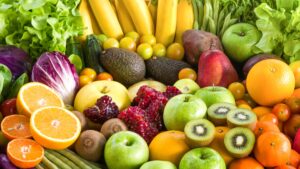
Nigerian fruits
Yet, despite their availability in many parts of the country, fruits do not always receive the attention they deserve. Busy schedules, rising food prices, limited nutrition information and a preference for highly processed snacks can make it easy to overlook the value of fresh produce.
The good news is that eating more fruit does not necessarily require an expensive diet or imported health products. Many Nigerian fruits are locally available, can be eaten without elaborate preparation and fit naturally into traditional eating habits.
Understanding the health benefits of Nigerian fruits can help you make more informed decisions about what you eat, how you plan your meals and how you care for your general well-being.
From the vitamin C in oranges and guava to the water content of watermelon and the dietary fibre in pawpaw, different fruits provide different nutritional benefits. No single fruit supplies everything your body needs, which is why variety matters.
The World Health Organization recommends that people older than 10 years aim for at least 400 grams of fruits and vegetables daily as part of a healthy diet. This recommendation covers fruits and vegetables together, rather than fruits alone.
In this guide, you will discover ten Nigerian fruits worth including in your diet, their nutritional properties, how they may support everyday health, how to select and store them, and practical ways to enjoy them without spending unnecessarily.
Whether you live in Lagos, Abuja, Port Harcourt, Kano, Ibadan or a smaller Nigerian community, this article will help you appreciate the nutritional value of familiar fruits and understand how to make them part of a balanced lifestyle.

1. Understanding the Health Benefits of Nigerian Fruits
Before exploring individual fruits, it is important to understand what makes fruit a valuable part of a balanced diet.
Fruits contain different combinations of nutrients. Some provide substantial amounts of vitamin C, while others contribute potassium, folate, carotenoids, water or dietary fibre. Their colours, textures and flavours often reflect differences in the plant compounds they contain.
These nutrients perform important functions throughout the body, including supporting normal immune function, maintaining healthy tissues, regulating fluid balance and helping the digestive system work properly.
What makes Nigerian fruits nutritious?
Many fruits grown, sold or commonly consumed in Nigeria are tropical or subtropical varieties. Examples include:
- Pawpaw, also known as papaya.
- Watermelon.
- Sweet oranges.
- Pineapple.
- Guava.
- Banana.
- Mango.
- African star apple, commonly called agbalumo or udara.
- African pear, commonly called ube.
- Avocado pear.
Their nutritional composition differs, so eating several types throughout the week is generally more useful than relying on one favourite fruit.
For example, oranges and guava are notable sources of vitamin C. Pawpaw provides vitamin C and carotenoids, while watermelon contributes water and some vitamin C. Bananas provide carbohydrates and potassium, and avocados supply mostly unsaturated fat alongside fibre.
These differences explain why a varied fruit selection can be more beneficial than eating only oranges or only watermelon every day.
Are Nigerian fruits better than imported fruits?
Not automatically. A fruit’s nutritional value depends on its variety, ripeness, storage conditions, preparation and portion size, rather than whether it is locally grown or imported.
However, locally available fruits can offer practical advantages. They may be easier to purchase in season, require less transport to reach consumers and fit familiar meals and snacking habits.
Choosing fresh, affordable produce that you can eat regularly is often more practical than buying expensive foods because they are marketed as superfoods.
The important principle is simple: select a variety of fruits that are accessible, safe to eat and suitable for your dietary needs.
2. Ten Amazing Health Benefits of Nigerian Fruits
The following ten benefits explain how common fruits can contribute to everyday nutrition. These are nutritional contributions, not promises that eating a particular fruit will prevent, treat or cure a medical condition.
Benefit 1: Health Benefits of Nigerian Fruits for Immune Function
Your immune system protects your body against harmful organisms and helps it respond to infections. It relies on several nutrients, including vitamin C, vitamin A, zinc, protein and others.
Some Nigerian fruits can help supply important nutrients involved in normal immune function.
Oranges, guava, pawpaw and pineapple contain vitamin C in varying amounts. Vitamin C supports normal immune function and helps the body produce collagen, a protein required for healthy skin, blood vessels and connective tissues.
Guava is particularly useful to consider because some varieties provide substantial amounts of vitamin C per serving. Oranges are another familiar option and are often easy to find in Nigerian markets.
Pawpaw also contributes vitamin C, alongside carotenoids and other plant compounds.
However, eating large quantities of fruit does not guarantee that you will avoid infections. Immune health depends on many factors, including overall diet, sleep, physical activity, vaccination where appropriate and access to medical care.
How to include these fruits in your diet:
- Eat a fresh orange as a midmorning snack.
- Add ripe pawpaw to breakfast.
- Enjoy guava when it is available and in good condition.
- Choose whole pineapple pieces instead of regularly drinking sweetened pineapple beverages.
- Combine fruit with other nutritious foods, including beans, eggs, fish, vegetables and whole grains.
The goal is not to depend on one fruit as an immunity booster. It is to maintain a varied diet that supplies the nutrients your body needs.
Benefit 2: Health Benefits of Nigerian Fruits for Healthy Digestion
Digestive health is another reason to make fruit part of your regular eating habits.
Many fruits contain dietary fibre, which contributes to normal bowel function. Some also contain considerable amounts of water, which can help support hydration and make stools easier to pass when combined with adequate fluid intake.
Pawpaw, guava, oranges and bananas are practical options for people looking to increase their intake of whole fruit.
Dietary fibre comes in different forms. Some types help add bulk to stools, while others can be fermented by beneficial bacteria in the large intestine. The effects depend on the type and amount of fibre consumed.
Eating a variety of fibre-containing foods is generally more useful than expecting one fruit to solve every digestive problem.
The best Nigerian fruits for healthy digestion include:
- Pawpaw: Provides water and dietary fibre, depending on the serving and ripeness.
- Guava: Can contribute useful amounts of fibre when the edible parts are consumed.
- Orange: Supplies water and fibre, particularly when the whole fruit is eaten rather than only drinking its juice.
- Banana: Provides carbohydrates and fibre, with the composition changing as the fruit ripens.
- Pineapple: Supplies water and some fibre, along with vitamin C.
One common mistake is removing all the edible pulp and relying exclusively on strained fruit juice. This can reduce the amount of fibre you consume.
If you frequently experience constipation, increase fibre gradually and drink enough water. Sudden increases in fibre may cause gas or bloating in some people.
Persistent abdominal pain, blood in the stool, unexplained weight loss or continuing changes in bowel habits require medical assessment rather than relying on fruit alone.
Benefit 3: Health Benefits of Nigerian Fruits for Hydration
Nigeria’s warm weather can make hydration especially important, particularly for people who work outdoors, exercise or spend long periods in hot environments.
Watermelon is one of the most familiar fruits for this purpose because it contains a high proportion of water. Oranges, pawpaw, pineapple and many other fresh fruits also contribute fluid.
Eating water-rich fruit can complement the water you drink throughout the day.
Watermelon is especially convenient because it can be cut into manageable portions and served chilled. It is also naturally sweet, making it an appealing alternative to some sugar-sweetened snacks and drinks.
However, fruit cannot replace drinking water when your body needs additional fluids. Sweating, physical activity, fever, vomiting and diarrhoea may increase fluid requirements.
Practical ways to use fruits to support hydration:
- Serve fresh watermelon alongside a meal.
- Keep washed oranges available for snacks.
- Eat pineapple or pawpaw as part of breakfast.
- Drink safe water regularly throughout the day.
- Carry water when travelling or working outdoors.
If you have a medical condition that requires fluid restriction, follow the advice of your healthcare professional.
Benefit 4: Health Benefits of Nigerian Fruits for Heart Health
Heart health is influenced by several factors, including blood pressure, blood cholesterol, smoking, physical activity, genetics and overall dietary habits.
A diet rich in fruits and vegetables can contribute to cardiovascular health, particularly when it replaces some foods high in salt, added sugar and unhealthy fats.
Different fruits supply nutrients that participate in normal body functions relevant to cardiovascular health.
Bananas and oranges provide potassium, a mineral involved in fluid balance, nerve signalling and muscle function. Potassium intake is relevant to blood pressure regulation, although individual requirements differ.
Avocado provides unsaturated fats and fibre. Pawpaw, oranges, guava and other fruits contribute fibre and plant compounds as part of a varied diet.
The benefit comes from the overall eating pattern rather than one supposedly magical fruit.
For example, replacing a frequently consumed sugary snack with whole fruit may improve the nutritional quality of your diet. Combining fruit with vegetables, beans, whole grains, nuts and appropriate protein sources can contribute to a balanced meal pattern.
Heart-friendly fruit habits include:
- Eat whole fruit instead of regularly choosing sugary drinks.
- Vary your fruit choices throughout the week.
- Limit added sugar in smoothies and fruit drinks.
- Include vegetables, beans and whole grains in your meals.
- Moderate foods high in salt and unhealthy fats.
People with kidney disease or those taking certain medicines may need to monitor potassium intake. They should seek individual medical advice rather than substantially increasing high-potassium foods without guidance.
Benefit 5: Health Benefits of Nigerian Fruits for Healthy Skin
Healthy skin depends on several factors, including genetics, hydration, sun exposure, sleep, nutrition and skincare habits.
Fruits can contribute nutrients that help the body maintain normal skin structure and function.
Vitamin C is required for collagen formation. Collagen is a structural protein that helps support skin and connective tissues. Oranges, guava, pawpaw and pineapple can contribute vitamin C to the diet.
Pawpaw and mango also contain carotenoids, some of which the body can convert into vitamin A. Vitamin A is important for normal cell growth and the maintenance of epithelial tissues.
Water-rich fruits contribute to overall fluid intake, which is important for general health. However, drinking fruit juice or eating watermelon is not a guaranteed treatment for dry skin.
Ways to include skin-supporting nutrients in your diet:
- Eat oranges or guava regularly.
- Include ripe pawpaw or mango when available.
- Combine fruits with protein sources and healthy fats.
- Drink sufficient water.
- Protect your skin from excessive sun exposure.
No fruit can erase wrinkles overnight, cure eczema or replace treatment for skin disease. Be cautious of products claiming that a particular fruit can completely transform your skin in a few days.
Benefit 6: Health Benefits of Nigerian Fruits for Eye Health
Good vision depends on several nutrients, including vitamin A, which supports normal vision, especially in low-light conditions.
Some fruits contain carotenoids that the body can convert into vitamin A. Pawpaw and mango are useful examples.
The amount of vitamin A the body receives depends on the fruit variety, serving size and how efficiently the body absorbs and converts its carotenoids.
These fruits can contribute to a diet that supports normal eye function, but they are not substitutes for professional eye care.
Other foods, including dark-green leafy vegetables, eggs and certain animal-source foods, can also provide nutrients important for vision.
Practical tips for supporting eye health through diet:
- Include pawpaw or mango when available.
- Eat a range of colourful fruits and vegetables.
- Avoid smoking and protect your eyes from excessive ultraviolet exposure.
- Take breaks during prolonged screen use.
- Arrange an eye examination when appropriate.
If you experience sudden vision loss, severe eye pain or sudden changes in vision, seek urgent medical attention. Do not attempt to treat these symptoms with fruit.
Benefit 7: Health Benefits of Nigerian Fruits for Weight Management
Maintaining a healthy weight involves balancing food intake, physical activity, sleep and other factors that influence appetite and metabolism.
Whole fruits can be useful in a weight-management plan because many provide water and fibre relative to their energy content.
For example, watermelon contains substantial water, while oranges, guava and pawpaw can offer a satisfying snack when eaten whole.
Replacing some high-calorie, nutrient-poor snacks with whole fruit may help improve the overall quality of your diet.
However, fruit is not a weight-loss medicine. Eating excessive quantities of any food can contribute to an energy intake greater than your body requires.
Fruit juice and smoothies also require consideration. Large servings may supply more energy and sugar than expected, especially when made with several fruits, sweeteners or other calorie-rich ingredients.
How to enjoy fruit while managing your weight:
- Eat whole fruit instead of frequently drinking sugary beverages.
- Pay attention to portion sizes without becoming unnecessarily restrictive.
- Combine fruit with balanced meals containing protein and fibre.
- Avoid adding sugar, syrup or sweetened condensed milk to fruit salads.
- Maintain regular physical activity and adequate sleep.
People with diabetes can generally include suitable portions of whole fruit in a balanced eating plan. The amount and timing should reflect individual glucose management needs and professional advice.
The aim is to develop eating habits you can maintain, not to depend on a fruit-only diet or extreme restrictions.
Benefit 8: Health Benefits of Nigerian Fruits for Energy and Everyday Activity
Your body needs energy to walk, work, study, exercise and carry out ordinary daily activities.
Fruits provide carbohydrates, including naturally occurring sugars, which the body can use for energy.
Bananas, mangoes, oranges and pawpaw can all contribute carbohydrates to meals and snacks. Their water, vitamins and other nutrients also contribute to their overall nutritional value.
A banana may be a convenient snack before physical activity, while oranges or pawpaw can provide a refreshing option during a busy day.
Nevertheless, fruit alone does not provide all the nutrients needed for sustained energy and recovery. Protein, healthy fats, adequate total food intake and other carbohydrate sources also matter.
Simple combinations for a more balanced snack include:
- Banana with a small serving of unsalted nuts.
- Pawpaw alongside plain yoghurt.
- Orange with a boiled egg.
- Fruit served with oats or another whole-grain food.
- Fresh mango alongside a balanced meal.
If you frequently feel unusually tired despite eating adequately, consider seeking medical advice. Persistent fatigue can have causes that food alone will not address.
Benefit 9: Health Benefits of Nigerian Fruits for Nutrient Intake
One of the most valuable benefits of eating a variety of fruits is the opportunity to obtain several essential nutrients from ordinary foods.
Nutrients are substances the body needs to function properly. Some are required in relatively large amounts, while vitamins and minerals are needed in smaller quantities.
Fruits can contribute vitamin C, potassium, folate, carotenoids and dietary fibre, although the amounts differ substantially between varieties.
Oranges and guava are useful sources of vitamin C. Bananas contribute potassium. Pawpaw and mango contain carotenoids, while avocados provide unsaturated fats and fibre.
These nutrients support different functions, so variety is important.
For example, vitamin C supports collagen formation and helps improve the absorption of non-haem iron from plant foods when consumed together. This can be useful when eating meals containing beans, leafy vegetables and other plant sources of iron.
However, fruit should not be regarded as a complete replacement for other food groups. Most fruits provide relatively little protein, and their iron content is generally not sufficient to serve as the main source of iron in the diet.
To improve dietary variety:
- Rotate between different fruits.
- Combine fruit with vegetables, legumes and whole grains.
- Include appropriate protein sources such as eggs, fish, beans or other foods that suit your diet.
- Choose a variety of colours and textures.
- Eat fruit as part of a balanced meal pattern rather than relying on it exclusively.
A varied diet is more reliable than concentrating on one nutrient or food.
Benefit 10: Health Benefits of Nigerian Fruits Through Better Everyday Eating Habits
The benefits of fruit extend beyond individual vitamins and minerals. Including fruit regularly can help you build a healthier overall eating pattern.
For example, someone who frequently eats biscuits, sweets or sugary drinks may improve the nutritional quality of their snacks by choosing whole fruit more often.
A person who skips breakfast might find it easier to include pawpaw or a banana alongside oats, eggs or another suitable breakfast food.
A family planning meals on a budget may choose seasonal oranges, watermelon or other locally available fruits instead of buying expensive imported produce.
These are simple changes, but sustainable habits are often more practical than dramatic dietary overhauls.
Healthy habits worth developing include:
- Keeping seasonal fruit available at home.
- Washing fruit before cutting or eating it.
- Preparing fruit in advance when practical.
- Choosing whole fruit more often than juice.
- Including fruit in meals and snacks without neglecting other food groups.
- Buying only the quantities you can store and consume before spoilage.
The key is consistency. Eating a reasonable variety of fruit regularly can be more practical than purchasing large amounts once and allowing them to spoil.

3. Nutritional Benefits of Pawpaw, Watermelon and Oranges
Pawpaw, watermelon and oranges are familiar fruits in Nigeria, but they differ in their nutritional strengths.
Understanding these differences can help you choose the fruit that best suits your needs, preferences and budget.
Pawpaw: A source of vitamin C and carotenoids
Pawpaw is a soft, sweet fruit that can be eaten at breakfast, served after a meal or added to a mixed fruit bowl.
Its nutritional contribution includes vitamin C, carotenoids and water, along with some dietary fibre.
The orange flesh of ripe pawpaw contains carotenoids, including beta-carotene, which the body can convert into vitamin A.
Pawpaw is also convenient because it can be eaten with little preparation beyond washing the outside, cutting the fruit and removing the seeds.
Best ways to enjoy pawpaw:
- Eat fresh slices at breakfast.
- Combine it with banana or another fruit.
- Serve it as a dessert instead of a heavily sweetened treat.
- Add it to plain yoghurt if dairy products suit your diet.
Watermelon: A refreshing source of water
Watermelon is particularly popular during hot weather because of its refreshing texture and high water content.
It contributes water, some vitamin C and other plant compounds, including lycopene in red-fleshed varieties.
Its water content makes it a useful addition to meals and snacks, although it should not replace drinking water.
Watermelon is naturally sweet, so adding sugar is generally unnecessary.
Best ways to enjoy watermelon:
- Eat chilled slices as a snack.
- Serve it alongside breakfast or lunch.
- Cut it into cubes for a mixed fruit bowl.
- Refrigerate cut portions promptly.
Oranges: A familiar source of vitamin C
Oranges are widely recognised for their vitamin C content. This nutrient supports normal immune function, collagen formation and iron absorption from plant-based foods.
Oranges also contribute water and some dietary fibre when eaten whole.
Whole oranges are generally preferable to strained juice when your goal is to obtain fibre and manage how quickly you consume fruit sugars.
Best ways to enjoy oranges:
- Peel and eat the whole fruit.
- Add orange segments to a fruit bowl.
- Eat an orange alongside a meal containing beans or leafy vegetables.
- Choose fresh fruit instead of regularly relying on sweetened orange-flavoured drinks.
Quick comparison table
| Fruit | Main nutritional contributions | Practical everyday benefit | Easy way to eat it |
|---|---|---|---|
| Pawpaw | Vitamin C, carotenoids, water and some fibre | Supports normal immune function and nutrient intake | Fresh slices |
| Watermelon | Water, vitamin C and lycopene in red varieties | Helps contribute to fluid intake | Fresh cubes or slices |
| Orange | Vitamin C, water and fibre when eaten whole | Supports collagen formation and iron absorption | Whole peeled fruit |
| Guava | Vitamin C and dietary fibre | Adds variety to fibre and vitamin C intake | Washed whole fruit |
| Banana | Carbohydrates, potassium and fibre | Convenient snack for everyday energy | Fresh and peeled |
| Pineapple | Vitamin C, water and some fibre | Adds flavour and variety to meals | Fresh pieces |
| Mango | Carotenoids, vitamin C and carbohydrates | Contributes to vitamin intake | Fresh slices |
| Agbalumo | Vitamin C and other nutrients that vary by variety | Provides seasonal fruit variety | Fresh edible pulp |
| Avocado | Unsaturated fats, fibre and potassium | Adds energy and unsaturated fats to meals | Slices with meals |
| African pear | Fats and other nutrients that vary with preparation | Adds variety to local food choices | Prepared appropriately |
Note: Nutrient levels vary with fruit variety, ripeness, edible portion and serving size. This table describes general nutritional characteristics rather than exact laboratory measurements.
4. Other Nigerian Fruits Worth Including in Your Diet
Beyond pawpaw, watermelon and oranges, several other fruits can contribute to a varied and nutritious eating pattern.
Guava
Guava is a useful option for people seeking vitamin C and dietary fibre. Depending on the variety, it can provide substantial amounts of vitamin C per serving.
Wash it thoroughly before eating. If you find the seeds uncomfortable, choose a preparation that suits your digestive needs.
Banana
Bananas are convenient because they require little preparation and are easy to carry. They supply carbohydrates and potassium, making them a practical snack for students, workers and people who exercise.
They can also be served with oats, plain yoghurt or other foods to create a more balanced snack.
Mango
Mango provides carbohydrates, vitamin C and carotenoids. It can be eaten fresh or included in a fruit bowl.
Because ripe mango is naturally sweet, added sugar is usually unnecessary.
Pineapple
Pineapple provides vitamin C and water, along with a naturally sweet and slightly acidic flavour.
It can be served fresh or included in meals. People who experience mouth irritation or acid-related discomfort after eating pineapple may prefer smaller portions or another fruit.
Agbalumo or udara
African star apple is a seasonal fruit enjoyed in different parts of Nigeria. Its flavour and nutritional composition vary by variety and maturity.
It offers another way to diversify fruit intake rather than depending on the same few fruits throughout the year.
Avocado pear
Avocado differs from many other fruits because it contains more fat, particularly monounsaturated fat, rather than being primarily a source of carbohydrate.
It also provides fibre and other nutrients. Its energy content is higher than that of many water-rich fruits, so portion size may matter for people managing their overall energy intake.
Avocado can be eaten with meals or added to a suitable salad.
5. How to Choose the Best Nigerian Fruits for Healthy Digestion
People often search for the best Nigerian fruits for healthy digestion because constipation, bloating and irregular bowel movements are common concerns.
Fruit can contribute to digestive health, but choosing the right fruit involves considering fibre, fluid intake, portion size and individual tolerance.
Choose whole fruits more often
When practical, eat the edible parts of whole fruit rather than relying exclusively on strained juice.
Juicing and straining can remove much of the fibre found in the original fruit. Drinking juice can also make it easier to consume the sugar from several fruits quickly.
Whole oranges, guava, pawpaw and bananas can all contribute to fibre intake.
Increase fibre gradually
If you usually eat very little fibre, suddenly eating large quantities of fruit may cause gas, bloating or discomfort.
Increase your intake gradually and drink adequate water.
You can also obtain fibre from beans, whole grains, vegetables, nuts and seeds.
Pay attention to your individual response
People do not all respond to foods in the same way. Some may experience bloating after eating particular fruits or large portions.
If you have irritable bowel syndrome or another digestive condition, certain fruits may trigger symptoms. A healthcare professional or registered dietitian can help you identify suitable choices without unnecessarily eliminating entire food groups.
Do not use fruit as a substitute for medical care
Persistent constipation, severe abdominal pain, vomiting, blood in the stool or unexplained weight loss should not be ignored.
Fruit is part of a healthy diet, not a universal treatment for digestive disease.
6. How Many Fruits Should You Eat Daily?
There is no single fruit quantity that is ideal for every person. Requirements depend on age, total energy needs, activity level, medical conditions and the rest of the diet.
The World Health Organization recommends at least 400 grams of fruits and vegetables combined per day for people older than 10 years.
That does not mean you must eat 400 grams of fruit alone. Vegetables contribute to the same recommendation and provide nutrients that fruit may not supply in the same amounts.
A practical approach is to include fruit regularly while also eating vegetables and other nutritious foods.
What does a practical daily routine look like?
A simple routine might include:
- Breakfast: Pawpaw slices alongside oats or eggs.
- Midmorning: An orange or banana.
- Lunch: A balanced meal containing vegetables, a suitable protein source and a staple food.
- Afternoon: Watermelon or guava when available.
- Dinner: A balanced meal with vegetables, legumes or another protein source.
This is only an example, not a mandatory meal plan. You do not need to eat all these fruits every day.
If cost is a concern, choose one or two seasonal fruits and vary them when your budget allows. A healthy diet should be practical enough to maintain.
7. Healthy Nigerian Foods: Combining Fruits with Traditional Meals
Healthy Nigerian foods do not have to be unfamiliar, expensive or imported. Many traditional foods can form part of a balanced diet when portions, preparation methods and food variety are considered.
Fruits are most useful when they complement, rather than replace, the rest of your meals.
Pair fruit with protein
Fruit alone may not keep everyone satisfied for long. Combining it with a suitable protein source can make a snack more balanced.
Examples include:
- Banana with groundnuts, if you are not allergic.
- Pawpaw with plain yoghurt.
- Orange alongside boiled eggs.
- Fruit with a meal containing beans or fish.
Include vegetables and legumes
Fruits and vegetables have different nutritional profiles. Dark-green leafy vegetables, tomatoes, carrots, okra and other vegetables can supply nutrients that complement those found in fruit.
Beans and other legumes provide protein, fibre and several minerals. Including them regularly can improve the overall nutritional quality of meals.
Choose suitable cooking methods
Deep-frying and adding large quantities of sugar or salt can change the nutritional profile of meals.
For many dishes, boiling, steaming, grilling or using moderate amounts of oil can be practical alternatives.
The goal is not to eliminate favourite Nigerian foods. It is to build a balanced pattern that includes a variety of foods and limits excessive amounts of ingredients that can negatively affect health when consumed frequently.
8. How to Eat More Fruits Without Spending Too Much
The cost of food is a genuine concern for many Nigerian households. Fortunately, improving fruit intake does not require buying every variety available in the market.
Buy fruits that are in season
Seasonal supply can influence price, availability and quality. Compare prices at local markets and choose fruits that are affordable and in good condition.
For example, you might buy oranges during a period when they are relatively inexpensive and choose watermelon or pawpaw at another time.
Prices vary by location, season and market conditions, so there is no single fruit that is always the cheapest.
Purchase manageable quantities
Buying more fruit than your household can consume may lead to spoilage and wasted money.
Consider how many people will eat the fruit, how quickly it ripens and whether you have space to store it safely.
Use fruit as a replacement when appropriate
If you regularly buy sweets, biscuits or sugary drinks, replacing some of those purchases with whole fruit may improve the nutritional quality of your diet.
However, fruit should not be viewed as a luxury that must replace essential foods such as beans, eggs, fish or other protein sources.
Reduce waste through proper storage
Keep uncut fruit in a clean, suitable location according to the fruit’s ripeness and storage needs. Refrigerate cut fruit promptly in a clean, covered container.
If you cut a watermelon or pineapple, avoid leaving it exposed for long periods in hot weather.
Do not eat fruit that shows signs of significant spoilage, mould or an unusual smell. Cutting away visibly mouldy areas is not a reliable way to make soft, spoiled fruit safe.
9. Common Mistakes to Avoid When Eating Nigerian Fruits
Even nutritious foods can be consumed in ways that are less helpful for health. Understanding common mistakes can help you get more value from the fruits you buy.
Mistake 1: Drinking juice instead of eating whole fruit every time
Fruit juice can contain vitamins, but juicing and straining often remove much of the fibre. Juice can also deliver sugar quickly and in concentrated amounts.
Whole fruit is generally a better everyday choice.
Mistake 2: Adding unnecessary sugar
Pawpaw, mango, pineapple and watermelon are naturally sweet. Adding sugar, syrup or sweetened condensed milk can increase the sugar and energy content of a fruit dish.
Try enjoying the fruit’s natural flavour first.
Mistake 3: Believing one fruit can cure disease
No fruit is a guaranteed cure for diabetes, hypertension, infertility, cancer or other medical conditions.
A nutritious diet can support general health, but medical conditions may require diagnosis, medication or other professional care.
Mistake 4: Ignoring food hygiene
Fruits may become contaminated during harvesting, transport, handling or preparation.
Wash your hands before preparing food. Rinse fruit under safe running water before cutting or eating it, including fruit you intend to peel. Use clean knives and chopping boards.
Avoid using soap or household detergents to wash fruit.
Mistake 5: Eating only fruit to lose weight
A fruit-only diet can leave you short of protein, essential fats and other nutrients. It may also be difficult to sustain.
Use fruit as one part of a balanced diet that includes suitable protein sources, vegetables, whole grains and other foods.
Mistake 6: Ignoring medical dietary restrictions
Some people need individual dietary advice because of kidney disease, diabetes, food allergies, digestive conditions or medicines that affect nutrient levels.
For example, potassium-rich fruits may need to be managed differently by people with certain kidney conditions.
A qualified healthcare professional can help you determine what is appropriate.

10. What Does Scientific Evidence Say About Fruits and Health?
The relationship between fruits and health has been studied extensively. Public-health guidance consistently encourages a varied diet that includes fruits and vegetables.
The World Health Organization explains that fruit and vegetable consumption contributes vitamins, minerals, dietary fibre and other beneficial plant compounds. Higher consumption as part of a healthy dietary pattern is associated with a lower risk of several noncommunicable diseases.
For reliable general guidance, consult the WHO healthy diet fact sheet.
The WHO also discusses the importance of increasing fruit and vegetable consumption in its guidance on fruit and vegetables for reducing noncommunicable disease risk.
These two resources are useful starting points for understanding why dietary variety matters.
Why should claims about fruit benefits be interpreted carefully?
A study showing that a fruit contains vitamin C does not automatically prove that eating that fruit prevents a particular disease.
It is important to distinguish between three types of evidence:
- Nutrient evidence: Research establishes that a food contains a particular nutrient.
- Biological evidence: Research explains how that nutrient contributes to normal body functions.
- Clinical evidence: Studies investigate whether consuming the food or nutrient changes a meaningful health outcome.
These are related but not interchangeable.
For example, vitamin C is essential for normal immune function. That does not mean eating extra oranges will necessarily prevent an infection or shorten every illness.
Similarly, fruits contain antioxidants and other plant compounds, but the presence of these compounds does not mean that a particular fruit detoxifies the body or cures a chronic disease.
A balanced approach is to use well-established nutrition guidance, eat a variety of fruits and avoid exaggerated health claims.
11. Practical Seven-Day Plan for Enjoying Nigerian Fruits
You do not need an elaborate meal plan to eat fruit more regularly. A simple routine can help you build the habit while keeping food choices flexible.
| Day | Fruit suggestion | Practical serving idea |
|---|---|---|
| Monday | Pawpaw | Fresh slices with breakfast |
| Tuesday | Orange | Whole fruit as a snack |
| Wednesday | Banana | Banana with oats or groundnuts |
| Thursday | Watermelon | Cubes served with lunch |
| Friday | Guava | Washed fruit as an afternoon snack |
| Saturday | Pineapple | Fresh pieces after a meal |
| Sunday | Mango or seasonal fruit | A small bowl alongside breakfast |
This plan is only a suggestion. You can repeat affordable fruits, substitute what is in season or choose alternatives that suit your preferences and medical needs.
If you cannot afford a different fruit every day, that is not a failure. The more important goal is to improve your overall diet gradually and consistently.
12. Frequently Asked Questions About the Health Benefits of Nigerian Fruits
1. What are the main health benefits of Nigerian fruits?
Nigerian fruits can contribute vitamins, minerals, water, dietary fibre and beneficial plant compounds. Depending on the variety, they may support normal immune function, digestion, hydration, nutrient intake and a balanced eating pattern.
Their benefits vary, and no single fruit supplies every nutrient the body needs.
2. Which Nigerian fruit is best for immunity?
Oranges, guava, pawpaw and pineapple can contribute vitamin C, which supports normal immune function. However, immune health also depends on overall nutrition, sleep, physical activity and other health factors.
There is no single fruit that guarantees protection against infection.
3. What are the nutritional benefits of pawpaw, watermelon and oranges?
Pawpaw provides vitamin C, carotenoids and water. Watermelon contributes substantial water, along with some vitamin C and other plant compounds. Oranges are a familiar source of vitamin C and provide water and fibre when eaten whole.
All three can be part of a varied diet.
4. What are the best Nigerian fruits for healthy digestion?
Pawpaw, guava, oranges and bananas can contribute dietary fibre. Whole fruits generally provide more fibre than strained juice.
For digestive health, combine fruit with other fibre-rich foods, drink adequate water and increase fibre gradually.
5. Can eating fruits every day improve my health?
Eating fruit regularly can help improve your nutrient intake and overall dietary quality, particularly when fruit replaces some less nutritious snacks.
The benefits depend on your overall diet, portion sizes and health circumstances. Eating fruit every day is not a guarantee against disease.
6. Are Nigerian fruits good for weight loss?
Whole fruit can fit into a weight-management plan because many fruits contain water and fibre. Replacing some sugary snacks or beverages with whole fruit may improve the nutritional quality of your diet.
However, no fruit independently causes weight loss. Total dietary intake, activity and other factors matter.
7. Is it better to eat fruit or drink fruit juice?
Whole fruit is generally preferable for everyday consumption because it retains its natural structure and usually provides more fibre than strained juice.
Juice can still contribute nutrients, but portions matter. Avoid routinely adding sugar to fruit drinks.
8. Which Nigerian fruits contain vitamin C?
Oranges, guava, pawpaw and pineapple are familiar sources of vitamin C. The amount varies according to variety, maturity, serving size and storage conditions.
Including different fruits throughout the week can help diversify your nutrient intake.
9. Can people with diabetes eat Nigerian fruits?
Many people with diabetes can include whole fruit in a balanced eating plan. Portion size, total carbohydrate intake, individual glucose responses and medical advice are important.
Avoid assuming that all fruit is unsuitable because it contains natural sugar. If you have diabetes, a qualified healthcare professional or dietitian can help you determine appropriate portions.
10. Should I eat fruit before or after meals?
There is no universal rule requiring everyone to eat fruit before meals. Fruit can be enjoyed at breakfast, between meals or alongside other foods.
Choose the timing that fits your appetite, routine and individual health needs.
11. Do Nigerian fruits detoxify the body?
There is no good evidence that a particular fruit or fruit-only cleanse removes unspecified toxins from the body. Your liver and kidneys carry out important processes involved in processing and eliminating waste.
Eating a balanced diet, drinking adequate water and seeking medical care when necessary are more reliable approaches to supporting health.
12. Can I eat the same fruit every day?
You can enjoy a favourite fruit regularly, but eating different varieties helps diversify your nutrient intake.
If oranges are affordable and available, they can be a useful choice. When possible, rotate them with pawpaw, bananas, guava, watermelon and other fruits.
13. Are imported fruits healthier than Nigerian fruits?
Not necessarily. Nutritional value depends on the fruit variety, ripeness, storage, preparation and portion size.
Locally available fruits can be nutritious and convenient. Choose a range of safe, good-quality fruits that fit your budget.
14. How should I wash fruits before eating them?
Wash your hands and rinse fruit thoroughly under safe running water before eating or cutting it. Use clean utensils and surfaces.
Do not use household detergents or soap on fruit. Refrigerate cut fruit promptly and discard fruit that shows significant spoilage.
15. Can fruits replace vegetables?
No. Fruits and vegetables have overlapping but different nutritional profiles. Both contribute to a varied diet, and vegetables can provide nutrients that are less abundant in particular fruits.
Include both groups regularly where possible.
Conclusion: Make the Health Benefits of Nigerian Fruits Part of Your Everyday Life
The health benefits of Nigerian fruits extend far beyond their sweet flavours and refreshing textures. Pawpaw, watermelon, oranges, guava, bananas, mangoes, pineapple, agbalumo, avocado and other familiar fruits can all contribute valuable nutrients to your diet.
Different fruits provide different benefits. Some are useful sources of vitamin C, others contribute water or dietary fibre, and some provide potassium, carotenoids or unsaturated fats.
The most practical approach is to eat a variety of fruits alongside vegetables, beans, whole grains and suitable protein sources. Choose fruits that are affordable, available and safe to eat, and avoid relying on exaggerated claims about individual foods.
You do not need to buy every fruit in the market or change your diet overnight. Start with a simple step: include a piece of whole fruit with breakfast, replace a sugary snack occasionally or purchase seasonal produce that your household can consume before it spoils.
Over time, small and sustainable improvements can help you build a more balanced eating pattern.
Remember: Healthy eating is not about finding one miracle fruit. It is about making informed choices, enjoying a variety of nutritious foods and developing habits that support your well-being over the long term.
About The Author