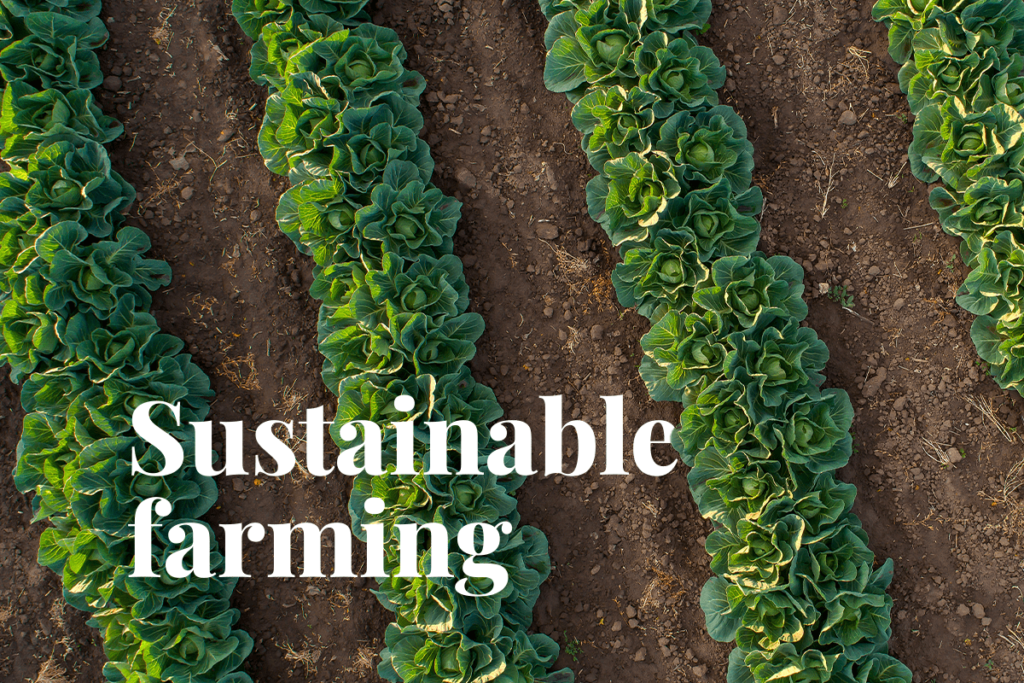
Sustainable farming
This situation is familiar to many farmers around the world. In some areas, prolonged drought makes cultivation difficult. In others, heavy rainfall washes away valuable topsoil, while rising production costs reduce the money farmers earn from selling their crops.
The problem is not simply how to grow more food. It is how to continue producing food without gradually destroying the natural resources that make farming possible.
This is where sustainable farming becomes important.
Sustainable farming is an approach to agriculture that combines productive farming, responsible resource management, environmental protection, and long-term economic viability. Rather than concentrating only on the next harvest, it considers how today’s farming decisions will affect future harvests, farmers’ livelihoods, local communities, and the environment.
For example, a maize farmer can improve soil fertility by rotating maize with legumes, returning suitable crop residues to the soil, and using compost where appropriate. A vegetable farmer can conserve water through drip irrigation, mulch, and careful watering schedules. A livestock farmer can manage animal manure responsibly and use it to improve soil fertility when it has been properly treated.
These practices do not necessarily require a large commercial farm or expensive machinery. Many sustainable farming methods can be introduced gradually on small family farms, market gardens, and larger agricultural operations.
Sustainable farming is also not limited to organic production. Farmers can use a combination of traditional knowledge, scientific research, improved seeds, appropriate technology, and careful planning to develop a system that works for their particular environment.
In this comprehensive guide, you will discover what sustainable farming means, why sustainable agriculture is important, the six principles that guide it, the benefits it offers farmers and the environment, and practical examples of how these methods work in real agricultural settings.
Whether you are a beginner, an experienced farmer, an agricultural student, or someone interested in the future of food production, understanding sustainable farming can help you make better decisions about land, water, crops, animals, and farm investments.

What Is Sustainable Farming? Meaning and Definition
Sustainable farming refers to growing crops and raising animals in ways that support long-term agricultural productivity while protecting natural resources and maintaining a viable livelihood for farmers.
In simple terms, it means farming today without unnecessarily reducing the ability of future generations to farm successfully.
The approach recognizes that agriculture depends on several interconnected resources, including:
- Healthy soil: Crops need fertile soil with suitable structure, nutrients, organic matter, and biological activity.
- Clean and sufficient water: Farming requires reliable water supplies without causing unnecessary depletion or contamination.
- Biodiversity: Plants, insects, microorganisms, birds, and other organisms contribute to pollination, nutrient cycling, and ecological balance.
- Economic resources: Farmers need sufficient income to pay workers, purchase inputs, maintain equipment, and support their households.
- Human knowledge and labor: Agricultural systems depend on the people who manage farms, make decisions, and maintain local food production.
A sustainable farm considers how these resources interact rather than treating each one as an isolated concern.
For instance, applying excessive fertilizer may temporarily increase crop growth, but poorly managed applications can waste money and contribute to water pollution. Leaving bare soil exposed during heavy rainfall can increase erosion, reducing future productivity. Likewise, producing a large harvest is not economically sustainable if the cost of seeds, fuel, labor, and other inputs consistently exceeds the revenue earned.
The Food and Agriculture Organization of the United Nations emphasizes that sustainable agriculture should balance productivity, environmental health, and social and economic well-being. Its approach is explained in the organization’s Sustainable Food and Agriculture framework.
This broad definition is important because a farm does not become sustainable simply by adopting one environmentally friendly practice. Sustainability depends on how the entire farming system performs over time.
What Is Sustainable Farming in Simple Terms?
Imagine two farmers cultivating similar plots of land.
The first farmer removes all crop residues after every harvest, grows the same crop repeatedly without adequate nutrient replacement, applies fertilizer without checking crop needs, and leaves the soil exposed during the dry season.
The second farmer rotates crops, protects the soil with mulch where practical, uses fertilizer according to crop requirements, manages water carefully, and monitors pest populations before deciding how to control them.
Both farmers may harvest crops in the current season. However, the second farmer is deliberately managing the land to maintain its productivity, reduce avoidable waste, and improve resilience over time.
This illustrates the central idea of sustainable farming: the goal is not only to harvest successfully today but also to preserve the conditions needed for future harvests.
It is worth remembering that sustainable farming does not mean eliminating every agricultural input, avoiding all machinery, or guaranteeing that every harvest will be successful. It means selecting and managing farming practices according to environmental conditions, available resources, economic realities, and long-term objectives.
What Is Sustainable Agriculture, and How Does It Differ From Sustainable Farming?
The terms sustainable farming and sustainable agriculture are frequently used interchangeably, and in many everyday discussions they refer to the same general idea.
However, sustainable agriculture can describe a broader system that includes crop production, livestock management, agricultural research, food processing, distribution, rural livelihoods, and the policies that influence food production.
Sustainable farming generally focuses more directly on the practical management of an individual farm.
For example, sustainable farming may involve a farmer introducing crop rotation, conserving irrigation water, and improving manure management. Sustainable agriculture can also include the wider systems that help farmers access suitable seeds, receive agricultural training, reach markets, and obtain fair economic opportunities.
Both concepts share the same fundamental objective: producing food and other agricultural products while maintaining the natural, social, and economic foundations that production depends on.
Why Sustainable Agriculture Requires More Than High Crop Yields
High yields are valuable, but they do not automatically indicate that an agricultural system is sustainable.
Consider a farm that produces an impressive quantity of tomatoes but loses a large proportion of its soil through erosion, wastes irrigation water, and spends more money on inputs than it earns from sales. Although the farm may be productive in the short term, its long-term performance could be poor.
A more complete assessment considers several questions:
- Is the farm maintaining or improving soil health?
- Is water being used efficiently?
- Are fertilizers and pesticides being applied responsibly?
- Can the farmer earn enough income to continue operating?
- Are workers treated fairly and protected from avoidable risks?
- Can the farm adapt to changing weather and market conditions?
- Will the farming system remain productive over the coming years?
Sustainable agriculture seeks to balance these concerns instead of judging success by harvest size alone.
The Three Main Dimensions of Sustainable Farming
Sustainable farming is commonly understood through three interconnected dimensions.
1. Environmental sustainability
This dimension concerns the protection and responsible management of natural resources. It includes soil conservation, water management, biodiversity protection, responsible input use, and the reduction of pollution.
2. Economic sustainability
A farm must generate sufficient returns to cover its costs, maintain its operations, support the farmer’s household, and invest in future production. Practices that protect the environment but leave the farm financially unviable are difficult to maintain over time.
3. Social sustainability
Agriculture depends on people and communities. Social sustainability includes safe working conditions, fair treatment, food security, access to knowledge, respect for local communities, and opportunities for farmers to earn a decent livelihood.
These dimensions influence one another. Better soil management may improve long-term productivity, which can support farm income. Improved income can help farmers invest in safer equipment and more efficient irrigation. Stronger rural livelihoods can, in turn, support healthier communities and more resilient food systems.
The most successful sustainable farming systems recognize these connections and work to improve them together.
What Is Sustainable Farming and Why Is It Important?
Understanding what sustainable farming means is only the beginning. The next question is why it matters to farmers, consumers, communities, and the future of food production.
Agriculture depends directly on natural systems, but those systems can be damaged when land and water are poorly managed. Soil erosion, declining soil organic matter, water scarcity, habitat loss, and inefficient use of agricultural inputs can undermine the productivity of farmland.
At the same time, farmers must cope with changing rainfall patterns, extreme weather events, fluctuating prices, and rising production costs. Sustainable farming provides a framework for addressing these challenges while continuing to produce food.
1. Sustainable Farming Helps Protect Soil Fertility
Soil is one of the most important assets on a farm. It provides physical support for plants, stores water, supplies nutrients, and supports organisms that contribute to nutrient cycling and soil structure.
When soil is repeatedly cultivated without adequate protection or nutrient replacement, its quality can decline.
Sustainable farming addresses this problem through practices such as:
- Rotating crops with different nutrient requirements.
- Growing suitable cover crops between main cropping seasons.
- Applying compost or properly managed organic materials.
- Keeping the soil covered with crop residues or mulch where appropriate.
- Reducing unnecessary soil disturbance.
- Preventing erosion caused by wind and water.
- Testing soil when possible to guide nutrient management.
For example, a farmer growing maize continuously on the same plot may experience declining fertility if nutrients removed during harvest are not adequately replaced. Introducing a suitable legume into the rotation can diversify production and, when the right legume and management practices are used, contribute nitrogen to the farming system.
The result depends on soil conditions, crop choices, rainfall, and management. Nevertheless, the principle remains valuable: soil should be treated as a productive resource that requires continuous care.
2. Sustainable Farming Helps Conserve Water
Water is essential for plant growth, livestock, and many agricultural activities. However, irrigation water can be wasted through leaks, excessive application, poor scheduling, or unsuitable irrigation methods.
In areas where rainfall is unpredictable, water management becomes especially important.
Sustainable farming encourages farmers to understand how much water their crops need and how to supply it without unnecessary losses.
Practical methods include:
- Using mulch to reduce direct evaporation from the soil surface.
- Maintaining irrigation pipes and channels to prevent leaks.
- Watering according to crop needs and soil moisture conditions.
- Collecting rainwater where safe and legally permitted.
- Using drip irrigation where suitable and affordable.
- Improving soil structure to support water infiltration and storage.
- Avoiding irrigation that causes waterlogging or unnecessary runoff.
A vegetable farmer, for instance, may use mulch and a well-managed drip irrigation system to deliver water near plant roots. This can reduce evaporation and improve control over water application, although actual savings depend on the system, crop, climate, and management.
Water conservation also benefits communities because agriculture often shares water resources with households, businesses, and natural ecosystems.
3. Sustainable Farming Supports Biodiversity
Biodiversity refers to the variety of living organisms in an environment, including plants, animals, insects, fungi, and microorganisms.
On a farm, biodiversity can support important processes. Bees and other pollinators assist the reproduction of many crops. Predatory insects may help control certain agricultural pests. Soil organisms contribute to decomposition and nutrient cycling.
When farms contain a variety of suitable plants and habitats, they may support a broader range of beneficial organisms.
Farmers can encourage biodiversity by:
- Rotating crops instead of relying on one crop continuously.
- Planting appropriate flowering plants near fields.
- Maintaining suitable hedgerows or field margins.
- Protecting natural vegetation where practical.
- Avoiding unnecessary destruction of beneficial insects.
- Using integrated pest management.
- Selecting crop varieties suited to local conditions.
Biodiversity does not mean allowing every insect or weed to grow unchecked. Some organisms can damage crops, and farmers still need effective pest and weed management. The objective is to manage the farm in ways that protect beneficial ecological processes while controlling genuine threats to production.
4. Sustainable Farming Can Improve Farm Profitability
Farm profitability depends on the relationship between income and expenditure. A farmer may increase production but still struggle financially if input costs rise faster than revenue.
Sustainable farming encourages farmers to evaluate both sides of this equation.
For example, composting suitable farm residues may reduce the need to purchase some soil amendments. Crop rotation can help manage certain pests and diseases, potentially reducing avoidable treatment costs. Efficient irrigation can lower water and pumping expenses when implemented appropriately.
However, sustainable farming is not automatically cheaper. Some methods require additional labor, training, equipment, certification, or an initial investment. Benefits may take time to appear, and results vary by farm.
Farmers should therefore compare the costs and benefits of proposed practices instead of assuming that every sustainable method will immediately increase profit.
5. Sustainable Farming Helps Farmers Prepare for Climate Variability
Unpredictable rainfall, drought, heat, flooding, and other weather-related stresses can damage crops and livestock.
Sustainable farming can help reduce some of these risks by improving soil water management, diversifying production, protecting vegetation, and encouraging practices that strengthen farm resilience.
For instance, a farmer who grows several suitable crops may be less exposed to the failure of one crop than a farmer who depends entirely on a single vulnerable crop. This does not eliminate risk, but it may spread it across different production activities.
Similarly, mulching and soil-cover practices can help reduce moisture loss and erosion under suitable conditions.
The most appropriate methods depend on local climate, soil, available water, crop varieties, and farm resources. Sustainable farming is therefore not a universal package that every farmer must apply in exactly the same way. It is an approach that encourages informed adaptation to local conditions.
6. Sustainable Farming Contributes to Long-Term Food Security
Food security means that people have reliable access to sufficient, safe, and nutritious food. Agriculture contributes to food security by producing food, providing employment, and supporting the incomes that enable people to purchase food.
When farmland becomes degraded or farming households cannot earn a viable income, food production and access can both suffer.
Sustainable farming supports long-term food security by seeking to maintain productive land, use resources efficiently, strengthen resilience, and protect the livelihoods of people involved in agriculture.
Its contribution extends beyond the farm itself. Healthy rural economies, functioning supply chains, appropriate storage, and reduced food losses also matter.
Ultimately, producing enough food today is important, but preserving the ability to produce and distribute food in the future is equally essential.
The Six Principles of Sustainable Agriculture Every Farmer Should Understand
The six principles below are a practical framework for understanding sustainable farming. They organize key ideas from sustainable agriculture into six areas of farm management. They are not a single universally prescribed list; different agricultural organizations use different frameworks, and the most appropriate priorities depend on local circumstances.
Principle 1: Sustainable Farming Must Protect and Improve Soil Health
Healthy soil is the foundation of sustainable crop production. Without appropriate soil structure, water availability, and nutrient management, even good seeds and favorable weather may not produce the expected harvest.
Soil health involves more than the quantity of nutrients available to plants. It also includes the soil’s physical structure, biological activity, ability to absorb and retain water, and capacity to support plant roots.
How farmers can protect soil health
Crop rotation: Growing different crops in a planned sequence can help diversify nutrient demands and interrupt some pest and disease cycles. A maize farmer might rotate maize with cowpea or another suitable legume, depending on local conditions.
Cover cropping: Cover crops protect the soil between main cropping seasons. Depending on the species and management, they can reduce erosion, suppress some weeds, add organic matter, and support soil structure.
Composting: Properly prepared compost can supply organic matter and some plant nutrients. Its nutrient content varies, so farmers should not assume that every compost mixture supplies all the nutrients a crop requires.
Mulching: A suitable layer of crop residues or other safe organic materials can protect the soil surface, moderate soil temperature, and reduce moisture loss.
Reduced soil disturbance: Where appropriate, reducing unnecessary tillage can help protect soil structure and reduce erosion. However, reduced-tillage systems require suitable weed management, equipment, and crop-specific planning.
A practical example of soil conservation
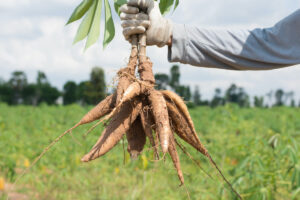
Imagine a farmer cultivating cassava on a sloping field. If the soil remains bare during intense rainfall, water may carry away topsoil and expose roots. By maintaining suitable ground cover, managing runoff, and avoiding unnecessary soil disturbance, the farmer can reduce erosion risks.
The precise method will depend on the slope, soil type, rainfall, and available materials. What matters is that soil protection becomes a planned part of farm management rather than an afterthought.
Principle 2: Sustainable Farming Must Use Water and Other Resources Efficiently
Sustainable agriculture aims to produce useful agricultural outputs while minimizing unnecessary waste of water, energy, nutrients, labor, and other resources.
Efficiency does not simply mean using less of everything. It means using resources where they produce the greatest benefit without creating unacceptable environmental or economic costs.
For example, withholding water from a crop that needs it would not be sustainable if the result were a preventable crop failure. The goal is to supply the right amount at the right time.
Practical resource-saving farming practices
- Inspect irrigation systems regularly for leaks and blockages.
- Schedule watering according to crop growth and soil moisture.
- Use suitable mulch to help conserve soil moisture.
- Apply fertilizers according to crop requirements and soil information where available.
- Maintain equipment to reduce fuel waste and avoid unnecessary breakdowns.
- Reuse suitable farm materials safely.
- Keep basic records of water, fertilizer, seed, labor, and energy use.
Rainwater harvesting can also be useful where rainfall, storage capacity, water quality, and local regulations permit it.
For smallholder farmers, efficient resource use may begin with simple changes rather than expensive machinery. Repairing a leaking water pipe, improving the timing of fertilizer application, or reducing post-harvest losses can be a meaningful first step.
Principle 3: Sustainable Farming Should Encourage Biodiversity and Ecological Balance
A farm is an ecosystem as well as a place of production. Its plants, animals, insects, microorganisms, soil, and water interact in ways that can influence crop health and productivity.
Sustainable farming seeks to manage these interactions rather than relying entirely on repeated interventions after problems arise.
How biodiversity supports sustainable agriculture
Crop diversity: Different crops have different growth patterns, nutrient requirements, and vulnerabilities. Diversifying crops can reduce dependence on a single harvest and may help interrupt pest cycles.
Pollinator protection: Suitable flowering plants and habitat protection can provide food and shelter for pollinators. Farmers should also avoid exposing beneficial insects to unnecessary pesticide applications.
Beneficial organisms: Certain predatory insects, spiders, birds, and other organisms feed on agricultural pests. Protecting these organisms can contribute to pest management, although their effectiveness depends on the pest and farm environment.
Agroforestry: Integrating suitable trees with crops or livestock can provide shade, wind protection, useful products, and other benefits when carefully designed.
Habitat conservation: Protecting appropriate natural vegetation and field margins can help support beneficial organisms and reduce the isolation of natural habitats.
Why biodiversity needs careful management
More diversity is not always better in every location. Some plants can become invasive, some trees can compete with crops for light and water, and some alternative crops may have limited market value.
Farmers should therefore choose species that fit local conditions and production objectives.
The aim is to create a balanced farming system that supports useful ecological processes without sacrificing crop health or economic viability.
Principle 4: Sustainable Farming Should Manage Pests and Diseases Responsibly
Pests, weeds, and diseases can reduce yields and damage the quality of agricultural produce. Sustainable farming does not ignore these threats. Instead, it encourages farmers to manage them using informed, integrated approaches.
Integrated pest management, commonly called IPM, combines monitoring, prevention, cultural methods, biological control, and carefully selected pesticides when necessary.
Rather than spraying automatically according to a fixed routine, a farmer observes the field, identifies the problem, evaluates its seriousness, and selects an appropriate response.
Important sustainable pest management practices
Regular field monitoring: Inspect crops to identify pests, symptoms, and changes in plant health before the problem becomes severe.
Crop rotation: Changing crop families where suitable can interrupt the life cycles of certain pests and diseases.
Resistant varieties: Choosing locally suitable varieties with resistance to particular diseases can reduce some production risks.
Field sanitation: Removing infected plant material when appropriate can help reduce the spread of certain diseases. Disposal methods should follow local guidance and should not spread pathogens elsewhere.
Biological control: Beneficial organisms or approved biological products may help control specific pests.
Responsible pesticide use: When pesticides are necessary, farmers should select products approved for the intended crop and pest, follow label instructions, use suitable protective equipment, and observe harvest intervals and environmental precautions.
Organic farming also requires pest and disease management. Organic does not mean pest-free, and organically approved products still need to be used responsibly.
The central lesson is that effective pest management starts with understanding the problem. Unnecessary pesticide applications can increase costs, harm beneficial organisms, and contribute to resistance in pest populations.
Principle 5: Sustainable Farming Must Remain Economically Viable
Environmental improvements are difficult to maintain if farmers cannot afford to continue producing food.
Economic sustainability therefore involves managing costs, maintaining reliable markets, controlling financial risks, and generating enough income to support the farm over time.
A sustainable farming plan should consider both immediate cash flow and long-term benefits.
For example, a farmer may wish to introduce drip irrigation, establish an agroforestry system, or purchase equipment for compost production. Before investing, the farmer should estimate the initial cost, maintenance requirements, expected benefits, and time needed to recover the investment.
Ways to improve economic sustainability
- Keep records of production costs and sales.
- Compare the profitability of different crops and livestock enterprises.
- Reduce avoidable waste of seeds, fertilizer, feed, water, and labor.
- Choose crops that suit local markets and environmental conditions.
- Explore appropriate value addition, such as drying, grading, processing, or packaging.
- Investigate cooperative purchasing and marketing arrangements.
- Diversify income where doing so is practical and financially sensible.
- Evaluate new technology before committing substantial money.
Diversification can reduce dependence on one product, but it also requires planning. Growing too many crops without adequate knowledge, labor, or access to markets can increase costs and management difficulties.
A financially sustainable farm is not necessarily the farm with the largest harvest. It is one that can produce useful outputs, manage its obligations, and remain viable over time.
Principle 6: Sustainable Farming Must Protect People and Build Resilience
Agriculture is a human activity, and the well-being of farmers, workers, consumers, and surrounding communities is part of sustainability.
A farming system that depletes natural resources or exposes workers to avoidable dangers cannot be considered fully sustainable simply because it produces high yields.
Social sustainability includes fair treatment, safe working conditions, access to knowledge, responsible use of agricultural chemicals, and respect for the communities that depend on land and water.
Resilience is closely connected to this principle. It refers to the ability of a farm or community to withstand difficulties, adapt to change, and recover from disruptions.
How farmers can strengthen social sustainability and resilience
- Provide appropriate protective equipment and training for hazardous tasks.
- Follow safe pesticide handling and storage procedures.
- Maintain emergency plans for severe weather and other disruptions.
- Improve access to agricultural information and extension services.
- Develop realistic plans for changing rainfall patterns and water availability.
- Maintain useful records of planting dates, yields, costs, and pest outbreaks.
- Explore crop and livestock diversification where practical.
- Build relationships with cooperatives, buyers, and agricultural support organizations.
For example, a farmer who keeps planting records may notice that a crop consistently struggles when planted at a particular time. By combining those records with local weather information and agronomic advice, the farmer can make better-informed decisions about future planting schedules.
Resilience does not mean that a sustainable farm will never suffer losses. It means that the farm is managed with an awareness of risk and a plan for responding to challenges.
Sustainable Farming Methods and Real-Life Examples
Understanding sustainable farming becomes easier when we look at the methods farmers can apply in everyday agricultural operations. Some methods focus on soil protection, others on water conservation, and some combine crop production with livestock or trees.
The most appropriate approach depends on farm size, climate, soil type, available labor, access to equipment, and the crops or animals being raised.
The following sustainable farming methods illustrate how the principles discussed above can be translated into practical decisions.
1. Sustainable Farming Through Crop Rotation
Crop rotation involves growing different crops on the same piece of land in a planned sequence rather than repeatedly cultivating the same crop.
It is one of the most widely recognized farming practices for maintaining soil productivity and managing certain pests and diseases.
Different crops interact with the soil in different ways. Some have deep roots, while others have shallow roots. Some require large amounts of particular nutrients, while certain legumes can obtain nitrogen through a partnership with beneficial soil bacteria.
For example, a farmer may rotate maize with cowpea, soybean, or another suitable legume. The legume may contribute nitrogen to the farming system, especially when its residues are retained and properly managed. The amount of nitrogen available to the following crop depends on the legume species, soil conditions, harvest practices, and residue management.
Benefits of crop rotation include:
-
Diversifying nutrient demands across growing seasons.
-
Helping interrupt the life cycles of certain pests and diseases.
-
Improving soil cover when suitable crops are included.
-
Providing opportunities to diversify farm income.
-
Reducing dependence on a single crop.
-
Improving the use of available land throughout the year.
Real-life example: A smallholder farmer in Nigeria who traditionally grows maize every season could introduce cowpea during an appropriate part of the rotation. This may provide an additional food crop for household consumption or sale while helping diversify the production system.
However, rotation plans should be based on local growing conditions, the availability of seeds, market demand, and the pests and diseases present on the farm.
2. Sustainable Farming Through Composting and Organic Fertilizers
Composting involves allowing suitable organic materials to decompose under managed conditions until they become a relatively stable material that can be used to improve soil.
Materials may include crop residues, suitable plant waste, and properly managed animal manure. The choice of ingredients and management method determines the quality and safety of the finished compost.
Compost can improve soil organic matter and contribute nutrients, but its nutrient content is variable. It should not automatically be treated as a complete replacement for all fertilizers.
How to use compost responsibly
Farmers should separate unsuitable waste, manage moisture and aeration, allow sufficient decomposition, and follow appropriate guidance for producing safe compost. Fresh manure should not be applied carelessly to crops intended for immediate consumption because it can introduce harmful pathogens.
Before application, farmers should consider:
-
The crop’s nutrient requirements.
-
The quality and maturity of the compost.
-
The amount of compost available.
-
Soil conditions and existing nutrient levels.
-
The timing of application.
-
The risk of runoff into water sources.
Real-life example: A vegetable farmer can collect suitable plant residues and manure from the farm, compost them properly, and apply the finished material to vegetable beds. This creates a useful pathway for recycling nutrients rather than allowing all organic waste to become a disposal problem.
The farmer should still monitor crop growth and soil fertility to determine whether additional nutrients are needed.
3. Sustainable Farming Through Mulching
Mulching involves covering the soil surface with suitable materials. Organic mulches may include dry grass, straw, leaves, or appropriate crop residues. Other mulch materials can be used where they are suitable for the crop and environment.
A mulch layer can reduce direct sunlight on the soil, limit evaporation, moderate soil temperature, and protect the soil from the impact of heavy rainfall.
These effects can be especially useful in vegetable production and in areas where rainfall is irregular.
Important advantages of mulching
-
Helps conserve soil moisture.
-
Reduces soil exposure to wind and rain.
-
Can suppress certain weeds.
-
Helps moderate soil temperature.
-
May contribute organic matter as suitable materials decompose.
Nevertheless, mulching needs proper management. Some materials may contain weed seeds or crop pathogens, and excessive moisture around plant stems can encourage certain diseases. Mulch can also provide shelter for some pests.
Real-life example: A farmer growing tomatoes during a hot period can apply an appropriate mulch around the plants while leaving sufficient space around their stems. The farmer then monitors soil moisture and adjusts watering to avoid both drought stress and waterlogging.
4. Sustainable Farming Through Drip Irrigation
Drip irrigation delivers water through pipes and emitters near plant roots. It can be useful for vegetables, orchards, and other crops where controlled water application is appropriate.
Compared with poorly managed irrigation methods, a well-designed drip system can reduce water losses and improve the ability to deliver water according to crop needs. However, its performance depends on system design, maintenance, water quality, and irrigation scheduling.
Farmers considering drip irrigation should assess the initial cost, availability of spare parts, filtration needs, and the source of water.
Real-life example: A farmer cultivating peppers on a small plot can install a simple drip system and irrigate according to the crop’s growth stage and soil moisture. By checking emitters regularly and repairing leaks, the farmer can improve water management while reducing unnecessary labor spent watering each plant manually.
Drip irrigation is not essential for every sustainable farm. Mulching, improved irrigation scheduling, rainwater harvesting, and other methods may be more appropriate where equipment is too expensive or difficult to maintain.
5. Sustainable Farming Through Integrated Pest Management
Integrated pest management combines preventive practices with regular monitoring and carefully selected control measures.
It is based on the understanding that the presence of a pest does not always mean immediate treatment is necessary. The farmer needs to identify the organism, understand the level of damage, and determine whether intervention is justified.
A farmer using integrated pest management might:
-
Inspect crops regularly.
-
Identify the pest or disease accurately.
-
Remove or manage affected plant material when appropriate.
-
Use crop rotation or other cultural practices where effective.
-
Encourage or introduce suitable biological controls.
-
Apply an appropriate pesticide when necessary and permitted.
-
Review the outcome and adjust the management plan.
Real-life example: A farmer who notices caterpillars on cabbage should first identify the pest and assess the level of damage. Depending on the pest, the farmer may use physical removal, crop protection measures, biological control, or an approved pesticide. The choice should be guided by reliable agricultural advice rather than guesswork.
This approach can reduce unnecessary chemical applications while protecting crops against economically significant damage.
6. Sustainable Farming Through Agroforestry
Agroforestry combines trees or shrubs with crops, livestock, or both on the same land-management system.
Depending on the species and design, trees may provide fruit, timber, fuelwood, shade, wind protection, fodder, or other products. Their roots and leaf litter may also contribute to soil protection and nutrient cycling.
Agroforestry can be particularly useful in landscapes where soil erosion, heat, or wind exposure creates challenges.
However, trees must be selected carefully. Poorly chosen species may compete with crops for light, nutrients, or water, and some species can become invasive.
Real-life example: A farmer can establish suitable fruit trees around a field or integrate carefully spaced trees with crops. The arrangement may provide an additional source of income while helping diversify production.
The design should consider mature tree size, shade patterns, root competition, crop requirements, and the time needed before the trees begin generating revenue.
7. Sustainable Farming Through Cover Crops
Cover crops are grown primarily to protect and improve the soil rather than to provide the main commercial harvest.
They may be planted between cropping seasons or alongside main crops where suitable. Depending on the species and management, cover crops can help reduce erosion, suppress weeds, add organic matter, and improve soil structure.
Leguminous cover crops may also contribute nitrogen through biological nitrogen fixation.
Farmers should choose cover crops according to the local climate, water availability, planting schedule, and intended benefits.
Real-life example: A farmer with a field that would otherwise remain bare between major cropping seasons can establish a suitable cover crop. The farmer then manages it before planting the next main crop, taking care that the cover crop does not compete excessively for water or delay planting.
Cover crops can require additional seed, labor, and management. Their value should therefore be assessed within the whole farm system.
8. Sustainable Farming Through Conservation Agriculture
Conservation agriculture is a farming approach that emphasizes three connected practices:
-
Minimum mechanical soil disturbance.
-
Permanent or near-continuous soil cover.
-
Diversification of crop species through rotations or associations.
The Food and Agriculture Organization explains these principles in its conservation agriculture guidance. Reduced tillage, crop residues, and suitable crop diversification can help protect soil structure and support water and nutrient management when adapted to local conditions.
Farmers should understand that conservation agriculture is not simply a decision to stop ploughing. Weed management, planting equipment, crop residues, and crop rotation must all be considered.
In some farming systems, reduced tillage may create challenges that require different tools or additional management. Local testing and agricultural extension advice can help farmers determine whether the method is suitable.
Real-life example: A farmer growing maize can retain suitable residues on the field, reduce unnecessary soil disturbance, and introduce crop rotation. Over time, the farmer can monitor soil moisture, erosion, weed pressure, input costs, and yields to evaluate the results.
9. Sustainable Farming Through Integrated Crop-Livestock Systems
Integrated crop-livestock farming combines crop production and animal husbandry in a coordinated system.
Crop residues may be used as livestock feed when suitable, while properly managed animal manure can contribute nutrients and organic matter to fields. Grazing can also be incorporated into a planned rotation where land conditions and livestock needs permit.
The important point is that crop and livestock activities should support one another without creating excessive pressure on land, water, or vegetation.
Real-life example: A farmer growing maize and keeping cattle can use suitable crop residues as part of an appropriate feed plan. The farmer can then manage manure safely and apply it to fields according to nutrient needs.
Not every crop residue is suitable for every animal, and some may require processing or supplementation. Likewise, manure should be stored and handled carefully to reduce nutrient losses, odors, pathogen risks, and water pollution.
10. Sustainable Farming Through Precision Agriculture
Precision agriculture uses information, measurements, and technology to make more targeted farm-management decisions.
Depending on the farm’s resources, this may include soil testing, weather information, GPS-guided equipment, moisture sensors, satellite imagery, or digital recordkeeping.
Precision agriculture can help farmers identify where water, fertilizer, or other inputs are most needed. It does not automatically make a farm sustainable, but it can support better resource management when the technology is appropriate and correctly used.
Real-life example: A commercial farmer may use soil sampling to identify differences in nutrient levels across a field and then adjust fertilizer applications accordingly. A smaller farmer may achieve a similar decision-making improvement through soil testing and basic field records without purchasing expensive digital equipment.
The best technology is not necessarily the most advanced one. It is the tool that provides useful information and practical benefits at a cost the farmer can justify.
Sustainable Farming Methods Compared: Which Practice Is Best?
Different farming methods solve different problems. The best choice depends on the farm’s main challenges, available resources, and production goals.
| Sustainable farming method | Main purpose | Potential benefit | Important consideration |
|---|---|---|---|
| Crop rotation | Diversify crops and manage soil fertility | Can interrupt some pest cycles and diversify income | Rotation crops must suit local conditions |
| Composting | Recycle suitable organic materials | Adds organic matter and some nutrients | Compost quality and safety matter |
| Mulching | Protect the soil surface | Helps conserve moisture and reduce erosion | Monitor pests, moisture, and disease |
| Drip irrigation | Deliver water near plant roots | Can improve water-use efficiency | Installation and maintenance costs |
| Integrated pest management | Control pests using combined methods | May reduce unnecessary pesticide use | Requires monitoring and correct identification |
| Agroforestry | Integrate trees with crops or livestock | Diversifies products and may protect soil | Tree selection and spacing are important |
| Cover cropping | Maintain soil cover | Can reduce erosion and improve soil condition | Uses land, seed, water, and labor |
| Conservation agriculture | Minimize disturbance and maintain cover | Supports soil and water conservation | Requires a suitable crop and weed-management plan |
| Integrated crop-livestock farming | Coordinate crops and animals | Can recycle nutrients and diversify income | Requires safe manure and grazing management |
| Precision agriculture | Improve decisions using measurements | Can target inputs more accurately | Technology must justify its cost |
No single method is the best solution for every farm. In many cases, the strongest results come from combining several compatible practices.
For example, a farmer might combine crop rotation, mulching, compost application, and integrated pest management rather than relying on any one method alone.
Benefits of Sustainable Farming for Farmers and the Environment
The benefits of sustainable farming can extend from individual fields to entire communities. However, outcomes depend on implementation, local conditions, and the time available for benefits to develop.
Some advantages may become visible within a growing season, while others—such as changes in soil organic matter or the establishment of an agroforestry system—may take years.
1. Sustainable Farming Can Improve Soil Structure
Practices such as cover cropping, compost application, residue retention, and reduced soil disturbance can support soil structure under appropriate conditions.
Well-structured soil can allow roots to explore the soil more effectively and can improve water infiltration. This can help crops access water and nutrients.
The result is not automatic. Soil type, climate, traffic from machinery, and management decisions influence how soil responds.
2. Sustainable Farming Can Reduce Soil Erosion
Soil erosion occurs when wind or water removes soil particles from the land. The loss of fertile topsoil can reduce agricultural productivity and carry sediment into rivers and other water bodies.
Mulching, cover crops, suitable vegetation, contour-based practices, and reduced disturbance can help protect exposed soil.
On sloping land, farmers may need additional erosion-control measures suited to the terrain. Simply applying fertilizer to an eroding field will not solve the underlying problem.
3. Sustainable Farming Can Improve Water Management
Water conservation practices may help farmers make better use of rainfall and irrigation supplies.
Maintaining suitable soil cover, repairing irrigation leaks, improving application timing, and reducing runoff can help limit unnecessary losses.
Water management must also consider drainage. Excess water can damage crops, encourage disease, and wash nutrients away, so sustainable water management involves both supplying water and preventing harmful excess.
4. Sustainable Farming Can Support Beneficial Organisms
Reducing unnecessary pesticide applications, protecting habitats, diversifying crops, and maintaining suitable vegetation can help support beneficial organisms.
These organisms may contribute to pollination, natural pest control, and nutrient cycling. Their presence does not eliminate all pest problems, but it can be an important part of a balanced farming system.
5. Sustainable Farming Can Reduce Avoidable Production Costs
Efficient use of inputs can help farmers avoid waste.
Examples include:
-
Applying fertilizer according to crop requirements.
-
Using water more carefully.
-
Reducing preventable crop damage.
-
Maintaining equipment.
-
Improving storage and handling.
-
Recycling suitable materials.
-
Choosing crop varieties that fit local conditions.
The savings will differ from one farm to another. Some practices require upfront investment, and farmers should evaluate actual costs rather than assume that sustainable methods are always less expensive.
6. Sustainable Farming Can Diversify Farm Income
Diversification may include growing different crops, adding suitable livestock enterprises, planting fruit trees, or processing agricultural products.
For example, a farmer who grows only one crop may face severe financial pressure if prices fall or the crop fails. A carefully planned mix of enterprises can spread some of that risk.
However, diversification also creates management demands. Farmers should consider market access, labor availability, storage, transport, and their own expertise before adding new enterprises.
7. Sustainable Farming Can Improve Long-Term Resilience
Farms that protect soil, manage water carefully, and plan for climatic and market risks may be better prepared for some disruptions.
For instance, soil cover may help reduce erosion during heavy rainfall, while diversified cropping can reduce dependence on a single crop.
These measures cannot prevent every loss. Severe droughts, floods, disease outbreaks, and market disruptions can still cause significant damage. Sustainable farming should therefore be combined with sound financial planning, timely information, and other appropriate risk-management measures.
8. Sustainable Farming Can Benefit Surrounding Communities
Responsible farm management can reduce some forms of water contamination, protect local habitats, and support agricultural livelihoods.
Farmers may also benefit from cooperation with other producers through shared knowledge, collective marketing, or coordinated access to equipment and services.
Community-level benefits are especially important where many farms share the same watershed, grazing areas, or natural resources.
9. Sustainable Farming Can Help Maintain Future Food Production
The long-term productivity of agriculture depends on more than the quantity of land currently under cultivation. It also depends on the condition of that land, access to water, biological processes, and the financial health of farming communities.
By protecting these foundations, sustainable farming helps preserve the capacity to produce food over time.
It is not a guarantee of higher yields in every season. Rather, it offers a way to balance present production with the continued availability of resources needed for future agriculture.
Sustainable Farming vs. Organic Farming: What Is the Difference?
Sustainable farming and organic farming are closely related, but they are not identical. Understanding the difference is important for farmers who want to choose suitable production methods and for readers trying to understand agricultural terminology.
Organic farming generally emphasizes ecological processes, biodiversity, soil health, and restrictions on particular inputs under applicable organic standards. Sustainable farming is a broader concept that evaluates environmental, economic, and social outcomes.
Organic farming can be sustainable, but organic certification alone does not guarantee that every aspect of a farm is sustainable. Likewise, a farm can use sustainable practices without being certified organic.
The principles of organic agriculture are described by IFOAM – Organics International through four guiding principles: health, ecology, fairness, and care.
| Feature | Sustainable farming | Organic farming |
|---|---|---|
| Main objective | Balance productivity, environmental protection, and long-term economic and social well-being | Produce according to organic principles and applicable production standards |
| Synthetic inputs | May be used responsibly when appropriate | Restricted according to the relevant organic standard |
| Soil management | Emphasizes maintaining and improving soil health | Commonly emphasizes soil health, ecological processes, and nutrient cycling |
| Pest management | May combine biological, cultural, physical, and chemical controls | Uses pest-management methods and inputs permitted under the applicable standard |
| Certification | No universal certification is required to describe a farm as sustainable | Formal certification may be required to market products as certified organic |
| Technology | May include conventional equipment, digital tools, and modern inputs | May use technology where it complies with the applicable organic standard |
| Economic considerations | Farm viability is a central consideration | Economic viability matters, alongside organic requirements and principles |
The important lesson is that sustainable farming is not simply another name for organic farming. Farmers should evaluate their entire production system, including resource use, soil management, profitability, and the effects of their activities on people and the environment.
Is Sustainable Farming Profitable?
One of the most common questions farmers ask is whether sustainable farming can generate enough income to justify the effort.
The answer is yes, sustainable farming can be profitable, but profitability depends on the farm’s location, production system, market access, management skills, and initial investment.
Some practices can reduce recurring expenses, while others require money and labor before benefits appear. A farmer should therefore assess sustainable farming as a business decision as well as an environmental choice.
How Sustainable Farming Can Increase Farm Income
There are several ways sustainable farming may improve financial performance.
Reduced input waste: Applying fertilizer, pesticides, and irrigation water according to actual needs can reduce unnecessary expenditure.
Improved soil management: Maintaining soil fertility can support productive cropping over time, although yield responses vary.
Diversified production: Growing suitable additional crops or integrating livestock can create additional income opportunities.
Reduced production losses: Better pest monitoring, crop handling, and storage can reduce losses in appropriate circumstances.
Market opportunities: Some buyers value traceability, certified organic production, or other verified environmental and social practices. However, farmers should confirm that customers are willing to pay enough to cover any additional costs.
How to Calculate the Financial Value of a Sustainable Farming Practice
Before adopting an expensive practice, farmers should compare the expected costs with the expected benefits.
A simple calculation is:
Net benefit = Additional revenue + Cost savings − Additional costs
For example, suppose a farmer spends an additional ₦100,000 on a soil and water conservation improvement. During the period being assessed, the farmer estimates that the improvement generates ₦150,000 in additional revenue and saves ₦30,000 in other costs.
The estimated net benefit would be:
₦150,000 + ₦30,000 − ₦100,000 = ₦80,000.
This is an illustrative calculation, not a guarantee of actual returns. A proper assessment should also account for maintenance, financing costs, the useful life of the investment, and uncertainty in future yields and prices.
Farmers should evaluate both short-term cash flow and long-term performance. An investment can be worthwhile over several years even when its first-season return is modest, but the farmer must still be able to finance the initial costs.
Challenges of Sustainable Farming and How to Overcome Them
Although sustainable farming offers important opportunities, adopting it is not always easy. Farmers may face financial, technical, environmental, and market-related obstacles.
Recognizing these challenges helps farmers develop realistic plans instead of expecting immediate results.
1. High Initial Investment
Some sustainable technologies, including drip irrigation, solar-powered pumps, and specialized planting equipment, can require substantial initial expenditure.
How to address it: Start with affordable practices that fit existing resources. Crop rotation, appropriate mulching, careful field monitoring, and basic farm recordkeeping may provide useful starting points. Before buying expensive equipment, compare its total cost with the likely benefits.
2. Limited Agricultural Knowledge
Farmers may know that sustainable farming is desirable but lack practical information about how to implement particular methods.
For example, unsuitable crop rotation can create new pest problems, while poorly prepared compost may contain weed seeds or harmful pathogens.
How to address it: Seek guidance from agricultural extension officers, reputable research institutions, farmer cooperatives, and experienced local producers. Test new practices on a manageable portion of the farm before expanding them.
3. Labor Requirements
Some practices, including manual weed control, compost preparation, and certain forms of mulching, can require additional labor.
How to address it: Plan farm activities around labor availability, prioritize the practices with the greatest likely benefit, and use appropriate tools to reduce unnecessary work. Labor requirements should be included in farm-cost calculations.
4. Uncertain Market Demand
Farmers may produce sustainably but struggle to find buyers willing to pay enough to cover additional production or certification costs.
How to address it: Research market demand before making substantial changes. Speak with potential buyers, cooperatives, processors, and retailers. Do not assume that an environmentally friendly production method automatically creates a premium price.
5. Weather and Climate Risks
Even well-managed sustainable farms remain vulnerable to droughts, floods, heat stress, pests, and disease outbreaks.
How to address it: Combine soil and water conservation with appropriate crop selection, diversified production where practical, timely weather information, and contingency planning.
6. Transition Periods and Uncertain Results
Some sustainable practices take time to deliver their full benefits. Changes in soil management, for example, may require several growing seasons before their effects become clear.
How to address it: Keep records of yields, costs, labor, soil conditions, and pest pressure. Compare results over multiple seasons where possible. Adjust the plan based on evidence rather than abandoning a practice after one disappointing harvest or continuing it without evaluating its performance.
How to Start Sustainable Farming: A Practical Step-by-Step Guide
Farmers do not need to change every aspect of their operation at once. A gradual approach can reduce financial pressure and make it easier to identify which methods are effective.
Step 1: Assess Your Farm’s Current Condition
Begin by identifying the main problems affecting the farm.
Ask yourself:
-
Is the soil losing fertility or eroding?
-
Is water scarce, expensive, or poorly managed?
-
Are pests and diseases causing repeated losses?
-
Are fertilizer or pesticide costs too high?
-
Are some crops consistently unprofitable?
-
Is the farm vulnerable to changing rainfall patterns?
-
Are there opportunities to reduce post-harvest losses?
The answers will help you identify the most urgent priorities.
Step 2: Set Clear and Measurable Goals
Instead of deciding to make the entire farm sustainable immediately, establish specific objectives.
For example, you might aim to reduce avoidable irrigation losses, improve soil cover, lower post-harvest losses, or introduce a suitable crop rotation.
Where possible, record a baseline measurement before making changes. This will make it easier to evaluate progress.
Step 3: Choose Suitable Sustainable Farming Methods
Select methods that address your farm’s main problems and fit your resources.
A farmer experiencing soil erosion may prioritize cover crops, mulching, or other suitable erosion-control measures. A farmer struggling with water costs may first improve irrigation scheduling and repair leaks.
A farmer with recurring pest problems may benefit from better field monitoring and integrated pest management.
There is no need to adopt every method at once.
Step 4: Test the Methods on a Small Area
When a new method is unfamiliar, try it on a manageable part of the farm.
Compare the treated area with a similar area managed using the existing approach. Record labor, input costs, crop condition, and yield.
A small trial can reveal practical problems before the farmer commits resources across the entire farm.
Step 5: Keep Accurate Farm Records
Recordkeeping is one of the most useful and affordable tools in sustainable farming.
Useful records include:
-
Planting dates and crop varieties.
-
Fertilizer and pesticide applications.
-
Irrigation frequency and water use, where measurable.
-
Labor and equipment costs.
-
Pest and disease observations.
-
Harvest quantities and sales.
-
Soil-test results, where available.
These records can help farmers understand which methods work best under their conditions.
Step 6: Review the Results and Improve the Plan
After harvest, compare the results with your original goals.
Did the practice reduce costs? Did yields improve, remain stable, or decline? Was additional labor required? Did soil moisture or pest pressure change? Were there unexpected problems?
Use the answers to decide whether to continue, modify, or replace the practice.
Sustainable farming is an ongoing process of observation, learning, and improvement rather than a one-time change.
Sustainable Farming in Nigeria: Practical Opportunities for Smallholder Farmers
Sustainable farming has particular relevance in Nigeria, where agricultural systems range from smallholder farms to large commercial operations and include a wide variety of crops, livestock, soils, and climatic conditions.
The best methods differ between the humid south, the savanna regions, and the drier northern areas. Farmers should therefore select practices based on local conditions rather than copying a method simply because it works elsewhere.
Sustainable Farming for Cassava Farmers
Cassava is an important food and commercial crop in Nigeria. Sustainable cassava production can involve suitable planting materials, appropriate spacing, soil fertility management, erosion control, and effective management of pests and diseases.
Farmers can consider rotating cassava with compatible crops, retaining suitable organic residues, and preventing soil erosion where conditions require it.
However, residue retention must be balanced against competing needs for livestock feed, fuel, and other uses.
Sustainable Farming for Maize Farmers
Maize farmers can explore crop rotation with suitable legumes, improved nutrient management, and soil-cover practices.
Selecting appropriate varieties and planting at suitable times can also contribute to production resilience.
Farmers should avoid assuming that every fertilizer recommendation or planting schedule works equally well in all regions. Soil conditions, rainfall, variety, and local agronomic guidance matter.
Sustainable Farming for Vegetable Farmers
Vegetable farmers may benefit from careful irrigation management, mulching, crop rotation where practical, and regular pest monitoring.
Because vegetables can be sensitive to water stress and some crops are harvested frequently, responsible pesticide use and food-safety precautions are especially important.
Proper washing, handling, and storage also help protect produce quality and reduce avoidable waste.
Sustainable Farming for Livestock Producers
Livestock farmers can improve sustainability through appropriate feeding, animal health management, water conservation, grazing management, and safe manure handling.
Where crops and livestock are integrated, suitable crop residues can support feeding plans, while treated manure can contribute nutrients to fields.
The system should be designed to prevent overgrazing, nutrient runoff, and contamination of water sources.
Affordable Sustainable Farming Practices for Beginners in Nigeria
Farmers who have limited capital can begin by considering the following:
-
Rotate crops where suitable.
-
Use locally available, safe materials for appropriate mulching.
-
Compost suitable farm residues responsibly.
-
Monitor crops regularly for pests and diseases.
-
Reduce avoidable irrigation and fertilizer waste.
-
Keep simple records of production costs and sales.
-
Seek local agricultural extension advice before adopting unfamiliar methods.
The most useful starting point is the practice that addresses a real farm problem at a manageable cost.
Inspiring Real-Life Examples of Sustainable Farming in Practice
The following examples illustrate how sustainable farming methods can work in different agricultural settings. They are practical scenarios rather than claims about the measured results of named farms.
Example 1: A Smallholder Maize and Cowpea Farm
A farmer who grows maize every year notices that production costs are increasing and the soil is becoming harder to manage.
After seeking agricultural advice, the farmer introduces cowpea into the cropping sequence. Suitable residues are retained where possible, and fertilizer applications are reviewed according to crop requirements.
The farmer also begins recording input costs and harvest quantities.
Over time, these changes can help the farmer evaluate whether crop rotation improves the farm’s productivity, reduces certain pest pressures, or provides additional income through cowpea sales.
The results will depend on rainfall, soil conditions, management, and market prices. Nevertheless, the example demonstrates how several sustainable practices can be combined within an existing farm operation.
Example 2: A Vegetable Farm With Better Water Management
A vegetable farmer spends substantial time watering crops manually. Some plants receive too much water, while others suffer from irregular watering.
The farmer begins by repairing leaking pipes, applying suitable mulch, and improving irrigation scheduling. After evaluating costs and water availability, the farmer considers installing a small drip irrigation system.
The approach combines low-cost improvements with a possible technology investment.
Rather than assuming the investment will pay for itself, the farmer records water use, labor requirements, crop quality, and production costs to determine whether the system provides sufficient value.
Example 3: A Farm That Recycles Organic Waste
A mixed farm produces crop residues and animal manure that are not always used effectively.
The farmer identifies suitable materials, establishes a managed composting process, and applies the finished compost according to crop needs.
This creates a more organized nutrient-recycling system and can reduce the quantity of organic material that must be discarded.
The farmer still monitors soil fertility because compost composition varies and additional nutrients may be required.
Example 4: An Agroforestry Farm
A farmer establishes suitable trees around parts of a cultivated field while continuing to grow annual crops.
The trees may provide fruit, shade, wind protection, or other useful products, depending on the species selected.
The farmer carefully considers spacing and root competition so that trees do not unnecessarily reduce crop production.
This example demonstrates how a farm can combine different agricultural products while considering the long-term management of the land.
Example 5: A Farm Using Integrated Pest Management
A farmer who previously sprayed crops according to a fixed schedule begins monitoring pest populations and identifying the causes of crop damage.
The farmer introduces preventive measures and uses targeted controls when monitoring indicates that intervention is necessary.
This approach may reduce unnecessary pesticide use and associated costs, although it requires training, regular observation, and reliable pest identification.
Together, these examples show that sustainable farming is not one particular technique. It is a way of making connected decisions that consider productivity, resource protection, and long-term farm viability.
How to Measure Success in Sustainable Farming
A farm should not be considered sustainable merely because it uses compost, installs solar panels, or grows organic crops. Success needs to be evaluated using meaningful indicators.
Farmers can monitor progress in several areas.
| Area | What to measure | Why it matters |
|---|---|---|
| Soil health | Soil-test results, visible erosion, soil cover, and organic matter where measured | Helps evaluate soil condition |
| Water management | Water use, irrigation costs, and signs of runoff or waterlogging | Reveals whether water is being managed effectively |
| Crop production | Yield, crop quality, and harvest losses | Shows production performance |
| Farm economics | Input costs, sales revenue, net returns, and cash flow | Helps determine financial viability |
| Pest management | Pest incidence, crop damage, and pesticide use | Helps evaluate control methods |
| Biodiversity | Presence of beneficial organisms and suitable habitats | Provides information about ecological conditions |
| Social well-being | Worker safety, training, labor conditions, and household livelihood | Reflects the human dimension of sustainability |
| Resilience | Recovery after adverse weather and performance across seasons | Helps assess how the farm responds to disruptions |
A single measurement rarely tells the whole story. For example, a rise in yield does not necessarily indicate improved sustainability if production costs have risen sharply or soil erosion has worsened.
Likewise, a short-term decline in yield does not automatically mean that a new practice has failed. The farmer should investigate the cause and assess results across an appropriate period.
The objective is to understand the whole farming system, not to maximize one indicator at the expense of everything else.
The Future of Sustainable Farming: Technology, Innovation, and Traditional Knowledge
The future of sustainable agriculture will depend on how farmers combine scientific knowledge, appropriate technology, local experience, and responsible resource management.
Innovation can help farmers make better decisions, but technological sophistication alone does not guarantee sustainability.
Digital Tools and Precision Agriculture
Weather information, soil testing, digital farm records, remote sensing, and moisture sensors can help farmers monitor conditions and allocate inputs more accurately.
Large farms may benefit from sophisticated equipment, while smallholder farmers may gain value from mobile weather services, basic recordkeeping, or access to shared agricultural equipment.
The right choice depends on the problem being addressed and the farmer’s ability to maintain and use the technology.
Climate-Smart Farming
Climate-smart agriculture focuses on improving productivity and livelihoods while supporting adaptation to climate change and, where possible, reducing greenhouse gas emissions or increasing carbon storage.
Its practices overlap with sustainable farming, including improved soil management, water conservation, crop diversification, and appropriate agricultural technology.
However, no single practice guarantees climate resilience. Methods should be selected according to local climate risks and supported by reliable agricultural information.
Traditional Knowledge and Modern Research
Traditional agricultural knowledge can provide valuable insights into local soils, seasonal patterns, crop varieties, and resource use.
Scientific research can help test these observations, explain why particular methods work, and identify improvements.
Combining the two can produce solutions that are better suited to local conditions than adopting outside recommendations without adaptation.
Sustainable Farming and the Next Generation
Young people entering agriculture can contribute through farm management, agricultural services, processing, technology, and improved market connections.
Sustainable farming can also encourage new approaches to reducing food waste, improving traceability, and making efficient use of agricultural resources.
However, participation requires access to land, finance, skills, infrastructure, and viable markets. Encouraging innovation without addressing these practical barriers will limit the benefits.
The future of sustainable farming will therefore depend not only on better production techniques but also on creating conditions in which farmers can apply them successfully.
Frequently Asked Questions About Sustainable Farming
What is sustainable farming in simple words?
Sustainable farming means producing crops and raising animals in ways that protect natural resources, support farmers’ livelihoods, and maintain the ability to farm successfully in the future.
What are the six principles of sustainable agriculture?
A useful six-part framework covers soil health, efficient resource use, biodiversity, responsible pest management, economic viability, and social well-being and resilience. These are practical organizing principles rather than a universally standardized list.
What are five examples of sustainable farming?
Five examples are crop rotation, composting, mulching, drip irrigation, and integrated pest management. Other examples include agroforestry, cover cropping, conservation agriculture, and integrated crop-livestock systems.
Is sustainable farming the same as organic farming?
No. Organic farming follows specific production principles and applicable standards, including restrictions on certain inputs. Sustainable farming is broader and considers environmental, economic, and social outcomes. Organic farming can be sustainable, but the two terms are not interchangeable.
Can sustainable farming increase crop yields?
It can improve yields in some circumstances by improving soil management, water use, and pest control. However, results vary by location, crop, weather, and implementation. Some benefits may take time to appear.
Is sustainable farming expensive?
Some methods require significant initial investment, while others can begin with relatively affordable changes. Farmers should compare costs, labor requirements, and expected benefits before adopting a new practice.
Is sustainable farming suitable for smallholder farmers?
Yes. Many sustainable practices can be adapted to small farms, including crop rotation, suitable mulching, careful water management, composting, and regular pest monitoring. The methods should fit the farm’s available resources and local conditions.
How can farmers start sustainable farming?
Start by identifying the farm’s biggest problems, setting measurable goals, selecting suitable practices, testing them on a manageable area, and keeping records. Review the results before expanding the approach.
Does sustainable farming eliminate pesticides?
No. Sustainable farming may use pesticides when necessary, provided their selection and application are appropriate and responsible. Integrated pest management aims to prevent problems and avoid unnecessary applications while protecting crops.
Why is sustainable farming important for the future?
It helps address the need to produce food while maintaining soil, water, biodiversity, agricultural livelihoods, and the capacity of farms to adapt to changing conditions.
Conclusion: Why Sustainable Farming Is an Investment in the Future
Sustainable farming offers a practical way to rethink how food is produced, how natural resources are managed, and how farms remain economically viable over time.
Its central message is straightforward: productive agriculture depends on protecting the resources that make production possible.
The six principles explored in this guide—soil health, efficient resource use, biodiversity, responsible pest management, economic viability, and social well-being and resilience—provide a useful foundation for making better farming decisions.
Farmers can put these principles into practice through crop rotation, composting, mulching, water conservation, integrated pest management, agroforestry, cover cropping, and other methods suited to their circumstances.
Not every farm needs the same combination of practices. A maize farmer facing soil erosion has different priorities from a vegetable farmer struggling with water costs or a livestock producer managing manure and grazing pressure.
The most effective approach is to identify the farm’s specific challenges, select practical solutions, measure their results, and improve the system over time.
Sustainable farming is not a promise that every season will produce a record harvest or that every new technique will immediately save money. It is a commitment to making informed decisions that balance today’s needs with tomorrow’s opportunities.
Ultimately, the goal is to maintain productive farms, protect the environment, support agricultural communities, and preserve the ability to feed future generations.
The best time to begin sustainable farming is when you identify one practical improvement that your farm can make today—and then build on that progress season after season.
About The Author