Organic Produce
Organic Produce is no longer a niche choice reserved for health enthusiasts—it has become one of the fastest-growing food trends worldwide. As consumers become increasingly aware of how food affects their long-term health, the demand for organic fruits and organic vegetables continues to soar. From reducing exposure to synthetic pesticides to supporting sustainable farming practices, millions of people are rethinking what goes into their shopping carts.
In 2026 and beyond, shoppers are asking smarter questions: Are organic fruits and vegetables healthier than conventional produce? Is paying extra for organic really worth it? What does science actually say?
The good news is that decades of research have provided valuable insights into the science-backed benefits of organic produce for better health. While organic foods are not magical cures, they offer several advantages that make them an attractive option for health-conscious individuals and families.
In this comprehensive guide, you’ll discover 15 powerful science-backed benefits of organic produce, understand the key organic vs conventional produce health differences, learn how to shop smarter, and decide whether organic foods deserve a place in your daily diet.

What Is Organic Produce?
Organic produce refers to fruits and vegetables grown using farming methods that emphasize natural processes rather than synthetic chemicals. Certified organic farms follow strict standards designed to protect the environment, maintain soil fertility, and promote biodiversity.
Organic farming generally avoids:
- Synthetic pesticides
- Artificial fertilizers
- Genetically modified organisms (GMOs)
- Sewage sludge
- Most synthetic herbicides
- Routine use of chemical growth regulators
Instead, farmers rely on techniques such as:
- Crop rotation
- Composting
- Natural pest control
- Cover crops
- Beneficial insects
- Biological soil management
The result is food produced with a stronger focus on environmental sustainability and long-term soil health.
Why Organic Produce Is More Popular Than Ever
The global organic food market continues expanding because consumers increasingly prioritize:
- Clean eating
- Food transparency
- Sustainable agriculture
- Environmental protection
- Reduced chemical exposure
- Family health
- Better food quality
Social media, nutrition education, and easier access to organic foods have also made shoppers more informed than ever before.
15 Powerful Science-Backed Benefits of Organic Produce
1. Reduced Exposure to Synthetic Pesticides
One of the biggest reasons consumers buy organic produce is to reduce exposure to pesticide residues.
Organic farming restricts the use of most synthetic pesticides, meaning many organic fruits and vegetables typically contain lower pesticide residues than conventionally grown produce.
Although conventional produce is generally regulated to remain within safety limits, many consumers prefer minimizing unnecessary chemical exposure whenever possible.
Practical Tip
Prioritize buying organic versions of fruits and vegetables that are more likely to carry pesticide residues, especially if they’re eaten with the skin.
2. Rich in Protective Antioxidants
Numerous studies suggest that certain organic fruits and vegetables may contain slightly higher levels of antioxidants.
These include:
- Polyphenols
- Flavonoids
- Anthocyanins
- Vitamin C
- Carotenoids
Antioxidants help protect cells from oxidative stress, which has been linked to aging and many chronic diseases.
Foods naturally rich in antioxidants include:
- Blueberries
- Strawberries
- Tomatoes
- Kale
- Spinach
- Apples
3. Supports Better Overall Health
One of the biggest organic food benefits is encouraging healthier eating habits.
People who regularly purchase organic foods often consume:
- More vegetables
- More fruits
- Less processed food
- More home-cooked meals
Whether because of the food itself or broader lifestyle habits, choosing organic produce can support a balanced, nutrient-rich diet.
4. Better for Children’s Developing Bodies
Children consume more food relative to their body weight than adults, making nutrition especially important during growth.
Many parents choose organic fruits and vegetables because they prefer limiting exposure to synthetic pesticide residues while encouraging healthy eating habits early in life.
Fresh berries, bananas, apples, carrots, cucumbers, and grapes are popular organic choices for kids.
5. Promotes Healthier Soil
Healthy soil grows healthier crops.
Organic farming emphasizes:
- Compost
- Natural fertilizers
- Earthworm activity
- Soil microbes
- Crop diversity
Healthy soil also improves water retention and long-term agricultural productivity.
6. Supports Biodiversity
Organic farms often encourage a wider variety of plants, insects, birds, and pollinators.
This healthier ecosystem benefits:
- Bees
- Butterflies
- Ladybugs
- Birds
- Soil microorganisms
Greater biodiversity contributes to more resilient farming systems.
7. Helps Protect Water Quality
Reducing synthetic fertilizer and pesticide use can decrease the risk of agricultural runoff entering rivers, lakes, and groundwater.
Cleaner water benefits both wildlife and nearby communities.
8. Encourages Sustainable Farming
Choosing organic produce supports farming practices designed for long-term environmental sustainability.
Organic farmers often focus on:
- Soil conservation
- Water management
- Carbon storage
- Crop rotation
- Reduced environmental impact
These practices can help preserve farmland for future generations.
9. May Improve Flavor in Some Produce
Many consumers report that certain organic fruits and vegetables have a richer, fresher taste.
While flavor depends on factors such as variety, freshness, climate, and harvest timing, careful growing practices and shorter supply chains can contribute to better eating quality.
Fresh peaches, tomatoes, strawberries, and leafy greens are often cited as especially flavorful.
10. Reduces Antibiotic Use in Organic Farming Systems
Organic standards for livestock generally limit routine antibiotic use compared with many conventional systems.
While this mainly affects animal products rather than fruits and vegetables, it reflects the broader philosophy of organic agriculture: reducing unnecessary synthetic inputs and promoting preventive management.
11. Supports Pollinator Populations
Bees pollinate roughly one-third of the foods humans consume.
Organic farms frequently provide habitats that support:
- Honeybees
- Native bees
- Butterflies
- Beneficial insects
Protecting pollinators is essential for future food production.
12. Encourages Seasonal Eating
Buying organic often encourages shopping locally and seasonally.
Seasonal produce typically offers:
- Better freshness
- Better flavor
- Lower transportation impact
- Greater nutritional quality when harvested at peak ripeness
Shopping at local farmers’ markets can make seasonal choices easier.
13. Helps You Eat More Whole Foods
Replacing processed snacks with fresh organic fruits and organic vegetables naturally increases your intake of:
- Fiber
- Vitamins
- Minerals
- Water
- Phytochemicals
Examples include:
- Apples instead of chips
- Fresh berries instead of candy
- Carrot sticks instead of crackers
14. Supports Ethical Farming Practices
Many certified organic farms place strong emphasis on:
- Animal welfare (where livestock is involved)
- Responsible land management
- Reduced pollution
- Conservation practices
Consumers often appreciate supporting farming systems that align with these values.
15. Gives Consumers Greater Food Transparency
Organic certification requires farmers and producers to meet established standards and undergo regular inspections.
For shoppers who value knowing more about how food is grown, these certifications can provide additional confidence and traceability.
Organic vs Conventional Produce: What Are the Main Differences?
| Feature | Organic Produce | Conventional Produce |
|---|---|---|
| Synthetic pesticides | Greatly restricted | Commonly used under regulations |
| Synthetic fertilizers | Not permitted | Commonly used |
| GMOs | Generally prohibited | May be used depending on the crop |
| Soil management | Compost and crop rotation | Conventional fertilization methods |
| Biodiversity | Often emphasized | Varies by farming system |
| Environmental impact | Focus on sustainability | Varies widely |
Both organic and conventional produce can be nutritious. The most important goal is to eat plenty of fruits and vegetables, regardless of how they are grown.
Are Organic Fruits and Vegetables Healthier Than Conventional Produce?
This question has been debated for years.
Current evidence suggests:
- Organic produce generally has lower pesticide residues.
- Some organic crops contain slightly higher levels of certain antioxidants.
- Nutrient differences are often modest and vary by crop, season, and farming practices.
- Eating more fruits and vegetables—whether organic or conventional—is consistently associated with better health.
If your budget allows, choosing organic can be one way to reduce pesticide exposure and support environmentally focused farming. If not, conventional produce still offers substantial nutritional benefits.
How to Buy Organic Produce Without Overspending
Organic shopping doesn’t have to strain your budget. Try these strategies:
Buy Seasonal Produce
Seasonal fruits and vegetables are often less expensive and fresher.
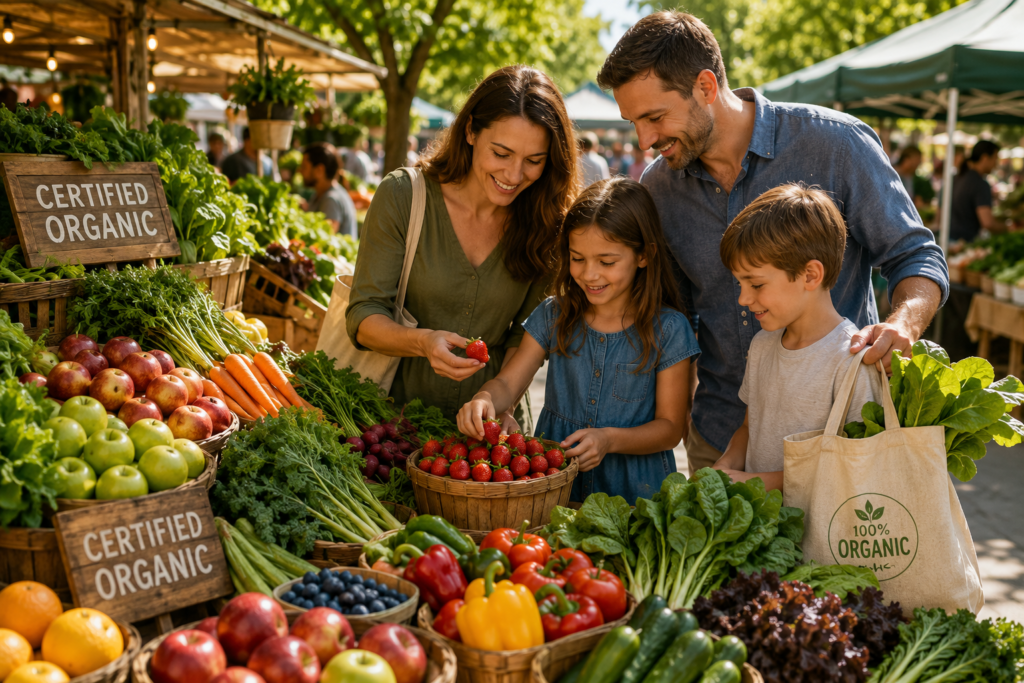
Shop Local Farmers’ Markets
Local growers may offer competitive prices on fresh organic produce.
Purchase Frozen Organic Vegetables
Frozen options are convenient, nutritious, and often more affordable than fresh.
Grow Your Own
Even a small herb garden or a few vegetable containers can provide fresh organic food at home.
Compare Prices
Different grocery stores and online retailers may have significant price differences.
Easy Ways to Add More Organic Produce to Your Diet
Start with simple swaps:
- Add organic berries to breakfast.
- Snack on organic apples or pears.
- Include leafy greens in smoothies.
- Build colorful salads with seasonal vegetables.
- Roast mixed vegetables for dinner.
- Blend fresh fruit into homemade smoothies.
Small, consistent changes are easier to maintain than dramatic diet overhauls.
How Organic Produce Is Grown: Understanding the Farming Practices Behind Healthier Food
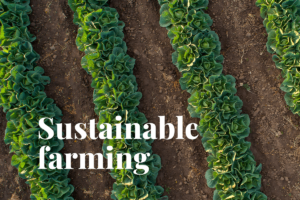
One of the biggest reasons organic produce has become increasingly popular is the way it is grown. Unlike conventional farming, which often relies on synthetic pesticides, chemical fertilizers, and genetically modified organisms (GMOs), organic farming focuses on working with nature rather than against it. The goal is to produce nutritious organic fruits and organic vegetables while protecting the environment, preserving soil fertility, and supporting biodiversity.
Understanding how organic produce is grown can help consumers appreciate why organic foods often cost more and why many people consider them a worthwhile investment for both personal health and the planet.
U.S. Department of Agriculture (USDA Organic)
https://www.usda.gov/topics/organic USDA Organic Standards
Organic Farming Starts with Healthy Soil
Healthy crops begin with healthy soil. Organic farmers view soil as a living ecosystem filled with beneficial microorganisms, fungi, earthworms, and insects that work together to support plant growth.
Instead of relying on synthetic fertilizers, organic farms use natural methods to enrich the soil, including:
- Compost made from plant materials and animal manure
- Green manure and cover crops
- Crop rotation
- Natural minerals approved for organic farming
- Mulching to retain moisture and suppress weeds
These practices improve soil structure, increase water retention, reduce erosion, and encourage beneficial microbes that help plants absorb nutrients naturally.
Healthy soil not only produces stronger plants but also contributes to long-term agricultural sustainability.
Natural Pest Control Instead of Synthetic Chemicals
One of the defining features of organic produce is the limited use of synthetic pesticides. Rather than depending on chemical sprays, organic farmers use integrated pest management (IPM), a combination of preventive and natural strategies to keep pests under control.
Environmental Working Group (EWG) – Shopper’s Guide to Pesticides in Produce
https://www.ewg.org/foodnews/ EWG Shopper’s Guide to Pesticides in Produce
Some common methods include:
- Introducing beneficial insects such as ladybugs to control aphids
- Encouraging birds and bats that feed on crop pests
- Planting flowers that attract pollinators and beneficial insects
- Using physical barriers like row covers and insect nets
- Rotating crops to interrupt pest life cycles
- Applying naturally derived pest-control products when necessary
These techniques help maintain ecological balance while reducing chemical exposure in the farming environment.
Crop Rotation Improves Soil Health
Crop rotation is one of the oldest and most effective organic farming techniques.
Instead of growing the same crop in the same field every season, farmers alternate different plant families from year to year.
For example:
| Year | Crop |
|---|---|
| Year 1 | Tomatoes |
| Year 2 | Beans |
| Year 3 | Lettuce |
| Year 4 | Carrots |
This practice helps:
- Reduce soil nutrient depletion
- Break pest and disease cycles
- Improve soil fertility naturally
- Minimize weed growth
- Increase crop resilience
Crop rotation is a key reason organic farms can remain productive without heavy dependence on synthetic inputs.
Organic Fertilizers Feed the Soil Naturally
Unlike conventional agriculture, which often applies synthetic fertilizers directly to crops, organic farming focuses on feeding the soil so the soil can feed the plants.
Common organic fertilizers include:
- Compost
- Well-aged animal manure
- Fish emulsion
- Seaweed extracts
- Bone meal
- Blood meal
- Rock phosphate
These natural nutrient sources release minerals gradually, promoting steady plant growth while reducing the risk of nutrient runoff into rivers and streams.

Organic Farms Encourage Biodiversity
Biodiversity is another hallmark of organic agriculture.
Rather than creating large monocultures, many organic farms encourage a diverse ecosystem where plants, insects, birds, and microorganisms coexist.
Farmers may plant:
- Wildflower strips for pollinators
- Hedgerows for birds
- Cover crops between growing seasons
- Mixed crop systems
- Trees around fields for habitat and wind protection
Greater biodiversity can improve natural pest control, enhance pollination, and strengthen the overall resilience of the farm ecosystem.
Strict Organic Certification Standards
Before food can be labeled as organic produce, it must meet rigorous certification requirements established by recognized regulatory bodies. Although standards vary by country, certified organic farms are generally required to:
- Avoid most synthetic pesticides and fertilizers
- Refrain from using genetically modified organisms (GMOs)
- Maintain detailed production records
- Protect soil and water resources
- Undergo regular inspections by accredited certifying organizations
These certification systems provide consumers with greater confidence that the food they purchase has been produced according to established organic principles.
Why Organic Farming Matters for Better Health
The science-backed benefits of organic produce for better health begin long before food reaches your plate. By emphasizing healthy soil, natural pest management, biodiversity, and sustainable farming methods, organic agriculture supports food production systems that are designed to be both environmentally responsible and resilient.
While research shows that nutrient differences between organic and conventional produce are often modest, many consumers choose organic fruits and organic vegetables because they want to reduce pesticide exposure, support environmentally friendly farming practices, and make more informed food choices.
Ultimately, understanding how organic produce is grown helps shoppers see that buying organic is about more than a label—it reflects a broader commitment to sustainable agriculture, healthier ecosystems, and a more transparent food system.
Top Organic Fruits and Vegetables You Should Buy First for Maximum Health Benefits
If you’re thinking about switching to organic produce, you don’t have to replace every item in your grocery cart overnight. A smart approach is to start with the fruits and vegetables that are more likely to carry pesticide residues when grown conventionally or those that you eat most often. This allows you to enjoy many of the organic food benefits while staying within your budget.
Whether your goal is to reduce pesticide exposure, eat cleaner, or support sustainable farming, choosing the right organic fruits and organic vegetables can make a meaningful difference. Below are some of the best options to prioritize, along with the health benefits they offer.
Why Prioritize Certain Organic Produce?
Not all fruits and vegetables are grown the same way. Some crops have thin skins that allow pesticides to penetrate more easily, while others are consumed with the peel intact, increasing the likelihood of exposure to residues.
Choosing organic produce for these items can help you:
- Reduce exposure to synthetic pesticide residues
- Increase your intake of antioxidant-rich foods
- Support environmentally friendly farming practices
- Encourage healthier eating habits
- Enjoy fresher, seasonal produce
For fruits and vegetables with thick, protective peels—such as bananas or avocados—buying conventional may be a practical way to save money if you’re shopping on a budget.
1. Strawberries – A Nutrient-Packed Superfruit
Strawberries are among the most popular organic fruits because they are often eaten without peeling, making organic varieties a preferred choice for many consumers.
Health Benefits
- Rich in vitamin C
- High in antioxidants
- Supports heart health
- Boosts immune function
- Promotes healthy skin
Easy Ways to Enjoy
- Add to oatmeal
- Blend into smoothies
- Toss into salads
- Mix with yogurt
- Eat fresh as a snack
2. Spinach – A Leafy Green Loaded with Nutrients
Spinach is another excellent choice when buying organic vegetables. Its delicate leaves can retain pesticide residues, making organic spinach a popular option.
Health Benefits
- Excellent source of iron
- Rich in vitamin K
- Supports bone health
- Contains folate
- Packed with antioxidants
Best Ways to Eat Spinach
- Green smoothies
- Fresh salads
- Stir-fries
- Omelets
- Soups
3. Apples – Everyday Nutrition Made Better
Apples are one of the most consumed fruits worldwide, and because people usually eat the skin, many choose organic varieties.
Health Benefits
- High in dietary fiber
- Supports digestive health
- Helps regulate blood sugar
- Promotes heart health
- Contains vitamin C and polyphenols
Pro Tip
Keep organic apples in the refrigerator to maintain freshness for several weeks.
4. Grapes – Naturally Sweet and Rich in Antioxidants
Grapes are another fruit commonly enjoyed whole, making organic grapes a smart option for many families.
Health Benefits
- Rich in resveratrol
- Supports cardiovascular health
- Contains vitamin K
- Provides hydration
- Helps fight oxidative stress
Perfect for:
- Lunch boxes
- Fruit salads
- Healthy desserts
- Frozen snacks
5. Tomatoes – A Powerful Source of Lycopene
Tomatoes are one of the most versatile vegetables (technically fruits) in the kitchen.
Health Benefits
- High in lycopene
- Supports heart health
- Rich in vitamin C
- Promotes healthy skin
- Contains potassium
Organic tomatoes are especially flavorful when purchased fresh and in season.
6. Bell Peppers – Colorful and Nutrient-Dense
Bell peppers are loaded with vitamins and antioxidants.
Health Benefits
- Extremely high in vitamin C
- Rich in beta-carotene
- Supports immune health
- Promotes eye health
- Low in calories
Enjoy them:
- Raw with hummus
- Stir-fried
- Stuffed
- Grilled
- Added to salads
7. Kale – One of Nature’s Most Nutritious Greens
Kale continues to rank among the healthiest organic vegetables available.
Health Benefits
- Rich in vitamins A, C, and K
- Excellent source of fiber
- Supports healthy bones
- Contains lutein and zeaxanthin
- High antioxidant content
8. Blueberries – Tiny Berries with Big Benefits
Blueberries are famous for their antioxidant properties.
Health Benefits
- Supports brain function
- Promotes heart health
- Helps reduce inflammation
- Rich in vitamin C
- May support healthy aging
They are excellent for:
- Smoothies
- Yogurt
- Breakfast cereals
- Healthy snacks
9. Cucumbers – Refreshing and Hydrating
Cucumbers are often eaten with their skin, making organic options attractive for many shoppers.
Health Benefits
- Excellent hydration
- Low in calories
- Good source of vitamin K
- Supports digestion
- Refreshing summer snack
10. Carrots – Crunchy, Sweet, and Nutritious
Carrots are naturally rich in beta-carotene, which the body converts into vitamin A.
Health Benefits
- Supports eye health
- Boosts immunity
- Promotes healthy skin
- Rich in fiber
- Low in calories
Organic carrots are ideal for:
- Snacking
- Roasting
- Soups
- Juicing
- Salads
Quick Comparison of the Best Organic Produce to Buy
| Organic Produce | Key Nutrients | Main Health Benefits | Best Ways to Eat |
|---|---|---|---|
| Strawberries | Vitamin C, antioxidants | Immune support, heart health | Fresh, smoothies, yogurt |
| Spinach | Iron, folate, vitamin K | Bone health, energy | Salads, smoothies |
| Apples | Fiber, vitamin C | Digestion, heart health | Fresh, baked |
| Grapes | Resveratrol, vitamin K | Heart health | Snacks, fruit salads |
| Tomatoes | Lycopene, vitamin C | Heart health, skin | Salads, sauces |
| Bell Peppers | Vitamin C, beta-carotene | Immunity, eye health | Raw, grilled |
| Kale | Vitamins A, C, K | Bone and immune health | Salads, soups |
| Blueberries | Antioxidants, vitamin C | Brain and heart health | Smoothies, oatmeal |
| Cucumbers | Water, vitamin K | Hydration, digestion | Salads, snacks |
| Carrots | Beta-carotene, fiber | Eye health, immunity | Raw, roasted |
How to Choose High-Quality Organic Produce
Selecting fresh organic produce ensures you get the best flavor, texture, and nutritional value. Here are a few practical tips:
- Look for vibrant, natural colors without excessive bruising.
- Choose fruits and vegetables that feel firm and fresh.
- Avoid produce with mold, soft spots, or signs of spoilage.
- Buy seasonal items whenever possible for better taste and value.
- Read organic certification labels to ensure authenticity.
- Store produce properly to extend freshness and reduce food waste.
Budget-Friendly Tips for Buying Organic Produce
Eating organic doesn’t have to be expensive. Consider these strategies:
- Shop at local farmers’ markets where seasonal produce is often more affordable.
- Purchase frozen organic fruits and vegetables—they retain most of their nutrients and last longer.
- Buy in-season produce to take advantage of lower prices.
- Join a Community Supported Agriculture (CSA) program for fresh, locally grown produce.
- Grow easy crops like tomatoes, lettuce, herbs, or spinach at home.

Thoughts
Choosing the right organic produce is one of the simplest ways to invest in your long-term health. While it’s not necessary to buy everything organic, prioritizing commonly consumed organic fruits and organic vegetables—especially those eaten with their skins—can help reduce pesticide exposure and support a more sustainable food system.
By filling your plate with colorful, nutrient-rich options like strawberries, spinach, apples, tomatoes, kale, blueberries, and carrots, you’ll enjoy many of the science-backed benefits of organic produce for better health. Start with a few key items, shop seasonally, and build healthier habits one grocery trip at a time.
Final Thoughts
Organic Produce has become much more than a trend—it reflects a growing desire for healthier eating, environmental responsibility, and greater transparency in how food is produced. While no single food can guarantee perfect health, choosing organic fruits and vegetables can help reduce pesticide exposure, support sustainable agriculture, and encourage a diet rich in whole, nutrient-dense foods.
Whether you decide to buy all organic or simply incorporate a few organic staples into your weekly shopping, the most important step is to eat a wide variety of fruits and vegetables every day. Consistency, balance, and informed choices matter far more than perfection.
As awareness of nutrition and sustainability continues to grow through 2026–2027, organic produce is likely to remain an important part of healthy lifestyles around the world.
Call to Action
Have you made the switch to organic produce, or are you considering it? Share your favorite organic fruits and vegetables in the comments below and let us know how they’ve become part of your healthy eating routine. If you found this guide helpful, share it with friends and family so they can make smarter, healthier grocery choices too.
About The Author