Home organic farming
In today’s world, food safety, sustainability, and healthy living have become more important than ever. People are no longer satisfied with just buying vegetables from the market—they want to grow their own food, even if they live in small apartments or urban homes.
This is where home organic farming becomes a life-changing solution.
Organic farming at home is not just a gardening trend; it is a lifestyle shift. It allows individuals and families to grow chemical-free vegetables, herbs, and fruits right from their balconies, backyards, rooftops, or even kitchen spaces.
In 2026, search trends show a massive rise in:
- Urban gardening
- Self-sustained food production
- Natural farming methods
- Chemical-free vegetables
This guide will walk you through a complete step-by-step organic gardening beginners roadmap, designed for anyone—no matter your experience level.

STEP 1: UNDERSTANDING HOME ORGANIC FARMING BASICS
Before you dig into soil or plant seeds, you need to understand what home organic farming really means.
What is Home Organic Farming?
It is the practice of growing crops without synthetic fertilizers, pesticides, or genetically modified seeds. Instead, it relies on:
- Compost manure
- Natural fertilizers
- Biological pest control
- Crop rotation
Why Organic Farming at Home Matters
- Healthier food
- Lower grocery bills
- Environmental protection
- Stress relief through gardening
Organic farming is not complicated—it is simply returning to natural growing methods.
STEP 2: CHOOSING THE BEST CROPS FOR ORGANIC FARMING AT HOME IN SMALL SPACES 2026
One of the most important steps in organic farming at home is selecting the right crops.
Best crops for beginners:
- Spinach
- Lettuce
- Tomatoes
- Chili peppers
- Cucumbers
- Basil
- Mint
Why these crops?
- Fast growing
- Low maintenance
- Suitable for pots and containers
- High yield in small spaces
Pro Tip:
Start small. Focus on 2–3 crops before expanding your garden.
STEP 3: SOIL PREPARATION GUIDE FOR ORGANIC FARMING AT HOME FOR BEGINNERS
Soil is the foundation of successful farming. Without healthy soil, plants cannot grow properly.
Steps to prepare soil:
- Mix garden soil with compost (50:50 ratio)
- Add organic manure (cow dung or vermicompost)
- Ensure proper drainage
- Remove stones and debris
Healthy soil = Healthy crops
Good soil should:
- Hold moisture
- Allow airflow
- Be rich in nutrients
STEP 4: SELECTING THE RIGHT CONTAINERS FOR ORGANIC FARMING AT HOME
You don’t need farmland. You just need creativity.
Suitable containers:
- Plastic pots
- Clay pots
- Grow bags
- Recycled buckets
- Wooden boxes
Important tips:
- Ensure drainage holes
- Use medium-sized containers for vegetables
- Avoid water stagnation
STEP 5: HOW TO START ORGANIC FARMING AT HOME FOR BEGINNERS STEP BY STEP
Now let’s break it down simply:
Step-by-step process:
- Choose your crops
- Prepare nutrient-rich soil
- Select containers
- Plant seeds or seedlings
- Water lightly
- Place in sunlight
- Monitor growth daily
Consistency is more important than perfection.
STEP 6: NATURAL PEST CONTROL METHODS FOR ORGANIC VEGETABLE FARMING AT HOME
Pests are one of the biggest challenges in natural pest control farming, but chemicals are not needed.
Natural pest control methods:
- Neem oil spray
- Garlic and chili spray
- Soap water solution
- Companion planting (e.g., basil with tomatoes)
Why avoid chemicals?
- Protects soil health
- Keeps vegetables safe
- Encourages beneficial insects
Learn more about eco-friendly pest control from FAO:
Food and Agriculture Organization
https://www.fao.org/organicag/en/
STEP 7: WATERING TECHNIQUES FOR ORGANIC FARMING AT HOME
Watering incorrectly is a common beginner mistake.
Best practices:
- Water early morning or evening
- Avoid overwatering
- Use spray bottles for seedlings
- Keep soil moist, not soaked
STEP 8: SUNLIGHT AND LOCATION IN ORGANIC FARMING AT HOME
Plants need sunlight to grow.
Ideal sunlight exposure:
- Leafy vegetables: 3–4 hours daily
- Fruiting plants: 6–8 hours daily
Best locations:
- Balconies
- Rooftops
- Window sides
- Small backyard spaces
STEP 9: COMPOSTING FOR HOME ORGANIC FARMING SUCCESS
Composting is the heart of organic gardening beginners success.
What you can compost:
- Vegetable peels
- Fruit waste
- Eggshells
- Dry leaves
Benefits:
- Reduces waste
- Improves soil fertility
- Saves money
Learn composting science from EPA:
United States Environmental Protection Agency
https://www.epa.gov/recycle/composting-home
STEP 10: MAINTAINING AND HARVESTING YOUR ORGANIC GARDEN
Maintenance tips:
- Remove weeds regularly
- Check for pests weekly
- Rotate crops
- Add compost every 2–3 weeks
Harvesting:
- Pick vegetables when fresh
- Avoid over-ripening
- Harvest in the morning for best taste
COMPARISON TABLE: ORGANIC VS CHEMICAL FARMING AT HOME
| Feature | Organic Farming at Home | Chemical Farming |
|---|---|---|
| Soil health | Improves over time | Degrades soil |
| Food safety | 100% natural | May contain residues |
| Cost | Low long-term cost | Higher input cost |
| Environment | Eco-friendly | Polluting |
| Taste | Better flavor | Less natural taste |
BENEFITS OF HOME ORGANIC FARMING
- Healthier lifestyle
- Stress reduction
- Food independence
- Environmental protection
- Financial savings
COMMON MISTAKES IN ORGANIC GARDENING BEGINNERS SHOULD AVOID
- Overwatering plants
- Using poor soil quality
- Ignoring sunlight needs
- Planting too many crops at once
- Using chemical fertilizers unknowingly
Understanding the Basics and Why It Matters for Beginners
Starting a home journey feel exciting, especially when you imagine harvesting fresh vegetables right from your balcony, rooftop, or backyard. But before jumping into planting seeds, it is important to understand what organic farming really means and why it has become such a powerful movement in recent years.
At its core, organic farming at home is the practice of growing food naturally without relying on synthetic fertilizers, chemical pesticides, or genetically modified seeds. Instead, it depends on natural systems like composting, crop diversity, healthy soil biology, and eco-friendly pest control methods. For beginners, this approach may sound traditional, but it is actually one of the most sustainable and modern solutions for healthy living in 2026.
What Exactly is Home Organic Farming?
Home organic farming simply means growing your own food in a natural and chemical-free way within your living space. This can be done in:
- Small backyard gardens
- Balcony containers
- Rooftop farms
- Kitchen gardens
- Even recycled pots and buckets
Unlike commercial farming, the focus here is not on scale but on quality, safety, and sustainability.
Instead of forcing plants with artificial boosters, organic farming encourages natural growth. The soil is enriched with compost, kitchen waste is recycled into fertilizer, and pests are managed using natural solutions.
This makes organic gardening beginners feel more connected to nature while producing healthier food for daily consumption.
Why Home Organic Farming Matters in Today’s World
In recent years, people have become more conscious about what they eat. Concerns about pesticides, food contamination, and environmental damage have pushed many households to explore home organic farming as a reliable solution.
Here are some key reasons why it matters:
1. Healthier Food Choices
Organic vegetables are free from harmful chemical residues. This means what you grow at home is safer for your family and more nutritious.
2. Environmental Protection
By avoiding synthetic fertilizers and pesticides, you reduce soil and water pollution. Organic farming supports biodiversity and protects beneficial insects.
3. Cost Savings Over Time
Although there may be small initial setup costs, home farming reduces long-term grocery expenses significantly.
4. Mental Well-being
Gardening has been proven to reduce stress, improve mood, and provide a sense of accomplishment.
How Beginners Can Approach Organic Farming at Home
For those new to how to start organic farming at home for beginners step by step, the most important thing is to keep it simple.
You do not need advanced tools or large land. Instead, start with:
- A few pots or containers
- Basic soil mixed with compost
- Easy crops like spinach or mint
- Regular watering and sunlight
The goal is not perfection—it is consistency and learning through experience.
Even small success, like growing your first tomato plant, builds confidence and motivation to expand your garden over time.
The Foundation of Success: Healthy Soil and Natural Growth
One of the most important lessons in home organic farming is that soil is alive. Healthy soil contains microorganisms that help plants grow stronger and resist disease naturally.
This is why organic farming focuses on:
- Composting kitchen waste
- Using natural manure
- Avoiding chemical overload
- Maintaining soil balance
When soil is treated properly, plants become more resilient and productive without artificial support.
Why This Step is the Most Important Starting Point
Understanding the basics of organic farming at home helps beginners avoid common mistakes such as overwatering, using poor soil, or expecting instant results.
Instead of rushing, this stage builds the foundation for long-term success. It teaches patience, observation, and respect for natural processes.
Once you understand this foundation, moving to crop selection, soil preparation, and pest control becomes much easier and more effective.
In summary, home organic farming is not just about planting seeds—it is about adopting a healthier, more sustainable way of living. For beginners, this first step is the most important because it shapes how successful and enjoyable the entire gardening journey will become.
Organic Farming at Home: Best Crops for Small Spaces and High-Yield Harvest in 2026
One of the most exciting parts of starting organic farming at home is choosing what to grow. For beginners, this step can determine how successful and enjoyable the entire gardening journey becomes. The good news is that you don’t need large farmland to grow healthy food—just the right crops suited for small spaces, containers, and limited sunlight.
In 2026, more people practicing home organic farming are focusing on crops that are fast-growing, low-maintenance, and highly productive. These crops not only thrive in small areas but also give quick results, which is very encouraging for beginners.
Why Crop Selection Matters in Organic Farming at Home
Choosing the right crops is not just about preference—it directly affects your success rate in organic gardening beginners journey.
The right crops help you:
- Get faster harvest results
- Reduce plant failure rate
- Save space and resources
- Build confidence as a beginner
Wrong crop selection, on the other hand, can lead to frustration, poor yield, and wasted effort.
That is why understanding best crops for organic farming at home in small spaces 2026 is essential.
Best Leafy Vegetables for Beginners
Leafy vegetables are the easiest and fastest crops to grow in home gardens. They require minimal care and grow well in containers.
Top choices include:
- Spinach
- Lettuce
- Kale
- Coriander (Cilantro)
- Amaranth leaves
Why they are perfect:
- Grow within 3–5 weeks
- Require less sunlight
- Can be harvested multiple times
- High nutritional value
These crops are ideal for anyone learning how to start organic farming at home for beginners step by step.
Best Fruiting Vegetables for Small Spaces
Fruiting vegetables take slightly longer to grow but offer high yield when properly maintained.
Recommended options:
- Tomatoes
- Chili peppers
- Bell peppers
- Eggplants (small varieties)
- Cucumbers
Key benefits:
- High productivity in small pots
- Continuous harvesting for weeks
- Suitable for balcony gardens
Tomatoes, in particular, are one of the most popular crops in home organic farming due to their versatility and demand.
Best Herbs for Organic Farming at Home
Herbs are a must-have in every beginner garden. They grow easily, require little space, and are highly useful in cooking and natural remedies.
Best herbs include:
- Basil
- Mint
- Rosemary
- Thyme
- Parsley
Why herbs are important:
- Grow in small containers
- Improve air quality
- Repel certain pests naturally
- Can be harvested continuously
Herbs also play a role in natural pest control farming when planted alongside vegetables.
Comparison Table: Best Crops for Organic Farming at Home
| Crop Type | Examples | Growth Time | Space Required | Difficulty Level |
|---|---|---|---|---|
| Leafy Vegetables | Spinach, Lettuce | 3–5 weeks | Very low | Easy |
| Fruiting Vegetables | Tomatoes, Chili | 8–12 weeks | Medium | Moderate |
| Herbs | Mint, Basil | 2–4 weeks | Very low | Very Easy |
This simple breakdown helps beginners choose wisely based on their space and experience level.
Pro Tips for Higher Yield in Small Spaces
To maximize success in organic farming at home, follow these practical tips:
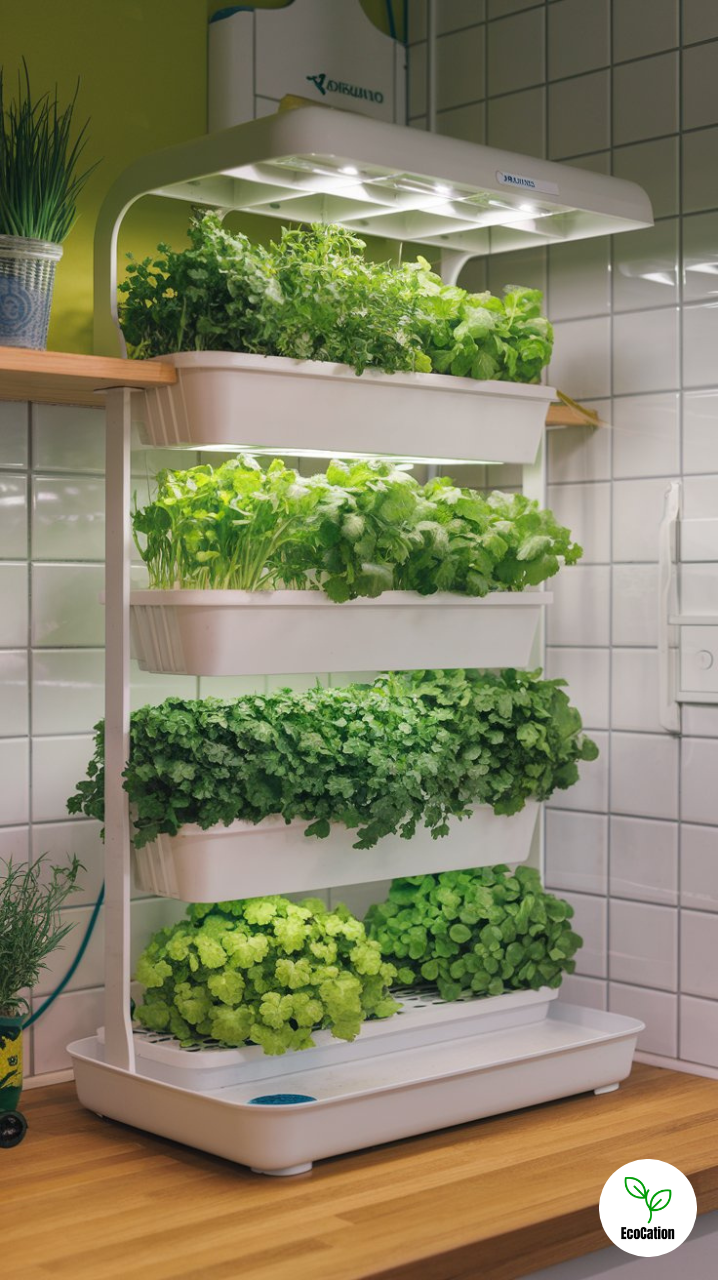
- Use vertical gardening techniques (stacked pots or hanging containers)
- Rotate crops every season
- Mix herbs with vegetables to improve growth
- Ensure at least 4–6 hours of sunlight
- Avoid overcrowding plants
These small adjustments can significantly increase your harvest even in limited space.
Thought on Crop Selection
Selecting the right crops is the backbone of successful home organic farming. When beginners start with easy, fast-growing plants, they build confidence and develop a natural understanding of plant behavior.
Instead of rushing into complex farming methods, focus on simple, rewarding crops first. Once you master these, expanding your garden becomes easier, more enjoyable, and highly productive.
In the next stage, the real foundation of success lies in preparing healthy soil—because no matter how good your seeds are, they can only thrive in the right growing environment.
Soil Preparation Guide for Organic Farming at Home for Beginners: Building Healthy and Fertile Soil Naturally
If there is one element that quietly determines the success or failure of any home organic farming effort, it is the soil. Seeds may look promising, and crops may be carefully chosen, but without healthy soil, nothing truly thrives. For beginners in organic farming at home, understanding soil preparation is not just a technical step—it is the foundation of everything that comes next.
Good soil is alive. It breathes, holds nutrients, supports microorganisms, and creates the perfect environment for plants to grow naturally without chemicals. Once you learn how to build it properly, your garden becomes self-sustaining over time.
Understanding What Makes Soil “Healthy”
Healthy soil is not just dirt. It is a living ecosystem made up of:
- Organic matter (decayed leaves, compost)
- Beneficial bacteria and fungi
- Air pockets for root breathing
- Moisture balance
- Essential nutrients like nitrogen and potassium
When all these elements are balanced, plants grow stronger, resist pests naturally, and produce better yields.
For beginners, the goal is simple: create soil that mimics nature, not industrial farming systems.
Step 1: Choosing the Right Base Soil
The first step in preparing soil for a home garden is selecting a good base.
You can use:
- Garden soil from your backyard
- Purchased potting soil
- Red soil mixed with sand (for drainage)
Avoid using soil that is too clay-heavy or too sandy on its own, as both extremes can affect plant growth.
A balanced texture allows roots to spread easily and absorb nutrients efficiently.
Step 2: Enriching Soil with Organic Matter
Once the base soil is ready, the next step is enrichment. This is where natural farming begins to show its power.
You can improve soil quality by adding:
- Compost from kitchen waste
- Well-decomposed animal manure
- Dry leaves and plant residues
- Vermicompost (worm compost)
These materials slowly release nutrients into the soil, feeding plants over time rather than all at once.
This slow-release system is what makes natural gardening more sustainable than chemical-based methods.
Step 3: Improving Drainage and Aeration
One common mistake beginners make is ignoring drainage. Poor drainage leads to root rot and weak plant growth.
To improve soil structure:
- Mix sand or cocopeat into the soil
- Avoid compacting soil too tightly
- Use containers with drainage holes
- Loosen soil regularly with a small tool
Proper aeration ensures roots receive enough oxygen, which is essential for healthy development.
Step 4: Balancing Moisture Retention
Soil should not be too dry or too wet—it needs balance.
To maintain moisture:
- Add organic compost regularly
- Use mulch (dry leaves or straw) on top
- Water consistently but moderately
Mulching is especially useful because it reduces evaporation and keeps soil temperature stable.
Step 5: Restoring Soil Fertility Naturally
Over time, soil loses nutrients as plants absorb them. Instead of using chemical fertilizers, you can restore fertility naturally.
Simple methods include:
- Adding compost every 2–3 weeks
- Rotating crops in different containers
- Using banana peels and vegetable waste as natural fertilizer
- Introducing earthworms for soil health improvement
These methods keep the soil active and productive for long-term gardening.
Simple Soil Mix Formula for Beginners
Here is a beginner-friendly soil recipe for home gardening:
- 40% garden soil
- 30% compost
- 20% cocopeat or sand
- 10% vermicompost
This combination creates a balanced environment for most vegetables and herbs.
Why Soil Preparation Determines Long-Term Success
Many beginners focus only on seeds or watering, but experienced gardeners know that soil is the real “engine” of growth.
When soil is well-prepared:
- Plants grow faster
- Diseases reduce naturally
- Water usage becomes efficient
- Harvest quality improves significantly
This is why investing time in soil preparation always pays off in the long run.
Building healthy soil is not a one-time task—it is a continuous process. As you practice and observe your plants, you will begin to understand how soil responds, changes, and improves over time.
For anyone starting organic gardening at home, this step transforms gardening from guesswork into a natural, rewarding experience. Once your soil is strong, everything else—planting, growth, and harvest—becomes much easier and more enjoyable.
Natural Pest Control Methods for Organic Vegetable Farming at Home: Safe and Chemical-Free Solutions
One of the biggest concerns for anyone starting organic farming at home is pests. Tiny insects, worms, and fungal infections can quickly damage plants if not managed properly. But unlike conventional farming, where chemical pesticides are often used, organic gardening beginners rely on natural, safe, and eco-friendly solutions.
The goal of natural pest control farming is not to eliminate every insect, but to create balance—where harmful pests are controlled without destroying beneficial organisms like bees, ladybugs, and earthworms.
Understanding Why Pests Appear in Home Organic Farming
Pests usually appear when there is imbalance in the garden ecosystem. Common causes include:
- Overwatering plants
- Poor soil health
- Lack of plant diversity
- Weak or stressed plants
- Excess nitrogen in soil
When plants are healthy and soil is balanced, they naturally resist pests better.
This is why pest control is not a separate activity—it is connected to overall garden health.
Neem Oil: The Most Trusted Natural Pest Control Solution
Neem is one of the most powerful natural tools in home organic farming.
How it works:
Neem oil disrupts the life cycle of pests, preventing them from feeding and reproducing.
How to use:
- Mix neem oil with water
- Add a few drops of mild soap
- Spray on leaves every 7–10 days
Benefits:
- Safe for vegetables
- Eco-friendly
- Works on multiple pests (aphids, mites, whiteflies)
Neem remains a cornerstone of natural pest management worldwide.
Garlic and Chili Spray: Homemade Protection for Plants
This is a simple but powerful DIY solution used by many gardeners.
Ingredients:
- Garlic cloves
- Fresh chili peppers
- Water
How it works:
The strong smell and compounds in garlic and chili repel insects naturally.
Application:
- Blend ingredients with water
- Strain and spray on affected plants
- Apply once weekly or after rain
It is especially effective for leafy vegetables and herbs.
Companion Planting: Nature’s Pest Defense System
Companion planting is one of the most intelligent strategies in organic farming at home.
It involves growing certain plants together to protect each other.
Examples:
- Basil + Tomatoes (repels flies and mosquitoes)
- Marigold + Vegetables (deterrent for nematodes)
- Mint + Cabbage (repels cabbage worms)
Why it works:
Some plants naturally release scents or chemicals that confuse or repel pests.
This method not only controls pests but also improves plant growth and yield.
Soap Water Solution: Simple but Effective Control
A mild soap solution can help control soft-bodied insects.
How to prepare:
- Mix a few drops of liquid soap in water
- Spray directly on pests
What it targets:
- Aphids
- Mealybugs
- Whiteflies
It works by breaking down the protective outer layer of insects, causing them to dehydrate.
Encouraging Beneficial Insects
Not all insects are harmful. Some actually protect your garden.
Helpful insects include:
- Ladybugs (eat aphids)
- Bees (pollination)
- Praying mantis (feed on pests)
To attract them:
- Avoid chemical sprays
- Plant flowers like marigold and sunflower
- Maintain plant diversity
A balanced garden naturally controls pests without intervention.
Comparison Table: Natural Pest Control Methods
| Method | Effectiveness | Safety | Ease of Use | Best For |
|---|---|---|---|---|
| Neem Oil | High | Very Safe | Easy | General pests |
| Garlic-Chili Spray | Medium-High | Very Safe | Easy | Leafy vegetables |
| Companion Planting | Long-term | Completely Safe | Moderate | Preventive control |
| Soap Water | Medium | Safe | Very Easy | Soft insects |
Preventive Practices for Long-Term Pest Control
Instead of reacting to pests, prevention is more effective in home organic farming.
Follow these habits:
- Inspect plants regularly
- Remove infected leaves early
- Avoid overcrowding plants
- Rotate crops periodically
- Keep soil healthy and rich in compost
Healthy plants naturally resist pest attacks better.
Managing pests in organic gardening beginners journey is not about fighting nature—it is about working with it. When you avoid chemicals and focus on balance, your garden becomes a self-regulating ecosystem.
Over time, you will notice fewer pest problems as your soil improves, your plants strengthen, and beneficial insects take control of the environment.
In the end, successful pest control in organic farming at home is less about elimination and more about harmony.
FINAL THOUGHTS: WHY YOU SHOULD START ORGANIC FARMING AT HOME TODAY
Starting home organic farming is not just about growing food—it is about building a sustainable lifestyle.
Even if you start with one pot, one seed, or one small corner of your home, it can grow into something meaningful.
The future of food is:
- Natural
- Local
- Chemical-free
- Sustainable
And it starts with you.
About The Author