Farm Animal Stress
Farm Animal Stress is one of the most overlooked challenges in modern livestock production, yet it can silently reduce animal health, fertility, milk production, egg yield, weight gain, and overall farm profitability. Whether you raise cattle, sheep, goats, pigs, poultry, or rabbits, recognizing stress before it becomes a serious problem can save you significant time, money, and effort.
In 2026, livestock farming is becoming more data-driven and welfare-focused than ever before. Farmers are increasingly using improved housing, precision livestock farming technologies, wearable sensors, and better nutrition strategies to monitor their animals’ well-being. However, technology alone isn’t enough. Every farmer should know how to identify the earliest warning signs of stress through daily observation.
Stress doesn’t happen overnight. Animals often show subtle behavioral and physical changes long before they become sick. Learning to recognize these changes early helps prevent disease outbreaks, improves productivity, reduces veterinary costs, and supports better animal welfare.
In this guide, you’ll discover the 10 powerful early warning signs of Farm Animal Stress, understand what causes it, and learn practical ways to keep your livestock healthier, happier, and more productive throughout the year.

What Is Farm Animal Stress?
Farm Animal Stress refers to the physical and emotional strain livestock experience when they struggle to cope with changes in their environment or management. While short-term stress can sometimes be harmless, prolonged or chronic stress weakens the immune system and negatively affects animal performance.
Common causes include:
- Heat stress
- Poor nutrition
- Overcrowding
- Transportation
- Disease
- Rough handling
- Sudden weather changes
- Predator threats
- Lack of clean water
- Social competition among animals
Understanding these causes is the first step toward preventing long-term health problems.
Why Detecting Stress Early Matters
Ignoring stress can lead to:
- Lower milk production
- Reduced egg laying
- Slower weight gain
- Poor fertility
- Higher disease rates
- Increased mortality
- Greater veterinary expenses
- Lower farm profits
Early intervention keeps animals comfortable while protecting your investment.
10 Powerful Early Warning Signs of Farm Animal Stress
1. Sudden Changes in Eating Habits
One of the earliest indicators of Farm Animal Stress is reduced appetite.
Healthy livestock usually follow consistent feeding patterns. Animals experiencing stress may:
- Eat less
- Stop drinking enough water
- Leave feed untouched
- Compete aggressively at feeding stations
Example
A dairy cow suffering from heat stress may consume less feed during hot afternoons, resulting in lower milk production.
What to Do
- Ensure constant access to clean water.
- Provide high-quality, balanced feed.
- Feed during cooler parts of the day in hot weather.
2. Unusual Aggression or Social Withdrawal
Behavior often changes before physical symptoms appear.
Watch for animals that suddenly:
- Fight more often
- Isolate themselves
- Avoid the herd
- Bully weaker animals
- Show excessive fear
Practical Tip
If one pig constantly attacks others after being moved to a new pen, overcrowding or social stress may be the underlying issue.
3. Rapid or Heavy Breathing
Fast breathing is among the most obvious signs of heat stress in livestock.
Look for:
- Panting
- Open-mouth breathing
- Excessive drooling
- Extended neck posture
This is especially common in:
- Poultry
- Pigs
- Dairy cattle
Action Step
Increase airflow using fans or natural ventilation and provide shaded resting areas.
4. Reduced Productivity
Stress often affects production long before animals appear visibly ill.
Signs include:
- Lower milk yield
- Fewer eggs
- Slower growth
- Poor feed conversion
- Reduced wool quality
Example
A flock of laying hens exposed to excessive heat may experience a noticeable decline in egg production within days.
5. Excessive Vocalization
Animals communicate discomfort.
Pay attention if livestock suddenly become:
- Loud
- Restless
- Constantly calling
- Whining or bleating excessively
This behavior may indicate:
- Hunger
- Fear
- Heat
- Pain
- Separation anxiety
6. Poor Coat, Feather, or Skin Condition
Healthy animals usually have shiny coats or clean feathers.
Stress may lead to:
- Feather pecking
- Hair loss
- Rough coats
- Dry skin
- Excessive scratching
Poor appearance often reflects nutritional deficiencies or chronic stress.
7. Frequent Illness
Stress weakens the immune system.
Animals under prolonged stress become more vulnerable to:
- Respiratory infections
- Mastitis
- Digestive disorders
- Parasites
- Foot problems
Preventing stress helps reduce disease outbreaks naturally.
8. Reproductive Problems
Chronic Farm Animal Stress significantly affects breeding success.
Possible warning signs include:
- Poor conception rates
- Miscarriages
- Weak newborns
- Reduced fertility
- Irregular breeding cycles
Healthy, low-stress animals generally reproduce more successfully.
9. Repetitive or Abnormal Behaviors
Animals experiencing boredom or stress may develop repetitive habits called stereotypic behaviors.
Examples include:
- Bar biting in pigs
- Crib biting in horses
- Feather pecking in chickens
- Excessive licking
- Pacing
These behaviors often signal poor welfare conditions.
10. Reluctance to Move
Healthy livestock remain alert and active.
Stress or illness may cause animals to:
- Lie down longer than usual
- Walk slowly
- Limp
- Avoid standing
- Refuse to follow the herd
Never ignore sudden changes in mobility.
Early veterinary assessment can prevent more serious complications.
Common Causes of Farm Animal Stress
Understanding the root causes makes prevention easier.
Environmental Factors
- High temperatures
- Humidity
- Poor ventilation
- Loud noises
- Muddy housing
- Dirty bedding
Nutritional Problems
- Poor-quality feed
- Mineral deficiencies
- Inadequate water
- Irregular feeding schedules
Management Practices
- Rough handling
- Overcrowding
- Long transportation
- Frequent regrouping
- Poor sanitation
Health Issues
- Parasites
- Infections
- Injuries
- Pain
- Chronic disease
Practical Ways to Reduce Farm Animal Stress
Improve Housing Conditions
Provide:
- Proper ventilation
- Comfortable bedding
- Adequate space
- Dry floors
- Clean shelters
Comfortable housing immediately reduces stress levels.
Keep Fresh Water Available
Hydration becomes especially important during hot weather.
Ensure:
- Multiple watering points
- Clean drinking systems
- Cool water during summer
- Daily inspection of water supply
Handle Animals Calmly
Avoid:
- Yelling
- Chasing
- Hitting
- Sudden movements
Gentle handling builds trust and minimizes fear.
Maintain Consistent Feeding Schedules
Animals thrive on routine.
Feed them at consistent times while providing balanced nutrition suited to each stage of growth.
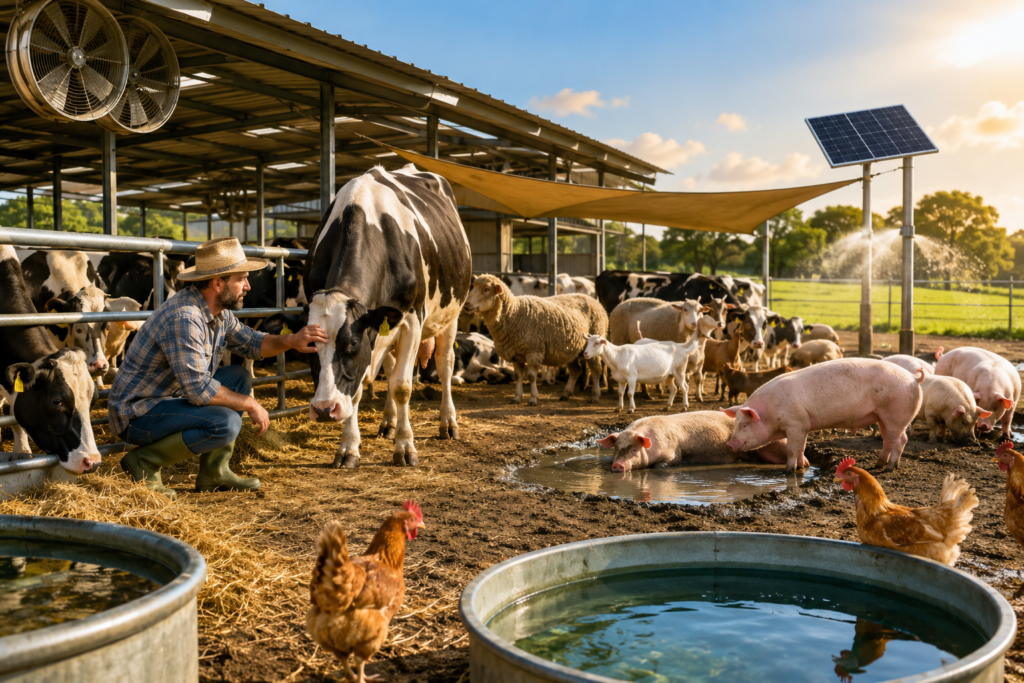
Reduce Heat Stress
Install:
- Shade structures
- Cooling fans
- Misting systems where appropriate
- Natural ventilation
Heat management is one of the most effective ways to improve livestock welfare.
Monitor Animals Daily
Spend time observing:
- Appetite
- Behavior
- Breathing
- Movement
- Social interaction
Daily observation often detects problems before technology or laboratory tests do.
The Role of Technology in Preventing Farm Animal Stress
Modern livestock farms increasingly use technology to improve animal welfare.
Examples include:
- Smart collars for cattle
- Activity monitors
- Temperature sensors
- Automated feeding systems
- AI-powered health monitoring
- Precision livestock farming software
These tools help farmers identify stress earlier and make informed management decisions.
Benefits of Managing Farm Animal Stress
Reducing stress delivers measurable advantages.
Health Benefits
- Stronger immunity
- Lower disease rates
- Improved fertility
- Better growth
Economic Benefits
- Higher milk production
- Increased egg output
- Faster weight gain
- Lower veterinary costs
- Better feed efficiency
Welfare Benefits
- Happier animals
- Reduced aggression
- Improved comfort
- Better overall quality of life
Healthy animals almost always become more productive animals.

What Causes Farm Animal Stress? Understanding the Biggest Risk Factors Affecting Livestock Health
Understanding what causes Farm Animal Stress is the first step toward protecting your livestock and improving overall farm performance. Stress rarely develops from a single event. Instead, it often results from a combination of environmental, nutritional, health, and management factors that gradually overwhelm an animal’s ability to cope. When left unaddressed, these stressors can reduce productivity, weaken immunity, increase disease outbreaks, and negatively affect animal welfare.
Whether you raise cattle, sheep, goats, pigs, poultry, or rabbits, identifying these risk factors early allows you to take preventive action before they impact your farm’s profitability.
Merck Veterinary Manual – Livestock Management
https://www.merckvetmanual.com/
Environmental Stress Factors
The environment plays a major role in livestock well-being. Animals thrive when they live in comfortable conditions with adequate shelter, ventilation, and space. Poor environmental conditions can quickly lead to chronic Farm Animal Stress.
Common environmental stressors include:
- High temperatures and excessive humidity
- Poor ventilation that traps heat and harmful gases
- Cold weather without adequate shelter
- Heavy rainfall or flooding
- Dusty or muddy living conditions
- Loud machinery, construction, or predator disturbances
For example, dairy cows exposed to prolonged heat may reduce their feed intake and milk production, while chickens raised in overcrowded houses often experience heat stress and reduced egg production during the summer months.
Practical Tip: Ensure barns have proper airflow, provide shade in outdoor grazing areas, and maintain dry, clean bedding to keep animals comfortable throughout the year.Nutritional Stress
Nutrition is one of the most important foundations of healthy livestock. Poor-quality feed or an unbalanced diet places unnecessary strain on animals, making them more vulnerable to illness and poor performance.
Nutritional stress can result from:
- Low-quality or moldy feed
- Inadequate protein, vitamins, or minerals
- Sudden changes in diet
- Irregular feeding schedules
- Limited access to clean drinking water
- Feed contamination with toxins or harmful microorganisms
Animals experiencing nutritional stress often show signs such as weight loss, dull coats, reduced fertility, slower growth, and lower milk or egg production.
Example: A beef cattle herd receiving insufficient mineral supplementation may exhibit poor weight gain and weakened immune function, increasing the risk of disease.
Actionable Advice: Work with an animal nutritionist or veterinarian to develop balanced feeding programs tailored to your livestock species, age, and production stage.
Heat Stress in Livestock
Among all causes of Farm Animal Stress, heat stress has become one of the biggest concerns for livestock farmers due to rising global temperatures and increasingly frequent heat waves.
Animals struggle to regulate their body temperature when exposed to excessive heat, especially if humidity is also high.
Common symptoms include:
- Rapid or heavy breathing
- Panting
- Excessive salivation
- Reduced appetite
- Increased water consumption
- Standing instead of lying down
- Lower milk, meat, or egg production
Some species, such as poultry and pigs, are especially vulnerable because they have limited ability to cool themselves naturally.
How to Reduce Heat Stress
- Install fans or improve natural ventilation.
- Provide shaded resting areas.
- Ensure unlimited access to cool, clean water.
- Feed animals during cooler morning or evening hours.
- Reduce handling and transportation during peak afternoon temperatures.
Taking these simple measures can significantly improve Livestock Welfare while maintaining productivity during hot weather.
Poor Animal Handling and Transportation
The way animals are handled every day has a direct impact on their physical and emotional well-being. Rough handling not only increases Farm Animal Stress but also raises the risk of injuries and long-term behavioral problems.
Stressful handling practices include:
- Shouting or excessive noise
- Chasing animals aggressively
- Using excessive force
- Improper loading and unloading during transport
- Long transportation without rest, food, or water
Transportation is particularly stressful because animals are exposed to unfamiliar environments, vibrations, temperature changes, and mixing with unfamiliar animals.
Best Practice: Move livestock calmly and patiently using low-stress handling techniques. Well-designed handling facilities with non-slip flooring and smooth pathways also help minimize fear and injuries.
Overcrowding and Social Competition
Livestock require enough space to eat, drink, rest, and move comfortably. Overcrowding increases competition for resources and can lead to aggression, injuries, and disease transmission.
Signs that overcrowding is causing stress include:
- Fighting among animals
- Uneven growth rates
- Reduced feed intake
- Feather pecking in poultry
- Tail biting in pigs
- Increased disease outbreaks
Young animals and lower-ranking individuals are often the most affected because they may struggle to access feed and water.
Practical Solution: Follow recommended stocking densities for each livestock species and provide enough feeding and watering stations to reduce competition.
Disease, Injury, and Parasites
Animals experiencing pain or illness are naturally under stress. In many cases, stress and disease create a cycle where one worsens the other. Chronic stress weakens the immune system, making animals more susceptible to infections, while disease increases physical strain and discomfort.
Common health-related stressors include:
- Internal and external parasites
- Respiratory infections
- Lameness
- Digestive disorders
- Mastitis in dairy animals
- Skin infections
- Injuries from rough flooring or sharp equipment
Regular veterinary care, vaccination programs, parasite control, and prompt treatment of sick animals help reduce health-related stress and improve overall herd performance.
Sudden Changes in Routine
Farm animals thrive on consistency. Abrupt changes in their daily routine can trigger anxiety and disrupt normal behavior.
Stressful routine changes may include:
- Switching feed without gradual introduction
- Moving animals to new pens or pastures
- Mixing unfamiliar groups
- Changes in feeding times
- Weaning young animals too abruptly
Whenever possible, introduce changes gradually so livestock have time to adapt without unnecessary stress.
Predator Threats and Constant Disturbances
Animals living in constant fear cannot perform at their best. Predators such as dogs, foxes, coyotes, or wild animals may not always attack livestock, but their presence alone can create significant stress.
Continuous disturbances may lead to:
- Reduced grazing
- Poor sleep
- Weight loss
- Lower fertility
- Increased aggression
- Reduced milk production
Installing secure fencing, using livestock guardian animals where appropriate, and ensuring proper nighttime shelter can help protect animals and reduce fear-related stress.
Why Understanding These Causes Matters
Recognizing the causes of Farm Animal Stress allows farmers to shift from treating problems to preventing them. Healthy livestock are more productive, easier to manage, and less likely to develop costly diseases. By improving housing, nutrition, handling practices, biosecurity, and environmental management, farmers can create conditions where animals thrive rather than merely survive.
Investing in stress prevention not only enhances Livestock Welfare but also leads to better growth rates, improved reproduction, higher milk and egg production, reduced veterinary costs, and stronger long-term profitability. In today’s competitive agricultural industry, managing stress effectively is no longer optional—it’s an essential part of successful Animal Health Management.
10 Powerful Early Warning Signs of Farm Animal Stress Every Farmer Should Recognize
Recognizing the early signs of Farm Animal Stress can make the difference between a healthy, productive herd and costly health problems that reduce profitability. Livestock often show subtle changes in behavior, appearance, or productivity before they become seriously ill. By learning to identify these warning signs early, farmers can intervene quickly, improve Livestock Welfare, and prevent minor issues from developing into major challenges.
Whether you manage cattle, sheep, goats, pigs, poultry, or other farm animals, daily observation is one of the most effective tools for maintaining excellent Animal Health Management. Below are ten of the most common early warning signs that every livestock farmer should know.
World Organisation for Animal Health (WOAH) – Animal Welfare
https://www.woah.org/en/what-we-do/animal-health-and-welfare/animal-welfare/
1. Loss of Appetite or Reduced Feed Intake
A healthy animal is usually eager to eat. One of the first indicators of Farm Animal Stress is a noticeable decline in feed consumption.
Animals experiencing stress may:
- Eat less than usual
- Ignore their feed completely
- Spend less time at feeding stations
- Lose interest in grazing
Reduced feed intake often results in slower growth, lower milk production, poor egg laying, and weight loss if not addressed promptly.
Example: A dairy cow suffering from heat stress may eat significantly less during the hottest hours of the day, leading to a drop in milk yield within a few days.
What You Can Do
- Check feed quality for mold or spoilage.
- Ensure animals have constant access to clean drinking water.
- Feed livestock during cooler morning or evening hours in hot weather.
- Monitor animals individually when possible to detect changes early.
2. Rapid or Heavy Breathing
Fast breathing is one of the clearest signs of Heat Stress in Livestock. Animals breathe more rapidly to cool themselves when temperatures become too high.
Look for symptoms such as:
- Panting
- Open-mouth breathing
- Excessive drooling
- Extended neck posture
- Increased respiratory rate
This sign is particularly common in poultry, pigs, and dairy cattle during periods of high heat and humidity.
Practical Tip
Improve ventilation in barns, install cooling fans, provide shade, and ensure animals have unlimited access to cool, clean water.
3. Unusual Behavior or Aggression
Behavioral changes often appear before physical symptoms.
Stressed animals may become:
- Aggressive toward herd mates
- Fearful of people
- Restless
- Easily startled
- Isolated from the group
Conversely, some animals become unusually quiet and withdraw from normal social interactions.
Example: Sheep that normally graze together may separate from the flock when experiencing illness or chronic stress.
Observing behavior every day helps farmers identify problems before they become severe.
4. Reduced Milk, Meat, or Egg Production
One of the biggest economic impacts of Farm Animal Stress is declining productivity.
Common production losses include:
- Lower milk yield in dairy cattle
- Reduced egg production in laying hens
- Slower weight gain in beef cattle
- Poor feed conversion in pigs
- Reduced wool production in sheep
Stress diverts energy away from growth and production, forcing animals to focus on survival instead.
Actionable Advice
Compare production records regularly to identify unusual declines that may indicate stress or illness.
5. Poor Coat, Feather, or Skin Condition
Healthy livestock generally have shiny coats, clean feathers, and healthy skin.
Stress can cause:
- Dull hair coats
- Feather loss
- Feather pecking
- Hair shedding
- Dry or flaky skin
- Excessive scratching
Poor appearance may also indicate nutritional deficiencies or parasite infestations, which often contribute to Farm Animal Stress.
Regular grooming and health inspections help detect these problems early.
6. Increased Water Consumption
Water intake naturally increases during hot weather, but excessive drinking combined with other symptoms may indicate Heat Stress in Livestock.
Watch for animals that:
- Visit water troughs more frequently
- Drink unusually large amounts of water
- Spend excessive time near water sources
Providing multiple clean water stations reduces competition and helps animals stay hydrated.
7. Repetitive or Abnormal Behaviors
Animals under chronic stress sometimes develop repetitive behaviors known as stereotypies.
Examples include:
- Bar biting in pigs
- Feather pecking in chickens
- Crib biting in horses
- Constant pacing
- Excessive licking or chewing
These behaviors often signal boredom, overcrowding, frustration, or poor housing conditions.
Best Practice
Provide environmental enrichment, adequate space, and opportunities for natural behaviors to improve Livestock Welfare.
8. Frequent Illness or Slow Recovery
Stress weakens the immune system, making animals more susceptible to disease.
Common problems include:
- Respiratory infections
- Mastitis
- Digestive disorders
- Parasite infestations
- Foot problems
- Skin infections
Animals experiencing chronic stress often take longer to recover after becoming sick.
Maintaining good nutrition, vaccination programs, and biosecurity measures helps reduce disease-related stress.
9. Reproductive Problems
Stress can significantly affect breeding performance in both male and female livestock.
Possible warning signs include:
- Poor conception rates
- Irregular breeding cycles
- Lower fertility
- Miscarriages
- Weak newborn offspring
- Reduced libido in breeding males
Reducing environmental and nutritional stress improves reproductive success while increasing long-term farm profitability.
10. Reluctance to Move or Reduced Activity
Healthy livestock remain alert, curious, and active.
Animals suffering from Farm Animal Stress may:
- Lie down longer than usual
- Walk slowly
- Limp
- Avoid movement
- Separate themselves from the herd
- Show signs of fatigue
Reduced activity may indicate stress, injury, disease, or pain and should never be ignored.
If an animal refuses to stand or walk normally, seek veterinary advice immediately.
Why Early Detection Is Essential
Many farmers focus on treating diseases after symptoms become severe, but the most successful livestock operations prioritize prevention. Early recognition of Farm Animal Stress allows farmers to address the root cause before productivity declines or health complications develop.
Benefits of early detection include:
- Improved Livestock Welfare
- Higher milk, meat, and egg production
- Better reproductive performance
- Stronger immune systems
- Lower veterinary costs
- Reduced mortality
- Faster growth rates
- Greater farm profitability
Simple daily observations, combined with good record-keeping and consistent management practices, can dramatically improve the health and well-being of your animals.
Thoughts
Every healthy herd begins with careful observation. The sooner you recognize the early warning signs of stress in cattle, sheep, goats, pigs, and poultry, the easier it becomes to correct the problem before it affects production or animal welfare. Changes in appetite, breathing, behavior, productivity, coat condition, movement, or reproductive performance should never be dismissed as normal. By acting quickly and adopting proactive Animal Health Management practices, you can protect your livestock, improve farm efficiency, and create a healthier, more productive operation that thrives well beyond 2026.

Frequently Asked Questions
What is the biggest cause of Farm Animal Stress?
Heat stress, poor housing, overcrowding, inadequate nutrition, disease, and rough handling are among the most common causes.
Can stress affect meat quality?
Yes. Chronic stress before slaughter can reduce meat quality, tenderness, and shelf life.
Which animals are most vulnerable?
Dairy cattle, poultry, pigs, sheep, goats, and young livestock are particularly susceptible, especially during periods of extreme heat.
How often should farmers monitor livestock?
Animals should be observed at least once daily, with more frequent checks during hot weather, illness outbreaks, or other high-risk periods.
Conclusion
Recognizing Farm Animal Stress early is one of the smartest investments a livestock farmer can make. The warning signs—such as reduced appetite, unusual behavior, heavy breathing, poor productivity, reproductive issues, and repetitive behaviors—often appear before serious health problems develop. By paying close attention to these signals and addressing their underlying causes, farmers can protect animal welfare while improving productivity and profitability.
As livestock farming continues to evolve in 2026, success depends not only on modern equipment but also on consistent observation, thoughtful management, and a commitment to providing animals with safe, comfortable, and low-stress environments. Every small improvement in housing, nutrition, handling, and heat management contributes to healthier, happier livestock and a more resilient farming operation.
Call to Action: Start by observing your animals more closely today. Review your housing, feeding, and watering systems, make one practical improvement this week, and encourage fellow farmers to prioritize animal welfare. Small changes made early can prevent major losses and lead to stronger, more productive herds and flocks for years to come.
About The Author