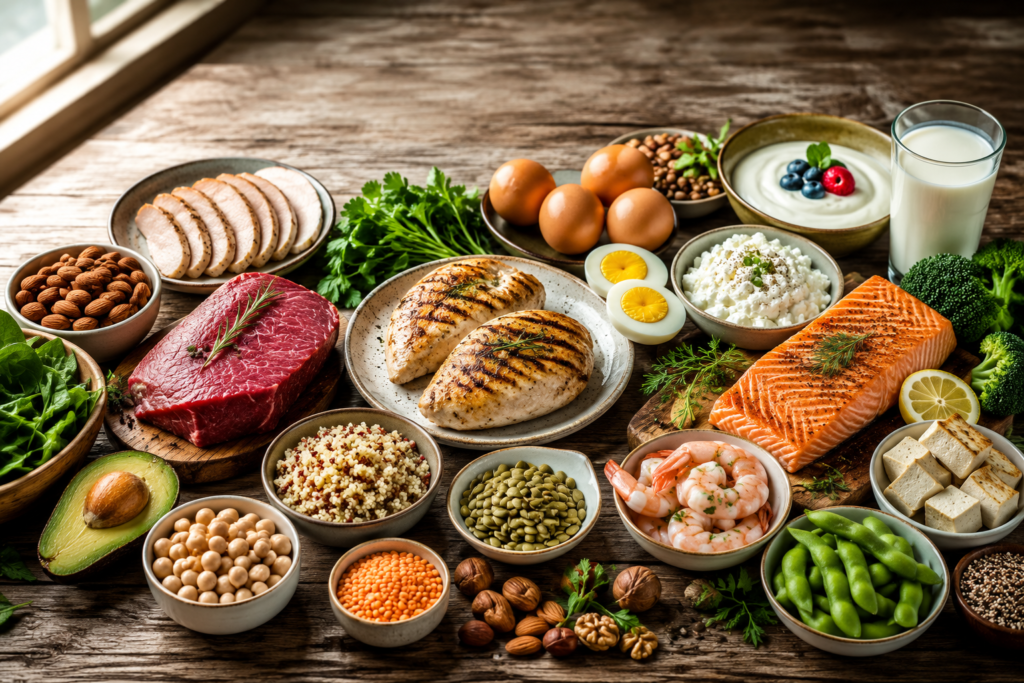
High-Protein Foods
High-protein foods have become one of the most talked-about nutrition topics—and for good reason. Whether you’re trying to build lean muscle, lose weight, stay energized throughout the day, or age gracefully, adding more high-quality protein to your meals can make a remarkable difference.
Protein is much more than a nutrient for athletes. Every cell in your body depends on it to function properly. From repairing muscles and supporting your immune system to producing hormones and enzymes, protein is essential at every stage of life. Recent nutrition research also shows that eating enough protein can help preserve muscle mass as you age, improve metabolism, reduce cravings, and support overall wellness.
The best part? You don’t need expensive supplements or a restrictive diet to enjoy the benefits. Nature provides an abundance of protein-rich foods that are both delicious and incredibly nutritious.
In this guide, you’ll discover 17 powerful secrets about high-protein foods, learn how they support healthy aging, and find practical ways to include them in your everyday meals.
Why Protein Matters More Than Ever
Protein is one of the three essential macronutrients, alongside carbohydrates and healthy fats. Unlike carbohydrates, which mainly provide energy, protein performs countless structural and metabolic functions throughout the body.
Benefits include:
- Builds and repairs muscle tissue
- Keeps you feeling full longer
- Supports healthy metabolism
- Helps maintain healthy bones
- Strengthens the immune system
- Promotes healthy skin, hair, and nails
- Supports hormone production
- Helps maintain muscle during aging
Experts recommend consuming protein consistently throughout the day instead of eating most of it in one meal.

17 Powerful and Delicious Secrets About High-Protein Foods
1. Eggs Are Nature’s Perfect Protein
Eggs remain one of the most complete and affordable protein sources available.
One large egg contains approximately 6–7 grams of high-quality protein along with vitamins B12, D, selenium, and choline.
Great ways to enjoy them include:
- Boiled eggs
- Vegetable omelets
- Egg muffins
- Scrambled eggs with spinach
2. Greek Yogurt Delivers Double the Protein
Compared to regular yogurt, Greek yogurt contains nearly twice as much protein.
Benefits include:
- Supports gut health
- Rich in probiotics
- Excellent breakfast option
- Helps reduce hunger
Top it with berries, almonds, and chia seeds for an even healthier meal.
3. Chicken Breast Remains a Lean Protein Champion
Chicken breast is popular because it offers high protein with relatively little fat.
It’s perfect for:
- Meal prep
- Weight management
- Muscle recovery
- Healthy lunches
4. Fish Supports Both Muscle and Brain Health
Fatty fish like salmon, sardines, tuna, and mackerel provide:
- High-quality protein
- Omega-3 fatty acids
- Vitamin D
- Heart-protective nutrients
Aim to eat fish two or three times each week.
5. Lean Beef Provides Complete Nutrition
Lean cuts of beef contain:
- Protein
- Iron
- Zinc
- Vitamin B12
These nutrients support energy production and healthy red blood cells.
6. Cottage Cheese Is a Protein Powerhouse
Cottage cheese is rich in casein protein, which digests slowly and helps keep you satisfied for hours.
It’s especially useful as:
- Evening snack
- Breakfast topping
- Smoothie ingredient
7. Beans Offer Plant-Based Protein
Beans are among the healthiest protein-rich foods available.
Excellent choices include:
- Black beans
- Kidney beans
- Pinto beans
- Navy beans
They’re also loaded with fiber that supports digestive health.
8. Lentils Are Tiny Nutritional Giants
Lentils provide protein, iron, potassium, and fiber.
Add them to:
- Soups
- Curries
- Salads
- Rice bowls
9. Chickpeas Are Surprisingly Versatile
Chickpeas make healthy eating simple.
Use them for:
- Hummus
- Salads
- Roasted snacks
- Grain bowls
10. Tofu Is an Excellent Meat Alternative
Tofu absorbs flavors easily and provides complete plant protein.
It’s ideal for:
- Stir-fries
- Soups
- Grilled dishes
- Vegan recipes
11. Quinoa Is a Complete Grain Protein
Unlike many grains, quinoa contains all nine essential amino acids.
It also provides:
- Magnesium
- Fiber
- Iron
- Antioxidants
12. Nuts Combine Protein with Healthy Fats
Almonds, pistachios, peanuts, and walnuts make satisfying snacks.
Benefits include:
- Improved heart health
- Better satiety
- Brain support
Keep portions moderate due to their calorie density.
13. Seeds Add Protein to Any Meal
Pumpkin seeds, chia seeds, hemp seeds, and sunflower seeds are nutritional superstars.
Sprinkle them on:
- Oatmeal
- Yogurt
- Smoothies
- Salads
14. Turkey Supports Lean Muscle Growth
Turkey is naturally lean while supplying plenty of protein and important B vitamins.
It’s an excellent option for sandwiches, salads, wraps, and meal prep.
15. Protein-Rich Seafood Offers More Than Protein
Shrimp, crab, scallops, and oysters provide:
- Lean protein
- Zinc
- Selenium
- Iodine
These nutrients help support metabolism and immune function.
16. Milk and Cheese Build Strong Bones
Dairy products provide:
- Protein
- Calcium
- Vitamin D
- Phosphorus
Choose lower-fat options when appropriate for your dietary goals.
17. Combining Different Protein Sources Maximizes Nutrition
One of the biggest nutrition secrets is variety.
Mixing animal and plant proteins gives your body access to a wider range of amino acids, vitamins, minerals, and antioxidants.
For example:
- Grilled chicken with quinoa
- Greek yogurt with nuts
- Salmon with lentils
- Tofu with vegetables
- Eggs with avocado toast
How High-Protein Foods Help You Lose Weight
One reason high-protein foods remain so popular is their ability to naturally support healthy weight management.
Protein helps by:
Reducing Hunger
Protein increases fullness hormones while reducing hunger hormones.
Preserving Lean Muscle
During weight loss, adequate protein helps prevent muscle loss.
Increasing Calories Burned
Digesting protein requires more energy than digesting carbohydrates or fats.
Reducing Late-Night Snacking
Protein-rich meals often reduce unnecessary cravings.
High-Protein Foods for Healthy Aging
Maintaining muscle becomes increasingly important with age.
A diet rich in healthy protein foods can help:
- Preserve mobility
- Improve balance
- Support bone strength
- Reduce frailty
- Maintain independence
- Support cognitive function
Older adults may benefit from spreading protein intake evenly across breakfast, lunch, and dinner.
Practical Tips for Eating More Protein Every Day
Start Breakfast with Protein
Instead of sugary cereal alone, choose:
- Eggs
- Greek yogurt
- Cottage cheese
- Protein oatmeal
Include Protein in Every Meal
Aim to build meals around a protein source before adding vegetables and whole grains.
Keep Healthy Snacks Nearby
Try:
- Mixed nuts
- Cheese sticks
- Boiled eggs
- Roasted chickpeas
Prepare Meals in Advance
Cooking proteins ahead of time makes healthy eating much easier during busy weeks.
Choose Whole Foods First
Whole-food protein sources usually provide additional vitamins, minerals, and fiber compared to highly processed options.
Common Mistakes to Avoid
Avoid these frequent protein pitfalls:
- Eating too little protein at breakfast
- Depending entirely on protein shakes
- Ignoring plant-based protein sources
- Forgetting to stay hydrated
- Choosing heavily processed meats too often
- Skipping vegetables while increasing protein

Why High-Protein Foods Are Essential for Energy, Muscle Growth, and Healthy Aging
High-protein foods are among the most important components of a healthy, balanced diet. While many people associate protein with athletes and bodybuilders, the truth is that everyone—from growing children and busy professionals to older adults—needs adequate protein to stay healthy. Protein is a vital macronutrient that supports nearly every function in the body, making it essential for maintaining energy, repairing tissues, building muscle, and promoting long-term health.
Every cell in your body contains protein. It is used to build muscles, bones, skin, hair, enzymes, hormones, and antibodies that help fight infections. Unlike carbohydrates and fats, the body doesn’t store large amounts of protein, so it’s important to consume healthy protein foods consistently throughout the day.
Protein Provides Long-Lasting Energy
One of the greatest benefits of eating high-protein foods is their ability to provide steady, sustained energy. Protein takes longer to digest than simple carbohydrates, helping stabilize blood sugar levels and reducing energy crashes that often occur after consuming sugary snacks or refined foods.
Starting your day with protein-rich foods such as eggs, Greek yogurt, cottage cheese, or a protein smoothie can help improve focus, increase productivity, and keep you feeling satisfied until your next meal. This makes protein an excellent choice for students, professionals, and anyone with an active lifestyle.
High-Protein Foods Help Build and Preserve Lean Muscle
Muscle tissue is constantly being broken down and rebuilt. Consuming enough protein provides the amino acids your body needs to repair damaged muscle fibers and create new muscle tissue. This process becomes especially important after exercise, strength training, or any physically demanding activity.
Some of the best protein foods for muscle growth include:
- Chicken breast
- Turkey
- Eggs
- Salmon
- Lean beef
- Greek yogurt
- Cottage cheese
- Lentils
- Tofu
- Quinoa
Pairing these high-protein foods for muscle growth with regular resistance training can improve strength, enhance recovery, and support a leaner body composition over time.
Protein Supports Healthy Aging
As people age, they naturally lose muscle mass in a process known as sarcopenia. This gradual decline can reduce mobility, balance, and overall quality of life. Fortunately, eating enough protein-rich foods for healthy aging can help slow this process.
A diet rich in high-quality protein helps:
- Maintain muscle strength
- Improve balance and stability
- Support bone health
- Reduce the risk of falls
- Promote faster recovery after illness or injury
- Preserve independence later in life
Older adults are often encouraged to include protein at every meal instead of consuming most of it at dinner. Even simple additions like milk, yogurt, beans, fish, or nuts can make a meaningful difference over time.
High-Protein Foods Can Support Healthy Weight Management
If your goal is to lose weight or maintain a healthy body composition, protein is one of your greatest allies. Protein increases feelings of fullness, helping you naturally consume fewer calories throughout the day.
Research shows that high-protein foods may:
- Reduce cravings
- Control appetite
- Increase satiety
- Help preserve lean muscle during weight loss
- Support a healthy metabolism
Instead of reaching for highly processed snacks, choosing healthy high-protein foods for daily nutrition and fitness—such as boiled eggs, roasted chickpeas, almonds, or Greek yogurt—can help you stay satisfied between meals.
Protein Strengthens the Immune System
Your immune system depends on protein to produce antibodies and immune cells that help protect the body against bacteria, viruses, and other harmful pathogens. Without adequate protein intake, the body’s ability to fight infections and recover from illness may be compromised.
Including a variety of protein-rich foods such as fish, poultry, dairy products, legumes, seeds, and nuts helps ensure your body receives not only protein but also essential vitamins and minerals like zinc, iron, and selenium that further support immune health.
Protein Benefits Your Bones, Skin, Hair, and Hormones
Protein does much more than build muscles. It also plays an essential role in maintaining healthy skin, strong hair, resilient nails, and healthy bones. Collagen, one of the body’s most abundant proteins, provides structure to the skin and connective tissues, while keratin helps strengthen hair and nails.
In addition, many hormones and enzymes that regulate metabolism, digestion, growth, and overall body function are made from protein. Without adequate dietary protein, these important processes cannot function efficiently.
How Much Protein Do You Really Need?
Protein requirements vary depending on age, activity level, body size, and health goals. People who exercise regularly, older adults, and those recovering from illness or injury often require more protein than sedentary individuals.
Rather than consuming most of your protein in one large meal, experts recommend spreading your intake throughout the day. Aim to include a source of protein with breakfast, lunch, dinner, and healthy snacks to maximize muscle protein synthesis and support overall health.
Best Ways to Add More High-Protein Foods to Your Diet
Increasing your protein intake doesn’t have to be difficult. Here are a few simple strategies:
- Start your morning with eggs or Greek yogurt.
- Add beans or lentils to soups, salads, and stews.
- Snack on mixed nuts, cheese, or roasted chickpeas.
- Replace refined grains with quinoa when possible.
- Include lean fish or chicken in your weekly meal plan.
- Blend protein-rich ingredients like milk, yogurt, and nut butter into smoothies.
Small, consistent changes can make a significant impact on your energy levels, fitness goals, and long-term health.
Learn More from Trusted Nutrition Resources
For additional evidence-based guidance on building a balanced, protein-rich diet, explore these trusted resources:
- Harvard T.H. Chan School of Public Health – The Nutrition Source: https://www.hsph.harvard.edu/nutritionsource/
- U.S. Department of Agriculture (USDA) MyPlate: https://www.myplate.gov/
These organizations provide science-based nutrition recommendations, healthy eating guides, and practical meal-planning tips that complement the information in this article.
17 Best High-Protein Foods to Add to Your Daily Diet
If you’re looking to improve your overall health, increase your energy levels, build lean muscle, or maintain a healthy weight, incorporating high-protein foods into your daily meals is one of the smartest nutritional choices you can make. Protein is a vital nutrient that supports muscle repair, hormone production, immune function, and healthy aging. Fortunately, there are plenty of delicious protein-rich foods to choose from—whether you prefer animal-based or plant-based options.
Below are 17 of the best high-protein foods that can help you meet your daily protein needs while providing essential vitamins, minerals, and other nutrients your body needs to thrive.
1. Eggs – The Gold Standard of Protein
Eggs are one of the most complete and affordable sources of protein. They contain all nine essential amino acids, making them a complete protein that your body can easily absorb and use.
Protein per serving: About 6–7 grams per large egg
Health Benefits:
- Supports muscle growth and repair
- Rich in choline for brain health
- Contains vitamins D, B12, and selenium
- Promotes fullness and reduces hunger
How to Enjoy:
- Boiled eggs
- Vegetable omelets
- Egg muffins
- Scrambled eggs on whole-grain toast
2. Chicken Breast – A Lean Muscle Builder
Chicken breast is one of the most popular high-protein foods for muscle growth because it is packed with protein while remaining low in fat.
Protein per 100g: Approximately 31 grams
Health Benefits:
- Helps build and preserve lean muscle
- Supports weight management
- Rich in niacin and vitamin B6 for energy production
- Easy to prepare for meal prep
Best Ways to Eat It:
- Grilled chicken salads
- Chicken stir-fries
- Healthy wraps
- Baked chicken with vegetables
3. Greek Yogurt – Protein and Probiotics in One
Greek yogurt contains significantly more protein than regular yogurt while providing probiotics that support gut health.
Protein per cup: Around 20 grams
Health Benefits:
- Improves digestion
- Supports healthy bones with calcium
- Keeps you feeling full longer
- Excellent post-workout snack
Serving Ideas:
- Top with berries and almonds
- Blend into smoothies
- Use as a healthy dip
- Mix with oats for breakfast
4. Salmon – Protein with Heart-Healthy Omega-3s
Salmon is one of the healthiest protein-rich foods for healthy aging because it combines high-quality protein with beneficial omega-3 fatty acids.
Protein per 100g: About 25 grams
Health Benefits:
- Supports heart health
- Promotes brain function
- Reduces inflammation
- Helps preserve muscle mass
Healthy Meal Ideas:
- Grilled salmon with vegetables
- Salmon rice bowls
- Baked salmon with herbs
- Salmon salads
5. Lean Beef – Rich in Protein and Iron
Lean cuts of beef provide high-quality protein along with important nutrients like iron, zinc, and vitamin B12.
Protein per 100g: Around 26 grams
Health Benefits:
- Supports healthy red blood cells
- Boosts energy levels
- Promotes muscle recovery
- Strengthens the immune system
Choose lean cuts such as sirloin or tenderloin to reduce saturated fat intake.
6. Cottage Cheese – A Slow-Digesting Protein Source
Cottage cheese contains casein protein, which digests slowly and supplies amino acids over several hours.
Protein per cup: About 28 grams
Benefits:
- Ideal before bedtime
- Supports muscle recovery overnight
- Rich in calcium
- Low in carbohydrates
7. Turkey Breast – Lean and Nutrient-Dense
Turkey breast is another excellent option among healthy protein foods, providing plenty of protein with relatively little fat.
Protein per 100g: Approximately 29 grams
Health Benefits:
- Supports lean muscle growth
- Rich in B vitamins
- Helps maintain energy production
- Suitable for weight-loss meal plans
8. Tuna – Convenient and Protein-Packed
Whether fresh or canned, tuna is a convenient source of lean protein.
Protein per 100g: Around 29 grams
Benefits:
- Low in calories
- Rich in selenium
- Supports heart health
- Excellent for quick meals
9. Lentils – A Plant-Based Protein Superstar
Lentils are among the most nutritious plant-based protein-rich foods available.
Protein per cooked cup: Around 18 grams
Health Benefits:
- High in dietary fiber
- Supports digestive health
- Helps stabilize blood sugar
- Rich in iron and folate
Great for soups, curries, grain bowls, and salads.
10. Chickpeas – Delicious and Filling
Chickpeas offer an impressive combination of protein, fiber, and complex carbohydrates.
Protein per cooked cup: Around 15 grams
Benefits:
- Keeps you full longer
- Supports gut health
- Helps maintain healthy cholesterol levels
- Great for vegetarian diets
Use chickpeas in hummus, salads, soups, or roast them for a crunchy snack.
11. Tofu – A Complete Plant Protein
Made from soybeans, tofu is one of the few plant foods that contains all essential amino acids.
Protein per 100g: About 17 grams
Health Benefits:
- Supports muscle maintenance
- Low in saturated fat
- Rich in calcium (when calcium-set)
- Suitable for vegan and vegetarian diets
12. Quinoa – More Than Just a Grain
Quinoa is technically a seed, but it is commonly enjoyed like a whole grain. It is one of the few grains that provides complete protein.
Protein per cooked cup: About 8 grams
Additional Nutrients:
- Magnesium
- Iron
- Potassium
- Fiber
Perfect for salads, side dishes, and meal prep bowls.
13. Almonds – Protein-Packed Healthy Snacks
Almonds are rich in protein, healthy fats, vitamin E, and antioxidants.
Protein per 28g (1 ounce): Around 6 grams
Benefits:
- Supports heart health
- Promotes satiety
- Helps maintain healthy cholesterol levels
- Convenient for on-the-go snacking
14. Pumpkin Seeds – Tiny but Mighty
Pumpkin seeds are packed with protein, magnesium, zinc, and healthy fats.
Protein per 28g: Around 8 grams
Health Benefits:
- Supports immune function
- Promotes healthy sleep
- Helps maintain strong bones
- Excellent plant-based snack
15. Milk – A Complete Source of Nutrition
Milk naturally contains both whey and casein protein, making it excellent for muscle recovery.
Protein per cup: Approximately 8 grams
Choose low-fat or skim milk if you’re watching calorie intake while still enjoying its nutritional benefits.
16. Shrimp – Lean Seafood Rich in Protein
Shrimp is surprisingly high in protein while remaining low in calories.
Protein per 100g: Around 24 grams
Benefits:
- Supports muscle repair
- Rich in selenium and iodine
- Low in fat
- Quick to prepare
17. Edamame – A Protein-Packed Plant-Based Favorite
Edamame (young soybeans) is becoming increasingly popular among people looking for healthy high-protein foods for daily nutrition and fitness.
Protein per cooked cup: Approximately 18 grams
Health Benefits:
- Supports heart health
- High in fiber
- Rich in antioxidants
- Excellent meat alternative
Steam and lightly season edamame for a simple, nutritious snack or add it to salads, rice bowls, and stir-fries.
Choosing the Right High-Protein Foods for Your Lifestyle
The best diet includes a variety of high-protein foods rather than relying on just one source. Combining lean meats, seafood, dairy, legumes, nuts, seeds, and whole grains ensures you receive a broad spectrum of nutrients that support energy, muscle growth, heart health, and healthy aging.
Aim to include a quality protein source at every meal, pair it with colorful vegetables, healthy fats, and whole grains, and stay hydrated throughout the day. This balanced approach not only helps you meet your protein needs but also promotes long-term wellness and sustainable healthy eating habits.

Frequently Asked Questions
How much protein should I eat daily?
Protein needs vary depending on age, activity level, health status, and goals. Many healthy adults benefit from consuming protein consistently throughout the day. If you have kidney disease or another medical condition, consult a healthcare professional for personalized guidance.
Are high-protein foods safe?
For most healthy people, obtaining protein from a balanced diet that includes a variety of whole foods is considered safe and beneficial.
Which protein source is best?
There is no single “best” choice. Eggs, fish, lean poultry, dairy, legumes, tofu, quinoa, nuts, and seeds all offer unique nutritional benefits.
Final Thoughts
Adding more high-protein foods to your diet doesn’t require a complicated meal plan or expensive ingredients. Small, consistent changes—such as starting your day with eggs or Greek yogurt, including lean protein at every meal, and enjoying more beans, lentils, fish, and nuts—can significantly improve your overall health.
The benefits extend far beyond building muscle. A protein-rich diet supports sustained energy, healthy weight management, stronger bones, better immune function, and healthy aging. By choosing a variety of wholesome protein-rich foods, you can nourish your body while enjoying satisfying, flavorful meals every day.
Remember, healthy eating isn’t about perfection. It’s about making smart, sustainable choices that fit your lifestyle. Every protein-rich meal is another step toward better health, greater vitality, and a stronger future.
Call to Action
Which high-protein foods are your favorites? Share your go-to protein-packed meals or recipes in the comments below. If you found this guide helpful, share it with friends and family who are looking to eat healthier, build lean muscle, or support healthy aging naturally. For more evidence-based nutrition tips, healthy recipes, and wellness guides, subscribe to our newsletter and stay inspired on your journey to better health.
About The Author