Farm Livestock Feeding
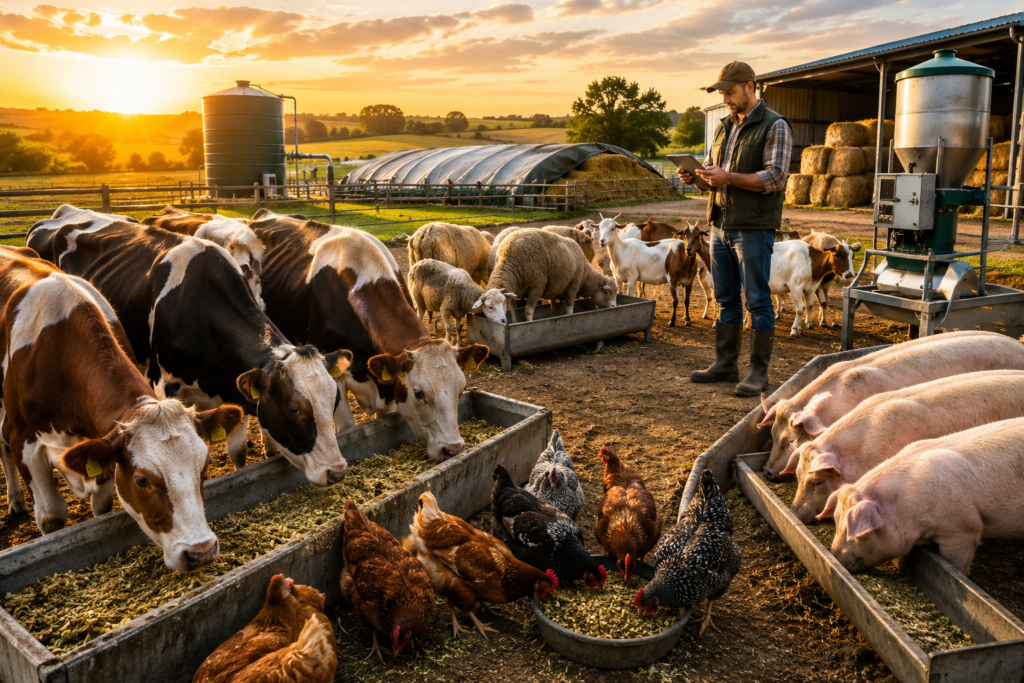
Farm Livestock Feeding is one of the most important factors that determine whether a livestock farm thrives or struggles. Regardless of whether you raise cattle, goats, sheep, pigs, poultry, or rabbits, the quality of nutrition you provide directly affects animal health, growth rate, reproduction, disease resistance, and ultimately your profitability.
In 2026, livestock farming is becoming more data-driven and sustainable than ever before. Farmers are embracing smarter feeding systems, precision nutrition, and improved feed management to reduce costs while producing healthier animals. Rising feed prices have also encouraged producers to maximize every kilogram of feed by improving feed conversion efficiency rather than simply increasing feed quantity.
The good news is that successful Farm Livestock Feeding doesn’t always require expensive equipment or complicated technology. Many of the most effective feeding practices involve better planning, understanding animal nutritional needs, and consistently applying proven management techniques.
This guide explores 14 powerful and proven strategies that can help you improve livestock health, accelerate growth, reduce feed waste, and maximize farm profits.

Why Farm Livestock Feeding Matters
Proper nutrition influences almost every aspect of livestock production.
Well-fed animals typically:
- Grow faster
- Produce higher-quality meat, milk, and eggs
- Experience fewer diseases
- Require fewer veterinary treatments
- Reach market weight earlier
- Produce healthier offspring
- Deliver higher profits for farmers
Poor feeding practices, on the other hand, often lead to slow growth, reproductive problems, weak immune systems, and significant financial losses.
1. Understand the Nutritional Needs of Each Animal
Every Species Has Different Requirements
One of the biggest mistakes farmers make is feeding every animal the same ration.
Different livestock require different nutrients depending on:
- Species
- Breed
- Age
- Weight
- Production stage
- Health condition
For example:
- Dairy cows require more energy and protein than dry cows.
- Growing pigs require higher protein levels than mature breeding pigs.
- Laying hens require increased calcium for strong eggshell production.
Understanding these differences allows farmers to design feeding programs that improve productivity while avoiding unnecessary feed costs.
Action Tip
Create separate feeding plans for young, growing, pregnant, lactating, and finishing animals.
2. Provide a Balanced Diet Every Day
Balance Is More Important Than Quantity
Healthy livestock require more than just filling their stomachs.
A balanced diet should contain:
- Protein
- Carbohydrates
- Healthy fats
- Vitamins
- Minerals
- Fiber
- Clean water
Protein builds muscles.
Energy supports growth.
Minerals strengthen bones.
Vitamins improve immunity.
Fiber supports digestion.
Balanced nutrition helps animals convert feed into body weight more efficiently.
3. Always Supply Clean and Fresh Water
Water Is Often the Most Overlooked Nutrient
Animals can survive longer without food than without water.
Water supports:
- Digestion
- Body temperature regulation
- Milk production
- Nutrient absorption
- Waste removal
Dirty drinking water often spreads disease and reduces feed intake.
Best Practice
- Clean water troughs daily.
- Ensure constant access to fresh water.
- Test water quality regularly.
4. Feed According to Growth Stage
One Feeding Plan Does Not Fit All
Young animals require nutrient-dense diets to support rapid development.
Adult animals often require maintenance diets.
Pregnant animals need additional nutrients for fetal growth.
Lactating animals require extra energy to support milk production.
Matching feed to production stage prevents nutrient deficiencies while reducing unnecessary feed expenses.
5. Improve Feed Quality Instead of Feeding More
More feed does not always produce better results.
Poor-quality feed contains:
- Mold
- Dust
- Low protein
- Low digestibility
High-quality feed allows animals to extract more nutrients from every bite.
Look for:
- Fresh forage
- Quality grains
- Properly stored hay
- Nutrient-rich concentrates
6. Reduce Feed Waste
Small Losses Add Up Quickly
Feed waste directly reduces farm profits.
Common causes include:
- Broken feeders
- Overfeeding
- Spoiled feed
- Rodent damage
- Poor storage
Practical Tips
- Use well-designed feeders.
- Store feed in dry, rodent-proof facilities.
- Feed only recommended quantities.
- Remove spoiled feed immediately.
Even reducing waste by 10% can significantly improve annual profits.
7. Incorporate High-Quality Forage
For grazing animals like cattle, goats, and sheep, forage remains the foundation of good nutrition.
Examples include:
- Napier grass
- Alfalfa
- Clover
- Rhodes grass
- Silage
- Hay
Good forage supports rumen health while reducing concentrate feed costs.
8. Use Feed Supplements Wisely
Supplements should complement—not replace—a balanced diet.
Useful supplements include:
- Mineral blocks
- Salt licks
- Calcium
- Phosphorus
- Vitamins A, D, and E
- Probiotics
Avoid excessive supplementation because overfeeding certain minerals may negatively affect animal health.
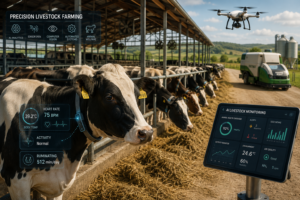
9. Practice Precision Feeding
Feed Animals According to Their Actual Needs
Precision feeding is becoming increasingly popular in modern livestock farming.
Instead of estimating feed amounts, farmers calculate nutritional requirements based on:
- Weight
- Growth rate
- Production level
- Feed analysis
This approach reduces waste while maximizing feed efficiency.
Many commercial farms now use digital weighing systems and feed monitoring software to optimize feeding schedules.
10. Feed Livestock at Consistent Times
Animals thrive on routine.
Regular feeding schedules:
- Improve digestion
- Reduce stress
- Increase feed intake
- Improve productivity
Changing feeding times frequently may reduce appetite and lower performance.
11. Monitor Body Condition Regularly
Let Your Animals Tell You How Well They’re Eating
Healthy animals should neither be too thin nor excessively overweight.
Monitor:
- Weight gain
- Coat quality
- Energy level
- Appetite
- Muscle development
Adjust feed rations whenever body condition changes.
Routine observation helps identify nutritional problems before they become serious.
12. Maintain Excellent Feed Storage Practices
Improper storage destroys valuable nutrients.
Protect feed from:
- Moisture
- Heat
- Mold
- Insects
- Rodents
Store feed on pallets in cool, dry, and well-ventilated buildings.
Always rotate stock using the “first in, first out” principle.
13. Use Sustainable Feeding Practices
Reduce Costs While Protecting the Environment
Sustainability is becoming a major priority in livestock farming.
Examples include:
- Rotational grazing
- Using locally available feed ingredients
- Recycling crop residues
- Producing silage
- Growing fodder crops
- Reducing feed waste
Sustainable feeding improves long-term profitability while minimizing environmental impact.
14. Keep Accurate Feeding Records
Successful livestock farmers rely on data—not guesswork.
Track:
- Daily feed intake
- Feed costs
- Growth rate
- Weight gain
- Mortality
- Veterinary treatments
- Feed conversion ratio
Good records help identify which feeding strategies generate the highest return on investment.
Common Farm Livestock Feeding Mistakes to Avoid
Even experienced farmers can make costly feeding errors.
Avoid these common mistakes:
- Feeding moldy or contaminated feed
- Ignoring water quality
- Overfeeding concentrates
- Underfeeding young animals
- Failing to adjust diets during pregnancy or lactation
- Using poor-quality forage
- Changing diets too suddenly
- Neglecting mineral supplementation
- Allowing excessive feed waste
- Not monitoring animal body condition
Correcting these mistakes can dramatically improve productivity.
Benefits of Following Proper Farm Livestock Feeding Practices
Implementing the right feeding strategies offers numerous advantages:
- Faster animal growth
- Stronger immune systems
- Lower disease incidence
- Better reproductive performance
- Improved feed conversion efficiency
- Reduced feed costs
- Higher-quality meat, milk, and eggs
- Increased farm profitability
- Greater sustainability
- Improved animal welfare
Understanding Farm Livestock Feeding: Why Proper Nutrition Is the Foundation of Healthy and Profitable Animals
Farm Livestock Feeding is far more than simply providing animals with enough food each day. It is the science and practice of supplying livestock with the right balance of nutrients to support healthy growth, efficient production, strong immunity, and long-term profitability. Whether you raise cattle, sheep, goats, pigs, poultry, or rabbits, the success of your farm depends heavily on the quality of your livestock feeding program.
Nutrition is one of the largest operating expenses on most livestock farms, often accounting for 50–70% of total production costs. Because of this, every feeding decision has a direct impact on animal performance and your bottom line. When animals receive balanced diets that meet their nutritional requirements, they grow faster, convert feed more efficiently, produce higher-quality meat, milk, or eggs, and experience fewer health problems.
Why Proper Livestock Nutrition Matters
A well-designed feeding program benefits both the animals and the farmer. Proper nutrition helps to:
- Promote faster and healthier growth.
- Strengthen the immune system and reduce disease outbreaks.
- Improve reproductive performance and fertility.
- Increase milk, meat, and egg production.
- Enhance feed conversion efficiency, meaning animals gain more weight from the same amount of feed.
- Lower veterinary expenses by preventing nutrition-related illnesses.
- Improve overall farm profitability through better production efficiency.
Animals that are consistently underfed or fed poorly balanced diets often suffer from slow growth, weak immunity, poor fertility, and reduced production. These problems not only affect animal welfare but also increase production costs and reduce farm income.
The Essential Nutrients Every Farm Animal Needs
Every livestock species requires a balanced combination of essential nutrients, although the exact amounts vary depending on age, breed, body weight, and production stage.
Carbohydrates
Carbohydrates provide the primary source of energy needed for movement, growth, reproduction, and daily body functions. Common energy sources include maize, sorghum, barley, wheat, and other cereal grains.
Protein
Protein supports muscle development, tissue repair, enzyme production, and immune function. High-quality protein sources include soybean meal, fish meal, legumes, sunflower meal, and canola meal.
Vitamins and Minerals
Vitamins and minerals are essential for healthy bones, proper metabolism, reproduction, and disease resistance. Calcium, phosphorus, magnesium, zinc, and vitamins A, D, and E are among the nutrients most commonly supplemented in livestock diets.
Fiber
Fiber is especially important for ruminants such as cattle, sheep, and goats. Good-quality forage, hay, pasture grasses, and silage help maintain a healthy digestive system and improve nutrient utilization.
Clean Water
Water is often described as the most important nutrient because every biological process depends on it. Livestock require unrestricted access to clean, fresh water for digestion, temperature regulation, nutrient transport, and overall health. Even short periods without adequate water can reduce feed intake and productivity.
Modern Farm Livestock Feeding in 2026
Today’s livestock farmers are increasingly adopting smarter feeding strategies to improve efficiency and sustainability. Precision feeding, feed analysis, automated feeding systems, and careful ration formulation allow producers to provide animals with exactly the nutrients they need while minimizing waste. These practices help lower feed costs, improve animal welfare, and reduce environmental impacts.
International organizations such as the Food and Agriculture Organization (FAO) also encourage balanced nutrition and responsible feeding practices as key components of sustainable livestock production.
For more information on animal nutrition and sustainable livestock management, visit the FAO Animal Production resource:
FAO Animal Production and Nutrition
14 Powerful Farm Livestock Feeding Strategies That Improve Animal Growth and Feed Efficiency
Implementing effective Farm Livestock Feeding strategies is one of the fastest ways to improve animal health, accelerate growth, and increase farm profitability. As feed costs continue to represent the largest expense for many livestock operations, farmers must focus on feeding practices that maximize every kilogram of feed while minimizing waste.
Modern livestock production is no longer about feeding more—it is about feeding smarter. By understanding the nutritional needs of your animals and adopting proven feeding techniques, you can improve feed conversion, reduce disease risk, and achieve more sustainable production.
1. Match Feed to the Animal’s Nutritional Needs
Every livestock species—and even different groups within the same species—has unique nutritional requirements. Young animals, pregnant females, lactating animals, and breeding stock all require different levels of energy, protein, vitamins, and minerals.
For example:
- Growing calves need high-quality protein to build muscle.
- Laying hens require additional calcium for strong eggshells.
- Lactating dairy cows need more energy to support milk production.
Adjusting rations according to age, weight, and production stage improves performance while avoiding unnecessary feed costs.
2. Feed High-Quality Ingredients
The nutritional value of feed directly affects livestock performance. High-quality forage, grains, legumes, and concentrates contain more digestible nutrients than poor-quality or moldy feed.
Choose feed that is:
- Fresh and free from mold
- Properly stored
- Rich in essential nutrients
- Appropriate for the species being raised
Better-quality feed often results in faster growth and improved feed efficiency.
3. Establish Consistent Feeding Schedules
Livestock perform best when fed at the same time each day. Consistent schedules reduce stress, improve digestion, and encourage regular feed intake.
Routine feeding also helps farmers monitor animal appetite, making it easier to identify health issues early.
4. Ensure Unlimited Access to Clean Water
Water is essential for digestion, nutrient absorption, body temperature regulation, and metabolic processes. Animals with inadequate access to clean water typically eat less, grow more slowly, and produce less milk or eggs.
Inspect water sources daily and clean drinkers regularly to maintain water quality.
5. Minimize Feed Waste
Reducing feed waste can significantly improve profitability.
Common ways to reduce waste include:
- Using well-designed feeders
- Protecting feed from rain and moisture
- Preventing rodent infestations
- Feeding appropriate quantities
- Removing spoiled feed promptly
Even small reductions in feed loss can lead to substantial annual savings.
6. Include Quality Forage in Ruminant Diets
Cattle, goats, and sheep rely heavily on forage for healthy rumen function. High-quality pasture, hay, and silage provide fiber that supports digestion while lowering dependence on expensive concentrate feeds.
Rotational grazing can also improve pasture quality and ensure a steady supply of nutritious forage.
7. Supplement When Necessary
While balanced rations provide most nutrients, some livestock may benefit from additional minerals, vitamins, or probiotics depending on local soil conditions, forage quality, and production goals.
Mineral blocks and salt licks are simple ways to help prevent nutritional deficiencies.
8. Monitor Feed Conversion Efficiency
Feed conversion efficiency measures how effectively animals turn feed into body weight or production.
Farmers should regularly monitor:
- Weight gain
- Daily feed intake
- Growth rate
- Production performance
Tracking these indicators helps identify opportunities to improve feeding programs and reduce costs.
9. Introduce Feed Changes Gradually
Sudden changes in diet can upset digestion and reduce feed intake, particularly in ruminants. Introduce new feeds slowly over several days, allowing the digestive system to adapt while minimizing stress.
10. Maintain Proper Feed Storage
Store feed in clean, dry, and well-ventilated areas to protect it from moisture, mold, insects, and rodents. Proper storage preserves nutrient quality and prevents unnecessary losses.
11. Use Precision Feeding Techniques
Precision feeding involves providing animals with exactly the nutrients they require—no more and no less. This approach improves feed efficiency, lowers waste, and supports sustainable livestock production.
Many modern farms use digital scales, feed analysis, and automated feeding systems to optimize daily rations.
12. Observe Animals Every Day
Healthy livestock are active, alert, and eager to eat. Daily observation allows farmers to identify animals that are eating less, losing weight, or showing signs of illness before problems become severe.
13. Keep Accurate Feeding Records
Recording feed purchases, daily consumption, weight gain, and production performance helps farmers evaluate which feeding strategies deliver the best return on investment.
Good records also support better budgeting and long-term planning.
14. Adopt Sustainable Feeding Practices
Sustainable Livestock Feeding Practices improve profitability while protecting natural resources. Growing your own forage, utilizing crop residues, reducing feed waste, and improving grazing management all contribute to lower production costs and reduced environmental impact.
As livestock production evolves, sustainable nutrition will remain a key driver of efficient and profitable farming.
For more guidance on livestock nutrition and sustainable feeding systems, explore the resources provided by the Food and Agriculture Organization (FAO):
https://www.fao.org/animal-production/en/
These evidence-based recommendations can help farmers improve animal performance, strengthen food security, and build more resilient livestock enterprises for the future.
Common Farm Livestock Feeding Mistakes That Reduce Animal Performance and Farm Profit
Even the most experienced farmers can make Farm Livestock Feeding mistakes that negatively affect animal health, slow growth, and reduce overall profitability. In many cases, poor Farm Livestock Feeding practices do not produce immediate problems. Instead, the effects gradually appear as reduced weight gain, lower milk production, poor egg quality, weak immunity, reproductive challenges, and higher veterinary expenses.
The good news is that most of these mistakes are preventable. By understanding the common errors in Farm Livestock Feeding, farmers can improve Livestock Nutrition, enhance Animal Feed Management, and build a more productive and profitable farming operation.
1. Feeding an Unbalanced Diet
One of the biggest mistakes in Farm Livestock Feeding is providing animals with feed that lacks essential nutrients. Livestock require a balanced combination of protein, carbohydrates, fats, vitamins, minerals, fiber, and clean water. Feeding too much of one nutrient while neglecting another can result in poor growth, reduced fertility, and weakened immune systems.
For example, protein deficiency often causes slow muscle development, while inadequate minerals may lead to weak bones, poor reproduction, and decreased milk or egg production.
Tip: Work with a livestock nutritionist or use scientifically formulated rations to ensure every animal receives balanced nutrition.
2. Ignoring the Different Nutritional Needs of Animals
Effective Farm Livestock Feeding requires recognizing that not every animal has the same nutritional requirements. Young animals, breeding stock, pregnant females, lactating animals, and mature livestock all require different feeding programs.
Providing the same ration to every animal can lead to nutrient deficiencies in some groups and unnecessary feed costs in others.
Proper Livestock Feeding Practices involve adjusting feed based on:
- Species
- Age
- Body weight
- Production stage
- Health status
- Growth goals
Customized feeding programs improve Livestock Nutrition while maximizing feed efficiency.
3. Feeding Poor-Quality or Contaminated Feed
Poor-quality feed is one of the fastest ways to reduce animal performance. Moldy hay, spoiled silage, contaminated grains, or improperly stored feed may contain toxins that affect digestion, lower feed intake, and increase disease risk.
High-quality Animal Feed Management begins with purchasing nutritious feed and storing it correctly to preserve its nutritional value.
Inspect feed regularly for:
- Mold
- Unpleasant odors
- Excess moisture
- Insect infestation
- Rodent contamination
Healthy feed supports healthy livestock.
4. Inconsistent Feeding Schedules
Animals perform best when they are fed at regular times each day. Frequently changing feeding times can create stress, reduce appetite, and negatively affect digestion.
Consistent Farm Livestock Feeding schedules improve nutrient utilization and help establish healthy feeding habits.
Maintaining routine feeding times also makes it easier to monitor appetite, which is often one of the first indicators of illness.
5. Neglecting Clean Water
Water is the most overlooked component of Farm Livestock Feeding, yet it is one of the most important nutrients. Animals without adequate clean water consume less feed, digest nutrients less efficiently, and experience slower growth.
Dirty water can also spread disease throughout the herd or flock.
Successful Livestock Nutrition programs always include unrestricted access to clean, fresh water throughout the day.
6. Overfeeding or Underfeeding Livestock
Both overfeeding and underfeeding reduce profitability.
Overfeeding increases feed costs unnecessarily and may cause obesity, reproductive problems, or metabolic disorders.
Underfeeding slows growth, weakens immunity, delays market readiness, and lowers production performance.
The goal of Farm Livestock Feeding is not simply to provide more feed but to provide the correct amount of balanced nutrition based on each animal’s needs.
7. Allowing Excessive Feed Waste
Feed is often the largest expense on a livestock farm, making feed waste a direct loss of income.
Common causes include:
- Poor feeder design
- Overfilled feeders
- Feed exposed to rain
- Rodent damage
- Birds contaminating feed
- Improper storage
Improving Animal Feed Management by reducing waste can significantly lower production costs while improving overall profitability.
8. Changing Diets Too Quickly
Sudden feed changes can disrupt digestion, particularly in cattle, sheep, and goats that rely on healthy rumen microorganisms.
Whenever introducing new feed ingredients, transition gradually over several days. Gradual changes help maintain digestive health and encourage consistent feed intake.
9. Failing to Monitor Animal Body Condition
One of the simplest ways to evaluate the success of your Farm Livestock Feeding program is through regular body condition assessment.
Healthy animals should have:
- Strong muscle development
- Bright eyes
- Healthy coats or feathers
- Good appetite
- Consistent weight gain
Animals losing condition may require adjustments to their feeding program before production declines further.
10. Poor Record Keeping
Many farmers overlook the importance of keeping detailed feeding records.
Tracking:
- Daily feed intake
- Weight gain
- Feed costs
- Feed conversion ratio
- Animal performance
helps identify which Livestock Feeding Practices produce the best results.
Good records also support better budgeting and more informed management decisions.
How Avoiding These Mistakes Improves Farm Profit
Correcting common Farm Livestock Feeding mistakes delivers benefits that extend beyond healthier animals. Farmers who improve Livestock Nutrition and strengthen Animal Feed Management often experience:
- Faster animal growth
- Better feed conversion efficiency
- Lower veterinary costs
- Improved reproductive performance
- Higher milk, meat, and egg production
- Reduced feed waste
- Increased farm profitability
- More sustainable livestock production
Ultimately, successful Farm Livestock Feeding is built on consistency, careful planning, and continuous improvement. By avoiding these common mistakes and adopting proven Livestock Feeding Practices, farmers can produce healthier animals, improve operational efficiency, and create a more resilient and profitable livestock enterprise well beyond 2026.
Frequently Asked Questions
What is the most important factor in farm livestock feeding?
Providing a balanced diet that meets the nutritional needs of each animal, along with constant access to clean water.
How often should livestock be fed?
It depends on the species and production stage. Most livestock benefit from consistent feeding schedules with one to three meals daily or continuous access to quality forage where appropriate.
How can farmers reduce feed costs?
Improve feed storage, reduce waste, use quality forage, formulate balanced rations, and adopt precision feeding practices.
Why is feed efficiency important?
Better feed efficiency means animals gain more weight or produce more milk or eggs from the same amount of feed, reducing production costs and increasing profits.
Conclusion
Successful Farm Livestock Feeding goes beyond simply providing food—it involves delivering the right nutrients, in the right amounts, at the right time. By understanding your animals’ nutritional needs, minimizing feed waste, providing clean water, using quality forage, and keeping accurate records, you can raise healthier livestock, improve feed efficiency, and build a more profitable farm.
As the livestock industry continues to evolve through 2026 and beyond, farmers who embrace smart, sustainable feeding practices will be better positioned to meet growing demand while controlling costs. Whether you manage a small family farm or a large commercial operation, these 14 proven strategies can help you strengthen animal welfare, boost productivity, and secure long-term success.
Call to Action: Which of these feeding strategies has made the biggest difference on your farm—or which one will you implement first? Share your experiences in the comments, and subscribe for more expert insights on livestock management, animal nutrition, and sustainable farming.
About The Author