Biofortified Crops
Biofortified Crops are transforming the future of global nutrition, offering a sustainable solution to one of humanity’s most persistent health challenges—hidden hunger. While millions of people consume enough calories each day, they still suffer from vitamin and mineral deficiencies that silently affect their health, productivity, and quality of life.
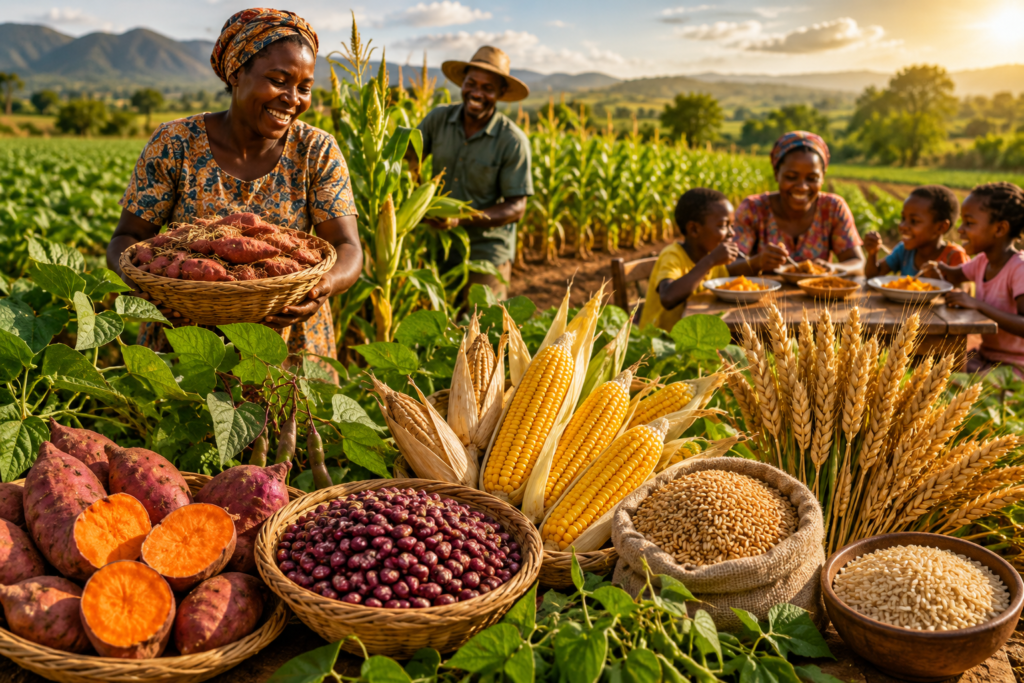
In 2026, scientists, farmers, governments, and international organizations are increasingly embracing biofortified crops to improve nutrition naturally through agriculture rather than relying solely on supplements or food fortification. From vitamin A-rich sweet potatoes to iron-rich beans and zinc-enhanced wheat, these nutrient-packed crops are helping communities access healthier diets using the foods they already grow and eat.
This comprehensive guide explores 15 powerful ways Biofortified Food Crops are fighting hidden hunger, reducing nutrient deficiencies, improving public health, and creating more resilient food systems worldwide.

What Are Biofortified Crops?
Biofortified crops are food crops that have been bred to contain higher levels of essential vitamins and minerals than conventional varieties.
Unlike processed food fortification, which adds nutrients during manufacturing, biofortification increases nutrient levels while the crops are growing.
Scientists achieve biofortification through:
- Conventional plant breeding
- Modern biotechnology
- Agronomic practices such as nutrient-enriched fertilizers
The goal is simple:
Grow healthier food naturally to nourish more people.
Why Hidden Hunger Remains a Global Challenge
Hidden hunger occurs when people consume enough food but lack essential micronutrients such as:
- Iron
- Zinc
- Vitamin A
- Folate
- Selenium
According to global health organizations, billions of people worldwide suffer from one or more micronutrient deficiencies, increasing the risk of:
- Anemia
- Weak immune systems
- Blindness
- Poor cognitive development
- Pregnancy complications
- Stunted growth in children
Biofortified crops provide a practical, affordable, and long-term solution.
15 Powerful Ways Biofortified Crops Are Fighting Hidden Hunger
1. Increasing Vitamin A Intake Naturally
Vitamin A deficiency remains one of the leading causes of preventable childhood blindness.
Biofortified varieties include:
- Orange sweet potatoes
- Yellow cassava
- Golden maize
These naturally contain significantly more beta-carotene, which the body converts into vitamin A.
Real-World Example
Many African countries have introduced orange-fleshed sweet potatoes into school feeding programs, improving children’s vitamin A intake.
2. Reducing Iron Deficiency and Anemia
Iron deficiency affects billions worldwide.
Iron-rich Biofortified Food Crops include:
- Beans
- Pearl millet
- Lentils
Regular consumption helps improve iron intake without changing eating habits.
Benefits include:
- Higher energy levels
- Better concentration
- Improved pregnancy outcomes
3. Boosting Zinc for Stronger Immunity
Zinc supports:
- Immune function
- Growth
- Wound healing
- Cell repair
Biofortified wheat, rice, and maize contain more zinc, helping communities reduce deficiency-related illnesses.
4. Improving Child Development
Children require adequate nutrients for healthy brain development.
Biofortified Food Crops help support:
- Learning ability
- Memory
- Cognitive function
- Physical growth
Schools that incorporate nutrient-rich staple foods often see improved student health and attendance.
5. Supporting Maternal Health
Pregnant women require increased nutrients.
Biofortified foods provide:
- Iron
- Zinc
- Folate
These nutrients help reduce:
- Birth defects
- Maternal anemia
- Low birth weight
6. Making Nutrition More Affordable
Supplements can be expensive.
Biofortified Food Crops deliver nutrition directly through everyday meals, making healthy eating more affordable for low-income families.
Farmers simply plant improved seed varieties.
The nutrition comes naturally.
7. Reaching Rural Communities
Many rural families have limited healthcare access.
Biofortified crops reach people through agriculture rather than hospitals or clinics.
Every harvest becomes an opportunity to improve nutrition.
8. Strengthening Food Security
Healthy crops produce healthy communities.
Many biofortified varieties also offer:
- Better drought tolerance
- Higher yields
- Improved disease resistance
This strengthens both food availability and nutritional quality.
9. Encouraging Sustainable Agriculture
Biofortified Food Crops fit well into sustainable farming systems.
Farmers do not need special equipment or expensive technologies.
Many improved varieties can be grown using existing farming practices.
10. Reducing Healthcare Costs
Better nutrition helps prevent diseases linked to vitamin and mineral deficiencies.
Communities may experience:
- Fewer hospital visits
- Lower treatment costs
- Increased productivity
- Healthier populations
Preventing disease is often less expensive than treating it.
11. Empowering Smallholder Farmers
Smallholder farmers benefit from growing crops that are both nutritious and productive.
Higher-quality harvests can create:
- Better market opportunities
- Improved household nutrition
- Greater food resilience
12. Supporting Climate-Resilient Agriculture
Climate change threatens food production worldwide.
Researchers are developing Biofortified Food Crops that can better withstand:
- Drought
- Heat
- Poor soils
- Unpredictable rainfall
This helps secure nutritious food despite changing environmental conditions.
13. Improving School Feeding Programs
Many governments now include biofortified foods in school meals.
Children receive:
- Better nutrition
- Improved concentration
- Higher attendance
- Increased academic performance
Healthy students often become healthier adults.
14. Advancing Agricultural Innovation
Plant breeders continue developing new biofortified varieties every year.
Innovations now focus on combining:
- High yields
- Climate resilience
- Pest resistance
- Superior nutrition
This multi-benefit approach maximizes value for farmers and consumers.
15. Creating Healthier Future Generations
The greatest strength of biofortified crops lies in their long-term impact.
Each planting season delivers improved nutrition generation after generation.
Unlike supplements that require repeated purchases, biofortified seeds continue producing nutritious food year after year.
Comparison Table: Biofortified Crops vs Conventional Crops
| Feature | Biofortified Crops | Conventional Crops |
|---|---|---|
| Nutrient Content | Higher vitamins and minerals | Standard nutrient levels |
| Production | Through breeding or biotechnology | Traditional varieties |
| Cost to Consumers | Similar | Similar |
| Long-Term Nutrition | Excellent | Limited |
| Sustainability | High | Moderate |
| Public Health Impact | Significant | Lower |
| Suitable for Rural Areas | Yes | Yes |
| Supports Food Security | Strongly | Moderately |
Common Examples of Biofortified Crops
| Crop | Enhanced Nutrient |
|---|---|
| Orange Sweet Potato | Vitamin A |
| Golden Rice | Vitamin A |
| Iron Beans | Iron |
| Zinc Wheat | Zinc |
| Zinc Rice | Zinc |
| Iron Pearl Millet | Iron |
| Vitamin A Cassava | Beta-carotene |
| Provitamin A Maize | Vitamin A |
Benefits Beyond Nutrition
Biofortified crops contribute to:
- Economic development
- Healthier workforces
- Improved educational outcomes
- Stronger rural economies
- Reduced poverty
- Sustainable farming systems
- Better resilience against climate change
They represent an investment in both agriculture and public health.
Challenges Facing Biofortified Crops
Despite their promise, several challenges remain:
Farmer Awareness
Many farmers are unfamiliar with biofortified seed varieties and their benefits.
Consumer Acceptance
Some consumers may initially hesitate to adopt crops with different colors or appearances, such as orange-fleshed sweet potatoes.
Seed Availability
Ensuring reliable access to quality biofortified seeds is essential for widespread adoption.
Policy Support
Governments play a crucial role in integrating biofortified crops into national agriculture, nutrition, and school feeding programs.
Addressing these challenges requires collaboration among researchers, extension services, policymakers, and farming communities.
Actionable Tips for Farmers and Consumers
For Farmers
- Choose certified biofortified seed varieties suited to your local climate.
- Work with agricultural extension officers for best cultivation practices.
- Rotate crops to maintain soil fertility and improve yields.
- Participate in farmer training programs on nutrient-rich crop production.
- Explore local markets that value nutritious produce.
For Consumers
- Include biofortified staples in your weekly meals whenever available.
- Pair iron-rich foods with vitamin C-rich fruits to improve iron absorption.
- Diversify your diet with fruits, vegetables, legumes, and whole grains alongside biofortified staples.
- Learn to identify biofortified varieties through local agricultural initiatives or seed labels.
- Support local farmers growing nutrient-rich crops.
The Future of Biofortified Crops in 2026 and Beyond
Advances in plant breeding, genomics, and agricultural research are accelerating the development of crops with enhanced nutritional value and improved resilience to climate stress. Partnerships between governments, research institutions, and farming communities are expanding access to biofortified seeds and promoting their inclusion in national nutrition strategies.
As consumer awareness grows, biofortified crops are expected to become an increasingly important part of sustainable agriculture, helping to reduce micronutrient deficiencies while strengthening food security for millions of people around the world.
How Biofortified Crops Are Revolutionizing Global Nutrition and Food Security
Biofortified Crops are revolutionizing global nutrition and food security by addressing one of the world’s most pressing yet often overlooked health challenges—hidden hunger. Hidden hunger occurs when people consume enough calories to meet their energy needs but fail to get sufficient essential vitamins and minerals such as iron, zinc, vitamin A, and folate. This form of malnutrition affects billions of people worldwide, particularly in low- and middle-income countries where diets rely heavily on staple foods like rice, maize, cassava, wheat, and beans.
Unlike conventional food fortification, which adds nutrients during food processing, biofortified crops naturally contain higher levels of essential micronutrients because they have been developed through conventional plant breeding, modern biotechnology, or agronomic biofortification techniques. This means that every harvest provides improved nutritional value without requiring people to change their eating habits or purchase expensive supplements.
One of the biggest advantages of biofortified crops is their ability to improve nutrition in rural communities where access to healthcare, fortified foods, and dietary supplements may be limited. Farmers can grow nutrient-rich crop varieties using familiar agricultural practices, while families receive healthier meals from the foods they already consume daily. This makes biofortification one of the most cost-effective and sustainable strategies for combating micronutrient deficiencies over the long term.
Food security is no longer measured solely by the quantity of food available—it also depends on the nutritional quality of that food. A household may produce enough maize or rice to avoid hunger, yet still suffer from deficiencies that weaken immune systems, impair child development, reduce workplace productivity, and increase healthcare costs. Biofortified crops help bridge this nutritional gap by ensuring staple foods provide significantly higher levels of essential vitamins and minerals.
Several biofortified crops are already making a measurable impact around the world. Orange-fleshed sweet potatoes are rich in beta-carotene, which the body converts into vitamin A and helps reduce the risk of vitamin A deficiency, especially among young children. Iron-rich beans and pearl millet are helping lower rates of anemia, particularly among women and adolescent girls. Zinc-enriched wheat and rice contribute to stronger immune systems, healthier growth, and improved cognitive development. These crops are proving that improving nutrition does not always require dramatic dietary changes—sometimes it begins with planting better seeds.
Biofortified crops also contribute to sustainable agriculture by combining improved nutrition with strong agronomic performance. Many newly developed varieties offer higher yields, better resistance to pests and diseases, and increased tolerance to drought and heat stress. As climate change continues to threaten agricultural production, these resilient crops help farmers maintain productivity while delivering greater nutritional benefits to consumers.
Governments, research institutions, and international organizations are increasingly integrating biofortified crops into school feeding programs, national nutrition strategies, and agricultural development initiatives. These efforts not only improve dietary diversity but also strengthen local food systems, reduce dependence on imported nutritional interventions, and create healthier communities.
As awareness continues to grow in 2026, biofortified crops are becoming a cornerstone of global efforts to eliminate hidden hunger and build more resilient food systems. By combining agricultural innovation with public health goals, they offer a scalable solution that benefits farmers, consumers, and future generations alike.
For more information about global efforts to combat hidden hunger through biofortification, visit HarvestPlus, a leading international organization dedicated to developing and promoting nutrient-enriched crops:
HarvestPlus: https://www.harvestplus.org/
You can also explore resources from the Food and Agriculture Organization (FAO) on nutrition-sensitive agriculture and food security:
FAO: https://www.fao.org/
The Science Behind Biofortified Crops: How Nutrient-Rich Varieties Are Developed
The growing success of Biofortified Crops is rooted in decades of scientific research, plant breeding, and agricultural innovation. As global populations increase and micronutrient deficiencies continue to affect billions of people, scientists are developing crop varieties that naturally contain higher levels of essential vitamins and minerals. Rather than relying solely on dietary supplements or industrial food fortification, biofortification improves the nutritional value of crops while they are still growing in the field. This makes biofortified crops a sustainable, long-term solution for improving public health through agriculture.
Developing a biofortified crop is a carefully planned process that combines knowledge from genetics, soil science, plant physiology, nutrition, and agronomy. Researchers begin by identifying crop varieties that naturally contain higher concentrations of nutrients such as iron, zinc, vitamin A, folate, or selenium. These nutrient-rich plants are then used in breeding programs to develop improved varieties that maintain excellent taste, high yields, disease resistance, and climate resilience while delivering superior nutritional value.
Conventional Plant Breeding
One of the most common methods used to develop biofortified crops is conventional plant breeding. Plant breeders cross naturally nutrient-rich varieties with high-performing commercial crops to combine desirable characteristics into a single variety. This process has been used for decades and does not involve genetic modification.
For example, breeders may identify a bean variety with naturally high iron content and cross it with another variety known for producing high yields and resisting common diseases. After several generations of careful selection and testing, the resulting crop offers both improved nutrition and strong agricultural performance.
Conventional breeding has successfully produced several widely adopted biofortified crops, including:
- Iron-rich beans
- Zinc-enriched wheat
- Zinc-rich rice
- Iron-rich pearl millet
- Orange-fleshed sweet potatoes rich in beta-carotene
- Provitamin A maize
Because these crops are developed through natural breeding techniques, they are often widely accepted by farmers and consumers while remaining affordable to produce.
Modern Biotechnology
In some cases, conventional breeding alone cannot achieve the desired nutrient levels. Modern biotechnology provides additional tools that allow scientists to enhance the nutritional quality of crops more precisely. Depending on the crop and the country’s regulatory framework, researchers may use genetic engineering or advanced gene-editing techniques to improve nutrient content.
A well-known example is Golden Rice, which has been developed to produce beta-carotene in the rice grain, helping address vitamin A deficiency in regions where rice is a dietary staple. More recently, gene-editing technologies such as CRISPR have opened new possibilities for increasing nutrient density while preserving desirable farming characteristics.
These technologies undergo rigorous scientific evaluation and regulatory review before they are approved for cultivation and consumption. Their use varies by country, reflecting different regulatory systems and public policies.
Agronomic Biofortification
Another important approach is agronomic biofortification, which focuses on improving the nutrient content of crops through better soil and crop management practices rather than changing the plant’s genetics.
Farmers apply mineral-rich fertilizers containing nutrients such as zinc or selenium to the soil or directly to plant leaves. The crops absorb these minerals during growth, increasing the concentration of nutrients in the edible portions of the plant.
Agronomic biofortification offers several advantages:
- Rapid improvement in nutrient levels
- Easy integration into existing farming systems
- Enhanced soil fertility in some production systems
- Increased crop productivity when nutrient deficiencies are corrected
This method is particularly useful in areas where soils naturally lack essential micronutrients or where immediate nutritional improvements are needed.
Advanced Genomics and Precision Agriculture
The development of biofortified crops has accelerated dramatically with advances in genomics, artificial intelligence, and precision agriculture. Scientists can now analyze the genetic makeup of thousands of crop varieties to identify genes associated with higher nutrient concentrations.
Marker-assisted selection allows breeders to identify promising seedlings at an early stage, significantly reducing the time needed to develop new varieties. Artificial intelligence and machine learning further improve breeding programs by predicting which genetic combinations are most likely to produce nutrient-rich, climate-resilient crops.
Precision agriculture technologies—including satellite imaging, drones, soil sensors, and GPS-guided farming equipment—also help farmers optimize fertilizer use, irrigation, and crop health. These innovations ensure that biofortified crops achieve their full nutritional potential while using resources more efficiently.
Rigorous Testing Before Release
Before a biofortified variety reaches farmers, it undergoes extensive evaluation. Researchers assess:
- Nutrient concentration and stability
- Crop yield and productivity
- Resistance to pests and diseases
- Adaptability to different climates and soil conditions
- Taste, texture, and cooking quality
- Farmer acceptance
- Consumer preferences
Nutrition scientists also conduct studies to confirm that the nutrients remain available after cooking and can be effectively absorbed by the human body. This process ensures that biofortified crops provide real health benefits under everyday conditions.
Why the Science Matters
The science behind biofortified crops demonstrates how agriculture and nutrition can work together to solve global health challenges. Instead of treating micronutrient deficiencies after they occur, biofortification addresses the problem at its source by producing healthier staple foods. This preventive approach reduces reliance on supplementation programs, lowers long-term healthcare costs, and creates more resilient food systems.
As scientific innovation continues to advance in 2026 and beyond, new generations of biofortified crops are expected to combine higher nutrient density with greater resistance to climate change, improved yields, and enhanced sustainability. These breakthroughs will play an increasingly important role in helping farmers produce healthier food while supporting global efforts to eliminate hidden hunger and improve nutrition for future generations.
Why Biofortification Matters More Than Ever in 2026
As the world faces growing challenges such as climate change, population growth, rising food prices, and unequal access to nutritious diets, improving the quality of staple foods has become just as important as increasing food production. Many families consume enough calories each day but still lack essential vitamins and minerals needed for healthy growth, strong immunity, and overall well-being. This nutritional gap continues to affect children, pregnant women, and vulnerable communities, reducing productivity and increasing the risk of preventable health conditions.
Agricultural innovation is playing a crucial role in addressing these challenges by producing staple crops with improved nutritional value. Instead of depending solely on vitamin supplements or commercially fortified foods, communities can benefit from nutrient-rich harvests that fit naturally into their everyday diets. Because these improved varieties are grown using familiar farming practices, they provide a practical and sustainable solution for regions where access to healthcare or processed fortified foods may be limited.
Another major advantage is the long-term economic impact. Healthier populations often experience lower medical expenses, improved educational outcomes, and greater workplace productivity. Farmers also benefit from improved crop varieties that frequently combine enhanced nutrition with better yields, stronger resistance to pests and diseases, and increased tolerance to drought or changing weather conditions. These combined benefits help strengthen both household incomes and national food systems.
Consumers are becoming increasingly interested in foods that provide more than basic nourishment. People want products that support healthy living while being produced in environmentally responsible ways. This shift is encouraging governments, researchers, seed companies, and agricultural organizations to invest more heavily in nutrition-sensitive farming practices. School feeding programs, community nutrition initiatives, and rural development projects are also beginning to incorporate nutrient-enhanced staple crops as part of broader strategies to improve public health.
Looking ahead, continued advances in plant breeding, genomics, artificial intelligence, and precision agriculture are expected to accelerate the development of crops that are both highly nutritious and resilient to climate stress. As these innovations become more widely available, farmers will have greater opportunities to grow crops that meet consumer demand while contributing to healthier communities. The future of agriculture is no longer focused only on producing more food—it is increasingly centered on producing better food. By combining scientific innovation with sustainable farming practices, the agricultural sector is helping build a future where nutritious diets are more accessible, food systems are more resilient, and millions of people have a better chance to live healthier, more productive lives.
Frequently Asked Questions (FAQs)
Are biofortified crops genetically modified?
Not always. Many biofortified crops are developed through conventional plant breeding, while some are created using biotechnology, depending on the crop and breeding objectives.
Are biofortified crops safe to eat?
Yes. Biofortified crops undergo rigorous evaluation before release and are considered safe for consumption by relevant regulatory authorities.
Can biofortified crops replace vitamin supplements?
They can significantly improve daily nutrient intake, but supplements may still be necessary for individuals with specific medical needs or severe deficiencies, as advised by healthcare professionals.
Who benefits most from biofortified crops?
Children, pregnant women, rural communities, and populations with limited access to diverse diets benefit the most from biofortified staple foods.
Conclusion
Biofortified Crops are proving that agriculture can do far more than produce food—it can deliver better health, stronger communities, and a more sustainable future. By enriching staple crops with essential vitamins and minerals, farmers and researchers are tackling hidden hunger at its source and helping millions of people achieve healthier lives without dramatically changing their diets.
As the challenges of malnutrition, climate change, and food insecurity continue to evolve in 2026, crops offer a practical, science-backed solution that benefits farmers, consumers, and future generations alike.
Call to Action
Have you seen biofortified crops in your local market or community? Share your thoughts and experiences in the comments below. If you found this guide helpful, share it with friends, farmers, educators, and policymakers to spread awareness about how Crops are transforming nutrition and creating a healthier future for everyone. Together, we can support agricultural innovations that nourish both people and the planet.
About The Author