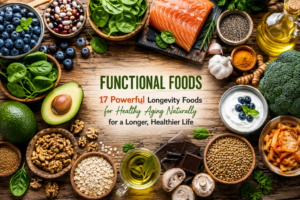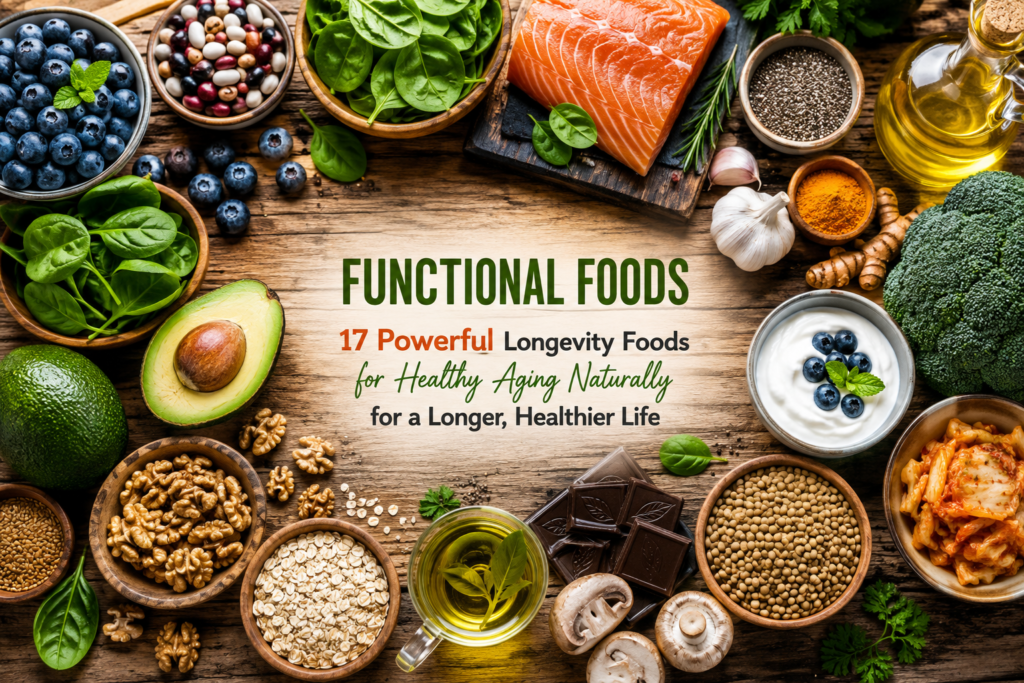
Functional Foods
Aging is inevitable, but how we age is influenced by the choices we make every day—especially what we eat. Functional Foods have become one of the fastest-growing trends in nutrition because they offer benefits beyond basic nourishment. These foods are naturally rich in vitamins, minerals, antioxidants, probiotics, healthy fats, and bioactive compounds that help reduce inflammation, strengthen immunity, protect the brain, and lower the risk of chronic diseases.
Whether you’re looking to stay energetic, support heart health, improve digestion, or maintain mental sharpness as you grow older, adding more Functional Foods to your diet can make a remarkable difference. Unlike fad diets or expensive supplements, functional foods are everyday ingredients backed by decades of nutritional research.
In this guide, you’ll discover 17 powerful longevity foods that can naturally support healthy aging, enhance overall wellness, and help you enjoy a longer, healthier life.
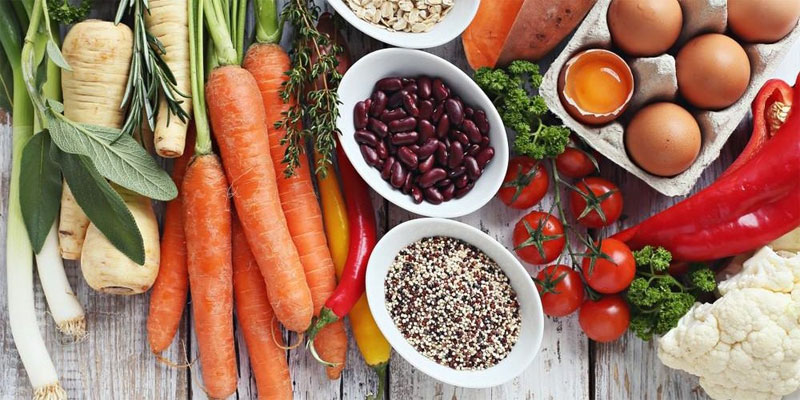
What Are Functional Foods?
Functional Foods are foods that provide health benefits beyond their nutritional value. They contain naturally occurring compounds—or are fortified with beneficial ingredients—that positively influence bodily functions and may reduce the risk of disease.
Examples include:
- Yogurt with probiotics
- Oats rich in beta-glucan fibre
- Fatty fish high in omega-3 fatty acids
- Blueberries packed with antioxidants
- Fermented vegetables containing beneficial bacteria
As interest in preventive healthcare continues to grow, functional foods are becoming a cornerstone of healthy lifestyles worldwide.
Why Functional Foods Matter for Healthy Aging
As we age, our bodies naturally experience changes such as:
- Reduced muscle mass
- Slower metabolism
- Increased inflammation
- Bone density loss
- Cognitive decline
- Weakened immune function
Fortunately, many Functional Foods contain nutrients that help slow these age-related changes by:
- Fighting oxidative stress
- Supporting healthy gut bacteria
- Protecting heart health
- Enhancing brain function
- Strengthening bones
- Improving metabolic health
Regularly eating nutrient-dense foods is one of the simplest and most effective long-term wellness strategies.
17 Powerful Functional Foods That Support Healthy Aging Naturally
1. Blueberries
Blueberries are among the richest sources of antioxidants, particularly anthocyanins.
Benefits
- Protect brain cells
- Improve memory
- Reduce inflammation
- Support heart health
Tip: Add fresh blueberries to oatmeal, smoothies, or Greek yogurt.
2. Salmon
Salmon is an excellent source of omega-3 fatty acids.
Benefits
- Supports brain health
- Reduces inflammation
- Promotes healthy skin
- Protects the heart
Aim to enjoy oily fish two to three times each week.
3. Greek Yogurt
Greek yogurt provides protein alongside probiotics that nourish beneficial gut bacteria.
Benefits
- Supports digestion
- Improves immune health
- Strengthens bones
- Helps maintain muscle mass
Choose plain varieties with little or no added sugar.
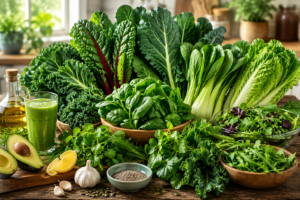
4. Spinach
Spinach contains vitamins A, C, K, folate, iron, and lutein.
Benefits
- Supports eye health
- Protects bones
- Strengthens immunity
- Reduces oxidative stress
5. Walnuts
Walnuts provide healthy fats, fibre, vitamin E, and plant-based omega-3s.
Benefits
- Supports brain function
- Promotes heart health
- Helps lower inflammation
A small handful makes an excellent daily snack.
6. Avocados
Avocados are rich in heart-friendly monounsaturated fats.
Benefits
- Improve cholesterol balance
- Support healthy skin
- Promote nutrient absorption
- Aid brain function
7. Turmeric
Turmeric contains curcumin, a compound widely studied for its anti-inflammatory effects.
Benefits
- Supports joint health
- Protects the brain
- May reduce chronic inflammation
Pair turmeric with black pepper to improve absorption.
8. Green Tea
Green tea contains catechins and polyphenols that help combat oxidative stress.
Benefits
- Supports metabolism
- Promotes heart health
- Protects brain cells
- Encourages healthy aging
9. Oats
Oats are rich in soluble fibre called beta-glucan.
Benefits
- Lowers cholesterol
- Stabilises blood sugar
- Supports digestive health
Start your morning with a bowl of porridge topped with berries and nuts.
10. Broccoli
Broccoli is loaded with vitamins C and K, fibre, and sulforaphane.
Benefits
- Supports detoxification
- Protects cells
- Promotes bone health
- Strengthens immunit
11. Chia Seeds
Tiny but nutrient-dense, chia seeds offer fibre, protein, and omega-3 fats.
Benefits
- Improve digestion
- Increase satiety
- Support heart health
12. Garlic
Garlic contains sulphur compounds that support cardiovascular health.
Benefits
- Supports immune function
- Helps regulate blood pressure
- Provides antioxidant protectio
13. Dark Chocolate
High-quality dark chocolate (70% cocoa or higher) contains flavonoids.
Benefits
- Supports circulation
- Protects blood vessels
- Enhances mood
Enjoy in moderation.
14. Extra Virgin Olive Oil
A staple of the Mediterranean diet, olive oil is associated with longevity.
Benefits
- Supports heart health
- Reduces inflammation
- Protects brain function
Use it in salad dressings or drizzle over cooked vegetables.
15. Mushrooms
Many mushrooms contain antioxidants, selenium, and vitamin D (when exposed to UV light).
Benefits
- Strengthen immunity
- Support healthy aging
- Provide essential mineral
16. Beans and Lentils
Legumes are affordable nutritional powerhouses.
Benefits
- Rich in plant protein
- High in fibre
- Support stable blood sugar
- Promote gut health
Include them in soups, salads, or stews.
17. Fermented Foods
Foods like kimchi, kefir, sauerkraut, and miso provide beneficial microbes.
Benefits
- Improve digestion
- Support immune health
- Promote a healthy gut microbiome
- Reduce inflammation
Regular consumption may contribute to better long-term wellness.
How Functional Foods Promote Longevity
Reduce Chronic Inflammation
Persistent inflammation is linked to heart disease, diabetes, arthritis, and cognitive decline. Many functional foods contain compounds that naturally help regulate inflammation.
Protect Against Oxidative Stress
Antioxidants found in colourful fruits and vegetables neutralise harmful free radicals that accelerate aging.
Support Gut Health
A healthy microbiome influences digestion, immunity, metabolism, and even mood. Probiotic and fibre-rich foods help maintain this delicate balance.
Improve Heart Health
Healthy fats, fibre, and plant compounds can help lower cholesterol, regulate blood pressure, and improve circulation.
Enhance Brain Function
Omega-3 fats, flavonoids, and antioxidants support memory, concentration, and long-term cognitive health.

Practical Ways to Add More Functional Foods to Your Diet
Making healthier choices doesn’t have to be complicated.
Here are simple ideas:
- Replace sugary cereal with oats and berries.
- Snack on walnuts instead of crisps.
- Drink green tea instead of sugary soft drinks.
- Add spinach to smoothies or omelettes.
- Include beans in soups and salads.
- Cook with extra virgin olive oil.
- Enjoy Greek yogurt with fresh fruit.
- Add fermented foods to meals several times a week.
Small daily improvements can have a meaningful impact over time.
Common Mistakes to Avoid
Even healthy eaters can make mistakes that reduce the benefits of functional foods.
Avoid these pitfalls:
- Relying on supplements instead of whole foods.
- Eating processed foods labelled “healthy.”
- Ignoring portion sizes.
- Consuming too much added sugar.
- Forgetting variety in your diet.
- Neglecting hydration and regular physical activity.
Remember, no single food can guarantee longevity. A balanced eating pattern combined with exercise, sleep, and stress management delivers the best results.
What Are Functional Foods and Why Are They Essential for Healthy Aging?
As life expectancy continues to rise, more people are focusing not just on living longer but on living healthier. One of the biggest trends shaping nutrition and wellness today is the growing interest in Functional Foods. These foods are more than just sources of calories and essential nutrients—they contain naturally occurring bioactive compounds that provide additional health benefits, helping to prevent disease, improve body functions, and support healthy aging.
Unlike highly processed foods that often contain excess sugar, unhealthy fats, and artificial additives, Functional Foods are rich in antioxidants, vitamins, minerals, probiotics, prebiotics, healthy fats, dietary fibre, and plant compounds that work together to nourish the body at a deeper level. They play a significant role in reducing inflammation, strengthening the immune system, protecting brain function, promoting heart health, and maintaining a healthy digestive system—all of which become increasingly important as we age.
According to the World Health Organization (WHO), eating a balanced diet rich in fruits, vegetables, whole grains, legumes, nuts, and healthy fats is one of the most effective ways to reduce the risk of chronic diseases such as heart disease, type 2 diabetes, obesity, and certain cancers. These same foods form the foundation of a functional food-based diet that supports longevity and overall wellness.
Learn more: https://www.who.int/news-room/fact-sheets/detail/healthy-diet
How Functional Foods Differ from Conventional Foods
While all foods provide energy and basic nutrients, functional foods offer additional physiological benefits that can improve health and lower disease risk.
| Conventional Foods | Functional Foods |
|---|---|
| Primarily provide calories and essential nutrients | Provide nutrients plus protective bioactive compounds |
| May be highly processed | Usually whole, minimally processed, or naturally nutrient-dense |
| Limited disease-prevention benefits | Help reduce inflammation, oxidative stress, and chronic disease risk |
| Focus on satisfying hunger | Support long-term health, immunity, and healthy aging |
Examples of functional foods include:
- Blueberries packed with powerful antioxidants.
- Salmon rich in omega-3 fatty acids for heart and brain health.
- Greek yogurt containing probiotics that promote gut health.
- Oats loaded with beta-glucan fibre that supports healthy cholesterol levels.
- Turmeric, which contains curcumin, a natural anti-inflammatory compound.
- Green tea rich in polyphenols that help protect cells from oxidative damage.
The Science Behind Functional Foods
One of the reasons Functional Foods have become so popular is the growing body of scientific research supporting their health benefits. Many functional foods contain bioactive compounds that work at the cellular level to protect the body from damage caused by free radicals, chronic inflammation, and age-related decline.
For example:
- Antioxidants found in berries, leafy greens, and dark chocolate help neutralize free radicals that contribute to premature aging.
- Omega-3 fatty acids in fatty fish help maintain healthy brain function, reduce inflammation, and support cardiovascular health.
- Probiotics and prebiotics improve gut microbiome diversity, enhancing digestion, immunity, and nutrient absorption.
- Polyphenols in green tea and extra virgin olive oil have been associated with reduced risk of chronic diseases and improved longevity.
- Dietary fibre from beans, oats, fruits, and vegetables helps regulate blood sugar, supports digestive health, and promotes healthy cholesterol levels.
These nutrients work together to create a synergistic effect that promotes wellness far beyond basic nutrition.
Why Functional Foods Are Essential for Healthy Aging
Aging naturally brings changes to the body, including slower metabolism, reduced muscle mass, weaker bones, increased inflammation, and a higher risk of chronic illnesses. While aging cannot be stopped, adopting a diet rich in functional foods can significantly improve quality of life and support healthy aging.
Here are some of the key benefits:
1. Reduce Chronic Inflammation
Long-term inflammation is linked to heart disease, arthritis, Alzheimer’s disease, and diabetes. Functional foods such as turmeric, berries, leafy greens, and olive oil contain natural anti-inflammatory compounds that help protect the body.
2. Support Heart Health
Heart disease remains one of the leading causes of death worldwide. Foods rich in omega-3 fatty acids, fibre, and healthy fats can help lower blood pressure, reduce cholesterol, and improve blood vessel function.
3. Improve Brain Function
Nutrients like omega-3s, flavonoids, and antioxidants help protect brain cells, improve memory, and may reduce the risk of age-related cognitive decline.
4. Strengthen the Immune System
A healthy immune system is essential for fighting infections and recovering from illness. Functional foods rich in vitamins C, D, zinc, probiotics, and antioxidants help keep immune defences strong.
5. Promote a Healthy Gut Microbiome
The gut is often referred to as the body’s “second brain” because it influences digestion, immunity, metabolism, and even mental health. Fermented foods, yogurt, kefir, and fibre-rich vegetables nourish beneficial gut bacteria and contribute to better overall health.
Simple Ways to Include More Functional Foods Every Day
Adding more functional foods to your meals doesn’t require a complete lifestyle overhaul. Start with small, sustainable changes:
- Add blueberries or chia seeds to your breakfast.
- Replace refined grains with oats or quinoa.
- Enjoy Greek yogurt instead of sugary desserts.
- Include leafy greens like spinach in smoothies or salads.
- Swap butter for extra virgin olive oil when cooking.
- Eat fatty fish such as salmon twice a week.
- Snack on walnuts or almonds instead of processed snacks.
- Include fermented foods like kimchi or sauerkraut several times a week.
These simple habits can make a meaningful difference over time and help build a dietary pattern that supports healthy aging, vitality, and longevity.
By making Functional Foods a regular part of your lifestyle, you’re investing in your long-term health. Rather than relying solely on medications or supplements later in life, nourishing your body with nutrient-rich foods today can help you stay active, resilient, and healthier for years to come.
17 Powerful Functional Foods That Naturally Support Longevity and Healthy Aging
When it comes to increasing lifespan and improving quality of life, no single “superfood” holds the secret. Instead, the greatest benefits come from consistently eating a wide variety of Functional Foods that work together to nourish your body, reduce inflammation, strengthen your immune system, and protect against age-related diseases.
Research shows that diets rich in nutrient-dense whole foods—such as the Mediterranean and Blue Zone diets—are associated with longer life expectancy, lower rates of chronic disease, and improved physical and mental well-being. These dietary patterns emphasize foods naturally packed with antioxidants, fibre, healthy fats, vitamins, minerals, probiotics, and phytochemicals that support healthy aging.
The Harvard T.H. Chan School of Public Health explains that a healthy dietary pattern rich in vegetables, fruits, whole grains, legumes, nuts, and healthy fats is linked to better long-term health outcomes.: https://nutritionsource.hsph.harvard.edu/
1. Blueberries – The Antioxidant Powerhouse
Blueberries are among the most nutrient-dense functional foods available. They are loaded with anthocyanins, antioxidants that help protect cells from oxidative damage and reduce inflammation.
Health Benefits
- Supports memory and cognitive function
- Protects the heart
- Helps reduce oxidative stress
- Promotes healthy skin aging
Easy Tip: Add a handful to smoothies, oatmeal, yogurt, or salads.
2. Salmon – The Ultimate Brain and Heart Food
Salmon is rich in omega-3 fatty acids (EPA and DHA), high-quality protein, vitamin D, and selenium.
Health Benefits
- Supports heart health
- Improves brain function
- Reduces chronic inflammation
- Maintains muscle mass during aging
Aim for two servings of oily fish each week.
3. Greek Yogurt – Gut Health Champion
Greek yogurt contains probiotics that improve the balance of beneficial bacteria in your digestive system.
Health Benefits
- Supports digestion
- Strengthens immunity
- Improves calcium intake
- Helps maintain lean muscle
Choose plain, unsweetened varieties whenever possible.
4. Spinach – A Nutrient-Dense Green
Spinach is packed with vitamins A, C, K, folate, magnesium, iron, and lutein.
Health Benefits
- Supports healthy vision
- Protects bone health
- Boosts immunity
- Reduces inflammation
5. Walnuts – Nature’s Brain Food
Walnuts are an excellent source of healthy fats, antioxidants, and plant-based omega-3 fatty acids.
Health Benefits
- Improves memory
- Supports cardiovascular health
- Helps lower bad cholesterol
- Reduces inflammation
A small handful each day provides excellent nutritional value.
6. Avocados – Healthy Fat for Longevity
Avocados provide heart-healthy monounsaturated fats, potassium, fibre, and vitamin E.
Health Benefits
- Supports healthy cholesterol levels
- Keeps skin healthy
- Improves nutrient absorption
- Promotes brain function
7. Turmeric – Nature’s Anti-Inflammatory Spice
Turmeric contains curcumin, one of the world’s most researched natural anti-inflammatory compounds.
Health Benefits
- Supports joint mobility
- Protects brain cells
- May reduce chronic inflammation
- Promotes healthy aging
Combine turmeric with black pepper to improve curcumin absorption.
8. Green Tea – The Longevity Beverage
Green tea contains catechins and polyphenols that protect cells from oxidative stress.
Health Benefits
- Supports metabolism
- Protects the heart
- Improves brain performance
- Encourages healthy aging
Replacing sugary drinks with green tea is a simple wellness upgrade.
9. Oats – Heart-Friendly Whole Grain
Oats contain beta-glucan, a soluble fibre known for lowering cholesterol.
Health Benefits
- Supports digestive health
- Helps control blood sugar
- Keeps you full longer
- Improves heart health
Start your day with oatmeal topped with berries and nuts.
10. Broccoli – The Detox Vegetable
Broccoli is rich in sulforaphane, vitamin C, vitamin K, and fibre.
Health Benefits
- Supports natural detoxification
- Protects cells from damage
- Strengthens immunity
- Promotes bone health
11. Chia Seeds – Tiny but Mighty
Despite their size, chia seeds provide impressive amounts of fibre, protein, calcium, and omega-3 fats.
Health Benefits
- Supports digestion
- Improves heart health
- Helps regulate blood sugar
- Promotes healthy weight management
12. Garlic – Natural Immune Booster
Garlic contains allicin, a sulphur compound known for its protective health effects.
Health Benefits
- Supports immune function
- Promotes healthy blood pressure
- Improves cardiovascular health
- Provides antioxidant protection
Fresh garlic offers the greatest nutritional benefits.
13. Dark Chocolate – A Healthy Indulgence
Dark chocolate containing at least 70% cocoa is rich in flavonoids.
Health Benefits
- Supports blood circulation
- Promotes heart health
- Improves mood
- Provides antioxidant protection
Enjoy in moderation as part of a balanced diet.
14. Extra Virgin Olive Oil – Mediterranean Gold
Extra virgin olive oil is a cornerstone of the Mediterranean diet, one of the healthiest eating patterns in the world.
Health Benefits
- Reduces inflammation
- Supports heart health
- Protects brain function
- Improves cholesterol balance
Use it for salads, vegetables, and light cooking.
15. Mushrooms – Immune-Supporting Superfood
Mushrooms provide selenium, B vitamins, antioxidants, and immune-supporting compounds.
Health Benefits
- Strengthens immunity
- Supports healthy aging
- Protects cells from oxidative stress
- Promotes overall wellness
16. Beans and Lentils – Affordable Nutrition
Legumes are among the healthiest plant-based protein sources.
Health Benefits
- Rich in fibre
- Supports gut health
- Stabilises blood sugar
- Promotes heart health
Include them in soups, stews, curries, and salads.
17. Fermented Foods – Feeding Your Gut Microbiome
Fermented foods such as kimchi, sauerkraut, kefir, miso, and kombucha provide beneficial probiotics that support digestive health.
Health Benefits
- Improves digestion
- Supports immune health
- Encourages a balanced gut microbiome
- May reduce inflammation
Aim to include fermented foods in your diet several times a week for long-term gut health benefits.
Why Variety Matters More Than One “Superfood”
One of the biggest misconceptions about healthy eating is that a single food can dramatically improve health. In reality, the greatest benefits come from combining different Functional Foods into a balanced eating pattern. Each food offers unique nutrients and bioactive compounds that work together to support healthy aging, reduce inflammation, and protect against chronic diseases.
For example:
- Pair salmon with spinach for heart and brain health.
- Combine Greek yogurt, blueberries, and chia seeds for a gut-friendly breakfast.
- Add olive oil, broccoli, and garlic to roasted vegetables for a nutrient-packed dinner.
- Snack on walnuts and fresh fruit instead of ultra-processed foods.
Small, consistent dietary improvements can have a significant impact over time. By making these 17 functional foods a regular part of your meals, you’ll build a strong nutritional foundation that supports longevity, vitality, and overall wellness well into the future.

Frequently Asked Questions
Are Functional Foods better than supplements?
In many cases, yes. Whole foods provide a natural combination of nutrients, fibre, and beneficial plant compounds that work together more effectively than isolated supplements.
Can Functional Foods help prevent disease?
While no food can prevent every illness, a diet rich in functional foods is associated with a lower risk of heart disease, type 2 diabetes, certain cancers, and cognitive decline.
How often should I eat Functional Foods?
Aim to include several functional foods in your meals every day rather than relying on occasional consumption.
Are Functional Foods suitable for all ages?
Yes. From children to older adults, most people can benefit from eating a diverse range of nutrient-rich functional foods as part of a balanced diet.
Final Thoughts
Functional Foods are far more than a passing health trend—they represent a sustainable, science-backed approach to healthy aging and lifelong wellness. By filling your plate with nutrient-dense foods such as berries, leafy greens, oily fish, legumes, fermented foods, nuts, seeds, and healthy oils, you can nourish your body, support your mind, and reduce your risk of many age-related health conditions.
The journey toward a longer, healthier life doesn’t require perfection. It starts with consistent, informed choices made one meal at a time. Incorporating these 17 powerful longevity foods into your weekly routine can help you build resilience, maintain energy, and enjoy better quality of life for years to come.
Call to Action
Which of these Functional Foods is already part of your daily diet, and which one are you excited to try next? Share your thoughts in the comments below! If you found this guide helpful, pass it along to friends and family, and subscribe to our newsletter for more expert tips on healthy eating, sustainable farming, and natural wellness.
About The Author