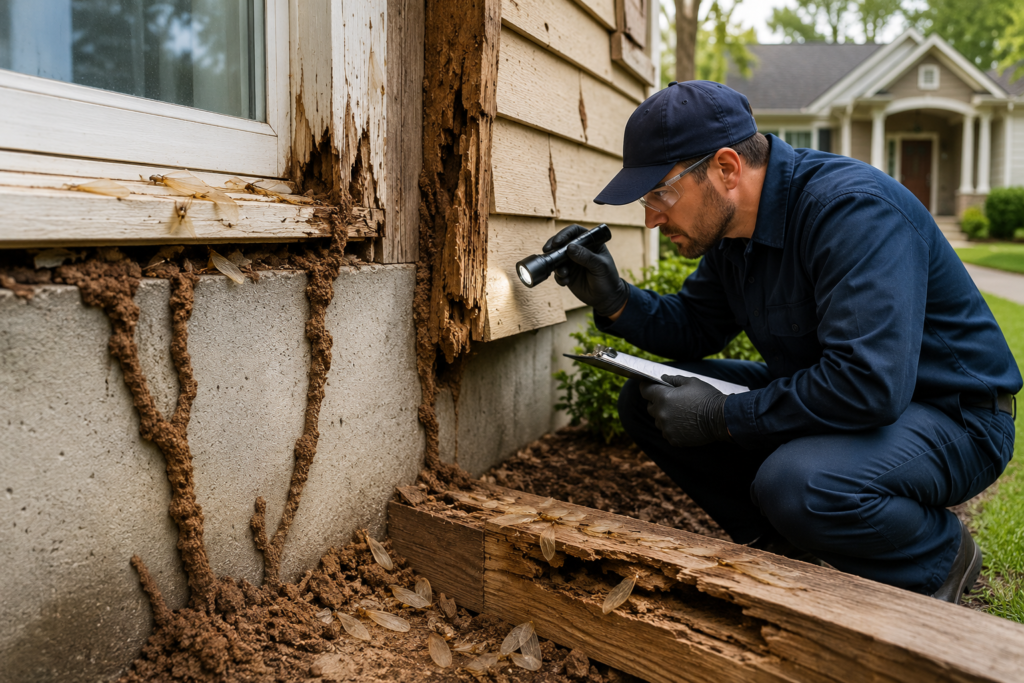
Signs of Termite Infestation
Signs of termite infestation are often easy to overlook—until the damage becomes expensive. Every year, termites silently destroy homes by feeding on wood, flooring, drywall, and even furniture. Unlike many household pests, termites work behind the scenes, making it difficult for homeowners to detect an infestation until significant structural damage has already occurred.
The good news is that termites leave subtle clues long before they cause catastrophic destruction. Learning to recognize these early warning signs can save you thousands of dollars in repairs and help you protect one of your most valuable investments—your home.
In this comprehensive guide, you’ll discover the 17 most important signs of termite infestation, understand why they occur, learn how to inspect your property like a professional, and find practical prevention strategies to keep termites away for good.

Why Early Detection Matters
Termites don’t simply nibble on wood—they consume cellulose continuously, often working around the clock. Colonies can grow into hundreds of thousands or even millions of termites, quietly weakening walls, floors, ceilings, and support beams.
Unfortunately, most homeowner insurance policies do not cover termite damage because it is considered preventable through regular maintenance and inspections. That makes early detection essential.
Benefits of finding termites early include:
- Lower repair costs
- Easier treatment
- Reduced structural damage
- Better home value preservation
- Greater peace of mind
Understanding How Termites Damage Homes
Before recognizing the signs, it helps to understand termite behavior.
Termites survive by eating cellulose found in:
- Wood framing
- Hardwood floors
- Furniture
- Cardboard
- Paper products
- Wooden fences
- Decks
- Tree stumps
Most species remain hidden inside wood or underground, allowing them to feed unnoticed for months—or even years.
17 Powerful Signs of Termite Infestation
1. Mud Tubes Along Walls or Foundations
One of the most recognizable signs of termite infestation is the appearance of pencil-sized mud tubes.
Subterranean termites build these tunnels using soil, saliva, and wood particles to travel safely while staying moist.
Look around:
- Foundation walls
- Crawl spaces
- Basement walls
- Exterior brickwork
- Garage walls
Fresh mud tubes usually indicate active termite activity.
2. Hollow-Sounding Wood
Wood should feel solid.
If you tap on wooden beams, floors, doors, or window frames and hear a hollow sound, termites may have eaten the interior while leaving the surface intact.
Use the handle of a screwdriver to gently tap suspicious wood.
3. Wood That Crumbles Easily
Healthy wood resists pressure.
Damaged wood may:
- Break apart
- Feel soft
- Flake away
- Collapse under pressure
This often signals advanced termite damage.
4. Swarms of Winged Termites
Flying termites—also called swarmers or alates—appear when a colony is mature and ready to establish new colonies.
They are commonly seen:
- During warm weather
- After rainfall
- Around windows
- Near porch lights
- Inside homes
Seeing swarmers indoors is a major warning sign.
5. Discarded Wings
After mating, termites shed their wings.
Tiny piles of transparent wings near:
- Window sills
- Door frames
- Light fixtures
are often one of the earliest warning signs of termites before serious structural damage occurs.
6. Tight-Fitting Doors and Windows
Termites introduce moisture into wood as they feed.
This causes wood to swell, making doors and windows difficult to:
- Open
- Close
- Lock
Many homeowners mistakenly blame humidity.
7. Bubbling or Peeling Paint
Paint may begin to:
- Bubble
- Crack
- Peel
because termites create moisture beneath the surface.
It often resembles water damage.
8. Small Holes in Drywall
Tiny pinholes appearing unexpectedly may indicate termites have tunneled behind drywall.
Always inspect further rather than simply patching the holes.
9. Clicking Sounds Inside Walls
Believe it or not, termites make noise.
Soldier termites bang their heads to warn the colony of danger.
On quiet nights, you may hear faint clicking or rustling sounds inside walls.
10. Sagging Floors
As termites consume wooden supports beneath flooring, floors may begin to:
- Sag
- Warp
- Feel uneven
- Bounce slightly
This is one of the more advanced signs of a termite infestation in your home.
11. Buckling Wooden Floors
Hardwood flooring may begin separating or lifting.
Many people mistake this for moisture damage when termites are actually responsible.
12. Damaged Baseboards
Inspect your trim carefully.
Signs include:
- Cracks
- Small holes
- Soft spots
- Hollow sections
Baseboards often become termite targets because they remain undisturbed.
13. Frass (Termite Droppings)
Drywood termites leave behind tiny pellet-like droppings called frass.
They resemble:
- Coffee grounds
- Sawdust
- Pepper granules
Small piles beneath wooden furniture or walls deserve immediate attention.
14. Maze-Like Patterns Inside Wood
When damaged wood is opened, termites leave intricate tunnels running throughout the interior.
These galleries weaken wood significantly while remaining hidden from view.
15. Loose Tiles
Subfloor termite activity may loosen ceramic or vinyl flooring.
Tiles that suddenly shift or feel unstable should be inspected.
16. Damaged Outdoor Wooden Structures
Don’t forget to inspect:
- Decks
- Wooden fences
- Tree stumps
- Pergolas
- Firewood piles
Outdoor infestations often spread indoors.
17. Increasing Repair Problems Around the Home
If multiple issues appear together—such as sticking doors, cracked paint, hollow wood, and sagging floors—it may indicate a growing termite colony rather than isolated maintenance problems.

How to Tell if Your House Has Termites
If you’re wondering how to tell if your house has termites, follow this simple inspection routine every few months:
Exterior Inspection
Check:
- Foundation walls
- Deck posts
- Wooden siding
- Porch supports
- Tree stumps
- Fence posts
Interior Inspection
Look for:
- Hollow wood
- Bubbling paint
- Discarded wings
- Mud tubes
- Frass
- Sagging floors
Moisture-Prone Areas
Pay special attention to:
- Bathrooms
- Kitchens
- Basements
- Laundry rooms
- Crawl spaces
These areas create ideal conditions for termites.
Common Causes of Termite Infestations
Several factors increase termite risk:
- Excess moisture
- Leaking pipes
- Wood touching soil
- Poor drainage
- Firewood stored near the home
- Dead trees
- Untreated lumber
- Cracks in the foundation
Reducing these conditions makes your property far less attractive to termites.
Practical Tips to Prevent Termite Damage
Keep Wood Away from Soil
Maintain a gap between wooden structures and the ground whenever possible.
Fix Water Leaks Promptly
Repair leaking faucets, gutters, roofs, and plumbing to eliminate moisture.
Improve Ventilation
Ensure crawl spaces and attics remain dry with proper airflow.
Remove Dead Trees and Stumps
Old wood serves as an ideal food source for termites.
Store Firewood Properly
Keep firewood at least 20 feet away from your home and elevated off the ground.
Seal Entry Points
Close gaps around pipes, utility lines, windows, and foundations.
Schedule Regular Inspections
Professional inspections can identify hidden termite activity before extensive damage occurs.
When Should You Call a Professional?
While homeowners can identify many termite signs, professional pest control specialists have tools such as moisture meters, thermal imaging, and specialized inspection techniques that can locate hidden colonies.
Contact a licensed professional if you notice:
- Active mud tubes
- Flying termites indoors
- Hollow wood
- Frass
- Large areas of termite damage
- Multiple warning signs appearing together
Early treatment is almost always less expensive than repairing structural damage later.
Why Early Signs of Termite Infestation Should Never Be Ignored
Spotting the signs of termite infestation early can make the difference between a minor pest control treatment and thousands of dollars in structural repairs. Often referred to as “silent destroyers,” termites work discreetly behind walls, beneath floors, and inside wooden structures. Because they consume wood from the inside out, homeowners may not realize there is a problem until visible damage begins to appear. By that point, a termite colony may have been active for months or even years.
One of the biggest challenges with termites is that they rarely announce their presence. Unlike rodents or cockroaches, which are often seen moving around the home, termites prefer to remain hidden. They build mud tubes, nest underground or inside wood, and avoid exposure to light and open air. As a result, many homeowners overlook the subtle clues that indicate an infestation is developing.
According to the United States Environmental Protection Agency (EPA), termites cause billions of dollars in property damage each year, making them one of the most destructive household pests. Because termite damage is generally considered preventable, many homeowner insurance policies do not cover repair costs. This means early detection is not only important for protecting your home but also for avoiding significant out-of-pocket expenses.
Why Acting Quickly Matters
Ignoring early warning signs gives termites more time to expand their colony and consume structural wood. Over time, they can weaken essential components of your home, including:
- Wooden beams and support posts
- Floor joists and subflooring
- Roof trusses
- Window and door frames
- Hardwood flooring
- Wooden cabinets and furniture
As the infestation grows, repair costs rise dramatically. What might have required a simple localized treatment in the early stages can eventually involve replacing damaged framing, flooring, drywall, and other structural materials.
Common Early Warning Signs to Watch For
The earlier you recognize the signs of termite infestation, the easier it is to stop the problem. Some of the first indicators include:
- Pencil-sized mud tubes along foundation walls
- Hollow-sounding wood when tapped
- Discarded wings near windows or doors
- Small piles of termite droppings (frass)
- Tight-fitting doors and windows caused by swollen wood
- Bubbling or peeling paint that resembles water damage
- Tiny holes or cracks appearing in wooden surfaces
Even if you notice only one of these symptoms, it is worth conducting a thorough inspection or contacting a licensed pest control professional.
The Financial Benefits of Early Detection
Early termite detection is one of the smartest investments a homeowner can make. Addressing a small infestation promptly can:
- Reduce repair costs by preventing widespread structural damage.
- Protect your home’s resale value by keeping it free from hidden pest issues.
- Minimize disruption, as smaller infestations typically require less extensive treatment.
- Prevent future infestations when combined with proper maintenance and preventative measures.
Routine inspections—especially in areas with high termite activity—can provide peace of mind and help identify problems before they become serious.
Practical Tips for Staying Ahead of Termites
You can reduce the risk of a costly infestation by adopting a few preventative habits:
- Inspect your home’s foundation, crawl spaces, and wooden structures at least twice a year.
- Fix leaking pipes, roofs, and gutters promptly to eliminate excess moisture.
- Keep mulch, firewood, and lumber away from your home’s foundation.
- Seal cracks around utility pipes, doors, and windows where termites could enter.
- Schedule a professional termite inspection annually, particularly if you live in a termite-prone region.
By taking these simple steps and responding quickly to any signs of termite infestation, you can protect your property, avoid expensive repairs, and ensure your home remains safe and structurally sound for years to come.
How to Tell If Your House Has Termites: A Step-by-Step Home Inspection Guide
Knowing how to tell if your house has termites is an essential skill for every homeowner. Since termites usually remain hidden inside walls, floors, crawl spaces, and wooden structures, they can cause extensive damage long before you notice obvious problems. Performing a routine home inspection every few months can help you identify the signs of termite infestation early, allowing you to take action before costly structural repairs become necessary.
While a professional inspection is always recommended if you suspect termites, you can perform a basic inspection yourself using a flashlight, screwdriver, and a careful eye for detail.
Step 1: Inspect Your Home’s Exterior
Begin by walking around the outside of your home. The exterior often provides the earliest clues that termites are active.
Pay close attention to:
- Foundation walls
- Wooden siding
- Deck posts
- Porch\ supports
- Fence posts
- Tree stumps
- Wooden sheds
- Garage framing
Look for pencil-sized mud tubes running up foundation walls or concrete surfaces. These tunnels are built by subterranean termites to travel safely between their underground colony and food sources while maintaining moisture.
Also inspect any wood that comes into direct contact with the soil. Wood-to-soil contact creates an easy entry point for termites and significantly increases the risk of infestation.
Step 2: Check Doors, Windows, and Wooden Frames
Inside your home, inspect all wooden doors, window frames, and trim.
Common warning signs include:
- Doors that suddenly become difficult to open or close
- Windows that stick without an obvious cause
- Cracked or blistered paint
- Soft or damaged wood
- Small holes or cracks
As termites feed, they introduce moisture into wood, causing it to swell. Many homeowners mistake this problem for seasonal humidity when it may actually be one of the earliest signs of a termite infestation in your home.
Step 3: Tap Wooden Structures
A simple tapping test can reveal hidden termite activity.
Using the handle of a screwdriver, gently tap:
- Floor joists
- Support beams
- Wooden cabinets
- Staircases
- Baseboards
- Ceiling beams
Healthy wood sounds solid, while termite-damaged wood often produces a hollow or papery sound because termites consume the interior and leave only a thin outer layer.
If the screwdriver easily penetrates the wood, further inspection is necessary.
Step 4: Search for Discarded Wings
One of the clearest indicators of termite activity is the presence of discarded wings.
Flying termites, known as swarmers, leave their colonies to reproduce. After finding a suitable location, they shed their wings before establishing a new colony.
Check areas around:
- Windows
- Patio doors
- Light fixtures
- Window sills
- Entryways
Small piles of identical transparent wings usually indicate nearby termite activity.
Step 5: Look for Termite Droppings (Frass)
Drywood termites leave behind tiny pellet-shaped droppings called frass.
These droppings often resemble:
- Fine coffee grounds
- Black pepper
- Tiny wood-colored pellets
- Sawdust
Unlike ordinary sawdust, termite frass is uniform in size and shape. Finding these pellets beneath wooden furniture or along baseboards is a strong indication that termites may be feeding inside the wood.
Step 6: Examine Walls and Floors
Many homeowners first notice termites when interior finishes begin changing.
Inspect for:
- Bubbling paint
- Peeling wallpaper
- Sagging floors
- Uneven flooring
- Small cracks in drywall
- Warped wood panels
These symptoms often resemble water damage, making careful inspection important before assuming moisture is the only cause.
Step 7: Inspect Moisture-Prone Areas
Because termites thrive in damp environments, pay extra attention to rooms with higher moisture levels.
Inspect:
- Bathrooms
- Kitchens
- Laundry rooms
- Basements
- Crawl spaces
- Utility rooms
Check for plumbing leaks, standing water, poor ventilation, or damp wood. Eliminating excess moisture is one of the most effective ways to reduce the likelihood of a termite infestation.
Step 8: Monitor Outdoor Wooden Structures
Termites rarely limit themselves to the main house.
Inspect:
- Wooden fences
- Garden beds
- Pergolas
- Gazebos
- Decking
- Firewood stacks
Outdoor colonies can eventually spread to your home’s structural timber if left untreated.
When to Call a Professional
If your inspection reveals mud tubes, hollow wood, discarded wings, frass, or several warning signs occurring together, it’s time to contact a licensed pest control expert. Professional inspectors use advanced tools such as moisture meters, infrared cameras, and specialized probing equipment to detect hidden termite colonies that may not be visible during a DIY inspection.
For additional homeowner guidance on termite identification, prevention, and treatment, visit the U.S. Environmental Protection Agency (EPA):
https://www.epa.gov/safepestcontrol/termites
You can also find practical resources from the National Pest Management Association (NPMA):
https://www.pestworld.org/pest-guide/termites/
By performing regular inspections and responding quickly to the signs of termite infestation, you can stop termites before they cause extensive structural damage, helping to protect both your home and your investment for years to come.
Common Causes of Termite Infestation and How to Prevent Them
Understanding what attracts termites is one of the most effective ways to protect your property from expensive repairs. While recognizing the signs of termite infestation is essential, preventing an infestation before it starts is even better. Termites don’t invade homes randomly—they are drawn to specific conditions that provide food, moisture, and easy access to wood.
By addressing these risk factors, homeowners can significantly reduce the likelihood of a termite infestation and keep their homes safe year-round.
1. Excess Moisture Around Your Home
Moisture is one of the biggest factors that attracts termites, particularly subterranean termites. Damp wood is easier for termites to penetrate, and wet environments help colonies survive and thrive.
Common sources of excess moisture include:
- Leaking roofs
- Broken gutters
- Faulty plumbing
- Air conditioning condensation
- Poor drainage around the foundation
- Standing water in crawl spaces
To prevent moisture-related termite problems:
- Repair plumbing leaks as soon as they are discovered.
- Clean gutters regularly to prevent water overflow.
- Ensure downspouts direct water away from your home’s foundation.
- Improve ventilation in basements, attics, and crawl spaces.
- Use dehumidifiers in damp areas if necessary.
Keeping your home dry makes it much less attractive to termites and many other household pests.
2. Wood-to-Soil Contact
One of the easiest ways for termites to enter a home is through wood that touches the soil. Since subterranean termites live underground, direct contact between soil and wood creates a convenient pathway into your home’s structure.
Areas to inspect include:
- Deck supports
- Fence posts
- Porch columns
- Wooden siding
- Door frames
- Steps
- Wooden planters
Whenever possible, maintain a gap between wooden structures and the ground. Concrete or metal barriers can also help reduce termite access.
3. Firewood Stored Too Close to the House
Firewood is an excellent food source for termites. When stacked directly against your home or garage, it provides termites with easy access to nearby wooden structures.
For proper storage:
- Keep firewood at least 20 feet (6 meters) away from your home.
- Elevate wood stacks several inches above the ground.
- Rotate older wood before newer pieces.
- Inspect firewood before bringing it indoors.
This simple habit can greatly reduce the risk of accidentally introducing termites to your property.
4. Cracks and Gaps in the Foundation
Even tiny openings around your home’s foundation can serve as entry points for termites.
Inspect for:
- Foundation cracks
- Gaps around plumbing pipes
- Openings around electrical wiring
- Expansion joints
- Utility penetrations
Seal these areas using appropriate construction materials to make it more difficult for termites to enter your home unnoticed.
5. Dead Trees, Stumps, and Yard Debris
Old tree stumps, fallen branches, and decaying logs often become breeding grounds for termites. Once a colony becomes established outdoors, termites may eventually migrate to nearby buildings.
Reduce this risk by:
- Removing dead trees promptly.
- Grinding or removing old stumps.
- Cleaning up fallen branches.
- Disposing of decaying lumber and wooden debris.
A clean yard is less inviting to termites and other wood-destroying insects.
6. Poor Landscaping Practices
Certain landscaping choices can unknowingly encourage termite activity.
Examples include:
- Thick mulch piled against the foundation
- Overgrown shrubs trapping moisture
- Dense vegetation blocking airflow
- Poor drainage in flower beds
To lower the risk:
- Leave a visible gap between mulch and your home’s exterior walls.
- Trim shrubs and bushes regularly.
- Avoid excessive watering near the foundation.
- Grade your landscape so water drains away from the house.
Proper landscaping not only enhances curb appeal but also helps discourage termite infestations.
7. Untreated or Aging Wood
Older or untreated wood is more vulnerable to termite attack than properly treated lumber.
Inspect outdoor structures such as:
- Decks
- Pergolas
- Gazebos
- Wooden fences
- Garden beds
Applying protective wood treatments and replacing severely weathered timber can help extend the life of these structures while making them less appealing to termites.
8. Lack of Routine Home Inspections
Many homeowners don’t discover termites until visible damage appears. Regular inspections can identify hidden problems before they escalate.
Inspect your home at least twice a year, paying special attention to:
- Foundations
- Crawl spaces
- Basements
- Roof supports
- Wooden flooring
- Window frames
- Exterior walls
If you notice early signs of termite damage in walls, mud tubes, discarded wings, or hollow-sounding wood, arrange for a professional termite inspection as soon as possible.
Practical Prevention Tips Every Homeowner Should Follow
Preventing termites requires a combination of regular maintenance and early action. Here are some best practices:
- Fix leaks and eliminate excess moisture promptly.
- Keep all wooden materials away from direct soil contact.
- Store firewood away from the house and off the ground.
- Seal foundation cracks and utility entry points.
- Remove dead trees, stumps, and wood debris from your yard.
- Keep gutters and downspouts clean to improve drainage.
- Schedule professional termite inspections annually, especially in regions where termite activity is common.
Prevention Is Always Less Expensive Than Repair
The cost of preventing a termite infestation is typically far lower than repairing structural damage caused by an established colony. A few simple maintenance tasks performed throughout the year can help you avoid thousands of dollars in repair costs while protecting your home’s value.
By understanding the common causes of termite infestations and taking proactive preventative measures, you’ll greatly reduce your chances of encountering these destructive pests. Combined with regular inspections and awareness of the warning signs of termites before serious structural damage, these practices will help keep your home safe, secure, and termite-free for years to come.
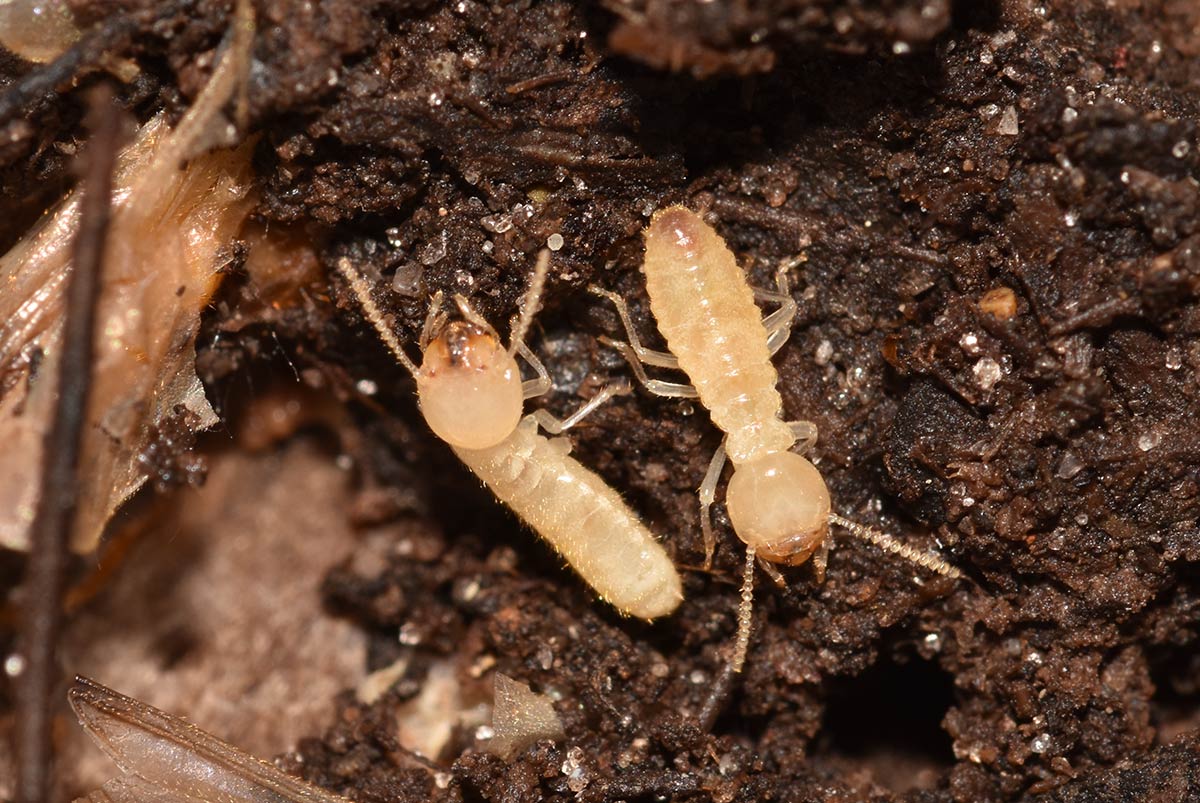
Why Learning the Signs of Termite Infestation Can Save Your Home
Recognizing the signs of termite infestation is one of the smartest steps every homeowner can take to avoid expensive repairs. The signs of termite infestation often appear long before major structural damage becomes visible, making early detection essential. Whether you notice mud tubes, hollow wood, discarded wings, or peeling paint, these signs of termite infestation should never be ignored. Understanding the signs of termite infestation allows you to act quickly, schedule a professional inspection, and stop termites before they spread throughout your home.
A termite infestation can silently destroy wooden beams, flooring, walls, ceilings, and furniture without obvious warning. Many homeowners only discover a termite infestation after extensive termite damage has already occurred. Learning how to tell if your house has termites can help you identify problems early and protect your investment. Common termite signs include mud tubes along the foundation, hollow-sounding timber, frass (termite droppings), blistering paint, and warped doors or windows. These early signs of termite damage in walls often resemble water damage, making a careful inspection even more important.
Ignoring the warning signs of termites before serious structural damage can lead to costly repairs that may affect your home’s safety and value. The sooner you recognize the signs of a termite infestation in your home, the easier and more affordable it is to eliminate the colony. Regular inspections, proper moisture control, and preventive maintenance are essential strategies for reducing the risk of a termite infestation. By staying alert to the signs of termite infestation and responding quickly, homeowners can prevent severe termite damage, preserve their property’s structural integrity, and enjoy greater peace of mind for years to come.
Frequently Asked Questions
Can termites destroy a house?
Yes. Over time, untreated termite colonies can seriously weaken wooden structures, making repairs extensive and costly.
Do termites always leave visible signs?
No. Many infestations remain hidden for months or even years, which is why regular inspections are important.
Are termites active all year?
In many regions, termites remain active throughout the year, especially in warm climates or inside heated buildings.
Is termite damage reversible?
The termites can be eliminated, but damaged wood often needs to be repaired or replaced depending on the severity.
Final Thoughts
Recognizing the signs of termite infestation early is one of the smartest steps any homeowner can take to protect their property. From mud tubes and hollow wood to discarded wings and sagging floors, these warning signs provide valuable clues that should never be ignored.
Routine inspections, proper home maintenance, and prompt action at the first indication of termite activity can prevent thousands of dollars in structural repairs. By staying vigilant and addressing problems early, you can keep your home safe, preserve its value, and avoid the stress of a major infestation.
Call to Action
Have you ever dealt with termites or discovered suspicious signs around your home? Share your experience in the comments below. If you found this guide helpful, pass it along to friends and family so they can learn how to spot termite problems before they become costly disasters. For more expert pest control tips, home maintenance advice, and prevention guides, be sure to explore our latest articles.
About The Author