Tuta absoluta control
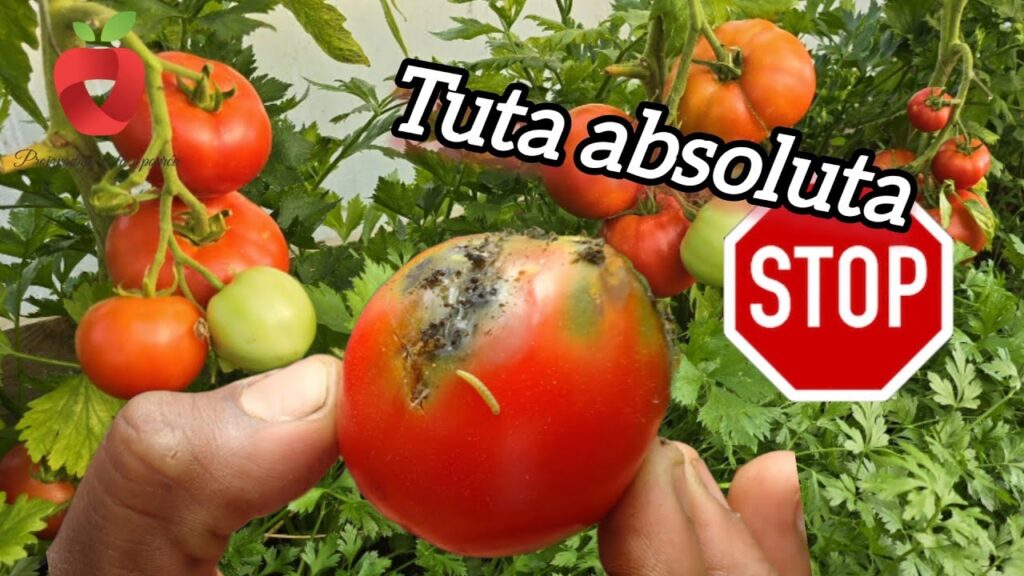
Tuta absoluta control has become one of the most important conversations for tomato farmers in Nigeria. A tomato field can look healthy at the beginning of the season, yet within a short period, tiny mines may appear on the leaves, shoots may become damaged, and fruits can develop holes or rot before they reach the market.
For a farmer who has already invested money in land preparation, seedlings, fertilizer, irrigation, labour and transportation, such damage is more than an agricultural inconvenience. It can quickly become a financial crisis.
The challenge is particularly important in Nigeria because tomato is both a major food crop and an important source of income for farmers, traders, transporters, processors and other participants in the agricultural value chain. In February 2026, Nigeria’s Federal Government launched an emergency intervention programme specifically addressing the spread of Tuta absoluta and other agricultural pests threatening tomato production. The programme included farmer sensitisation, approved pest-control inputs, technical guidance and integrated pest-management approaches.
That development tells us something important: Tuta absoluta is not a minor garden insect that farmers can afford to ignore.
But there is also good news.
Farmers do not have to depend on endless spraying or wait until an entire tomato field is damaged before taking action. With early detection and a coordinated management strategy, it is possible to significantly reduce the pressure of this pest.
This guide explains seven powerful secrets for Tuta absoluta control in tomato farms, with particular attention to practical conditions that Nigerian farmers can understand and apply.
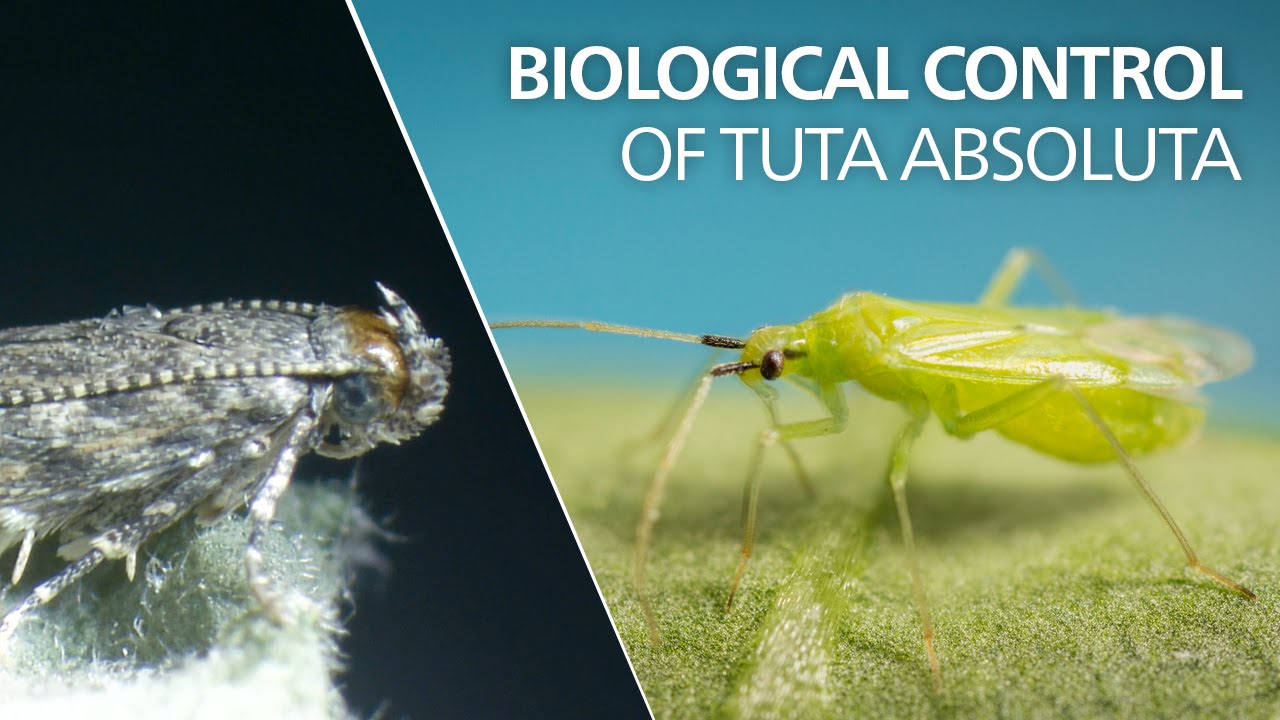
Tuta absoluta control: Why Nigerian tomato farmers need a better strategy
The first mistake many farmers make is treating pest control as a reaction rather than a management process.
A farmer notices damaged leaves, buys an insecticide, sprays the field and waits. When the damage continues, another product is purchased. Sometimes the farmer increases the dosage or sprays more frequently.
Unfortunately, this approach can create a cycle that becomes increasingly expensive.
Tuta absoluta, commonly called the tomato leafminer, is an invasive moth whose larvae damage tomato plants by feeding within plant tissues. The larvae can mine leaves, stems and fruits, making the pest difficult to control once it becomes established inside plant tissues. CABI describes the tomato leafminer as one of the most important biological constraints affecting tomato production in Africa.
The problem is made worse by the pest’s ability to reproduce rapidly under favourable conditions.
This means that Tuta absoluta control should begin before the farmer sees severe damage.
A good management programme asks:
- Where could the pest come from?
- How early can it be detected?
- How many plants are affected?
- Are eggs, larvae or adults present?
- Is the population increasing?
- What control method is appropriate at this stage?
- Can sanitation and trapping reduce the pressure?
- Is chemical intervention actually necessary?
- Are repeated applications creating resistance problems?
These questions are more useful than simply asking, “Which pesticide kills Tuta absoluta?”
Tuta absoluta control: What exactly is Tuta absoluta?
Tuta absoluta is a small moth belonging to the family Gelechiidae. Its common name, tomato leafminer, describes one of its most recognisable forms of damage.
The adult moth itself is small and can easily escape attention. The larvae, however, cause much of the economic damage.
According to CABI’s technical extension material, the pest has four main life stages:
- Egg
- Larva
- Pupa
- Adult moth
The eggs are generally laid on plant surfaces, including leaves and other suitable parts of the tomato plant. The larvae emerge and begin feeding, creating mines and galleries inside plant tissue.
This life cycle explains why farmers can become frustrated with conventional spraying.
When larvae are protected inside plant tissue, simply covering the outside of a leaf does not necessarily provide the same level of control that it might against an exposed insect.
The pest is also associated with plants in the nightshade family, including tomato and other related crops. This makes field hygiene and management of alternative hosts important components of a wider pest-control programme.
Tuta absoluta control: How to identify tomato leafminer damage early
Early identification can make a major difference.
A farmer who identifies the pest when its population is still relatively low has more options than a farmer who discovers it after large sections of the crop have been destroyed.
Look carefully at the tomato plants rather than simply walking through the field and looking at the general colour of the crop.
Tuta absoluta control: Check the leaves for mines
One of the classic signs is the appearance of irregular mines or galleries inside leaves.
The damage may initially look like:
- Pale or whitish winding marks
- Transparent patches
- Irregular tunnels
- Brown or dead areas
- Necrotic sections as damage progresses
If you examine affected leaves closely, you may sometimes find larvae inside the damaged tissue.
Do not confuse every leaf spot with Tuta absoluta. Tomato plants can also suffer from fungal diseases, nutrient deficiencies and other insect pests.
Correct identification is therefore essential.
Tuta absoluta control: Inspect growing points and shoots
The pest does not necessarily remain confined to older leaves.
Inspect:
- Young shoots
- Leaf stalks
- Growing points
- Flowers
- Young fruits
- Areas around the fruit calyx
Damage to young plant tissue can interfere with normal plant development and reduce the plant’s ability to produce healthy fruit.
Tuta absoluta control: Examine tomato fruits
Fruit damage is particularly worrying because it directly affects marketability.
Look for:
- Small holes
- Entry or exit points
- Darkened damaged areas
- Tunnels beneath the fruit surface
- Premature fruit dropping
- Secondary rotting around damaged areas
Nigeria’s National Farmers’ Helpline, operated through the National Agricultural Extension and Research Liaison Services, lists deformation, leaf damage, fruit abnormalities, exit holes and premature fruit dropping among signs associated with Tuta absoluta.
Do not wait for obvious fruit damage before beginning control.
By the time the fruits are heavily damaged, the pest population may already be well established.
Tuta absoluta control: 7 powerful secrets every tomato farmer should know
The most effective approach is not one magic product.
It is a combination of several complementary actions.
Think of the seven methods as pieces of the same defence system.
Tuta absoluta control secret 1: Start with regular monitoring
One of the most powerful but frequently neglected methods of pest management is simple observation.
You cannot manage a pest you do not monitor.
A farmer should establish a routine inspection schedule from the beginning of the tomato production cycle.
Tuta absoluta control: Create a weekly scouting routine
Walk through different sections of the farm rather than inspecting only the plants near the entrance.
Check:
- Leaves
- Growing points
- Flowers
- Young fruits
- Older fruits
- Plant edges
- Areas close to weeds
- Previously affected sections
Record what you see.
A simple notebook can be enough.
For example:
| Week | Area inspected | Plants showing symptoms | Main symptom | Action |
|---|---|---|---|---|
| Week 1 | Block A | 0 | None | Continue monitoring |
| Week 2 | Block A | 3 | Leaf mines | Intensify inspection |
| Week 3 | Block A | 8 | Leaf mines | Introduce control measures |
| Week 4 | Block A | 15 | Leaf and fruit damage | Integrated intervention |
The exact numbers will vary from farm to farm. The purpose of the record is to help the farmer understand whether the infestation is increasing, decreasing or remaining stable.
Tuta absoluta control: Why early detection matters
Early detection gives you more choices.
At low pest pressure, you may be able to combine:
- Sanitation
- Removal of severely infested material
- Pheromone trapping
- Biological measures
- Botanical products
- Improved field hygiene
- Targeted chemical intervention where justified
At high pest pressure, the options become more expensive and difficult.
This is why monitoring should not be viewed as extra work.
Monitoring is part of pest control.
Tuta absoluta control secret 2: Destroy the pest’s hiding places through sanitation
Good farm sanitation is one of the most underrated methods of Tuta absoluta control.
After harvest, some farmers leave damaged fruits, plant residues and volunteer tomato plants around the field.
That creates an opportunity for pests to survive and move into the next crop.
Tuta absoluta control: Remove infested plant material
Where appropriate, severely infested leaves, shoots and fruits should be removed and handled properly rather than simply dropped between crop rows.
The goal is to prevent damaged material from becoming a source of further infestation.
However, farmers should avoid careless movement of infested material from one part of the farm to another.
A bag containing heavily infested plant material should not be carried through a clean field and dumped beside another tomato plot.
Tuta absoluta control: Manage crop residues after harvest
Post-harvest management is particularly important.
When production ends:
- Remove remaining tomato plants.
- Remove heavily infested fruits.
- Clear unnecessary crop residues.
- Manage volunteer tomato plants.
- Control weeds that can provide alternative habitat.
- Avoid establishing the next tomato crop immediately beside a heavily infested abandoned crop where practical.
FAO material on tomato leafminer management has long highlighted crop rotation, removal of crop residues and good agricultural practices as components of integrated management.
Tuta absoluta control: Do not allow abandoned tomato farms to become pest reservoirs
An abandoned tomato field may look harmless after harvest.
It is not necessarily harmless.
If surviving tomato plants continue growing, they may provide food and shelter for pests that can later move into a new crop.
This is why pest management should be viewed at the community level.
One farmer can maintain a clean field while a neglected tomato plot nearby continues to support the pest population.
Tuta absoluta control secret 3: Use pheromone traps to detect and reduce adult moths
Pheromone traps are among the most useful tools for Tuta absoluta control, particularly because they can help farmers monitor adult male moth activity.
A pheromone is a chemical signal used by insects for communication. Synthetic versions can be placed in traps to attract specific insects.
For a farmer, the practical benefit is simple:
Instead of waiting for visible crop damage, you can use traps as an early-warning system.
Tuta absoluta control: How pheromone traps help
Pheromone traps can help with:
- Early detection
- Monitoring pest activity
- Estimating changes in pest pressure
- Supporting mass trapping strategies
- Timing other interventions
CABI’s extension guidance recommends pheromone or light trapping as part of integrated management and notes that trapping can begin before transplanting and continue during the cropping cycle.
Tuta absoluta control: Why trapping works better as part of a system
A common misunderstanding is that putting up a few traps automatically solves the problem.
It may not.
The effectiveness of trapping depends on:
- Trap type
- Trap placement
- Number of traps
- Timing
- Pest population
- Farm size
- Surrounding crops
- Whether neighbouring farms are also infested
For this reason, farmers should consider pheromone traps as one component of an integrated programme rather than a stand-alone miracle solution.
Tuta absoluta control secret 4: Make biological and botanical control part of the programme
One of the most important lessons from research into Tuta absoluta control is that farmers should not rely entirely on synthetic insecticides.
Integrated pest management increasingly combines chemical control with biological and other lower-risk approaches.
The global scientific literature identifies biological control and pheromone-based approaches among important successful management practices, while also highlighting growing concerns about insecticide resistance.
Tuta absoluta control: What is biological control?
Biological control involves using or conserving living organisms that naturally attack pests.
These may include:
- Predatory insects
- Parasitoids
- Beneficial microorganisms
- Other natural enemies
Some predatory insects feed on pest eggs or larvae.
Instead of trying to eliminate every insect in the field, the goal is to encourage a healthier balance in which beneficial organisms contribute to pest suppression.
Tuta absoluta control: Protect beneficial insects
This point deserves more attention.
Not every insect in a tomato field is an enemy.
Some insects can help farmers by feeding on pests or pollinating plants.
Repeated, broad-spectrum insecticide applications can affect these useful organisms as well as the target pest.
Therefore, indiscriminate spraying can sometimes weaken the biological component of your farm’s natural defence system.
Tuta absoluta control: Botanical options
Botanical products, including neem-based products, may form part of an integrated programme where appropriate and where the product is legally registered and correctly used.
Nigeria’s National Farmers’ Helpline lists natural enemies alongside pheromone traps, sanitation and chemical measures in its tomato pest-management guidance.
However, “natural” does not automatically mean “harmless.”
Farmers should still:
- Follow the product label.
- Observe application instructions.
- Protect themselves during application.
- Avoid contamination of water sources.
- Observe any stated pre-harvest interval.
- Use only properly registered products.
Tuta absoluta control secret 5: Use the right pesticide strategy instead of spraying blindly
This is where many tomato farmers lose money.
When a pest becomes serious, the natural reaction is to spray more frequently or increase the concentration.
That can be dangerous and may contribute to pesticide resistance.
Tuta absoluta control: There is no universal “best pesticide”
Searches for the “best pesticide for Tuta absoluta on tomatoes” often produce a simple answer.
Real farming is more complicated.
The appropriate product depends on:
- Pest pressure
- Crop stage
- Local registration
- Active ingredient
- Resistance history
- Product label
- Pre-harvest interval
- Application equipment
- Weather
- Target pest stage
- Whether the product is appropriate for the specific crop
A product that works well in one location may perform differently elsewhere.
Tuta absoluta control: Focus on active ingredients, not only brand names
Farmers sometimes remember a commercial product name but do not pay attention to its active ingredient.
That can encourage accidental repetition of the same mode of action.
A better habit is to record:
- Product name
- Active ingredient
- Date applied
- Crop stage
- Pest pressure
- Observed result
This makes it easier to identify repeated use of the same chemistry.
Tuta absoluta control: Understand insecticide resistance
Resistance occurs when a pest population becomes less susceptible to a pesticide that previously controlled it.
Repeatedly using the same mode of action can increase selection pressure.
Research on integrated management has identified insecticide resistance as an increasing concern in Tuta absoluta management.
That is why farmers should not interpret pesticide failure as an instruction to simply double the dose.
Instead, investigate:
- Was the pest correctly identified?
- Was the product appropriate?
- Was the application made correctly?
- Was coverage adequate?
- Was the pest already resistant?
- Was the product expired or improperly stored?
- Was the same mode of action used repeatedly?
- Was the infestation too advanced?
Tuta absoluta control: Rotate modes of action responsibly
Where chemical treatment is necessary, resistance-management principles are important.
Farmers should avoid repeatedly using products with the same mode of action.
The exact rotation should follow current local recommendations, product labels and professional agricultural advice.
Do not create a homemade pesticide programme based solely on internet recommendations.
Tuta absoluta control secret 6: Improve crop management before the pest arrives
A healthy crop does not become immune to Tuta absoluta.
However, good crop management can form an important part of an integrated pest-control programme.
Tuta absoluta control: Start with healthy planting material
Begin with quality seedlings and inspect planting materials before introducing them into the production field.
Do not knowingly bring infested seedlings into a clean field.
This sounds obvious, but early prevention can save considerable money later.
Tuta absoluta control: Manage weeds
Weeds compete with tomatoes for water, nutrients and light.
They can also complicate field scouting and may provide alternative habitat for pests.
Maintain good weed management around the production area.
Tuta absoluta control: Maintain appropriate spacing
Good spacing improves:
- Air movement
- Field visibility
- Access for scouting
- Spray coverage when treatment is required
- General crop management
Spacing recommendations should follow the tomato variety, production system and local agronomic guidance.
Tuta absoluta control: Manage irrigation and nutrition
Over-fertilisation is not a substitute for good farming.
Likewise, poor irrigation management can weaken production and reduce crop performance.
Integrated pest-management research has identified agronomic factors such as fertilisation and irrigation as areas that can contribute to overall management effectiveness.
The goal is not simply to make plants grow as large as possible.
The goal is to maintain a productive, well-managed crop.
Tuta absoluta control secret 7: Combine methods instead of depending on one solution
This is arguably the most important secret of all.
Integrated pest management is stronger than single-method pest management.
Imagine two farmers.
Farmer A waits until serious damage appears, then sprays the same insecticide repeatedly.
Farmer B:
- Starts with clean planting material.
- Monitors the crop regularly.
- Uses pheromone traps.
- Removes heavily infested material.
- Controls weeds.
- Manages crop residues.
- Protects beneficial organisms.
- Uses biological or botanical options where appropriate.
- Applies suitable insecticides only when justified.
- Records treatments.
- Adjusts the programme based on monitoring.
Which farmer is building a more sustainable pest-management system?
The second.
The evidence supports this broader approach. Reviews of Tuta absoluta management emphasize integrated programmes involving biological control, pheromone-based tools, agronomic practices and carefully managed insecticide use.

Tuta absoluta control: The best methods compared
The following table gives farmers a simple way to understand how the major approaches fit together.
| Tuta absoluta control method | Main purpose | Best use | Major advantage | Important limitation |
|---|---|---|---|---|
| Crop monitoring | Early detection | Throughout production | Helps identify rising pest pressure | Requires regular farm visits |
| Pheromone traps | Detection and trapping | Before and during cropping | Helps monitor adult activity | Not a complete solution alone |
| Farm sanitation | Reduce pest sources | Before, during and after production | Low-cost preventive measure | Requires discipline |
| Removal of infested material | Reduce local pest pressure | When damage is detected | Can prevent further spread | Labour intensive on large farms |
| Biological control | Suppress pests naturally | Integrated programmes | Can reduce reliance on chemicals | Requires knowledge and suitable conditions |
| Botanical control | Additional suppression | Early/moderate pressure | Can complement IPM | Effectiveness depends on product and timing |
| Selective insecticides | Reduce damaging pest populations | When justified by monitoring | Can provide rapid suppression | Resistance and residue risks |
| Crop rotation | Break pest cycles | Between production cycles | Supports long-term management | Limited by land and crop economics |
| Weed management | Reduce habitat and competition | Throughout production | Improves overall field hygiene | Requires continuous labour |
| Record keeping | Improve decisions | Every production cycle | Helps identify what works | Often neglected |
The key lesson is simple: no single row in the table should carry the entire burden of pest management.
Tuta absoluta control: How to build a practical Nigerian farm programme
A farmer does not necessarily need an expensive laboratory to begin improving pest management.
A simple farm programme can be organised around the production cycle.
Before planting
Before transplanting:
- Select quality planting materials.
- Inspect seedlings.
- Clean the production area.
- Remove volunteer tomato plants.
- Manage weeds.
- Remove old crop residues.
- Plan scouting.
- Obtain appropriate monitoring tools.
- Consider pheromone traps where suitable.
- Identify approved pest-control products before an emergency occurs.
Planning before the crop is attacked is cheaper than improvising after severe infestation.
During early crop growth
At the early stage:
- Inspect leaves regularly.
- Look for mines.
- Monitor traps.
- Record observations.
- Remove severely affected plant material where appropriate.
- Maintain field sanitation.
- Keep weeds under control.
- Protect beneficial organisms.
This is the stage where prevention can have a major economic advantage.
During flowering and fruit development
As the crop begins producing flowers and fruits, inspection should become even more important.
Check:
- New leaves
- Growing points
- Flowers
- Young fruits
- Mature fruits
- Areas with previous damage
Fruit damage can directly reduce the proportion of tomatoes that farmers can sell as high-quality produce.
After harvest
Do not treat harvest as the end of pest management.
Post-harvest actions should include:
- Removing crop residues.
- Managing damaged fruits.
- Eliminating volunteer plants.
- Controlling weeds.
- Cleaning equipment where practical.
- Reviewing pest records.
- Assessing which interventions worked.
- Planning the next crop cycle.
The end of one crop can be the beginning of the next pest problem.
Tuta absoluta control: Common mistakes that make infestations worse
Even farmers who understand the pest can make mistakes.
Here are some of the most common.
Tuta absoluta control mistake 1: Waiting until fruits are damaged
Visible fruit damage often means the pest has already established itself.
Better approach: monitor early.
Tuta absoluta control mistake 2: Spraying according to the calendar
Some farmers spray every few days simply because that is what they have always done.
This may increase production costs and selection pressure for resistance.
Better approach: base interventions on monitoring, product instructions and professional recommendations.
Tuta absoluta control mistake 3: Increasing the pesticide dose
More pesticide does not automatically mean better control.
Incorrect dosing can increase:
- Residue concerns
- Crop injury
- Costs
- Environmental risks
- Resistance pressure
Better approach: follow the label and obtain professional advice when control fails.
Tuta absoluta control mistake 4: Using the same product repeatedly
Repeated use of the same mode of action can encourage resistance.
Better approach: use resistance-management principles and rotate modes of action appropriately.
Tuta absoluta control mistake 5: Ignoring neighbouring farms
Pests do not respect farm boundaries.
If surrounding farms have severe infestations, one clean field may still face pressure from nearby sources.
Better approach: where practical, encourage coordinated community-level monitoring and sanitation.
Tuta absoluta control mistake 6: Confusing pests with diseases
Not every yellow or damaged tomato leaf is evidence of Tuta absoluta.
Better approach: identify the problem before choosing the treatment.
Tuta absoluta control: Is chemical spraying always necessary?
No.
This is an important distinction.
The purpose of pest management is not to eliminate every insect from a farm.
The objective is to keep pest populations below levels where they cause unacceptable economic damage.
Integrated pest management therefore considers:
- Pest population
- Crop stage
- Damage level
- Economic importance
- Available control options
- Environmental considerations
- Resistance risk
Research comparing calendar spraying with integrated approaches has found that IPM can reduce pesticide applications while maintaining productive outcomes in some production systems.
This does not mean pesticides should never be used.
It means they should be used strategically.
What is the best pesticide for Tuta absoluta on tomatoes?
There is no single pesticide that can honestly be labelled the universal “best pesticide for Tuta absoluta on tomatoes.”
Farmers should instead look for approved products with appropriate active ingredients and modes of action, selected according to current local recommendations and the crop’s growth stage.
Nigeria’s National Farmers’ Helpline currently lists products including deltamethrin, spinosad and indoxacarb among chemical options for Tuta absoluta management in its tomato guidance.
CABI’s technical extension manual also lists several insecticidal active ingredients used in specific management programmes, including spinetoram, chlorantraniliprole, flubendiamide, emamectin benzoate and abamectin. However, the presence of an active ingredient in a technical guide does not mean a farmer should automatically purchase and apply it. Product registration, formulation, label directions, resistance status, crop stage and local recommendations matter.
Before using any pesticide:
- Confirm that it is registered for the intended crop and pest.
- Read the product label.
- Follow the recommended dose.
- Wear appropriate protective equipment.
- Respect the pre-harvest interval.
- Avoid contamination of water sources.
- Keep pesticides away from children and food.
- Never mix products casually.
- Do not increase the dose because the first application appears unsuccessful.
- Seek advice from an agricultural extension professional when uncertain.
For commercial farmers, pesticide records should be treated as part of farm management rather than an optional exercise.
Tuta absoluta control: Why pesticide resistance is a serious warning for farmers
Imagine finding a pesticide that works extremely well today.
Now imagine using that same product repeatedly for every generation of the pest.
Eventually, the pest population may contain individuals that survive exposure. Those survivors reproduce.
Over time, the proportion of less-sensitive individuals can increase.
This is one reason pesticide resistance is such a serious issue in Tuta absoluta control.
The scientific literature repeatedly identifies insecticide resistance as a challenge associated with intensive chemical management of the pest. (FAO AGRIS)
For Nigerian farmers, the lesson is practical:
Do not build your entire tomato business around one pesticide.
Build a pest-management system.
That system should combine prevention, monitoring, sanitation, trapping, biological approaches and carefully selected chemical interventions.
Tuta absoluta control: How climate and farming conditions can influence pest pressure
Agriculture never happens in a laboratory.
Temperature, rainfall, humidity, irrigation, planting dates, crop density and surrounding vegetation can all influence pest development and crop vulnerability.
CABI technical material notes that the pest has a relatively rapid development cycle under favourable conditions, making regular monitoring particularly important.
This is another reason farmers should avoid copying a spray calendar from another farmer without considering their own conditions.
A production strategy that works on one farm may require adjustment on another.
Tuta absoluta control: How smallholder farmers can reduce costs
Pest control can become one of the largest variable costs in tomato production.
But spending more money does not automatically mean better management.
Farmers can potentially improve efficiency by concentrating resources on prevention and early detection.
Reduce unnecessary spraying
Instead of automatically spraying because a certain number of days has passed, monitor the crop and follow appropriate pest-management recommendations.
Keep records
Record:
- Date
- Product
- Active ingredient
- Quantity
- Area treated
- Pest level
- Weather conditions
- Result
After several seasons, these records can become extremely valuable.
They can reveal patterns that memory cannot.
Work with neighbouring farmers
Where several farmers produce tomatoes in the same area, coordinated sanitation and monitoring can be more effective than isolated efforts.
The pest moves.
Therefore, the management strategy should sometimes move beyond the individual farm.
Tuta absoluta control: Agribusiness opportunities hidden inside the pest problem
A serious agricultural problem can also create legitimate business opportunities.
The growing demand for tomato pest management can support several agribusiness opportunities and agricultural business ideas.
For entrepreneurs, the opportunity is not necessarily to sell farmers more chemicals.
It can involve providing services that help farmers manage pests more intelligently.
Pest scouting services
Entrepreneurs with appropriate training can provide crop-monitoring services.
A scouting service could help farmers:
- Inspect fields
- Identify symptoms
- Record pest levels
- Monitor traps
- Document crop conditions
- Alert farmers when intervention may be needed
Pheromone trap supply and monitoring
There is potential for businesses that supply legitimate monitoring tools and provide installation or monitoring services.
The value is greater when the farmer receives not just a trap but useful information about what the trap data means.
Farm sanitation services
Large vegetable farms may require labour for:
- Removal of crop residues
- Weed management
- Removal of damaged plant material
- Post-harvest field cleaning
Organised agricultural labour services can turn these recurring needs into a business.
Farmer education
There is also an opportunity for:
- Agricultural training
- Extension content
- WhatsApp farming communities
- Pest-identification courses
- Field demonstrations
- Farmer newsletters
- Digital crop-management platforms
The key is to provide accurate information rather than simply promoting products.
Crop advisory businesses
Agricultural consultants can help commercial growers develop integrated pest-management programmes based on:
- Farm size
- Production system
- Crop variety
- Pest history
- Monitoring data
- Available labour
- Input costs
- Market requirements
This connects pest management directly with agricultural business planning.
Tuta absoluta control: How technology can improve tomato pest management
Technology is becoming increasingly useful in agriculture.
A farmer does not necessarily need expensive artificial intelligence equipment to benefit from digital tools.
Even simple technology can improve decision-making.
Smartphone scouting
Farmers can photograph suspicious leaves and fruits and maintain a digital record.
Photos can help compare pest progression from one week to another.
Digital farm records
A spreadsheet or mobile application can record:
- Planting date
- Variety
- Pest observations
- Treatments
- Harvest quantity
- Input costs
- Sales
This can help the farmer calculate the actual economic impact of pest management.
Image-based diagnosis
Artificial intelligence and computer vision are increasingly being explored for agricultural diagnosis.
However, farmers should not blindly trust an app’s diagnosis.
An image-based tool can provide a useful clue, but serious crop problems should be confirmed through reliable agricultural expertise.
Data-driven decisions
Imagine a farmer who knows:
- When pest pressure usually begins
- Which field sections are most affected
- Which interventions produced results
- How much each intervention cost
- How much yield was protected
That farmer is making decisions with data rather than guesswork.
Tuta absoluta control: A simple seven-step emergency response plan
What should a farmer do after discovering Tuta absoluta in the field?
Do not panic.
Use a structured response.
Tuta absoluta control: Step 1 — Confirm the problem
Inspect the damaged plants carefully.
Do not immediately assume every symptom is Tuta absoluta.
Tuta absoluta control: Step 2 — Map the infestation
Identify where the affected plants are concentrated.
Are they:
- At field edges?
- In one section?
- Spread throughout the field?
- Near another tomato farm?
Mapping helps determine the scale of the problem.
Tuta absoluta control: Step 3 — Intensify monitoring
Increase the frequency of scouting.
Use appropriate traps where available.
Record observations.
Tuta absoluta control: Step 4 — Remove major pest sources
Where practical, remove severely infested plant parts and damaged fruits according to sound sanitation practices.
Tuta absoluta control: Step 5 — Strengthen non-chemical measures
Improve:
- Sanitation
- Weed control
- Trapping
- Field hygiene
- Protection of natural enemies
Tuta absoluta control: Step 6 — Consider appropriate treatment
If intervention is necessary, select an approved treatment based on the pest, crop stage and current recommendations.
Do not automatically increase the dosage.
Tuta absoluta control: Step 7 — Review the result
After treatment, monitor the crop.
Ask:
- Did pest pressure decline?
- Are new mines appearing?
- Is fruit damage continuing?
- Are beneficial insects present?
- Is another pest or disease involved?
A treatment should be evaluated rather than blindly repeated.
A practical checklist for Nigerian tomato farmers
Before the next tomato season, ask yourself:
Tuta absoluta control checklist
- Have I inspected my seedlings before planting?
- Did I remove old crop residues?
- Have I controlled volunteer tomato plants?
- Is my field free from unnecessary weeds?
- Do I have a monitoring schedule?
- Can I access appropriate pheromone traps?
- Do I know what Tuta absoluta damage looks like?
- Am I recording pest observations?
- Do I know the active ingredients in the pesticides I use?
- Am I repeatedly using the same mode of action?
- Do I know the pre-harvest interval of my products?
- Am I protecting beneficial insects?
- Do I have a plan for severe infestation?
- Am I communicating with neighbouring farmers?
- Do I have a post-harvest sanitation plan?
If several answers are “no,” there is room to strengthen your pest-management programme.

Tuta absoluta control: Frequently asked questions
What is Tuta absoluta?
Tuta absoluta is an invasive tomato leafminer moth whose larvae damage tomato leaves, stems and fruits. It is considered a major tomato production constraint in many African countries. (CABI.org)
What are the first signs of Tuta absoluta?
Early signs commonly include mines or galleries in leaves. As infestation develops, farmers may observe damaged shoots, fruit injury, holes, abnormal fruit development and premature fruit dropping. (Naerls)
Can pheromone traps control the pest?
Pheromone traps can help detect and suppress adult moth populations, but they should normally be considered part of a broader integrated management programme rather than a complete solution.
Is neem effective against Tuta absoluta?
Neem-based products can form part of some integrated pest-management programmes. However, effectiveness depends on the product, formulation, timing, pest stage and application conditions. Use only appropriate registered products and follow their labels.
What is the best pesticide for Tuta absoluta on tomatoes?
There is no universal best product for every Nigerian farm. Product selection should consider registration, active ingredient, pest pressure, crop stage, resistance management and label instructions.
Why does pesticide sometimes fail?
Possible reasons include incorrect pest identification, poor application, unsuitable timing, inadequate coverage, severe infestation, product quality problems or insecticide resistance.
Tuta absoluta control: Can Tuta absoluta destroy a tomato farm?
Severe infestations can cause substantial crop damage and economic losses, particularly when control is delayed. The impact depends on pest pressure, crop stage, production system and management.
Tuta absoluta control: Can farmers prevent the pest completely?
Complete prevention cannot always be guaranteed, particularly because the pest can move between production areas. The realistic objective is early detection, prevention of population buildup and integrated suppression.
Tuta absoluta control: Should farmers spray every week?
Not automatically. A fixed calendar may lead to unnecessary pesticide use. Monitoring and current agricultural recommendations should guide treatment decisions.
Tuta absoluta control: What Nigerian farmers should remember most
The biggest lesson is not about one pesticide.
It is about changing the way we think about pests.
A tomato farmer who waits for severe damage is always fighting from behind.
A farmer who monitors regularly has an advantage.
A farmer who maintains field sanitation has another advantage.
A farmer who uses pheromone traps, protects beneficial organisms and manages crop residues has more tools.
And a farmer who uses pesticides carefully instead of repeatedly spraying the same chemistry has a better chance of preserving those chemical options for when they are genuinely needed.
Nigeria’s 2026 government intervention against Tuta absoluta demonstrates how seriously the pest is being treated at national level. The intervention specifically included technical guidance on integrated pest management, reinforcing the idea that the solution requires more than a single control product. (FMINO)
For farmers who want detailed technical background, CABI’s material on the tomato leafminer provides useful information on identification, biology, monitoring and integrated management. (CABI)
For Nigerian-specific crop guidance, farmers can also consult the National Farmers’ Helpline and Agricultural Extension resources from NAERLS, which include tomato pest and disease-management recommendations. (Naerls)
Tuta absoluta control: The bigger opportunity for Nigerian agriculture
There is another way to look at this problem.
Tuta absoluta is undoubtedly a threat to tomato production, but the need to manage it also creates opportunities for innovation.
Nigeria needs more:
- Agricultural extension services
- Pest-monitoring businesses
- Digital farm-management tools
- Reliable crop-protection information
- Biological-control solutions
- Farmer training
- Affordable diagnostic services
- Community pest-management programmes
- Agribusiness advisory services
- Research into locally appropriate management strategies
This connects Tuta absoluta control with broader agribusiness opportunities and agricultural business ideas.
The future of crop protection will not necessarily belong to the farmer who sprays the most.
It may belong to the farmer who observes the most, understands the crop best, uses the right intervention at the right time and keeps accurate records.
That is a much more sustainable way to think about tomato farming.
Final thoughts
Tomato farming can be highly rewarding, but it is also unforgiving.
A farmer can invest months of labour and significant capital only to discover that a pest has quietly been damaging the crop underneath the leaves.
Tuta absoluta is particularly challenging because the damage can develop before the farmer fully appreciates the scale of the infestation.
But the situation is not hopeless.
The most powerful approach is an integrated one:
- Monitor the crop early.
- Identify the pest correctly.
- Maintain strict farm sanitation.
- Use pheromone traps and other monitoring tools.
- Encourage biological and lower-risk control options where appropriate.
- Use pesticides strategically and responsibly when necessary.
- Keep records and adjust the programme based on results.
The question should therefore not simply be:
“What pesticide kills Tuta absoluta?”
The better question is:
“How can I prevent Tuta absoluta from becoming an expensive problem on my farm in the first place?”
That shift in thinking can make the difference between constantly reacting to pest outbreaks and building a tomato production system that is prepared for them.
For Nigerian tomato farmers, Tuta absoluta control is not a one-day activity. It is a season-long management strategy.
And the earlier that strategy begins, the more options the farmer has.
Sources and further reading
For technical background on identification, biology and integrated management, see the CABI tomato leafminer management resource.
For Nigeria-specific agricultural pest guidance, consult the NAERLS National Farmers’ Helpline tomato pest-management guidance.
Note: Pesticide recommendations and registrations can change. Farmers should always follow the current Nigerian product label, applicable regulatory requirements and advice from qualified agricultural extension professionals before applying any pesticide.
About The Author