GPS Tracking and Precision Agriculture Technologies for Modern Farming
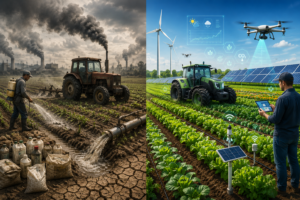
GPS Tracking and Precision Agriculture Technologies for Modern Farming are transforming agriculture faster than ever before, helping farmers make smarter decisions, reduce waste, and maximize productivity. For thousands of years, farming relied largely on experience, observation, and intuition. Farmers watched the sky for signs of rain, examined soil conditions manually, and estimated planting schedules based on seasonal patterns passed down through generations. While those traditional methods remain valuable, agriculture today faces unprecedented challenges, including climate change, rising production costs, labor shortages, and increasing global food demand. As a result, modern farmers are turning to Precision Farming, Smart Agriculture, IoT Agriculture, and GPS Farming technologies to improve efficiency, sustainability, and profitability in an increasingly competitive agricultural landscape.
In 2026, Precision Farming, Smart Agriculture, IoT Agriculture, and GPS Farming are no longer futuristic concepts. They are practical solutions being adopted by farms of all sizes around the world.
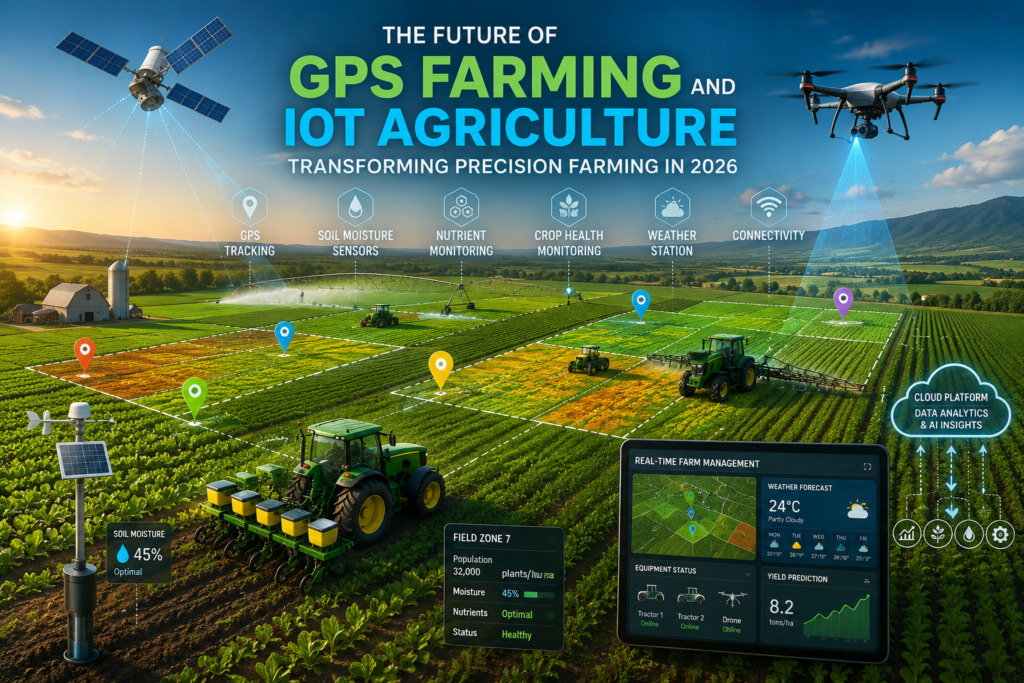
The integration of GPS tracking, Internet of Things (IoT) devices, artificial intelligence, cloud computing, satellite imaging, and advanced analytics is fundamentally changing the way farms operate.
Instead of making decisions based solely on observation, farmers can now:
- Monitor crops in real time
- Track equipment locations instantly
- Measure soil moisture remotely
- Detect disease outbreaks early
- Apply fertilizers precisely where needed
- Predict yields with remarkable accuracy
- Reduce water and chemical waste
This shift is creating a more efficient, productive, and environmentally responsible agricultural industry.
The most exciting part is that these technologies are becoming increasingly affordable and accessible.
Whether managing a small family farm or a large commercial operation, modern farmers now have access to tools that were once available only to major agricultural corporations.
In this comprehensive guide, we’ll explore how GPS Tracking and Precision Agriculture Technologies for Modern Farming are transforming agriculture and examine nine revolutionary tools driving sustainable growth in 2026 and beyond.

Understanding Precision Farming and Smart Agriculture
What Is Precision Farming?
Precision Farming is a modern agricultural management approach that uses technology to monitor, measure, and respond to variability in crops, soil, and environmental conditions.
Rather than treating an entire field the same way, Precision Farming allows farmers to manage specific areas individually.
Imagine a 100-acre field.
Traditionally, fertilizer might be applied uniformly across all 100 acres. However, not every section of that field has identical soil conditions.
Some areas may need more nutrients.
Others may need less.
Precision Farming identifies these differences and enables targeted application, saving money while improving crop performance.
Key characteristics of Precision Farming include:
- Data-driven decision making
- Site-specific crop management
- Resource optimization
- Reduced waste
- Improved productivity
- Environmental sustainability
The result is higher efficiency and better profitability.
What Is Smart Agriculture?
Smart Agriculture takes Precision Farming a step further by integrating connected technologies and automation into farming operations.
Smart Agriculture combines:
- GPS systems
- IoT sensors
- Artificial intelligence
- Drones
- Robotics
- Satellite imagery
- Cloud computing
These technologies communicate with each other to create a connected farming ecosystem.
Instead of reacting to problems after they occur, farmers can identify issues early and take proactive action.
For example:
A soil moisture sensor detects declining moisture levels.
The system automatically notifies the farmer.
An automated irrigation system activates.
Water is delivered only where needed.
No manual inspection required.
This level of automation is transforming farm management.
Precision Farming vs Traditional Farming
| Feature | Traditional Farming | Precision Farming |
|---|---|---|
| Decision Making | Experience-Based | Data-Driven |
| Fertilizer Application | Uniform | Site-Specific |
| Water Management | Manual | Automated |
| Equipment Tracking | Limited | Real-Time GPS |
| Crop Monitoring | Visual Inspection | Continuous Monitoring |
| Resource Efficiency | Moderate | High |
| Environmental Impact | Higher | Lower |
| Yield Optimization | Generalized | Targeted |
The advantages of Precision Farming become increasingly significant as farms scale operations.
How GPS and IoT Are Transforming Precision Farming in 2026
The Rise of GPS Farming
GPS Farming represents one of the most impactful innovations in modern agriculture.
Global Positioning System (GPS) technology enables farmers to know the exact location of equipment, livestock, field boundaries, and operational activities.
Modern GPS systems can achieve accuracy within a few centimeters.
This level of precision allows:
- Accurate planting
- Optimized harvesting
- Reduced overlap during spraying
- Better field mapping
- Improved machinery efficiency
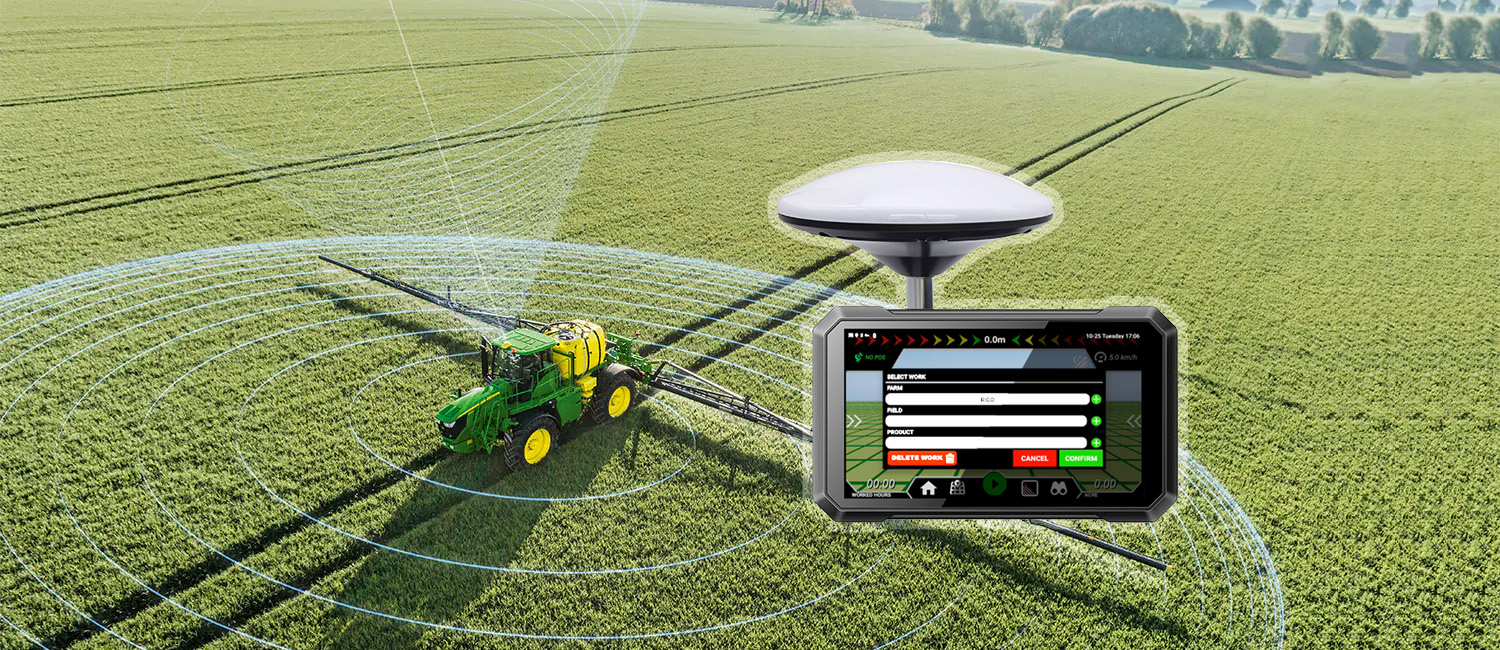
GPS-guided tractors can automatically steer through fields with remarkable accuracy.
As a result:
- Fuel consumption decreases
- Labor costs decline
- Input waste is minimized
- Productivity improves
What once required intense concentration from operators can now be handled automatically by advanced navigation systems.
The Expanding Role of IoT Agriculture
The Internet of Things (IoT) refers to connected devices that collect and exchange data over the internet.
In agriculture, IoT devices act like a network of digital eyes and ears spread across the farm.
Examples include:
- Soil moisture sensors
- Temperature monitors
- Livestock tracking collars
- Water quality sensors
- Weather stations
- Crop health sensors
These devices continuously gather information and send it to cloud-based platforms.
Farmers can then monitor conditions from smartphones, tablets, or computers.
Instead of waiting for problems to become visible, they can respond immediately.
This proactive approach reduces losses and improves efficiency.
Why GPS and IoT Work Better Together
GPS and IoT technologies become even more powerful when integrated.
GPS answers:
“Where is something happening?”
IoT answers:
“What is happening?”
Together they provide a complete operational picture.
For example:
A soil sensor detects low moisture levels.
GPS pinpoints the exact location.
The irrigation system targets only that area.
Water usage decreases.
Crop health improves.
Costs fall.
This combination represents one of the strongest examples of how GPS and IoT are transforming Precision Farming in 2026.
Why Real-Time Data Improves Crop Yield and Farm Productivity
Data Is Becoming Agriculture’s Most Valuable Asset
Modern farms generate enormous amounts of information every day.
This includes:
- Weather data
- Soil conditions
- Crop health metrics
- Equipment performance
- Irrigation statistics
- Pest activity reports
- Livestock health information
The challenge is no longer collecting data.
The challenge is using it effectively.
Farmers who leverage real-time insights gain a significant competitive advantage.
They can make decisions based on actual field conditions rather than assumptions.
Faster Decisions Mean Better Outcomes
Agriculture is highly time-sensitive.
A delay of even a few days can impact:
Real-time monitoring allows immediate responses.
Benefits include:
- Earlier disease detection
- Improved irrigation timing
- Faster equipment maintenance
- Better nutrient management
- Reduced crop stress
Small improvements across multiple areas often combine to create substantial gains in productivity.Real-World Impact of Real-Time Farm Monitoring
When farmers receive instant insights:
- Water waste decreases
- Chemical use declines
- Input costs fall
- Yield consistency improves
- Sustainability goals become easier to achieve
This is one of the primary reasons Smart Agriculture and IoT Agriculture adoption continues to accelerate globally.
Farms are becoming more predictive, more efficient, and more resilient than ever before.
The ability to understand exactly what is happening in the field—at the moment it is happening—is transforming agriculture from a reactive industry into a proactive one.

The 9 Revolutionary Tools Driving Sustainable Growth in Precision Farming
The future of agriculture is not being shaped by a single breakthrough technology. Instead, it is the combination of multiple innovations working together that is redefining what modern farming can achieve.
From GPS-guided tractors that navigate fields with incredible precision to smart sensors that monitor soil conditions 24/7, these tools are helping farmers produce more food while using fewer resources.
Let’s explore the nine technologies leading this agricultural transformation.
1. GPS-Guided Tractors and Autonomous Farm Machinery
How GPS Farming Is Improving Field Operations
Among all Precision Farming technologies, GPS-guided tractors remain one of the most impactful innovations.
Modern GPS Farming systems use highly accurate positioning technology to guide machinery through fields with minimal human intervention.
Rather than relying solely on operator judgment, tractors follow predetermined routes with centimeter-level accuracy.
This provides several benefits:
- Reduced overlap during planting
- More accurate fertilizer application
- Better seed placement
- Reduced fuel consumption
- Lower labor requirements
- Improved field efficiency
For large farms, even small reductions in overlap can translate into substantial annual savings.
The Rise of Autonomous Machinery
Agricultural machinery is becoming increasingly autonomous.
Many modern tractors can:
- Steer automatically
- Follow predefined routes
- Adjust operating speeds
- Optimize field coverage
- Generate performance reports
Some advanced systems can even operate semi-autonomously under supervision.
As labor shortages continue to affect agriculture globally, autonomous equipment is expected to play an increasingly important role through 2027 and beyond.
2. Smart Irrigation Systems
Why Water Management Matters More Than Ever
Water is one of agriculture’s most valuable resources.
Unfortunately, traditional irrigation methods often lead to:
- Overwatering
- Water waste
- Soil erosion
- Increased energy costs
- Nutrient runoff
Smart irrigation systems are solving these challenges.
Using IoT Agriculture sensors and GPS mapping, these systems deliver water precisely where and when it is needed.
How Smart Agriculture Improves Irrigation Efficiency
Smart irrigation platforms collect data from:
- Soil moisture sensors
- Weather stations
- Rainfall forecasts
- Temperature monitors
- Crop growth indicators
The system then determines:
- When irrigation is necessary
- How much water should be applied
- Which field zones require attention
Benefits include:
- Reduced water consumption
- Lower operating costs
- Healthier crops
- Better yield consistency
- Improved sustainability
For regions experiencing drought conditions, these systems can be transformative.
3. Agricultural Drones and Aerial Monitoring
The New Eyes in the Sky
Agricultural drones have evolved far beyond simple aerial photography.
Today’s drones provide farmers with detailed insights into crop performance that would be impossible to gather manually across large fields.
Equipped with advanced cameras and sensors, drones can identify:
- Crop stress
- Nutrient deficiencies
- Weed infestations
- Pest outbreaks
- Irrigation issues
- Disease symptoms
Often before they become visible to the naked eye.
Why Drones Are Essential for Precision Farming
Instead of spending hours inspecting fields manually, farmers can survey hundreds of acres within minutes.
This leads to:
- Faster decision-making
- Earlier intervention
- Reduced crop losses
- Improved productivity
Drone technology has become one of the most practical tools in modern Smart Agriculture strategies.
4. Variable Rate Technology (VRT)
Applying Resources Only Where They Are Needed
Traditional farming often treats entire fields uniformly.
However, fields rarely have uniform conditions.
Some areas require:
- More fertilizer
- Less water
- Different seeding rates
- Additional nutrient support
Variable Rate Technology addresses these differences.
How GPS Tracking and Precision Agriculture Technologies for Modern Farming Use VRT
VRT combines:
- GPS mapping
- Soil analysis
- Yield data
- Sensor readings
to create customized application plans.
Equipment then automatically adjusts application rates while moving through the field.
This allows farmers to:
- Reduce waste
- Lower costs
- Improve crop performance
- Protect the environment
The result is a more efficient and sustainable farming operation.
5. Satellite Imaging and Remote Sensing
Monitoring Entire Farms from Space
Satellite technology has become an important component of Precision Farming.
Modern satellites can capture detailed images that reveal valuable information about crop conditions.
Farmers can monitor:
- Vegetation health
- Moisture levels
- Growth patterns
- Disease risks
- Stress indicators
without physically visiting every field.
Advantages of Satellite-Based Farm Monitoring
Satellite imagery offers several unique benefits:
- Large-scale coverage
- Frequent updates
- Historical comparisons
- Early problem detection
- Long-term planning support
Combined with GPS Farming systems, satellite data helps create highly detailed farm management strategies.
6. AI-Powered Farm Analytics Platforms
Turning Data Into Actionable Insights
Modern farms generate massive amounts of data.
Without analysis, that data has limited value.
Artificial intelligence helps transform raw information into practical recommendations.
AI systems analyze:
- Weather forecasts
- Soil conditions
- Historical yields
- Pest trends
- Market conditions
- Equipment performance
to help farmers make smarter decisions.
How Real-Time Data Improves Crop Yield and Farm Productivity
AI analytics platforms can identify patterns humans might miss.
For example:
- Predicting disease outbreaks
- Optimizing planting schedules
- Forecasting irrigation needs
- Estimating harvest dates
- Improving fertilizer management
The result is greater efficiency and higher productivity.
This demonstrates exactly how real-time data improves crop yield and farm productivity across modern farming operations.
7. Livestock GPS Tracking Systems
Precision Farming Beyond Crops
Smart Agriculture isn’t limited to crop production.
Livestock operations are also benefiting from advanced technology.
GPS-enabled livestock tracking systems allow farmers to monitor:
- Animal location
- Movement patterns
- Grazing behavior
- Health indicators
- Activity levels
in real time.
Benefits of GPS Livestock Monitoring
Advantages include:
- Reduced livestock losses
- Faster health interventions
- Improved pasture management
- Enhanced security
- Better breeding management
Large ranches especially benefit from the ability to locate animals quickly and efficiently.
8. Cloud-Based Farm Management Platforms
Bringing Everything Together
One challenge facing modern farmers is managing multiple technologies simultaneously.
Cloud-based farm management platforms solve this problem.
These systems consolidate data from:
- GPS equipment
- IoT sensors
- Drones
- Weather stations
- Satellite imagery
- Machinery reports
into a single dashboard.
Why Cloud Platforms Matter
Farmers gain access to:
- Real-time operational insights
- Historical performance data
- Automated reporting
- Mobile accessibility
- Collaborative management tools
This centralized approach simplifies decision-making and improves overall farm efficiency.
9. Smart IoT Sensors for Agriculture
The Foundation of IoT Agriculture
No discussion about Smart Agriculture would be complete without examining IoT sensors.
These devices continuously monitor field conditions and provide critical operational data.
They form the backbone of many modern Precision Farming systems
Best IoT Sensors for Smart Agriculture and Farm Monitoring
Several sensor categories are becoming essential for modern farms.
Soil Moisture Sensors
Monitor water levels within the soil.
Benefits:
- Prevent overwatering
- Improve irrigation timing
- Conserve water
- Promote healthier crops
Soil Nutrient Sensors
Measure nutrient availability.
Benefits:
- Better fertilizer planning
- Reduced waste
- Improved crop growth
Weather Monitoring Sensors
Track environmental conditions.
Monitor:
- Temperature
- Humidity
- Wind speed
- Rainfall
Benefits:
- Improved planning
- Reduced weather-related risks
Crop Health Sensors
Assess plant performance in real time.
Benefits:
- Early stress detection
- Improved disease management
- Better yield outcomes
Water Quality Sensors
Monitor irrigation water conditions.
Benefits:
- Prevent contamination issues
- Protect crop health
- Improve water efficiency
Comparison Table: The 9 Revolutionary Precision Farming Technologies
| Technology | Primary Purpose | Key Benefit | Sustainability Impact |
|---|---|---|---|
| GPS-Guided Tractors | Automated Navigation | Reduced Overlap | Lower Fuel Usage |
| Smart Irrigation Systems | Water Management | Reduced Waste | Water Conservation |
| Agricultural Drones | Crop Monitoring | Early Detection | Reduced Chemical Use |
| Variable Rate Technology | Resource Application | Cost Savings | Less Input Waste |
| Satellite Imaging | Remote Monitoring | Better Visibility | Improved Planning |
| AI Analytics Platforms | Decision Support | Higher Productivity | Resource Optimization |
| Livestock GPS Tracking | Animal Monitoring | Better Management | Efficient Grazing |
| Cloud Farm Platforms | Data Integration | Operational Efficiency | Reduced Resource Waste |
| IoT Sensors | Real-Time Monitoring | Better Insights | Sustainable Resource Use |
For readers interested in learning more about Smart Agriculture technologies and sustainable farming innovations, these authoritative resources provide valuable information:
- Food and Agriculture Organization (FAO): https://www.fao.org
- United States Department of Agriculture (USDA): https://www.usda.gov
These organizations regularly publish research, case studies, and industry insights related to Precision Farming, Smart Agriculture, and sustainable food production.
Conclusion: The Future of Agriculture Is Connected
The agricultural industry is experiencing one of the most significant transformations in its history.
Precision Farming, Smart Agriculture, IoT Agriculture, and GPS Farming are changing the way farmers manage crops, livestock, equipment, and natural resources.
The nine revolutionary tools explored in this guide demonstrate how technology is helping agriculture become more efficient, productive, and sustainable.
From GPS-guided machinery and smart irrigation systems to AI-powered analytics and real-time monitoring sensors, farmers now have access to unprecedented levels of insight and control.
The future belongs to farms that can make smarter decisions faster.
As technology continues to evolve through 2027 and beyond, the integration of GPS Tracking and Precision Agriculture Technologies for Modern Farming will become increasingly essential for achieving sustainable growth.
The farms that embrace these innovations today will be better positioned to feed tomorrow’s world while protecting the resources that make agriculture possible.
About The Author