Fruits Benefits
There is a reason nearly every nutrition expert, doctor, and health organization encourages people to eat more fruit. From childhood, many of us hear the familiar advice to “eat your fruits and vegetables,” but few truly understand just how transformative this simple habit can be. In an age where processed foods dominate supermarket shelves and convenience often replaces nutrition, fruit remains one of nature’s most complete packages of vitamins, minerals, fiber, antioxidants, and hydration.
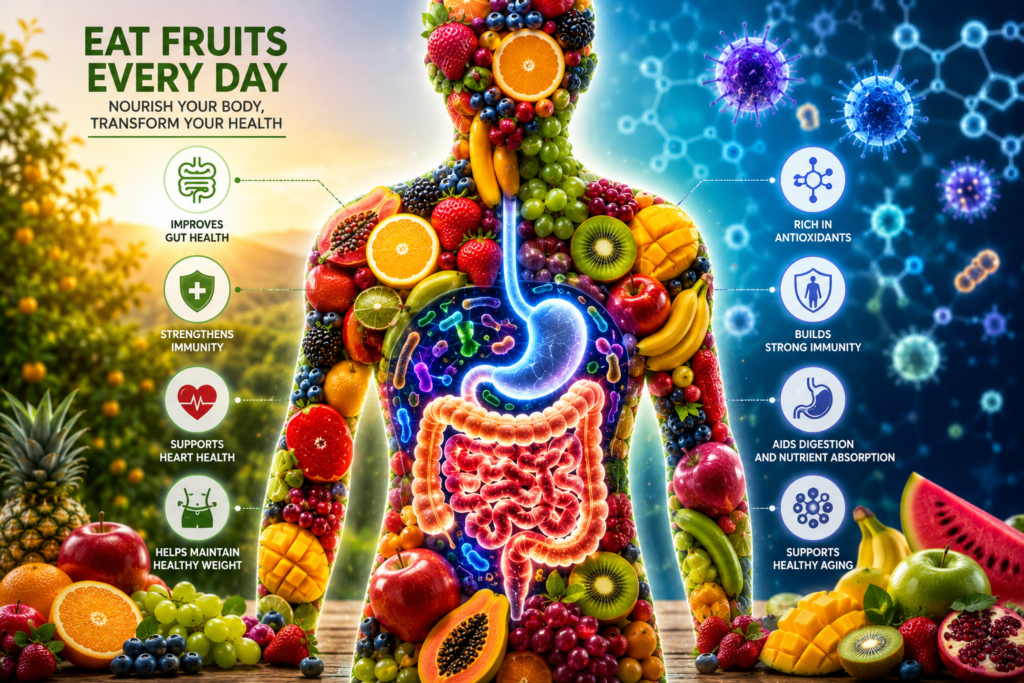
The conversation surrounding fruits benefits has evolved dramatically over the last decade. Rather than viewing fruit as merely a source of vitamins, researchers now recognize it as an essential contributor to digestive wellness, immune resilience, heart health, healthy aging, cognitive function, and even mental well-being. New studies continue to reveal how eating a variety of healthy fruits every day can positively influence the trillions of microorganisms living inside our digestive system—collectively known as the gut microbiome. Since this microbial community plays a crucial role in immunity, metabolism, and inflammation, improving gut health has become one of the biggest nutrition priorities in recent years.
Another reason fruit is attracting increasing attention is its remarkable ability to support strong immunity naturally. Unlike supplements that often isolate a single nutrient, fruits deliver a combination of vitamin C, vitamin A, folate, potassium, polyphenols, flavonoids, and dietary fiber that work together. This natural synergy helps your body defend itself more effectively while promoting overall wellness.
Perhaps the most exciting aspect of fruit consumption is that it doesn’t require a complicated diet plan or expensive superfoods. Whether you enjoy apples, oranges, bananas, berries, mangoes, pineapples, papayas, grapes, or pears, every serving contributes valuable nutrients that help your body function at its best. Small daily choices—like replacing sugary snacks with fresh fruit or adding berries to breakfast—can accumulate into meaningful long-term health improvements.
Understanding the health benefits of eating fruits every day is particularly important in today’s fast-paced lifestyle. Chronic diseases such as obesity, diabetes, cardiovascular disease, and digestive disorders continue to rise worldwide. While no single food can prevent every illness, diets rich in fruit consistently show associations with lower disease risk and improved quality of life.
One of the reasons fruit stands out is its versatility. Fruits can be enjoyed fresh, frozen, blended into smoothies, mixed into salads, paired with yogurt, or eaten as convenient snacks throughout the day. Unlike many processed snacks that contain excessive sugar, sodium, and unhealthy fats, whole fruits offer natural sweetness together with fiber that slows sugar absorption and promotes longer-lasting satiety.
The question is no longer whether fruit is healthy—it is why you should eat fruits every day for better health and how to make this habit sustainable.
Throughout this guide, you’ll discover evidence-based insights into why fruit deserves a permanent place on your plate. We’ll examine how fruits influence digestion, why they strengthen immune defenses, which varieties are especially beneficial for the gut, and practical ways to include more fruit in your daily routine without overcomplicating your lifestyle.
By the end, you’ll understand that eating fruit isn’t simply about checking a nutritional box. It’s about giving your body the natural tools it needs to thrive every single day.

Comparison Table: Whole Fruits vs Processed Fruit Snacks
| Feature | Whole Fruits | Processed Fruit Snacks |
|---|---|---|
| Fiber Content | High | Usually Low |
| Added Sugar | None | Often High |
| Vitamin Content | Naturally Rich | Frequently Reduced During Processing |
| Antioxidants | High | Lower |
| Hydration | Excellent | Minimal |
| Supports Gut Health | Yes | Limited |
| Supports Strong Immunity | Excellent | Less Effective |
| Satiety | High | Low |
| Calories | Nutrient Dense | Often Energy Dense |
| Best for Daily Consumption | ✔ Yes | Occasionally |
Fruits Benefits: Why You Should Eat Fruits Every Day for Better Health
The remarkable fruits benefits extend far beyond simply supplying vitamin C. Every fruit contains hundreds of naturally occurring compounds that interact with one another in ways scientists are still discovering. These compounds include antioxidants, phytochemicals, soluble fiber, insoluble fiber, enzymes, minerals, and plant pigments that collectively promote health.
One of the most overlooked reasons to eat fruit daily is its impact on inflammation. Chronic inflammation has been associated with numerous health conditions, including heart disease, obesity, arthritis, and type 2 diabetes. Fruits such as berries, cherries, grapes, oranges, and citrus varieties contain polyphenols that help combat oxidative stress and reduce inflammatory processes.
Another significant advantage is digestive support. Fiber found in apples, pears, bananas, berries, and kiwi nourishes beneficial gut bacteria. These microorganisms produce short-chain fatty acids, compounds that help maintain the intestinal lining and support immune regulation. A healthier digestive system often translates into better nutrient absorption, improved regularity, and greater overall well-being.
Daily fruit consumption also contributes to hydration. Many fruits—including watermelon, oranges, strawberries, pineapple, and peaches—contain over 80 percent water, helping maintain healthy fluid balance while supplying essential electrolytes.
Eating a variety of fruits every day supports overall health and helps reduce the risk of chronic diseases, according to the World Health Organization (WHO). https://www.who.int/news-room/fact-sheets/detail/healthy-diet
The health benefits of eating fruits every day become even more apparent over time. Consistent fruit intake has been associated with:
- Improved digestion
- Better bowel regularity
- Healthier cholesterol levels
- Reduced blood pressure
- Better weight management
- Improved skin appearance
- Enhanced brain function
- Lower oxidative stress
- Stronger immune defenses
- Better heart health
These outcomes are not achieved overnight. Instead, they result from the cumulative effect of making fruit a consistent part of a balanced diet.
Importantly, eating a variety of fruits provides a broader spectrum of nutrients than relying on just one type. Different colors often indicate different beneficial compounds:
- Red fruits provide lycopene and anthocyanins.
- Orange and yellow fruits supply beta-carotene and vitamin C.
- Purple fruits contain powerful antioxidants.
- Green fruits contribute vitamin K, folate, and chlorophyll.
- Blue fruits are particularly rich in brain-supporting anthocyanins.
By eating a colorful assortment of fruits, you naturally diversify the nutrients your body receives.
5 Powerful Reasons You’ll Feel Healthier by Eating Healthy Fruits
1. Healthy Fruits Improve Gut Health by Feeding Good Bacteria
Among all the fruits benefits, supporting gut health is perhaps the most fascinating.
Inside your digestive tract live trillions of bacteria that influence digestion, metabolism, immunity, hormone regulation, and even mood. This ecosystem, known as the gut microbiome, depends heavily on dietary fiber and plant compounds for nourishment.
Many of the best fruits for gut health and digestion contain prebiotic fibers. Unlike probiotics, which are live beneficial bacteria, prebiotics are the foods these bacteria consume. When beneficial microbes thrive, they help crowd out harmful organisms while strengthening the intestinal barrier.
Excellent gut-friendly fruits include:
- Apples
- Bananas
- Pears
- Kiwi
- Blueberries
- Raspberries
- Oranges
- Papaya
These fruits contain soluble fiber, pectin, resistant starch, and polyphenols that encourage microbial diversity.
A healthier gut often leads to noticeable improvements such as:
- Easier digestion
- Less bloating
- Better bowel movements
- Improved nutrient absorption
- Reduced digestive discomfort
- Enhanced energy levels
Researchers increasingly recognize that many aspects of health begin in the digestive system. When your gut functions efficiently, nearly every other body system benefits.
2. Healthy Fruits Naturally Build Strong Immunity
Another remarkable aspect of the health benefits of eating fruits every day is their ability to strengthen the body’s immune defenses naturally.
Your immune system works continuously to identify and eliminate harmful bacteria, viruses, fungi, and toxins. To function efficiently, it depends on a steady supply of vitamins, minerals, antioxidants, and phytonutrients—all of which are abundant in whole fruits.
Vitamin C is perhaps the best-known immune-supporting nutrient, but it is far from the only one. Fruits also provide vitamin A, folate, potassium, copper, and numerous antioxidant compounds that protect immune cells from oxidative damage.
Some of the best fruits for immune support include:
- Oranges
- Grapefruit
- Kiwi
- Guava
- Strawberries
- Mangoes
- Papaya
- Pineapple
These fruits help reduce oxidative stress while supporting the production and function of white blood cells—the body’s primary defense against infection.
Beyond nutrients, the connection between gut health and strong immunity is impossible to ignore. Approximately 70% of the immune system is associated with the gut, meaning that nourishing beneficial gut bacteria through fruit consumption indirectly strengthens immune function as well.
As a result, regularly eating healthy fruits contributes to a more resilient body that is better prepared to respond to everyday health challenges.
Nutrition experts recommend making fruits a regular part of your meals because they provide essential nutrients that promote lifelong health. (Academy of Nutrition and Dietetics)
https://www.eatright.org/
3. Health Benefits of Eating Fruits Every Day: Healthy Fruits Help You Maintain a Healthy Weight Naturally
When people think about weight management, fruit is sometimes misunderstood. Some believe fruits contain “too much sugar,” while others avoid them entirely in favor of processed “diet” snacks. However, decades of nutrition research paint a very different picture. Whole fruits are among the best foods you can eat if your goal is to achieve or maintain a healthy weight.
One of the greatest health benefits of eating fruits every day is that they naturally help control hunger without making you feel deprived. Unlike processed foods that are often high in refined sugars and unhealthy fats, fruits provide a satisfying combination of fiber, water, and essential nutrients.
Why Healthy Fruits Help with Weight Management
The fiber in fruit slows digestion, helping you feel full for longer. This means you’re less likely to overeat or reach for unhealthy snacks between meals.
Additionally, most fruits have a relatively low energy density. In simple terms, they provide fewer calories for a larger volume of food, allowing you to eat satisfying portions without consuming excessive calories.
For example:
- A medium apple contains about 95 calories but is packed with fiber and water.
- A cup of strawberries contains around 50 calories while providing significant amounts of vitamin C.
- Watermelon is over 90% water, making it refreshing, filling, and naturally low in calories.
Replacing processed snacks like cookies, candy bars, or potato chips with fresh fruit can significantly reduce your daily calorie intake while improving the nutritional quality of your diet.
Healthy Fruits That Support Weight Control
Some of the best options include:
- Apples
- Pears
- Grapefruit
- Berries
- Oranges
- Kiwi
- Peaches
- Plums
These fruits are naturally filling and rich in nutrients your body needs every day.
Practical Tips
If you’re trying to eat healthier, consider these simple swaps:
| Instead of… | Choose… |
|---|---|
| Chocolate bar | Apple slices with peanut butter |
| Potato chips | Fresh grapes |
| Sugary dessert | Mixed berries with Greek yogurt |
| Soft drink | Fresh fruit-infused water |
Small daily substitutions like these often lead to meaningful long-term improvements.
4. Health Benefits of Eating Fruits Every Day: Healthy Fruits Protect Your Heart
Heart disease remains one of the leading health concerns worldwide, making cardiovascular wellness more important than ever. Fortunately, one of the easiest ways to support your heart is by increasing your daily fruit intake.
Among the many fruits benefits, protecting heart health is one of the most consistently supported by scientific research.
How Fruits Help the Heart
Healthy fruits contribute to cardiovascular wellness through several mechanisms:
- Lower blood pressure
- Improved cholesterol balance
- Reduced inflammation
- Better blood vessel function
- Reduced oxidative stress
- Improved circulation
Many fruits are naturally rich in potassium, a mineral that helps regulate blood pressure by balancing sodium levels in the body.
Others contain flavonoids and anthocyanins—powerful plant compounds that support healthy blood vessels and reduce inflammation.
Best Heart-Friendly Fruits
If your goal is long-term heart health, include these regularly:
- Blueberries
- Strawberries
- Apples
- Citrus fruits
- Avocados
- Pomegranates
- Grapes
- Bananas
Each offers a unique nutritional profile that supports different aspects of cardiovascular function.
Why Variety Matters
Rather than eating the same fruit every day, nutrition experts recommend consuming a colorful assortment.
Different colors often indicate different antioxidants:
- Red fruits support circulation.
- Purple fruits provide powerful polyphenols.
- Orange fruits are rich in vitamin C.
- Green fruits contain folate and potassium.
The broader your variety, the broader your nutritional protection.
5. Health Benefits of Eating Fruits Every Day: Healthy Fruits Promote Healthy Aging
Everyone wants to stay energetic, mentally sharp, and physically active as they grow older. While aging is inevitable, the rate at which our bodies age is influenced by daily lifestyle choices—including what we eat.
One of the lesser-known fruits benefits is their role in healthy aging.
Fighting Oxidative Stress
Every day, our bodies produce unstable molecules called free radicals.
These molecules are a normal part of metabolism, but when they accumulate, they can damage cells through a process called oxidative stress.
Oxidative stress has been linked to:
- Premature aging
- Heart disease
- Diabetes
- Alzheimer’s disease
- Certain cancers
- Arthritis
Fortunately, fruits are naturally rich in antioxidants that help neutralize these harmful compounds.
Antioxidant-Rich Healthy Fruits
Some of the most antioxidant-rich fruits include:
- Blueberries
- Blackberries
- Strawberries
- Cherries
- Grapes
- Pomegranates
- Oranges
- Kiwi
These fruits contain:
- Vitamin C
- Vitamin E
- Anthocyanins
- Flavonoids
- Polyphenols
- Carotenoids
Together, these nutrients help protect cells throughout the body.
Benefits You May Notice
Consistent fruit consumption may contribute to:
- Healthier-looking skin
- Improved energy
- Better concentration
- Stronger immune function
- Better eye health
- Improved heart health
- Reduced inflammation
Healthy aging isn’t about looking younger—it’s about maintaining vitality, independence, and quality of life for as long as possible.

Best Fruits for Gut Health and Digestion
If you’ve been wondering which fruits deserve a permanent place on your grocery list, this section will help you make informed choices.
While nearly all fruits provide nutritional value, some stand out because of their exceptional benefits for gut health and digestion.
Top Fruits for a Healthy Gut
1. Apples
Apples are rich in pectin, a soluble fiber that feeds beneficial gut bacteria.
Benefits include:
- Improved digestion
- Better bowel regularity
- Increased beneficial bacteria
- Reduced constipation
2. Bananas
Bananas contain resistant starch, particularly when slightly green.
This special carbohydrate nourishes beneficial bacteria while promoting digestive comfort.
Benefits include:
- Better gut microbiome balance
- Reduced digestive discomfort
- Natural energy
- Potassium for hydration
3. Kiwi
Kiwi has gained attention for supporting digestive function.
Research suggests kiwi may:
- Improve bowel regularity
- Reduce bloating
- Aid protein digestion
- Increase fiber intake
4. Papaya
Papaya contains papain, a natural enzyme that helps digest protein.
It’s especially useful after larger meals.
Benefits include:
- Easier digestion
- Reduced bloating
- Improved nutrient absorption
5. Berries
Blueberries, raspberries, strawberries, and blackberries are loaded with fiber and polyphenols.
These compounds encourage microbial diversity inside the gut.
Benefits include:
- Increased beneficial bacteria
- Reduced inflammation
- Better digestive health
- Higher antioxidant intake
6. Pears
Pears are among the highest-fiber fruits available.
Their combination of soluble and insoluble fiber supports healthy digestion while helping prevent constipation.
Fruit Comparison Table for Gut Health
| Fruit | Prebiotic Benefits | Vitamin C | Digestive Enzymes | ||
|---|---|---|---|---|---|
| Apple | Excellent | Moderate | No | ||
| Banana | Excellent | Moderate | No | ||
| Kiwi | Very Good | Excellent | Yes | ||
| Papaya | Good | Excellent | Yes | ||
| Pear | Excellent | Moderate | No | ||
| Blueberries | Very Good | Good | No |
Healthy Fruits That Naturally Build Strong Immunity
One of the strongest reasons why you should eat fruits every day for better health is the remarkable support they provide to your immune system.
Unlike quick-fix supplements, fruits offer a broad spectrum of nutrients that work together to strengthen your body’s natural defenses.
Immune-Boosting Nutrients Found in Fruits
Healthy fruits provide:
- Vitamin C
- Vitamin A
- Folate
- Potassium
- Zinc (small amounts)
- Copper
- Antioxidants
- Polyphenols
- Flavonoids
Together, these nutrients support:
- White blood cell production
- Reduced inflammation
- Faster tissue repair
- Improved immune response
- Better protection against oxidative stress
Top Fruits for Strong Immunity
Citrus Fruits
Examples:
- Oranges
- Lemons
- Limes
- Grapefruit
Excellent sources of vitamin C.
Guava
Guava contains exceptionally high levels of vitamin C, even more than many citrus fruits, making it an excellent fruit for immune support.
Kiwi
Kiwi provides:
- Vitamin C
- Vitamin E
- Folate
- Fiber
This combination supports both immune function and gut health.
Mango
Mangoes are rich in:
- Vitamin A
- Vitamin C
- Beta-carotene
These nutrients contribute to healthy skin and mucous membranes, which act as important barriers against pathogens.
Pineapple
Pineapple contains bromelain, an enzyme known for its anti-inflammatory properties, alongside vitamin C and manganese, making it another valuable addition to an immune-supportive diet.
Easy Ways to Eat More Healthy Fruits Every Day
If you struggle to meet your daily fruit intake, try these practical ideas:
Breakfast
- Add berries to oatmeal.
- Blend a fruit smoothie.
- Slice bananas over whole-grain cereal.
Lunch
- Pack an apple.
- Add grapes to salads.
- Include orange segments in grain bowls.
Snacks
- Keep washed fruit within easy reach.
- Pair pear slices with nuts.
- Enjoy fresh fruit instead of candy.
Dinner
- Serve grilled pineapple with chicken.
- Add mango salsa to fish.
- Toss pomegranate seeds into salads.
Dessert
Replace processed desserts with:
- Mixed berries
- Frozen grapes
- Fresh fruit salad
- Yogurt topped with kiwi and strawberries
These small habits make it much easier to enjoy the long-term health benefits of eating fruits every day while supporting gut health, maintaining strong immunity, and embracing a healthier lifestyle.
Conclusion
The health benefits of eating fruits every day go far beyond simply adding color to your plate. Fruits are among nature’s most nutrient-dense foods, providing an excellent combination of vitamins, minerals, dietary fiber, antioxidants, and plant compounds that work together to support overall health. Whether your goal is improving gut health, building strong immunity, maintaining a healthy weight, or reducing the risk of chronic diseases, making healthy fruits a daily part of your diet is one of the simplest and most effective lifestyle changes you can make.
As we’ve explored, the fruits benefits extend to nearly every system in the body. Fiber-rich fruits help nourish beneficial gut bacteria, promoting better digestion and nutrient absorption. Antioxidant-rich fruits protect your cells from oxidative stress, while vitamin-rich varieties strengthen your immune system and support heart, brain, and skin health. Choosing a colorful variety of fruits ensures you receive a broad spectrum of nutrients that contribute to long-term wellness and healthy aging.
Remember, lasting health isn’t built through occasional healthy meals but through consistent daily habits. Swapping processed snacks for fresh fruit, adding berries to your breakfast, or enjoying an apple as an afternoon snack are small actions that can lead to significant health improvements over time. Every serving of fruit is an investment in your future well-being.
If you’ve been wondering why you should eat fruits every day for better health, the answer is clear: regular fruit consumption supports a healthier body, a stronger immune system, and a happier, more energetic life. Start with the fruits you enjoy most, aim for variety, and make them a natural part of your everyday routine. Your body—and your future self—will thank you.
About The Author