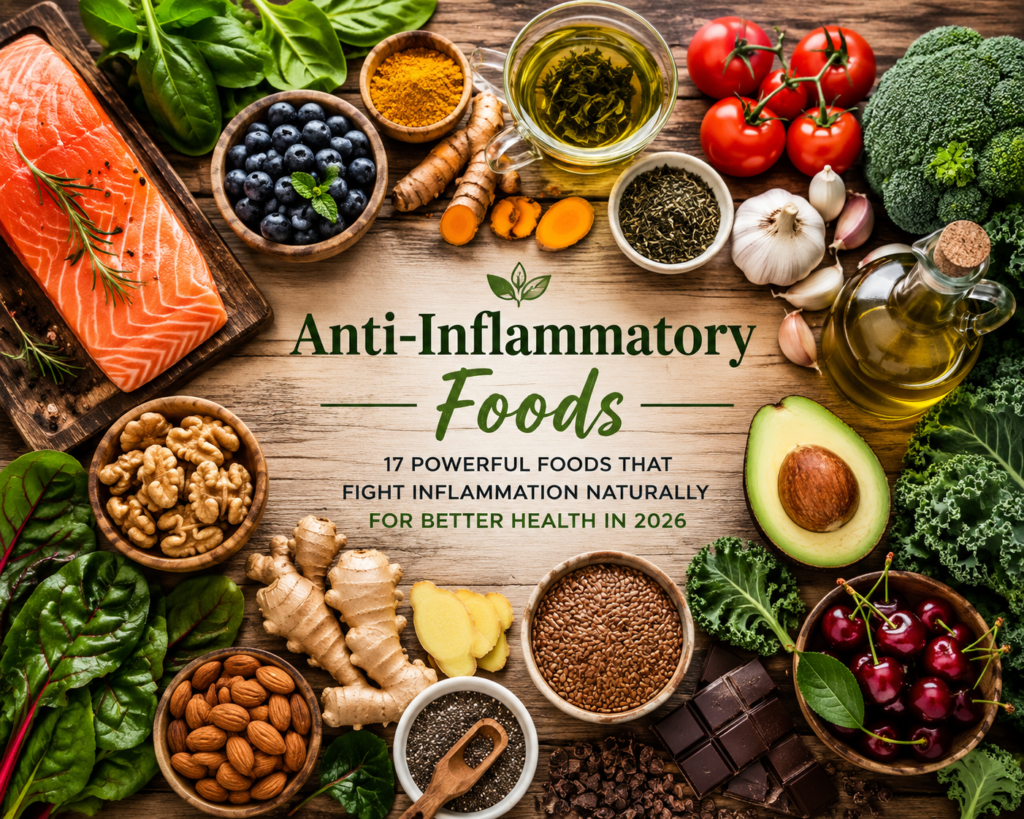
Anti-Inflammatory Foods
Inflammation is your body’s natural defence mechanism. When you get injured or sick, your immune system triggers inflammation to protect and heal your tissues. However, when inflammation becomes chronic, it can quietly contribute to serious health conditions such as heart disease, type 2 diabetes, arthritis, obesity, digestive disorders, and even certain cancers.
Anti-inflammatory foods offer a natural and effective way to reduce chronic inflammation while supporting overall health. Packed with antioxidants, vitamins, minerals, healthy fats, and plant compounds, these foods help your body combat oxidative stress and maintain a balanced immune response.
In this comprehensive guide, you’ll discover 17 powerful and science-backed anti-inflammatory foods that can help you feel healthier, boost your immune system, improve heart health, and promote longevity in 2026 and beyond.

What Are Anti-Inflammatory Foods?
Anti-inflammatory foods are nutrient-dense foods that contain compounds proven to reduce inflammation within the body. These foods are typically rich in:
- Antioxidants
- Polyphenols
- Omega-3 fatty acids
- Fibre
- Vitamins C, E, and K
- Magnesium
- Flavonoids
Unlike highly processed foods that promote inflammation, whole foods help regulate your immune system and reduce the production of inflammatory molecules.
Why Reducing Chronic Inflammation Matters
Persistent inflammation has been linked to numerous health conditions, including:
- Heart disease
- Stroke
- Type 2 diabetes
- Alzheimer’s disease
- Arthritis
- Fatty liver disease
- Autoimmune disorders
- Certain cancers
- Depression
- Obesity
Fortunately, your daily food choices can significantly influence inflammation levels.
17 Powerful and Science-Backed Anti-Inflammatory Foods
1. Fatty Fish
Examples include:
- Salmon
- Sardines
- Mackerel
- Trout
- Herring
Fatty fish are among the richest sources of omega-3 fatty acids (EPA and DHA), which have been extensively studied for their ability to reduce inflammatory proteins in the body.
Benefits
- Supports heart health
- Reduces joint pain
- Improves brain function
- Lowers inflammatory markers
- May reduce risk of chronic disease
Tip: Aim for two servings of oily fish each week.
2. Blueberries
Blueberries contain powerful antioxidants called anthocyanins, responsible for their deep blue colour.
Research shows these compounds help reduce oxidative stress and inflammation while protecting cells from damage.
Benefits
- Supports healthy ageing
- Improves memory
- Strengthens immunity
- Protects blood vessels
Enjoy them in smoothies, yoghurt, or oatmeal
3. Turmeric
Turmeric contains curcumin, one of the most researched natural anti-inflammatory compounds.
Curcumin has shown promising effects in reducing inflammation associated with arthritis, metabolic syndrome, and digestive disorders.
Best Tip
Pair turmeric with black pepper, which contains piperine and dramatically improves curcumin absorption.
4. Leafy Green Vegetables
Top choices include:
- Spinach
- Kale
- Swiss chard
- Collard greens
- Rocket
These vegetables are packed with antioxidants, fibre, vitamin K, folate, and magnesium.
Benefits
- Supports bone health
- Protects against heart disease
- Improves gut health
- Reduces inflammation naturally
5. Extra Virgin Olive Oil
A cornerstone of the Mediterranean diet, extra virgin olive oil contains oleocanthal, a natural compound with anti-inflammatory effects similar to certain pain-relieving medications.
How to Use
- Salad dressings
- Vegetable roasting
- Whole-grain dishes
- Healthy dips
Choose cold-pressed varieties for maximum benefits.
6. Tomatoes
Tomatoes provide:
- Lycopene
- Vitamin C
- Potassium
- Beta-carotene
Cooking tomatoes increases the availability of lycopene, making tomato sauce and soups especially beneficial.
7. Walnuts
Walnuts are loaded with:
- Plant-based omega-3 fats
- Fibre
- Protein
- Polyphenols
Regular consumption has been associated with reduced inflammation and improved heart health.
Enjoy a small handful as a snack or add them to salads and porridge.
8. Green Tea
Green tea is rich in epigallocatechin gallate (EGCG), one of the most potent plant antioxidants.
Benefits
- Supports metabolism
- Protects brain cells
- Reduces oxidative stress
- Promotes healthy ageing
Replace sugary drinks with green tea whenever possible.
9. Avocados
Avocados provide healthy monounsaturated fats along with:
- Potassium
- Fibre
- Vitamin E
- Magnesium
These nutrients work together to reduce inflammation while supporting cardiovascular health.
10. Broccoli
Broccoli belongs to the cruciferous vegetable family and contains sulforaphane, a powerful plant compound that may help suppress inflammatory pathways.
Why Eat More Broccoli?
- Supports detoxification
- Protects cells
- Strengthens immunity
- Rich in vitamins C and K
Lightly steam rather than overcook to preserve nutrients.
11. Cherries
Both sweet and tart cherries contain antioxidants that help reduce inflammatory markers.
Many athletes consume tart cherry juice to aid muscle recovery after intense exercise.
12. Ginger
Ginger has been used for centuries in traditional medicine.
Modern research suggests its bioactive compounds may reduce inflammation, nausea, muscle soreness, and joint discomfort.
Use fresh ginger in:
- Tea
- Stir-fries
- Smoothies
- Soups
13. Garlic
Garlic contains sulphur compounds such as allicin that support immune function and may help reduce inflammation.
Regular garlic consumption has also been linked with improved cardiovascular health.
14. Dark Chocolate
High-quality dark chocolate (70% cocoa or higher) contains flavonoids that help reduce oxidative stress.
Enjoy in moderation because chocolate is still calorie-dense.
15. Flaxseeds
Flaxseeds provide:
- Omega-3 fatty acids
- Fibre
- Lignans
Ground flaxseed is easier for the body to absorb than whole seeds.
Sprinkle it over yoghurt, smoothies, cereals, or baked goods.
16. Bell Peppers
Red, yellow, and orange peppers are rich in:
- Vitamin C
- Carotenoids
- Antioxidants
These nutrients help reduce inflammation while supporting healthy skin and immune function.
17. Mushrooms
Certain mushrooms, including shiitake, oyster, and maitake varieties, contain compounds that support immune regulation and help combat chronic inflammation.
Adding mushrooms to soups, stir-fries, or omelettes is an easy way to increase your intake.
Foods That Can Increase Inflammation
While adding anti-inflammatory foods is important, reducing inflammatory foods matters just as much.
Try limiting:
- Sugary drinks
- Processed meats
- Refined carbohydrates
- Deep-fried foods
- Excess alcohol
- Ultra-processed snacks
- Foods high in trans fats
Replacing these foods with whole, minimally processed alternatives can make a noticeable difference over time.
Easy Ways to Eat More Anti-Inflammatory Foods Every Day
Making healthier choices doesn’t have to be complicated. Start with small, sustainable changes:
Build Colourful Meals
Fill at least half your plate with colourful vegetables and fruits to increase your intake of protective antioxidants.
Choose Healthy Fats
Swap butter or margarine for extra virgin olive oil and include avocado, nuts, and seeds in your meals.
Eat More Fish
Plan fish-based meals twice a week to boost your omega-3 intake.
Drink Better
Replace sugary beverages with water, green tea, or herbal tea.
Snack Smarter
Keep walnuts, almonds, berries, or fresh fruit on hand instead of crisps or sweets.
Season Naturally
Use turmeric, ginger, garlic, rosemary, cinnamon, and other herbs and spices to add flavour while increasing anti-inflammatory compounds.

Sample One-Day Anti-Inflammatory Meal Plan
| Meal | Healthy Choice |
|---|---|
| Breakfast | Greek yoghurt with blueberries, walnuts, and ground flaxseed |
| Snack | Green tea with fresh berries |
| Lunch | Grilled salmon, quinoa, spinach salad, olive oil dressing |
| Snack | Apple slices with almond butter |
| Dinner | Stir-fried broccoli, mushrooms, peppers, and grilled chicken |
| Dessert | A few squares of dark chocolate |
How Anti-Inflammatory Foods Work to Reduce Chronic Inflammation
Understanding how anti-inflammatory foods work is the first step toward making healthier dietary choices. While inflammation is a natural part of your body’s defence system, it can become harmful when it persists for months or even years. The foods you eat every day can either calm this response or make it worse, which is why nutrition plays such a critical role in long-term health.
What Is Inflammation?
Inflammation is your immune system’s natural response to injury, infection, or harmful substances. When you cut your finger or catch a cold, your body sends white blood cells and other protective chemicals to the affected area to begin the healing process. This short-term response, known as acute inflammation, is essential for recovery.
Problems arise when inflammation becomes chronic. Instead of switching off after the threat has passed, the immune system remains activated, leading to continuous low-grade inflammation. Over time, this can damage healthy tissues and organs, increasing the risk of serious conditions such as heart disease, type 2 diabetes, arthritis, obesity, Alzheimer’s disease, and certain cancers.
Unlike acute inflammation, chronic inflammation often develops silently, with few noticeable symptoms until it has already affected your health.
How Anti-Inflammatory Foods Help Your Body
Anti-inflammatory foods contain powerful nutrients that help regulate the immune system, neutralise harmful free radicals, and reduce the production of inflammatory compounds in the body.
Some of the most beneficial nutrients include:
- Omega-3 fatty acids, found in salmon, sardines, walnuts, and flaxseeds, help reduce inflammatory proteins that contribute to chronic disease.
- Antioxidants, abundant in berries, leafy greens, tomatoes, and green tea, protect cells from oxidative stress and free radical damage.
- Polyphenols, found in olive oil, dark chocolate, herbs, and colourful fruits, help regulate inflammation and support heart health.
- Dietary fibre, present in vegetables, fruits, legumes, and whole grains, nourishes beneficial gut bacteria. A healthy gut microbiome produces compounds that naturally help control inflammation.
- Vitamins and minerals, including vitamins C, E, K, magnesium, and selenium, support normal immune function and protect tissues from long-term damage.
When these nutrients work together, they help lower inflammation naturally while supporting healthy blood vessels, joints, digestion, brain function, and overall wellbeing.
The Link Between Diet and Chronic Inflammation
Modern eating habits have changed dramatically over the past few decades. Many diets are now dominated by ultra-processed foods, sugary drinks, refined carbohydrates, and unhealthy fats. These foods can promote inflammation by increasing blood sugar spikes, oxidative stress, and excess body fat—all of which place additional strain on the immune system.
By contrast, diets rich in anti-inflammatory foods, such as the Mediterranean diet, have consistently been associated with lower levels of inflammatory markers and a reduced risk of chronic diseases. Replacing processed snacks with fresh fruits, vegetables, healthy fats, lean proteins, and whole grains can have a meaningful impact on your health over time.
Small Changes Make a Big Difference
You don’t need to overhaul your diet overnight to experience the benefits of anti-inflammatory foods. Simple, sustainable habits can gradually reduce inflammation and improve your overall health.
Start by:
- Eating at least five servings of colourful fruits and vegetables each day.
- Choosing oily fish such as salmon or mackerel twice a week.
- Replacing butter with extra virgin olive oil.
- Snacking on nuts, seeds, or fresh berries instead of processed snacks.
- Drinking green tea or water instead of sugary beverages.
- Cooking with natural anti-inflammatory spices like turmeric, ginger, and garlic.
These small adjustments may seem minor, but when practised consistently, they can significantly improve your body’s ability to manage inflammation and protect against chronic disease.
What the Science Says
A growing body of research supports the role of diet in reducing inflammation. Studies have shown that eating a diet rich in fruits, vegetables, whole grains, healthy fats, and omega-3-rich foods is associated with lower levels of inflammatory markers such as C-reactive protein (CRP). Health experts also recommend limiting processed foods, added sugars, and trans fats to help reduce the risk of chronic inflammation.
Further Reading (Authoritative Sources):
- Harvard T.H. Chan School of Public Health – Nutrition Source: https://www.hsph.harvard.edu/nutritionsource/
- National Institutes of Health (NIH) – Nutrition Research: https://www.nih.gov/
- American Heart Association – Healthy Eating: https://www.heart.org/
By understanding how anti-inflammatory foods work, you can make informed choices that not only reduce inflammation but also improve your energy, strengthen your immune system, and support lifelong health. Every healthy meal is an opportunity to nourish your body and reduce the risk of chronic disease naturally.
The Best Anti-Inflammatory Foods to Add to Your Daily Diet
One of the most effective ways to reduce chronic inflammation is by filling your plate with nutrient-dense, whole foods. The best anti-inflammatory foods are naturally rich in antioxidants, vitamins, minerals, healthy fats, fibre, and plant compounds that help your body combat oxidative stress and regulate immune function. Instead of relying on supplements alone, eating a wide variety of these foods every day provides your body with the nutrients it needs to stay healthy and resilient.
Below are some of the most powerful anti-inflammatory foods backed by scientific research and easy ways to include them in your daily meals.
1. Fatty Fish: A Rich Source of Omega-3 Fatty Acids
Fatty fish such as salmon, sardines, mackerel, trout, and herring are among the most effective foods for reducing inflammation. They are packed with omega-3 fatty acids (EPA and DHA), which help lower inflammatory markers and support heart, brain, and joint health.
Health Benefits:
- Reduces chronic inflammation
- Supports heart health
- Improves brain function
- Helps relieve joint pain and stiffness
- May lower the risk of cardiovascular disease
Easy Ways to Eat More:
- Grill salmon for dinner.
- Add sardines to whole-grain toast.
- Mix canned tuna or mackerel into salads.
2. Colourful Berries: Nature’s Antioxidant Powerhouses
Blueberries, strawberries, raspberries, and blackberries are loaded with antioxidants known as anthocyanins. These compounds help protect your cells from oxidative stress, reduce inflammation, and support healthy ageing.
Health Benefits:
- Boosts immune function
- Supports brain health
- Promotes healthy skin
- Protects against free radical damage
Easy Ways to Eat More:
- Blend into smoothies.
- Sprinkle over Greek yoghurt.
- Add to oatmeal or breakfast cereal.
3. Leafy Green Vegetables
Dark leafy greens such as spinach, kale, Swiss chard, and collard greens provide fibre, vitamin K, magnesium, folate, and numerous antioxidants that help lower inflammation naturally.
Health Benefits:
- Supports bone health
- Improves digestion
- Strengthens the immune system
- Helps protect against heart disease
Easy Ways to Eat More:
- Add spinach to omelettes.
- Blend kale into smoothies.
- Use mixed greens as a salad base.
4. Extra Virgin Olive Oil
A staple of the Mediterranean diet, extra virgin olive oil contains healthy monounsaturated fats and oleocanthal, a natural compound known for its anti-inflammatory properties.
Health Benefits:
- Supports heart health
- Reduces inflammation
- Improves cholesterol levels
- Protects blood vessels
Easy Ways to Eat More:
- Drizzle over salads.
- Use for roasting vegetables.
- Replace butter with olive oil when cooking.
5. Turmeric and Ginger
Turmeric contains curcumin, while ginger contains gingerol—both are powerful natural compounds known to help reduce inflammation.
Health Benefits:
- Supports joint health
- May relieve muscle soreness
- Promotes healthy digestion
- Helps combat oxidative stress
Pro Tip: Combine turmeric with a pinch of black pepper to significantly improve curcumin absorption.
6. Nuts and Seeds
Walnuts, almonds, chia seeds, flaxseeds, and pumpkin seeds are excellent sources of healthy fats, fibre, magnesium, protein, and antioxidants.
Health Benefits:
- Supports heart health
- Helps regulate blood sugar
- Promotes gut health
- Reduces inflammatory markers
Easy Ways to Eat More:
- Sprinkle seeds over yoghurt.
- Add walnuts to salads.
- Blend chia seeds into smoothies.
7. Tomatoes and Bell Peppers
Tomatoes are rich in lycopene, while colourful bell peppers provide high amounts of vitamin C and carotenoids. Together, they help protect cells from inflammation and oxidative damage.
Health Benefits:
- Supports immune function
- Promotes healthy skin
- Helps reduce oxidative stress
- Supports cardiovascular health
Easy Ways to Eat More:
- Add tomatoes to salads and sandwiches.
- Roast bell peppers for side dishes.
- Prepare homemade tomato-based soups.
8. Green Tea
Green tea is one of the healthiest beverages you can drink. It contains a powerful antioxidant called EGCG (epigallocatechin gallate), which has been shown to reduce inflammation and protect cells from damage.
Health Benefits:
- Supports metabolism
- Improves brain function
- Helps protect against chronic diseases
- Promotes healthy ageing
Replace sugary soft drinks with green tea for an easy anti-inflammatory upgrade.
9. Garlic and Onions
Garlic and onions contain sulphur compounds that help strengthen the immune system and reduce inflammation.
Health Benefits:
- Supports heart health
- Helps regulate blood pressure
- Promotes immune function
- Contains natural antibacterial properties
Use fresh garlic and onions generously in soups, sauces, stir-fries, and roasted vegetables.
10. Dark Chocolate
Good-quality dark chocolate containing at least 70% cocoa is rich in flavonoids that help combat inflammation and oxidative stress.
Health Benefits:
- Supports heart health
- Provides antioxidants
- May improve mood
- Helps protect blood vessels
Enjoy in moderation as part of a balanced diet.
Why Variety Matters
No single food can eliminate inflammation on its own. The greatest health benefits come from eating a wide variety of anti-inflammatory foods every day. Combining fruits, vegetables, whole grains, lean proteins, healthy fats, herbs, and spices creates a dietary pattern that nourishes your body and supports every major organ system.
For example, a balanced anti-inflammatory meal could include:
- Grilled salmon for omega-3 fatty acids
- Quinoa or brown rice for fibre
- Steamed broccoli and spinach for antioxidants
- A mixed berry salad for vitamins
- Olive oil and lemon dressing for healthy fats
This combination delivers a powerful mix of nutrients that work together to fight inflammation naturally.
Tips for Building an Anti-Inflammatory Plate
To make the most of anti-inflammatory foods, aim to:
- Fill half your plate with colourful vegetables and fruits.
- Include a source of lean protein such as fish, beans, or chicken.
- Choose whole grains instead of refined carbohydrates.
- Use healthy fats like olive oil, avocado, nuts, and seeds.
- Flavour meals with herbs and spices such as turmeric, ginger, garlic, cinnamon, and rosemary instead of excess salt.
Making these simple choices consistently can help reduce chronic inflammation, improve energy levels, strengthen your immune system, and lower the risk of many long-term health conditions. Rather than focusing on a single “superfood,” embrace a balanced eating pattern rich in diverse anti-inflammatory foods for the greatest and most sustainable health benefits.
Why Consistently Eating Anti-Inflammatory Foods Matters
Adding more anti-inflammatory foods to your daily routine is one of the smartest investments you can make for your long-term health. While many people focus on treating symptoms after they appear, a diet rich in anti-inflammatory foods helps address one of the root causes of many chronic diseases—persistent inflammation. By regularly consuming a variety of anti-inflammatory foods, you can support your body’s natural healing processes, strengthen your immune system, and improve your overall quality of life.
Unlike fad diets or quick fixes, an anti-inflammatory diet is based on whole, nutrient-rich foods that nourish every system in your body. Foods such as berries, leafy greens, fatty fish, olive oil, nuts, seeds, tomatoes, broccoli, turmeric, garlic, ginger, and green tea work together to reduce inflammation naturally. These anti-inflammatory foods are rich in antioxidants, omega-3 fatty acids, polyphenols, vitamins, minerals, and dietary fibre, all of which help protect your cells from oxidative stress and support a healthy inflammatory response.
Another major advantage of eating anti-inflammatory foods is their positive impact on gut health. A healthy gut microbiome plays a crucial role in regulating inflammation. Fibre-rich anti-inflammatory foods such as vegetables, fruits, legumes, whole grains, flaxseeds, and chia seeds feed beneficial gut bacteria, which produce short-chain fatty acids that help reduce inflammation throughout the body. Maintaining a healthy gut can also improve digestion, enhance nutrient absorption, and support a stronger immune system.
Consuming anti-inflammatory foods consistently may also help improve heart health by lowering LDL (“bad”) cholesterol, reducing blood pressure, and improving blood vessel function. Studies suggest that dietary patterns rich in anti-inflammatory foods, particularly the Mediterranean diet, are associated with a lower risk of cardiovascular disease, stroke, and metabolic disorders. Additionally, these foods may help stabilise blood sugar levels, making them beneficial for people looking to prevent or manage type 2 diabetes.
Beyond physical health, anti-inflammatory foods can also support mental wellbeing. Emerging research indicates that chronic inflammation may contribute to depression, anxiety, and cognitive decline. Nutrient-rich anti-inflammatory foods containing omega-3 fatty acids, antioxidants, and essential vitamins may help protect brain cells, improve memory, and support healthy cognitive function as you age.
The key to success is consistency rather than perfection. Instead of focusing on a single “superfood,” aim to include a wide variety of anti-inflammatory foods in every meal. Fill half your plate with colourful vegetables, enjoy fresh fruits as snacks, choose healthy fats like extra virgin olive oil, include fatty fish at least twice a week, and season your meals with turmeric, garlic, and ginger. These simple habits can gradually reduce inflammation, increase energy levels, strengthen immunity, and support better overall health.
By making anti-inflammatory foods a regular part of your lifestyle, you’re not just improving today’s meals—you’re building a foundation for better health, disease prevention, and healthy ageing well beyond 2026.

Frequently Asked Questions
What is the most powerful anti-inflammatory food?
There isn’t a single “best” food, but fatty fish, turmeric, berries, leafy greens, and extra virgin olive oil consistently rank among the most effective due to their high concentrations of anti-inflammatory compounds.
How long does it take for an anti-inflammatory diet to work?
Some people notice improvements in energy, digestion, or joint comfort within a few weeks. However, long-term benefits are most likely when these eating habits become part of your regular lifestyle.
Can anti-inflammatory foods replace medication?
No. While anti-inflammatory foods can support overall health and may help reduce inflammation, they should not replace prescribed medications or professional medical advice. Always consult your healthcare provider before making significant changes to your treatment plan.
Are anti-inflammatory foods good for weight loss?
Yes. Many anti-inflammatory foods are naturally high in fibre, protein, and healthy fats, which can help improve satiety and support healthy weight management when combined with regular physical activity.
Final Thoughts
Incorporating anti-inflammatory foods into your daily routine is one of the simplest and most effective ways to support long-term health. From omega-3-rich salmon and antioxidant-packed blueberries to turmeric, leafy greens, and extra virgin olive oil, these nutrient-dense foods work together to reduce chronic inflammation, strengthen your immune system, and protect against many lifestyle-related diseases.
Remember, there is no magic ingredient or overnight solution. The greatest benefits come from consistently eating a varied, balanced diet rich in whole foods while limiting highly processed and sugary options. Small, sustainable changes—such as adding more colourful vegetables, choosing healthy fats, and enjoying antioxidant-rich snacks—can have a meaningful impact over time.
Start today by adding at least one or two anti-inflammatory foods to your next meal. As these healthy choices become daily habits, you’ll be investing in better energy, improved wellbeing, and a healthier future well beyond 2026.
About The Author