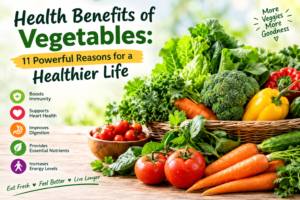
Health benefits of vegetables
Think about some of the vegetables you probably see regularly at the market: fresh tomatoes, orange carrots, spinach, kale, cabbage, broccoli and other green leafy vegetables. They may look like ordinary ingredients, but they contain an impressive combination of vitamins, minerals, dietary fibre and natural plant compounds that help the body function properly.
What makes vegetables particularly interesting is that different varieties provide different nutritional benefits. Tomatoes contain lycopene, carrots are well known for their beta-carotene content, while green leafy vegetables supply nutrients such as folate, vitamin K and other beneficial plant compounds. When these foods become part of your regular meals, they contribute to a more varied and nutrient-rich diet.
The health benefits of vegetables go far beyond simply adding colour to your plate. Regular vegetable consumption can support digestion, contribute to healthy blood pressure, promote eye health, help maintain normal immune function and improve overall dietary quality. Research also associates diets rich in vegetables and fruits with a lower risk of several chronic diseases.
But what actually happens when you eat vegetables every day? Are tomatoes, carrots and green leafy vegetables particularly beneficial? Can eating them regularly improve digestion, support your heart and help you maintain a healthy weight?
In this article, we explore nine important, evidence-based benefits of eating vegetables daily, with particular attention to tomatoes, carrots and green leafy vegetables. We will also examine their nutritional differences, practical ways to include them in everyday meals and some mistakes to avoid when preparing them.
Whether you are trying to improve your eating habits, support your family’s nutrition or simply understand the value of healthy vegetables, this guide will help you make more informed food choices.

Why Vegetables Are Important for Your Overall Health
Before looking at the individual benefits, it is important to understand why vegetables deserve a regular place in your diet.
Vegetables are among the most valuable components of a balanced eating pattern because they supply nutrients that the body needs in relatively small amounts but cannot always produce on its own.
These nutrients include vitamins, minerals, fibre and naturally occurring plant compounds known as phytochemicals. Different vegetables contain different combinations, which is why eating a variety of colours and types is more beneficial than depending on just one vegetable.
For example:
-
Tomatoes provide vitamin C, potassium and lycopene.
-
Carrots contain beta-carotene, which the body can convert into vitamin A.
-
Spinach supplies folate, vitamin K and other nutrients.
-
Kale contains vitamins C and K, as well as carotenoids.
-
Broccoli provides vitamin C, folate and fibre.
-
Cabbage contributes vitamin C, vitamin K and dietary fibre.
These nutrients perform different functions. Some support normal vision, others help maintain healthy bones, while others participate in immune function, blood formation and the protection of cells from oxidative damage.
According to the World Health Organization’s healthy diet recommendations, people older than 10 years should aim for at least 400 grams of fruits and vegetables daily. The WHO also recommends at least 25 grams of naturally occurring dietary fibre per day for this age group.
This recommendation highlights an important point: vegetables are not simply optional ingredients added to make meals look attractive. They are an important part of a healthy dietary pattern.
Why Eating Different Vegetables Matters
One common mistake is assuming that eating a large amount of one vegetable provides all the nutritional benefits the body needs.
Unfortunately, no single vegetable contains every essential nutrient in the right amounts.
Eating carrots regularly, for example, can help increase beta-carotene intake, but carrots alone cannot provide the same nutritional variety as a meal that also contains tomatoes, spinach, cabbage, beans and other foods.
A better approach is to combine vegetables with different colours, textures and nutritional profiles.
Consider the following:
-
Red vegetables: Tomatoes contain lycopene and vitamin C.
-
Orange vegetables: Carrots provide beta-carotene.
-
Dark green vegetables: Spinach and kale supply folate, vitamin K and carotenoids.
-
Cruciferous vegetables: Broccoli and cabbage provide fibre and beneficial plant compounds.
-
Light-coloured vegetables: Cauliflower and onions contribute different vitamins, minerals and plant compounds.
The more variety you introduce into your meals, the greater the opportunity to obtain a broad range of nutrients.
This is one of the most important principles behind the benefits of eating vegetables daily.
Nutritional Value of Tomatoes, Carrots and Green Leafy Vegetables
Three vegetables deserve particular attention when discussing the benefits of tomatoes, carrots and green leafy vegetables: tomatoes, carrots and dark green leafy vegetables.
They are relatively easy to find, can be prepared in different ways and offer complementary nutritional benefits. You do not need expensive imported vegetables to improve your diet. Many locally available vegetables in Nigerian markets can contribute significantly to your nutritional needs.
Let’s examine what each group brings to your plate.
1. Tomatoes: A Rich Source of Lycopene and Vitamin C
Tomatoes are among the most commonly consumed vegetables in many households. They are used in soups, stews, sauces, salads and numerous traditional dishes.
Although tomatoes are botanically classified as fruits, they are commonly treated as vegetables in cooking and nutrition discussions.
One of their most interesting nutritional components is lycopene, a natural red pigment belonging to a group of plant compounds called carotenoids.
Lycopene has antioxidant properties, meaning it can help neutralize unstable molecules known as free radicals. Excessive oxidative stress can damage cells and is associated with several chronic health conditions.
Tomatoes also provide:
-
Vitamin C: Supports normal immune function, collagen formation and wound healing.
-
Potassium: Helps regulate fluid balance, nerve signalling and muscle function.
-
Vitamin K: Contributes to normal blood clotting.
-
Folate: Supports normal cell division and the formation of genetic material.
-
Lycopene: An antioxidant plant pigment that has been studied for its possible relationship with cardiovascular and other health outcomes.
One interesting fact about tomatoes is that cooking them can increase the availability of lycopene for absorption. Tomato sauce, cooked tomato stew and tomato paste can therefore contribute useful amounts of this compound.
Adding a modest amount of healthy dietary fat, such as vegetable oil, can also help the body absorb fat-soluble carotenoids.
However, this does not mean that raw tomatoes are unhealthy. Both raw and cooked tomatoes can be nutritious choices.
Why tomatoes deserve a place in your daily diet: They provide vitamin C, potassium and beneficial plant compounds while adding flavour and variety to everyday meals.
2. Carrots: Supporting Healthy Vision and Skin
Carrots are particularly famous for their orange colour and their association with good eyesight. However, their nutritional value extends beyond vision.
Their orange colour comes largely from beta-carotene, a plant pigment that the body can convert into vitamin A.
Vitamin A is an essential nutrient involved in several important bodily functions, including:
-
Maintaining normal vision, particularly in low-light conditions.
-
Supporting the health of the skin and the lining of certain body tissues.
-
Maintaining normal immune function.
-
Supporting normal growth and development.
-
Helping maintain healthy epithelial tissues, which form protective surfaces in the body.
Vitamin A deficiency can lead to serious problems, including night blindness and, in severe cases, damage to the eyes.
Eating beta-carotene-rich vegetables such as carrots can contribute to adequate vitamin A intake.
Carrots also provide dietary fibre, which supports digestive health, and other plant compounds that contribute to their nutritional value.
Why carrots deserve a place in your daily diet: They are an accessible source of beta-carotene, dietary fibre and other nutrients that support normal vision and overall health.
You can eat carrots raw, grate them into salads, add them to vegetable soups or cook them alongside other foods.
3. Green Leafy Vegetables: Nutrient-Rich Foods for Everyday Health
Green leafy vegetables are among the most nutrient-dense foods available.
In Nigeria, commonly consumed varieties include:
-
Ugu (fluted pumpkin leaves).
-
Efo tete (African spinach).
-
Waterleaf.
-
Bitter leaf.
-
Scent leaf.
-
Spinach.
-
Kale.
-
Amaranth leaves.
These vegetables are used in different traditional meals, including vegetable soups, sauces and stews.
Their nutritional composition varies, but many provide important amounts of vitamin K, folate, vitamin C, carotenoids and dietary fibre.
For example, vitamin K contributes to normal blood clotting and bone metabolism, while folate is essential for DNA synthesis and normal cell division.
Dark green leafy vegetables also contain naturally occurring plant compounds, including carotenoids such as lutein and zeaxanthin, which are associated with eye health.
Another important advantage is that many leafy vegetables contain relatively few calories compared with their volume. This makes them useful ingredients for people trying to build satisfying meals without relying heavily on calorie-dense foods.
Why green leafy vegetables deserve a place in your daily diet: They provide a combination of vitamins, minerals, fibre and plant compounds that support several normal body functions.
The important thing is to prepare them properly. Excessive cooking can reduce certain heat-sensitive nutrients, particularly vitamin C. Light steaming or cooking for a suitable period can help preserve more of their nutritional value.
Comparison Table: Nutritional Benefits of Tomatoes, Carrots and Green Leafy Vegetables
The following table highlights some of the major nutrients and potential health contributions of these vegetables.
| Vegetable | Important nutrients and compounds | Main nutritional contributions |
|---|---|---|
| Tomatoes | Lycopene, vitamin C, potassium, folate | Antioxidant activity, immune function and heart health support |
| Carrots | Beta-carotene, fibre, potassium | Normal vision, immune function and digestive health |
| Spinach | Folate, vitamin K, vitamin C, carotenoids | Blood clotting, bone metabolism and normal cell function |
| Kale | Vitamins C and K, carotenoids, fibre | Immune function, bone health and digestive support |
| Ugu leaves | Provitamin A carotenoids, folate, minerals | Nutritional support for vision, cell function and general health |
| Cabbage | Vitamin C, vitamin K, fibre | Digestive health and normal immune function |
| Broccoli | Vitamin C, folate, fibre, vitamin K | Digestive health and normal cell function |
| Waterleaf | Vitamins, minerals and fibre | Adds nutritional variety and contributes to dietary fibre intake |
Note: Nutrient levels vary depending on vegetable variety, growing conditions, freshness, serving size and preparation method. The table describes general nutritional contributions, not guaranteed medical effects.
9 Powerful Health Benefits of Vegetables You Should Know
Now that we understand what tomatoes, carrots and green leafy vegetables contain, let’s examine nine important ways that eating vegetables regularly can contribute to better health.
These benefits are not overnight transformations. They develop as part of consistent, balanced eating habits over time.
1. Health Benefits of Vegetables: They Strengthen Normal Immune Function
Your immune system is one of the body’s most important natural defence systems. It helps identify and respond to harmful microorganisms, including certain bacteria and viruses.
Although no single food can prevent every infection or guarantee that you will never become sick, a nutritious diet provides the building blocks your immune system needs to function properly.
This is one of the important health benefits of vegetables that makes them worth including in everyday meals.
Vegetables such as tomatoes, carrots, spinach, broccoli and cabbage contain nutrients involved in normal immune function.
How vegetables support your immune system
There are several ways these foods contribute to immune health.
Vitamin C supports immune cell function.
Tomatoes, broccoli and some leafy vegetables provide vitamin C. This nutrient contributes to the normal functioning of the immune system and supports the body’s ability to protect cells against oxidative damage.
Vitamin C also plays a role in collagen production, which is important for maintaining healthy skin and other tissues that serve as physical barriers.
Beta-carotene contributes to vitamin A intake.
Carrots and certain dark green leafy vegetables contain beta-carotene.
The body converts some of this compound into vitamin A, which helps maintain the normal function of immune cells and protective tissues.
Vitamin A is particularly important for the health of the respiratory and digestive tract linings.
Folate supports normal cell division.
Green leafy vegetables are valuable sources of folate, a B vitamin involved in DNA synthesis and the production of new cells.
This is important because the immune system depends on the continuous development and maintenance of different types of cells.
Antioxidants help protect cells.
Tomatoes, carrots and leafy greens contain several antioxidant compounds.
These substances help the body manage oxidative stress, which occurs when the production of unstable molecules exceeds the body’s ability to control them.
It is important to understand that antioxidants do not make the body immune to disease. Rather, they contribute to the body’s normal protective processes.
Practical ways to include these vegetables for immune health
-
Add tomatoes to homemade stews and sauces.
-
Include carrots in salads or vegetable soups.
-
Eat ugu, spinach or other leafy vegetables regularly.
-
Combine different vegetables instead of depending on one variety.
-
Include other nutritious foods such as beans, fish, eggs, fruits and whole grains.
A balanced diet provides more complete nutritional support than relying on vegetables alone.
2. Health Benefits of Vegetables: They Support Healthy Digestion and Gut Function
Digestive health is an important part of overall well-being, yet it is something many people overlook until problems such as constipation, bloating or irregular bowel movements develop.
One of the most valuable benefits of eating vegetables daily is their contribution to dietary fibre intake.
Fibre is the part of plant foods that the digestive system does not completely break down. Instead of being fully digested and absorbed like many other carbohydrates, different types of fibre move through the digestive tract and perform several useful functions.
How vegetables help digestion
There are two commonly discussed categories of dietary fibre.
Soluble fibre
Soluble fibre dissolves in water and forms a gel-like substance in the digestive tract.
It can help slow digestion and may contribute to healthier blood cholesterol and blood glucose levels.
Insoluble fibre
Insoluble fibre does not dissolve in water. It adds bulk to stool and helps support regular bowel movements.
Many vegetables contain a combination of these fibre types in varying proportions.
Carrots, broccoli, cabbage, spinach and other vegetables can contribute to your daily fibre intake.
The relationship between vegetables and gut bacteria
Your digestive system contains trillions of microorganisms, collectively known as the gut microbiome.
Some of these microorganisms help break down dietary components that your body cannot digest independently.
Certain types of dietary fibre serve as food for beneficial gut bacteria. When these bacteria ferment fibre, they produce substances called short-chain fatty acids.
These compounds are involved in maintaining the health of the intestinal environment and supporting several metabolic processes.
This is one reason why a diet containing a variety of fibre-rich plant foods is often recommended for digestive health.
Can eating vegetables help relieve constipation?
Yes, increasing dietary fibre can help improve constipation in many people.
However, the change should be gradual.
If you suddenly increase your vegetable intake significantly after eating very little fibre, you may experience temporary gas, bloating or abdominal discomfort.
To make the transition easier:
-
Start by adding a serving of vegetables to one meal.
-
Gradually increase your intake over several days or weeks.
-
Drink enough water throughout the day.
-
Include different fibre-containing foods, such as beans, fruits and whole grains.
-
Maintain regular physical activity.
Remember that fibre works best as part of an overall healthy lifestyle.
For people with certain digestive disorders, such as bowel strictures or specific types of irritable bowel syndrome, individual fibre needs may differ. Medical guidance may be helpful when symptoms persist.
The bottom line: Regular vegetable consumption can help you obtain the fibre needed to support bowel regularity and a healthy digestive environment.
3. Health Benefits of Vegetables: They Help Protect Your Heart and Support Healthy Blood Pressure
Your heart works continuously, pumping blood throughout your body and delivering oxygen and nutrients to different organs.
Maintaining cardiovascular health is therefore essential.
One of the strongest reasons to include more vegetables in your diet is their contribution to a heart-friendly eating pattern.
Research consistently associates higher fruit and vegetable consumption with better cardiovascular outcomes.
Vegetables provide nutrients such as potassium, fibre, folate and antioxidant plant compounds, all of which contribute to different aspects of cardiovascular health.
How vegetables support heart health
Potassium helps regulate blood pressure.
Potassium is an essential mineral that helps regulate fluid balance and supports normal muscle and nerve function.
It also plays a role in balancing the effects of sodium in the body.
A diet containing adequate potassium from foods such as vegetables, fruits and legumes can support healthy blood pressure.
Tomatoes, spinach and carrots provide potassium, although their amounts vary.
Fibre contributes to healthier cholesterol levels.
Certain types of soluble fibre can help reduce the absorption of cholesterol in the digestive system.
This may contribute to healthier blood cholesterol levels when fibre-rich foods are regularly included in a balanced diet.
Plant compounds help protect cells.
Tomatoes contain lycopene, while carrots and leafy greens contain different carotenoids and other antioxidant compounds.
These substances are being studied for their potential contributions to cardiovascular health.
Vegetables can improve overall dietary quality.
Perhaps one of the most important benefits is that vegetables can replace less nutritious ingredients in everyday meals.
For example, adding more vegetables to a meal may reduce the need for large quantities of heavily processed, salty or energy-dense foods.
This can help improve the overall nutritional quality of your diet.
Harvard’s Nutrition Source discusses evidence connecting diets rich in vegetables and fruits with lower cardiovascular risk, including the importance of green leafy vegetables.
The Nutrition Source+1
Simple ways to support heart health through vegetables
-
Add tomatoes to meals instead of relying entirely on heavily processed sauces.
-
Include leafy vegetables in soups and stews.
-
Eat carrots as a snack instead of frequently choosing highly processed snacks.
-
Combine vegetables with beans, whole grains, nuts and other nutritious foods.
-
Avoid adding excessive salt when preparing vegetable dishes.
-
Choose cooking methods that do not require large amounts of unhealthy fats.
One important point: vegetables are not a replacement for blood pressure medication. Anyone diagnosed with hypertension should continue following their healthcare professional’s advice.
4. Health Benefits of Vegetables: They Support Healthy Eyesight and Vision
Your eyes depend on several nutrients to maintain their normal structure and function.
Among the most important are vitamin A and certain carotenoids.
This is where carrots and dark green leafy vegetables become particularly valuable.
Carrots are well known for their beta-carotene content, while spinach, kale and other leafy greens contain carotenoids such as lutein and zeaxanthin.
These nutrients contribute to different aspects of eye health.
The role of beta-carotene in vision
Beta-carotene is converted into vitamin A in the body.
Vitamin A is necessary for the production of visual pigments that help the eyes respond to light.
One of its important functions involves supporting vision in low-light conditions.
When the body does not receive enough vitamin A over time, vision problems can develop.
Severe deficiency may cause night blindness and, in advanced cases, damage to the cornea.
Eating carrots as part of a balanced diet can help provide beta-carotene for vitamin A production.
How leafy vegetables contribute to eye health
Dark green vegetables contain lutein and zeaxanthin.
These carotenoids are concentrated in the retina, particularly in an area called the macula.
The macula is responsible for central vision, which is essential for activities such as reading, recognizing faces and seeing fine details.
Research has examined the relationship between these compounds and age-related eye conditions.
Although eating leafy vegetables cannot guarantee that someone will never develop an eye disease, they are valuable components of a nutritious diet.
Best vegetables to include for eye health
Consider adding:
-
Carrots.
-
Spinach.
-
Kale.
-
Ugu leaves.
-
Broccoli.
-
Sweet red peppers.
-
Other dark green and orange vegetables.
An important preparation tip
Some carotenoids are fat-soluble, meaning they are better absorbed when eaten alongside a small amount of dietary fat.
For example, you can combine cooked carrots or leafy vegetables with a meal containing a little vegetable oil, avocado or another healthy fat source.
You do not need large quantities of oil to obtain this benefit.
If you experience blurred vision, sudden changes in eyesight or persistent eye discomfort, consult an eye-care professional rather than attempting to treat the problem with food alone.
5. Health Benefits of Vegetables: They Support Healthy Skin and Normal Collagen Production
Healthy skin is influenced by several factors, including genetics, hydration, sleep, sun exposure, age and nutrition.
Although many beauty products focus on external skin care, the nutrients you obtain from food also contribute to maintaining healthy skin.
This is another interesting area where tomatoes, carrots and leafy vegetables provide nutritional value.
Vitamin C and collagen production
Vitamin C is required for the normal production of collagen.
Collagen is a structural protein found in the skin, bones, tendons and connective tissues.
It helps provide structural support and contributes to the strength and integrity of the skin.
Tomatoes and several green vegetables provide vitamin C, helping you obtain this essential nutrient through everyday meals.
Beta-carotene and skin health
Carrots contain beta-carotene, which the body can convert into vitamin A.
Vitamin A supports normal skin cell development and the maintenance of healthy epithelial tissues.
This is important because the skin serves as one of the body’s primary protective barriers.
Antioxidants and oxidative stress
The skin is exposed to environmental factors such as sunlight and pollution.
These factors can contribute to oxidative stress.
Tomatoes contain lycopene, while carrots and leafy vegetables provide different carotenoids and other plant compounds.
These nutrients contribute to the body’s antioxidant defence systems.
However, eating tomatoes or carrots does not replace sunscreen or other appropriate sun-protection measures.
How to include skin-supporting vegetables in your meals
-
Eat fresh tomatoes in salads or sandwiches.
-
Add carrots to vegetable soups.
-
Include spinach and other leafy vegetables in your regular meals.
-
Combine vegetables with protein sources such as fish, eggs or beans.
-
Drink enough water to support normal hydration.
It is also important to understand that vegetables are not instant beauty treatments. Their benefits come from consistently meeting nutritional needs as part of a balanced diet.
6. Health Benefits of Vegetables: They Help Support Healthy Weight Management
Maintaining a healthy weight is influenced by several factors, including food intake, physical activity, sleep, genetics and overall lifestyle.
However, the types of foods you choose can make a meaningful difference.
Vegetables are useful for weight management because many non-starchy varieties contain relatively few calories while providing water, fibre and volume.
This means you can add more food volume to a meal without necessarily adding large amounts of energy.
For someone trying to manage their weight, this can be particularly helpful.
How vegetables help with appetite control
Fibre-rich vegetables take time to chew and can contribute to feelings of fullness.
Foods with high water content can also increase meal volume.
For example, a meal containing tomatoes, carrots, cabbage and leafy vegetables may feel more substantial than a meal containing only a small quantity of refined carbohydrates.
This does not mean carbohydrates are unhealthy. Rather, combining them with vegetables, protein and healthy fats can create a more balanced and satisfying meal.
Vegetables can help improve portion balance
Consider two different meals:
-
Meal A: A large serving of refined carbohydrates with very little vegetable content.
-
Meal B: A moderate serving of carbohydrates, a protein source and a generous portion of vegetables.
Meal B may provide more fibre and a wider variety of nutrients.
This can make it easier to maintain a satisfying eating pattern without constantly feeling hungry.
Best vegetables for people managing their weight
Some useful options include:
-
Cabbage.
-
Cucumber.
-
Tomatoes.
-
Carrots.
-
Spinach.
-
Lettuce.
-
Broccoli.
-
Waterleaf.
However, the preparation method matters.
A vegetable salad covered in large quantities of mayonnaise or a dish containing excessive oil may provide considerably more calories than a lightly dressed vegetable meal.
Practical weight-management tips
-
Include vegetables in at least two main meals daily.
-
Add carrots, cabbage or tomatoes to snacks and sandwiches.
-
Choose steaming, boiling or light sautéing more often than deep-frying.
-
Combine vegetables with protein to make meals more satisfying.
-
Avoid using vegetable juices as a complete replacement for balanced meals.
Eating vegetables alone will not automatically cause weight loss. A sustainable calorie balance and a healthy overall eating pattern remain important.
7. Health Benefits of Vegetables: They Help Maintain Healthy Blood Sugar Levels
Blood sugar, also known as blood glucose, is the amount of glucose circulating in your bloodstream.
Your body uses glucose as an important source of energy, particularly for the brain and muscles.
However, consistently elevated blood glucose levels can contribute to serious health problems.
Diet plays an important role in blood sugar management, and vegetables can be valuable additions to a balanced eating pattern.
Why fibre matters for blood sugar
Fibre can slow the digestion and absorption of carbohydrates, depending on the type of food and the overall meal.
This can help moderate the rise in blood glucose after eating.
Non-starchy vegetables such as broccoli, spinach, cabbage, tomatoes and leafy greens generally contain relatively small amounts of digestible carbohydrates compared with many refined carbohydrate foods.
Including them in meals can improve the overall fibre content and nutritional quality of your diet.
The importance of combining vegetables with other foods
A balanced meal should not consist entirely of vegetables.
Instead, consider combining:
-
Vegetables for fibre and micronutrients.
-
Beans, fish, eggs or lean meat for protein.
-
Whole grains or other suitable carbohydrate sources for energy.
-
Moderate amounts of healthy fats.
For example, a meal containing a moderate portion of rice, fish and vegetable-rich stew provides a more varied nutritional combination than relying on rice alone.
Can vegetables prevent diabetes?
Vegetables should not be presented as a guaranteed way to prevent or cure diabetes.
However, diets rich in vegetables, fruits, whole grains and other minimally processed foods are associated with better overall health and may contribute to a lower risk of certain chronic diseases.
For people already living with diabetes, non-starchy vegetables can be useful components of meal planning.
Nevertheless, individual carbohydrate needs, medications and blood glucose responses differ.
Anyone taking diabetes medication should avoid making major dietary changes without considering the possibility of changes in blood glucose levels.
The key lesson is that vegetables can support healthier eating habits, but they work best alongside appropriate medical care and a balanced lifestyle.
8. Health Benefits of Vegetables: They Support Strong Bones and Normal Blood Clotting
When people think about strong bones, they often focus exclusively on calcium and dairy products.
While calcium is important, healthy bones depend on several nutrients working together.
Vitamin K is one of these nutrients, and green leafy vegetables are among its important dietary sources.
Spinach, kale, cabbage and other leafy vegetables can provide vitamin K, which plays a role in normal blood clotting and bone metabolism.
Why vitamin K matters
Vitamin K is needed for the activation of certain proteins involved in blood clotting.
Without sufficient vitamin K, the body may struggle to form normal blood clots.
It also participates in the activation of proteins associated with bone metabolism.
This explains why green leafy vegetables are valuable components of a balanced diet.
Other nutrients that contribute to bone health
In addition to vitamin K, vegetables can contribute other nutrients involved in maintaining healthy bones.
These include:
-
Potassium: Helps maintain normal body functions and contributes to acid-base balance.
-
Vitamin C: Supports collagen formation, an important component of bone structure.
-
Magnesium: Participates in normal bone structure and mineral metabolism.
-
Folate: Supports normal cell division and tissue development.
However, vegetables should not be your only source of bone-supporting nutrients.
Calcium, vitamin D and adequate protein are also important.
Foods such as fish, eggs, dairy products or suitable fortified alternatives, beans and nuts can help provide a broader range of nutrients.
An important warning for people taking blood-thinning medication
People taking warfarin or certain other anticoagulant medications should be aware that vitamin K intake can affect treatment.
This does not mean that they must avoid green vegetables.
Rather, they should maintain a reasonably consistent intake and follow their healthcare professional’s advice.
Suddenly increasing or drastically reducing leafy vegetable consumption can affect warfarin management.
9. Health Benefits of Vegetables: They Provide Antioxidants That Help Protect Body Cells
One of the most fascinating benefits of vegetables is their supply of natural plant compounds with antioxidant properties.
Every day, the body carries out chemical processes that produce substances known as free radicals.
These unstable molecules can interact with cells and contribute to oxidative stress.
Oxidative stress is associated with ageing and several chronic health conditions.
Fortunately, the body has its own antioxidant defence systems, and nutrients obtained from food can contribute to these protective processes.
What are antioxidants?
Antioxidants are substances that help protect cells from oxidative damage.
They include certain vitamins, minerals and naturally occurring plant compounds.
Tomatoes, carrots and leafy vegetables contain different antioxidant substances.
Lycopene in tomatoes
Lycopene gives tomatoes their characteristic red colour.
It has been studied extensively because of its antioxidant properties and possible relationship with cardiovascular health and certain cancers.
Some observational research has explored associations between tomato consumption and prostate cancer risk.
However, findings are not conclusive enough to claim that tomatoes prevent or treat cancer.
Beta-carotene in carrots
Beta-carotene gives carrots their orange colour.
In addition to serving as a source of vitamin A, it is a carotenoid with antioxidant properties.
The body uses beta-carotene in different ways, including converting some of it into vitamin A when needed.
Lutein and zeaxanthin in leafy vegetables
Dark green vegetables contain carotenoids such as lutein and zeaxanthin.
These compounds are particularly important in discussions of eye health because they are found in the retina.
Vitamin C in vegetables
Vitamin C is another important antioxidant nutrient.
It is found in tomatoes, broccoli and several other vegetables.
Apart from its antioxidant activity, it supports collagen formation and normal immune function.
Why variety matters
Different vegetables contain different antioxidant compounds.
For this reason, eating tomatoes every day without including other vegetables would provide less nutritional variety than combining tomatoes with carrots, spinach, cabbage, broccoli and other plant foods.
The goal is not to consume one special antioxidant vegetable.
It is to build an eating pattern that regularly supplies a variety of beneficial nutrients and plant compounds.
Health Benefits of Vegetables: What Happens When You Eat Vegetables Every Day?
Many people wonder whether they will notice immediate changes after adding vegetables to their meals.
The answer depends on your previous diet, the types and quantities of vegetables you consume and your general health.
Someone who previously ate very few vegetables may experience changes in bowel regularity after gradually increasing fibre intake.
Another person may notice that meals become more satisfying because vegetables add volume and variety.
However, improvements in long-term health outcomes are generally associated with consistent dietary habits rather than eating a particular vegetable for a few days.
Here is what regular consumption may contribute over time.
| Time frame | Possible changes | Important consideration |
|---|---|---|
| First few days | Increased fibre intake and changes in digestion | Sudden increases may cause temporary bloating |
| First few weeks | More consistent bowel movements in some people | Drink enough water and increase fibre gradually |
| One to three months | Improved consistency in healthy eating habits | Results depend on the overall diet |
| Several months and beyond | Continued contribution to heart, digestive and metabolic health | Long-term dietary patterns matter more than individual foods |
These are general possibilities, not a guaranteed timetable for health improvements.
The most important point is consistency.
Eating vegetables today is useful, but including them in your meals regularly over months and years is a more meaningful approach to long-term nutrition.

Best Vegetables to Eat Daily for Overall Health
Although tomatoes, carrots and green leafy vegetables are excellent choices, there are many other healthy vegetables worth including in your diet.
The best vegetables to eat daily for overall health are not necessarily the most expensive or unusual varieties. They are the ones that provide useful nutrients, are accessible, fit your dietary preferences and can be included consistently in your meals.
Here are 12 nutritious options to consider.
1. Broccoli
Broccoli provides vitamin C, vitamin K, folate and fibre. It also contains naturally occurring compounds called glucosinolates, which are being studied for their potential health effects. It can be steamed, boiled briefly or added to stir-fries.
2. Spinach
Spinach is rich in folate, vitamin K and carotenoids. It is useful in soups, sauces, omelettes and salads. People prone to calcium oxalate kidney stones may need individual dietary advice because spinach contains oxalates.
3. Cabbage
Cabbage supplies vitamin C, vitamin K and dietary fibre. It is relatively affordable and can be eaten raw in salads or lightly cooked in soups and vegetable dishes.
4. Sweet potatoes
Orange-fleshed sweet potatoes contain beta-carotene, while all varieties provide carbohydrates and other nutrients. They can contribute energy and variety to balanced meals.
5. Cucumber
Cucumber has a high water content and contributes to hydration through food. It also provides small amounts of vitamins and minerals. It is useful in salads and as a refreshing snack.
6. Kale
Kale contains vitamins C and K, fibre and carotenoids. Its nutrient profile makes it a useful addition to soups, salads and lightly cooked vegetable dishes.
7. Bell peppers
Red and other coloured bell peppers provide vitamin C and carotenoids. They add colour and flavour to salads, stews and stir-fries.
8. Cauliflower
Cauliflower provides vitamin C, folate and fibre. It belongs to the cruciferous vegetable family and can be roasted, steamed or added to soups.
9. Okra
Okra contains fibre and provides folate and vitamin C. Its natural soluble fibres give soups their characteristic thick texture.
10. Ugu leaves
Ugu is a familiar and versatile Nigerian leafy vegetable. It contributes carotenoids, folate and minerals to the diet and can be added to vegetable soups and sauces.
11. Beetroot
Beetroot contains natural nitrates, folate and betalain pigments. Dietary nitrates can contribute to the body’s nitric oxide production, which helps regulate blood vessel function.
12. Green beans
Green beans provide fibre, vitamin C and folate. They can be steamed, boiled or lightly sautéed and work well alongside fish, rice and other balanced meals.
The important lesson is that you do not need to eat all 12 vegetables every day. Rotate different varieties throughout the week to improve nutritional diversity.
Health Benefits of Vegetables: Raw vs Cooked, Which Is Better?
Another common question is whether vegetables should be eaten raw or cooked to obtain the greatest health benefits.
The truth is that neither method is universally better.
Some nutrients are sensitive to heat and may be reduced during cooking. Others become easier for the body to absorb after vegetables are cooked.
For example, vitamin C can be lost through prolonged heating and excessive exposure to water. On the other hand, cooking tomatoes can increase the availability of lycopene.
Carrots also provide beta-carotene that may become more accessible after cooking and breaking down their firm plant structure.
This means a combination of raw and cooked vegetables is often a sensible approach.
| Vegetable | Raw preparation | Cooked preparation |
|---|---|---|
| Tomatoes | Provides vitamin C and lycopene | Cooking can improve lycopene availability |
| Carrots | Provides fibre and beta-carotene | Cooking can make beta-carotene more accessible |
| Spinach | Provides folate and vitamin C | Can reduce volume and improve availability of some compounds |
| Broccoli | Provides vitamin C and fibre | Light cooking can make it easier to chew and digest |
| Cabbage | Provides vitamin C and fibre | Can be added to soups and lightly cooked meals |
| Kale | Provides vitamin C, vitamin K and carotenoids | Can be steamed or lightly sautéed |
Which Cooking Methods Preserve More Nutrients?
If you want to get the most from healthy vegetables, consider the following preparation methods.
1. Steaming
Steaming is a useful way to prepare vegetables because it limits direct contact with cooking water.
It is particularly suitable for broccoli, carrots, spinach and other leafy vegetables.
2. Light sautéing
Light sautéing with a modest amount of vegetable oil can improve the absorption of certain fat-soluble compounds, including carotenoids.
This works well for carrots, tomatoes and leafy greens.
3. Boiling
Boiling can make vegetables softer and easier to eat. However, some water-soluble nutrients may move into the cooking water.
If you are preparing vegetable soup, using the cooking liquid as part of the meal can help retain some of the nutrients that have moved into it.
4. Eating vegetables raw
Raw vegetables can be useful for preserving heat-sensitive nutrients.
Tomatoes, carrots, cucumber and cabbage can be eaten raw when properly washed and safely handled.
The best approach is to avoid overcooking vegetables and use preparation methods that fit the type of vegetable.
How Many Vegetables Should You Eat Every Day?
Understanding the benefits of eating vegetables daily is important, but knowing how much to eat is equally useful.
The World Health Organization recommends that people older than 10 years consume at least 400 grams of fruits and vegetables daily.
This is approximately five portions, although actual portion sizes depend on the food.
It is important to remember that the recommendation refers to the combined intake of fruits and vegetables, not 400 grams of vegetables alone.
For younger children, the WHO recommends different amounts according to age:
-
Children aged 2–5 years: at least 250 grams of fruits and vegetables daily.
-
Children aged 6–9 years: at least 350 grams daily.
-
People aged 10 years and older: at least 400 grams daily.
The WHO also recommends at least 25 grams of naturally occurring dietary fibre per day for people older than 10 years.
What Does 400 Grams of Fruits and Vegetables Look Like?
You do not need to weigh every ingredient before preparing a meal.
You can distribute your intake across the day.
For example:
| Meal | Example | Approximate contribution |
|---|---|---|
| Breakfast | A small serving of fresh tomatoes and cucumber | 80 g |
| Lunch | Carrots, cabbage and leafy vegetables | 120 g |
| Afternoon snack | A serving of fruit | 100 g |
| Dinner | Broccoli or other cooked vegetables | 100 g |
| Total | Fruits and vegetables combined | 400 g |
Illustrative meal distribution, not a prescribed serving plan. Actual weights will vary.
You can adjust these portions according to your appetite, nutritional requirements and available foods.
Do You Need to Eat Tomatoes, Carrots and Leafy Vegetables Every Single Day?
Not necessarily.
These vegetables are nutritious, but there is no requirement to eat the same three varieties every day.
You can rotate them with other vegetables to obtain a wider range of nutrients.
For example:
-
Monday: Tomatoes, carrots and ugu.
-
Tuesday: Cabbage, broccoli and cucumber.
-
Wednesday: Spinach, carrots and bell peppers.
-
Thursday: Tomatoes, waterleaf and cabbage.
-
Friday: Kale, broccoli and carrots.
-
Saturday: Ugu, okra and tomatoes.
-
Sunday: A mixture of locally available seasonal vegetables.
This approach makes healthy eating more interesting and helps prevent dietary monotony.
Practical Ways to Include Healthy Vegetables in Your Everyday Meals
Knowing the health benefits of vegetables is one thing. Making them part of your everyday routine is another.
Many people understand that vegetables are nutritious but struggle to eat enough of them because of busy schedules, food preferences, preparation time or limited access to certain varieties.
The good news is that you do not need complicated recipes or expensive ingredients.
A few small adjustments can make a noticeable difference to your eating habits.
1. Add Tomatoes to Your Regular Meals
Tomatoes are among the easiest vegetables to incorporate into everyday meals.
You can:
-
Add fresh tomatoes to breakfast omelettes.
-
Prepare homemade tomato sauce.
-
Include chopped tomatoes in salads.
-
Use tomatoes when preparing vegetable-rich stews.
-
Combine tomatoes with onions and peppers when cooking fish or beans.
Where possible, avoid relying exclusively on heavily salted commercial tomato sauces.
2. Make Carrots Part of Your Snacks
Instead of depending on biscuits, sweets and other highly processed snacks every time you feel hungry, consider using carrots as one of your snack options.
You can:
-
Slice carrots into sticks.
-
Grate them into salads.
-
Add them to homemade vegetable sandwiches.
-
Combine them with cucumber.
-
Add chopped carrots to soups and stews.
Carrots are relatively easy to store and can be prepared in advance.
3. Include Green Leafy Vegetables in Soups and Stews
For Nigerian households, this is one of the easiest ways to increase vegetable intake.
Ugu, waterleaf, bitter leaf and other leafy vegetables are already familiar ingredients in many traditional dishes.
You can include them in:
-
Egusi soup.
-
Vegetable soup.
-
Okra soup.
-
Efo riro.
-
Vegetable-rich tomato stew.
-
Beans and vegetable combinations.
Try not to cook leafy vegetables for unnecessarily long periods.
4. Prepare Vegetable Salads at Home
A simple salad can combine several nutrient-rich vegetables without requiring complicated preparation.
For example, you can combine:
-
Fresh tomatoes.
-
Grated carrots.
-
Cabbage.
-
Cucumber.
-
Lettuce.
-
A modest amount of healthy dressing.
This is a practical way to enjoy different vegetable colours and textures in one meal.
5. Add Vegetables to Foods You Already Enjoy
You do not have to abandon your favourite meals to eat more vegetables.
Instead, improve their nutritional composition.
For example:
-
Add spinach to eggs.
-
Mix carrots into rice dishes.
-
Include cabbage in sandwiches.
-
Add tomatoes to beans.
-
Include leafy vegetables in soups.
-
Serve cucumber and carrots alongside grilled fish.
Small changes are often easier to maintain than completely changing your diet overnight.
6. Buy Seasonal Vegetables to Reduce Food Costs
Eating healthy does not have to be expensive.
In Nigeria, prices of vegetables can change depending on the season, location and supply.
You can make vegetable consumption more affordable by:
-
Buying locally grown vegetables.
-
Choosing seasonal produce.
-
Comparing prices across different markets.
-
Purchasing vegetables that can be used in several meals.
-
Storing leafy vegetables properly to reduce spoilage.
-
Growing simple vegetables at home where space permits.
If you have a small garden or suitable containers, you may be able to grow tomatoes, spinach, ugu or other vegetables for household use.
This can also be a practical way to develop an interest in home gardening and sustainable food production.
Important Mistakes to Avoid When Eating Vegetables Every Day
Although vegetables are nutritious, the way you select, prepare and consume them matters.
Some people assume that eating more vegetables automatically means eating healthier. However, certain habits can reduce their nutritional value or create unnecessary food safety risks.
Here are some important mistakes to avoid.
1. Eating Only One Type of Vegetable
Depending entirely on carrots, tomatoes or spinach limits the variety of nutrients you obtain.
Different vegetables provide different vitamins, minerals and plant compounds.
For better nutritional diversity, rotate your choices and include vegetables from different colour groups.
2. Overcooking Green Leafy Vegetables
Cooking vegetables for excessively long periods can reduce some heat-sensitive nutrients, particularly vitamin C.
When preparing spinach, ugu, kale and other leafy greens, avoid unnecessary prolonged cooking.
Use steaming, brief boiling or light sautéing where appropriate.
3. Adding Too Much Salt and Oil
Vegetables can become less nutritious as part of a meal when they are prepared with excessive salt, unhealthy fats or large quantities of heavily processed ingredients.
For example, a vegetable stew containing excessive oil and salt may not provide the same overall dietary advantages as a moderately prepared version.
Use reasonable quantities of cooking oil and salt.
4. Assuming Vegetable Juice Is Better Than Whole Vegetables
Juicing can provide certain vitamins and minerals, but it often removes much of the fibre found in whole vegetables.
For example, drinking carrot juice is not nutritionally identical to eating whole carrots.
Whenever possible, eat whole vegetables or blend them without straining so that more of their natural fibre remains.
5. Failing to Wash Vegetables Properly
Fresh vegetables can become contaminated through soil, irrigation water, transportation, storage and handling.
Eating contaminated produce can expose you to harmful microorganisms.
To reduce the risk:
-
Wash your hands before preparing vegetables.
-
Rinse fresh produce thoroughly under clean running water.
-
Remove damaged or rotten portions.
-
Clean firm vegetables with a clean produce brush where necessary.
-
Use clean cutting boards and kitchen utensils.
-
Keep raw vegetables separate from raw meat and poultry.
-
Refrigerate cut and other perishable vegetables appropriately.
Do not wash vegetables with household soap, detergent or unverified chemical cleaning products. The FDA advises washing fresh produce under running water instead.
6. Believing Vegetables Can Replace All Other Foods
Vegetables are essential components of a balanced diet, but they do not provide everything your body needs.
You still need adequate protein, healthy fats, carbohydrates and other nutrients.
A healthy eating pattern should include different food groups rather than depending entirely on vegetables.
Are There Any Side Effects of Eating Vegetables Every Day?
For most healthy people, eating a variety of properly prepared vegetables every day is safe and beneficial.
However, consuming large amounts of certain vegetables or making sudden dietary changes can cause discomfort or require special consideration.
Here are some things to understand.
1. Bloating and gas
Increasing fibre intake too quickly may cause gas, bloating and abdominal discomfort.
The solution is to increase fibre gradually and drink sufficient water.
2. Oxalates in certain leafy vegetables
Spinach contains oxalates, naturally occurring compounds that can contribute to calcium oxalate kidney stone formation in susceptible individuals.
People with a history of certain kidney stones may need personalised advice about spinach consumption.
3. Vitamin K and blood-thinning medication
Dark green vegetables contain vitamin K.
People taking warfarin should maintain a consistent intake of vitamin K-containing foods and follow medical advice rather than suddenly changing their vegetable consumption.
4. Food contamination
Improperly washed or stored vegetables can carry harmful microorganisms.
Always follow good food hygiene practices.
5. Allergic reactions
Although uncommon, some people can develop allergic reactions to particular vegetables.
Anyone experiencing swelling, breathing difficulties or other serious allergic symptoms after eating a food should seek immediate medical attention.
The main message is that vegetables are generally beneficial, but individual nutritional requirements and health conditions should always be considered.
Frequently Asked Questions About the Health Benefits of Vegetables
Here are answers to common questions people ask about eating vegetables regularly.
1. What happens when you eat vegetables every day?
Eating vegetables every day helps increase your intake of vitamins, minerals, dietary fibre and beneficial plant compounds. Over time, this can support normal digestion, immune function, healthy blood pressure, eye health and overall nutritional quality. The effects depend on your overall diet and lifestyle.
2. What are the 9 major health benefits of vegetables?
Nine important benefits include:
-
Supporting normal immune function.
-
Improving dietary fibre intake and digestive health.
-
Supporting heart health and healthy blood pressure.
-
Contributing to normal vision and eye health.
-
Supporting healthy skin and collagen production.
-
Helping with healthy weight management.
-
Supporting healthy blood sugar regulation.
-
Contributing to bone health and normal blood clotting.
-
Providing antioxidants that help protect body cells.
3. What are the benefits of eating tomatoes every day?
Tomatoes provide vitamin C, potassium, folate and lycopene. Regularly including them in a balanced diet can contribute to normal immune function and overall cardiovascular nutrition. Lycopene also has antioxidant properties.
4. What happens when you eat carrots every day?
Eating carrots regularly provides beta-carotene, dietary fibre and other nutrients. The body converts some beta-carotene into vitamin A, which supports normal vision, immune function and healthy tissues.
5. What are the benefits of eating green leafy vegetables daily?
Green leafy vegetables provide nutrients such as vitamin K, folate, vitamin C and carotenoids. They contribute to normal blood clotting, bone metabolism, cell function and digestive health.
6. Which vegetables are best for overall health?
Some excellent choices include tomatoes, carrots, spinach, broccoli, cabbage, kale, cucumber, bell peppers, ugu, waterleaf and other locally available leafy vegetables.
The best approach is to eat different varieties rather than depending on one vegetable.
7. Can eating vegetables every day help you lose weight?
Yes, vegetables can support weight management because many non-starchy varieties are relatively low in calories and provide fibre and water. They can help make meals more satisfying when combined with appropriate portions of protein and other foods.
However, weight loss depends on overall energy intake, physical activity and other lifestyle factors.
8. Is it better to eat vegetables raw or cooked?
Both raw and cooked vegetables have nutritional benefits. Some nutrients, such as vitamin C, can decrease with prolonged cooking, while cooking can improve the availability of certain compounds, including lycopene in tomatoes and beta-carotene in carrots.
Eating a combination of raw and properly cooked vegetables is a sensible approach.
9. How many vegetables should I eat daily?
The World Health Organization recommends at least 400 grams of fruits and vegetables combined daily for people older than 10 years.
You can distribute this amount across breakfast, lunch, dinner and snacks.
10. Can I eat tomatoes, carrots and spinach together?
Yes. These vegetables can be combined in salads, soups, stews and other meals.
They provide complementary nutrients, including lycopene, beta-carotene, vitamin C, folate and vitamin K.
11. Which vegetable is best for eyesight?
Carrots are particularly well known for their beta-carotene content, which the body converts into vitamin A. Spinach and kale also provide lutein and zeaxanthin, which are associated with eye health.
Eating a variety of these vegetables can contribute to normal vision.
12. Can eating vegetables prevent diseases?
A diet rich in vegetables and fruits is associated with a lower risk of several chronic conditions, including cardiovascular disease. However, no single vegetable can guarantee disease prevention or cure an existing medical condition.
A balanced diet, regular physical activity, adequate sleep and appropriate healthcare remain important.

Conclusion: Make Healthy Vegetables a Permanent Part of Your Daily Diet
The health benefits of vegetables are too important to overlook, especially when many nutritious varieties are readily available in local markets and grocery stores.
Tomatoes, carrots and green leafy vegetables may appear to be ordinary ingredients, but their nutritional contributions are significant.
Tomatoes supply lycopene, vitamin C and potassium. Carrots provide beta-carotene, which the body converts into vitamin A. Green leafy vegetables contribute folate, vitamin K, fibre and other beneficial plant compounds.
Together, these vegetables can help support normal immune function, digestive health, cardiovascular health, eyesight, skin health and several other important body functions.
However, the biggest lesson is not that you must eat the same vegetables every morning, afternoon and evening.
It is that consistency and variety matter more than depending on one supposedly perfect food.
Start with simple changes. Add tomatoes to your meals, include carrots in your snacks, prepare leafy vegetables regularly and explore other locally available varieties.
You do not need an expensive diet or complicated recipes to improve your eating habits. Even small adjustments can help you build a more nutritious and sustainable approach to food.
Remember that vegetables work best as part of a balanced diet that also includes fruits, whole grains, beans, protein sources and healthy fats.
Your health is influenced by the habits you practise consistently. Making vegetables a regular part of your meals is one practical step towards supporting your long-term well-being.
About The Author