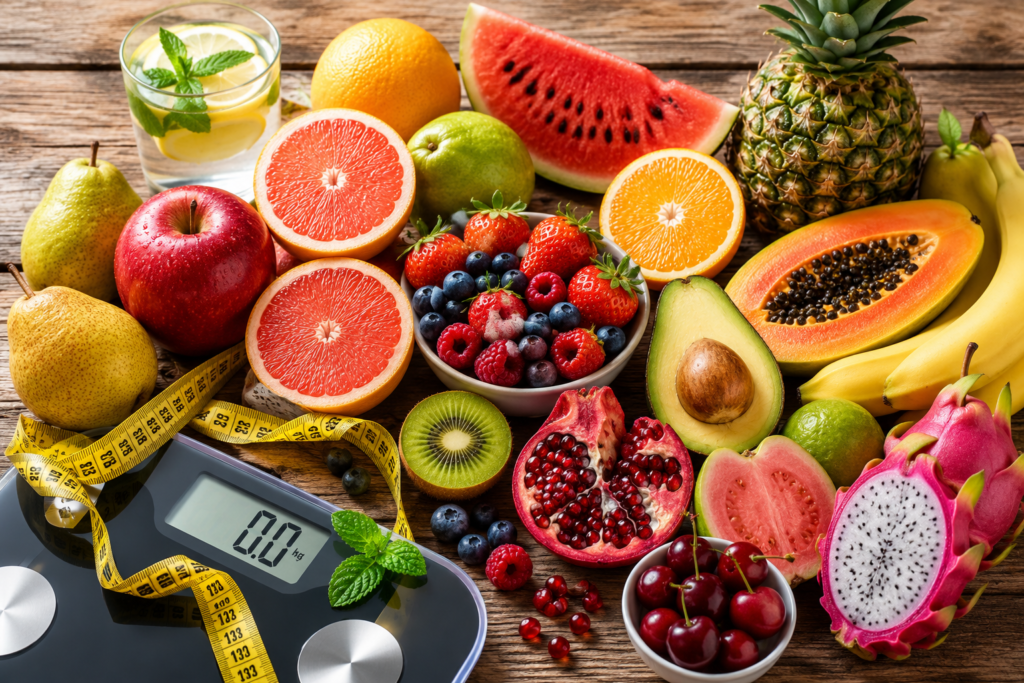
Weight Loss Fruits
Have you ever wondered why some people seem to lose weight without following extreme diets or spending hours at the gym? The secret often isn’t about eating less—it’s about eating smarter. One of the easiest ways to support your weight loss journey is by including the right Weight Loss Fruits in your daily meals.
Contrary to the myth that fruits contain “too much sugar,” nutrition experts continue to recommend whole fruits as an essential part of a healthy weight loss plan. Most fruits are naturally low in calories, rich in fiber, packed with vitamins, minerals, antioxidants, and water—all of which help you stay full longer while nourishing your body.
In 2026, healthy weight loss is no longer about crash diets or miracle pills. Instead, it focuses on sustainable eating habits, gut health, balanced blood sugar, and foods that naturally support fat burning. That’s exactly where Weight Loss Fruits shine.
Whether you’re trying to lose belly fat, reduce unhealthy snacking, improve digestion, or simply adopt a healthier lifestyle, the fruits in this guide can help you achieve your goals naturally.

Why Fruits Are Essential for Healthy Weight Loss
Before diving into the list, it’s important to understand why fruits deserve a place in every weight loss plan.
Many fruits contain:
- High dietary fiber that keeps you satisfied for longer
- Natural sugars that satisfy sweet cravings
- High water content that promotes fullness
- Vitamins and antioxidants that support metabolism
- Prebiotics that improve gut health
- Low energy density, meaning fewer calories per serving
Studies consistently show that people who consume more whole fruits generally have healthier body weights than those who consume fewer fruits.
The key is choosing whole fruits rather than fruit juices, which often remove beneficial fiber and concentrate sugar.
How Weight Loss Fruits Help Burn Fat Naturally
Although no fruit literally melts body fat overnight, many support the body’s natural fat-burning processes by:
- Increasing satiety
- Reducing calorie intake
- Supporting healthy digestion
- Stabilizing blood sugar
- Improving insulin sensitivity
- Encouraging better hydration
- Reducing cravings for processed foods
Combined with regular exercise and a balanced diet, these benefits can significantly improve long-term weight management.
17 Powerful Weight Loss Fruits That Support Healthy Fat Loss
1. Apples
Apples remain one of the best Weight Loss Fruits because they’re incredibly filling.
Why they work
- Rich in soluble fiber (pectin)
- Low in calories
- High water content
- Helps reduce hunger between meals
One medium apple contains around 95 calories but provides impressive satiety.
Best time to eat: Before meals or as an afternoon snack.
2. Grapefruit
Grapefruit has earned a reputation as one of the best fruits for weight loss.
Benefits
- Low calorie
- Rich in vitamin C
- Supports hydration
- May improve insulin sensitivity
Eating half a grapefruit before meals may help reduce overall calorie intake.
3. Berries (Blueberries, Strawberries, Raspberries)
Berries are nutritional powerhouses.
Why they’re excellent
- Extremely high in antioxidants
- Rich in fiber
- Naturally sweet
- Low calorie
A cup of strawberries contains fewer than 60 calories while providing excellent fiber.
4. Pears
Pears contain even more fiber than apples.
Their high fiber content helps:
- Slow digestion
- Improve fullness
- Support gut bacteria
- Reduce overeating
5. Oranges
Unlike orange juice, whole oranges are excellent Healthy Weight Loss Foods.
Benefits include:
- Vitamin C
- Hydration
- Fiber
- Natural sweetness
Whole oranges satisfy sugar cravings without excessive calories.
6. Kiwi
Kiwi has become increasingly popular because of its impressive nutritional profile.
It provides:
- Vitamin C
- Vitamin K
- Fiber
- Potassium
It also supports digestive health thanks to natural digestive enzymes.
7. Watermelon
Many people avoid watermelon because it’s sweet.
In reality:
- Over 90% water
- Low calorie density
- Very hydrating
- Helps control appetite
Large portions contain surprisingly few calories.
8. Avocados
Although higher in calories, avocados deserve a place on this list.
Healthy fats help:
- Increase fullness
- Reduce cravings
- Improve nutrient absorption
- Stabilize blood sugar
Moderation is key.
9. Pineapple
Pineapple offers:
- Bromelain enzymes
- Vitamin C
- Hydration
- Natural sweetness
It’s an excellent replacement for sugary desserts.
10. Papaya
Papaya supports:
- Healthy digestion
- Reduced bloating
- Gut health
- Fiber intake
Its enzyme papain may help improve digestive efficiency.
11. Bananas
Bananas are often misunderstood.
When eaten in moderation, they provide:
- Resistant starch
- Potassium
- Vitamin B6
- Lasting energy
They’re ideal before workouts.
12. Cherries
Cherries contain antioxidants that help fight inflammation.
Benefits include:
- Better recovery after exercise
- Improved sleep quality
- Reduced cravings
Better sleep often supports easier weight management.
13. Pomegranates
Pomegranates contain powerful polyphenols.
Research suggests these compounds support:
- Heart health
- Blood sugar balance
- Reduced inflammation
Their crunchy seeds also promote mindful eating.
14. Peaches
Peaches are:
- Refreshing
- Naturally sweet
- Low calorie
- Rich in vitamins A and C
They’re perfect for summer snacks.
15. Guava
Guava is one of the highest-fiber fruits available.
It also provides:
- Protein
- Vitamin C
- Folate
- Potassium
Its impressive fiber keeps hunger under control for hours.
16. Dragon Fruit
Dragon fruit continues to trend in healthy eating circles.
Its benefits include:
- Prebiotic fiber
- Hydration
- Antioxidants
- Low calories
It supports a healthy gut microbiome.
17. Lemons
While lemons don’t directly burn fat, they encourage healthier habits.
Adding lemon to water can:
- Increase water intake
- Replace sugary beverages
- Improve flavor naturally
Hydration is often overlooked in successful weight loss.
Best Ways to Eat Weight Loss Fruits
Simply eating fruit isn’t enough if your overall diet is unhealthy.
Try these ideas:
Breakfast
- Greek yogurt with berries
- Apple slices with peanut butter
- Kiwi and oatmeal
Snacks
- Pears
- Oranges
- Mixed berries
Smoothies
Blend:
- Spinach
- Frozen berries
- Banana
- Greek yogurt
- Chia seeds
Desserts
Replace cakes and candy with:
- Frozen grapes
- Pineapple chunks
- Watermelon slices
- Fresh strawberries

Common Mistakes That Can Slow Weight Loss
Many people unknowingly reduce the benefits of Weight Loss Fruits by making simple mistakes.
Avoid these habits:
Drinking Fruit Juice Instead of Eating Whole Fruit
Fruit juice often lacks fiber and contains concentrated natural sugars, making it easier to consume excess calories.
Adding Too Much Sugar
Fresh fruit is naturally sweet. Avoid coating it with sugar or sweet syrups.
Ignoring Portion Sizes
Even healthy foods should be eaten in reasonable amounts, especially calorie-dense fruits like avocados and bananas.
Depending on Fruit Alone
Fruit should complement a balanced diet that includes lean protein, healthy fats, whole grains, and vegetables—not replace them.
Tips to Maximize Weight Loss with Fruit
To get the most from Weight Loss Fruits, adopt these simple habits:
- Eat whole fruits instead of juices.
- Pair fruit with protein or healthy fats to stay full longer.
- Keep washed fruit within easy reach for healthy snacking.
- Rotate different fruits each week for a broader range of nutrients.
- Replace processed desserts with naturally sweet fruits.
- Drink plenty of water throughout the day.
- Stay physically active with regular exercise.
How to Choose the Best Weight Loss Fruits for Faster and Sustainable Results
Choosing the right Weight Loss Fruits can make a significant difference in your journey toward achieving and maintaining a healthy weight. While almost all whole fruits offer valuable nutrients, some are especially effective at promoting fullness, reducing cravings, and supporting a healthy metabolism. Rather than following fad diets or eliminating entire food groups, focusing on nutrient-dense fruits can help you lose weight in a way that’s both enjoyable and sustainable.
The goal isn’t to find a magical fruit that melts away fat overnight—because no such fruit exists. Instead, it’s about selecting fruits that help you naturally consume fewer calories while providing the vitamins, minerals, and fiber your body needs to thrive.
Prioritize High-Fiber Fruits That Keep You Full Longer
One of the most important qualities of the best fruits for weight loss is their fiber content. Fiber slows digestion, stabilizes blood sugar levels, and helps you feel satisfied after eating. This means you’re less likely to overeat or reach for unhealthy snacks between meals.
High-fiber fruits also support healthy digestion and nourish beneficial gut bacteria, both of which play an important role in long-term weight management.
Some excellent high-fiber choices include:
- Apples
- Pears
- Raspberries
- Blackberries
- Guava
- Avocados
- Passion fruit
For example, eating an apple before lunch may help reduce your calorie intake during the meal because its fiber promotes fullness. Similarly, adding berries to your breakfast can keep hunger at bay until lunchtime.
Pro Tip: Pair high-fiber fruits with a source of protein, such as Greek yogurt or a handful of nuts, to stay full even longer.
Choose Water-Rich Fruits to Naturally Reduce Calorie Intake
Many Weight Loss Fruits have a high water content, making them naturally low in calories while still being filling. Foods with high water content add volume to your meals without significantly increasing your calorie intake, making it easier to maintain a calorie deficit.
Some of the best water-rich fruits include:
- Watermelon
- Grapefruit
- Oranges
- Strawberries
- Cantaloupe
- Peaches
- Pineapple
These fruits are especially refreshing during warm weather and can help satisfy sweet cravings without the added sugars found in processed desserts.
For instance, a generous bowl of watermelon contains relatively few calories but provides plenty of hydration, making it an excellent afternoon snack.
Look for Fruits with a Low Glycemic Index
The glycemic index (GI) measures how quickly a food raises blood sugar levels. Fruits with a lower GI release sugar more gradually, helping you maintain steady energy levels and reducing sudden hunger spikes.
Low-GI fruits include:
| Fruit | Glycemic Index | Why It’s Good for Weight Loss |
|---|---|---|
| Apple | Low | High in fiber and keeps you full |
| Pear | Low | Supports healthy digestion |
| Cherry | Low | Rich in antioxidants |
| Grapefruit | Low | Low in calories and hydrating |
| Orange | Low | Helps reduce cravings |
| Berries | Low | High fiber with minimal sugar |
Choosing these fruits can help reduce cravings for sugary snacks while supporting better blood sugar control.
Don’t Fear Naturally Sweet Fruits
Many people avoid fruits like bananas, grapes, or mangoes because they believe they contain “too much sugar.” However, this is a common misconception.
Whole fruits contain natural sugars packaged with fiber, vitamins, antioxidants, and water. This combination slows sugar absorption and provides important nutrients that refined sweets simply can’t match.
For example:
- Bananas provide potassium and resistant starch that support energy and digestive health.
- Mangoes are rich in vitamins A and C and can satisfy dessert cravings naturally.
- Grapes offer antioxidants that support overall health when eaten in moderation.
Rather than eliminating these fruits, enjoy appropriate portion sizes as part of a balanced diet.
Seasonal Fruits Are Often the Healthiest Choice
Eating fruits that are in season offers several advantages:
- Better flavor and freshness
- Higher nutrient content
- Lower cost
- Greater variety throughout the year
For example:
Spring
- Strawberries
- Apricots
Summer
- Watermelon
- Peaches
- Cherries
Autumn
- Apples
- Pears
Winter
- Oranges
- Grapefruit
- Kiwi
Rotating seasonal fruits also ensures you benefit from a wider range of nutrients and antioxidants.
Organic vs. Conventional: Does It Matter?
One of the most common questions people ask is whether organic fruits are better for weight loss.
The simple answer is that both organic and conventionally grown fruits can support healthy weight loss. The nutritional differences are generally small, and the most important factor is eating enough fruits consistently.
If your budget allows, some people choose organic options for fruits that are often eaten with their skins, such as:
- Apples
- Pears
- Berries
- Grapes
However, washing all fruits thoroughly before eating is a good practice regardless of how they are grown.
Remember, eating conventionally grown fruit is far healthier than skipping fruit altogether.
Balance Calories Without Eliminating Nutrient-Dense Fruits
Although fruits are healthy, some contain more calories than others. This doesn’t mean you should avoid them—it simply means portion awareness is important.
Lower-Calorie Weight Loss Fruits
- Watermelon
- Strawberries
- Grapefruit
- Oranges
- Peaches
- Kiwi
Higher-Calorie but Nutrient-Rich Fruits
- Avocados
- Bananas
- Mangoes
- Grapes
- Dried fruits (without added sugar)
These higher-calorie fruits can still fit into a healthy weight loss plan when eaten in moderation. For example, half an avocado on whole-grain toast can provide lasting fullness thanks to its healthy fats and fiber.
Read Labels on Packaged Fruit Products
Not all fruit products are as healthy as they appear. Many packaged items contain added sugars, syrups, or preservatives that increase calorie content without providing the same nutritional benefits as fresh fruit.
Be cautious with:
- Fruit cocktails packed in syrup
- Sweetened dried fruits
- Fruit-flavored snacks
- Canned fruits with added sugar
- Sugary smoothie blends
Whenever possible, choose fresh, frozen, or canned fruit packed in water or natural juice instead of heavy syrup.
Build a Colorful Fruit Plate
Nutrition experts often recommend “eating the rainbow” because different fruit colors provide different health benefits.
For example:
- Red fruits (strawberries, cherries, watermelon) contain antioxidants like lycopene and anthocyanins.
- Orange and yellow fruits (mangoes, oranges, peaches) are rich in vitamin C and beta-carotene.
- Green fruits (kiwi, green apples, avocados) provide fiber, potassium, and healthy fats.
- Purple and blue fruits (blueberries, blackberries, grapes) are packed with compounds that support brain and heart health.
A colorful fruit bowl not only looks more appealing but also ensures you’re getting a diverse range of nutrients that support overall health and sustainable weight loss.
U.S. Department of Agriculture (USDA)
USDA MyPlate – Fruits and Healthy Eating https://www.myplate.gov/eat-healthy/fruits
Takeaway
The best Weight Loss Fruits aren’t necessarily the rarest or most expensive—they’re the ones you enjoy eating regularly as part of a balanced lifestyle. Focus on fruits that are high in fiber, rich in water, naturally satisfying, and packed with nutrients. Combine them with lean proteins, healthy fats, and regular physical activity to create a sustainable approach to weight loss.
Instead of searching for a quick fix, make fruit a daily habit. Over time, these small, consistent choices can help reduce cravings, improve digestion, support your metabolism, and make healthy weight loss feel much more achievable.
The Science Behind Weight Loss Fruits: How Fiber, Antioxidants, and Natural Nutrients Support Fat Loss
If you’ve ever searched for foods that can help you lose weight, you’ve probably come across claims that certain fruits can “burn fat” or “melt belly fat.” While these headlines grab attention, the science tells a more balanced story. No fruit can directly burn body fat on its own. However, Weight Loss Fruits contain a powerful combination of fiber, water, vitamins, minerals, antioxidants, and plant compounds that create the ideal environment for healthy, sustainable weight loss.
Instead of acting like a magic solution, these fruits work with your body’s natural processes. They help you feel fuller for longer, support a healthy metabolism, improve digestion, stabilize blood sugar levels, and reduce the urge to overeat. When combined with a balanced diet, regular exercise, and good sleep, these benefits can make a significant difference in achieving your weight loss goals.
Let’s explore the science behind why Weight Loss Fruits are considered some of the best fruits for weight loss.
Dietary Fiber: The Secret Weapon for Lasting Fullness
One of the biggest reasons Weight Loss Fruits are effective is their high fiber content. Fiber is a type of carbohydrate that the body cannot fully digest. Instead of being broken down quickly like refined carbohydrates, fiber moves slowly through the digestive system.
This slower digestion provides several important benefits:
- Keeps you feeling full for longer
- Helps reduce unnecessary snacking
- Slows the absorption of natural sugars
- Supports healthy digestion
- Promotes regular bowel movements
High-fiber fruits also require more chewing, giving your brain extra time to recognize when you’re satisfied. This natural process can reduce overall calorie intake without making you feel deprived.
Fruits Rich in Fiber
Some of the highest-fiber Healthy Weight Loss Foods include:
- Apples
- Pears
- Raspberries
- Blackberries
- Guava
- Passion fruit
- Avocados
For example, enjoying a pear or apple as a mid-morning snack can keep hunger under control until lunchtime, helping you avoid processed snacks that are often high in calories and low in nutrients.
High Water Content Helps You Eat Fewer Calories
Many Fat Burning Fruits have an impressive water content. Foods rich in water add volume to your meals without adding many calories.
This concept is known as low energy density, meaning you can eat a satisfying portion while consuming fewer calories overall.
Water-rich fruits include:
- Watermelon
- Grapefruit
- Oranges
- Strawberries
- Cantaloupe
- Pineapple
- Peaches
These fruits help fill your stomach, creating a sense of fullness that may reduce the likelihood of overeating later in the day.
For example, replacing a high-calorie dessert with a bowl of chilled watermelon provides natural sweetness, hydration, and significantly fewer calories.
Antioxidants Support Overall Metabolic Health
Another reason Science-Backed Fruits That Support Healthy Weight Loss are so valuable is their abundance of antioxidants.
Antioxidants are natural compounds that protect your body’s cells from damage caused by unstable molecules known as free radicals. While antioxidants don’t directly burn fat, they help reduce oxidative stress and inflammation—two factors associated with obesity and metabolic disorders.
Some antioxidant-rich fruits include:
- Blueberries
- Strawberries
- Cherries
- Pomegranates
- Grapes
- Blackberries
- Cranberries
These fruits contain plant compounds such as flavonoids, anthocyanins, and polyphenols, which support overall health and may contribute to better metabolic function.
Adding a variety of colorful fruits to your diet ensures you benefit from a wide range of protective nutrients.
Natural Sugars Are Different from Added Sugars
One of the biggest myths about fruit is that it contains “too much sugar.”
While fruits do contain natural sugars such as fructose, they are very different from the added sugars found in soft drinks, candy, pastries, and processed snacks.
Whole fruits contain:
- Fiber
- Water
- Vitamins
- Minerals
- Antioxidants
This combination slows the absorption of sugar into the bloodstream, reducing sharp spikes in blood glucose and helping you stay energized for longer.
In contrast, sugary processed foods are quickly digested, often leading to energy crashes and increased hunger shortly afterward.
The key is choosing whole fruits instead of fruit juices or sweetened fruit products, which often contain less fiber and more concentrated sugars.
Weight Loss Fruits Support a Healthy Gut Microbiome
Recent research continues to highlight the connection between gut health and weight management. Your digestive system contains trillions of beneficial bacteria that influence digestion, appetite regulation, and overall metabolism.
Many High-Fiber Fruits That Keep You Full and Help You Lose Weight contain prebiotic fibers that feed these beneficial bacteria.
Fruits that promote gut health include:
- Bananas
- Apples
- Pears
- Kiwi
- Dragon fruit
- Berries
A healthy gut microbiome may contribute to:
- Better digestion
- Reduced bloating
- Improved nutrient absorption
- More effective appetite regulation
- Enhanced overall health
Including a variety of fruits in your weekly diet helps maintain a diverse and balanced gut microbiome.
Vitamins and Minerals Help Your Body Function Efficiently
Although vitamins don’t directly burn calories, they play an essential role in helping your body convert food into usable energy.
Many Best Fruits to Boost Metabolism and Reduce Cravings Naturally are rich in nutrients that support normal metabolic processes.
Vitamin C
Found in:
- Oranges
- Kiwi
- Strawberries
- Grapefruit
- Pineapple
Vitamin C supports immune health and contributes to the production of carnitine, a compound involved in energy metabolism.
Potassium
Found in:
- Bananas
- Avocados
- Kiwi
- Oranges
Potassium supports muscle function, hydration, and recovery after exercise.
Folate and B Vitamins
Found in:
- Avocados
- Oranges
- Papaya
These vitamins help the body convert food into energy and support overall health.
Low-Calorie Density Makes Weight Loss Easier
Many fruits allow you to eat satisfying portions while consuming relatively few calories.
Consider this comparison:
| Food | Approximate Calories |
|---|---|
| Medium Apple | 95 |
| Cup of Strawberries | 50 |
| Orange | 62 |
| Watermelon (2 cups) | 90 |
| Chocolate Bar | 230–280 |
| Donut | 250–350 |
Replacing high-calorie processed snacks with whole fruits can significantly reduce your daily calorie intake without leaving you hungry.
Fruits Help Reduce Unhealthy Cravings Naturally
One of the biggest challenges during weight loss is dealing with cravings for sugary foods.
Fortunately, fruits provide natural sweetness along with fiber and water, making them a healthier alternative to desserts.
Instead of reaching for:
- Cookies
- Candy
- Ice cream
- Sweet pastries
Try:
- Frozen grapes
- Fresh berries
- Apple slices with peanut butter
- Pineapple chunks
- Chilled watermelon
- Kiwi and Greek yogurt
These alternatives satisfy your sweet tooth while supporting your nutrition goals.
Hydration Supports Better Weight Management
Many fruits are composed of more than 80% water.
Proper hydration can:
- Improve physical performance
- Reduce feelings of hunger that are actually thirst
- Support digestion
- Help regulate body temperature
- Promote overall well-being
Water-rich fruits such as watermelon, oranges, grapefruit, peaches, and strawberries contribute to your daily fluid intake while providing essential nutrients.
Healthy Habits Matter More Than “Fat-Burning” Claims
Despite what social media trends may suggest, there is no single fruit capable of instantly burning fat. Sustainable weight loss comes from creating healthy habits that you can maintain over time.
The most effective approach includes:
- Eating a variety of whole fruits every day
- Prioritizing high-fiber foods
- Choosing minimally processed meals
- Staying physically active
- Getting enough sleep
- Managing stress
- Maintaining a consistent calorie balance
When these habits work together, Weight Loss Fruits become an important part of a long-term strategy rather than a quick fix.
Takeaway
The science behind Weight Loss Fruits is clear: they don’t magically melt away body fat, but they provide the tools your body needs to lose weight in a healthy and sustainable way. Their unique combination of fiber, water, antioxidants, vitamins, minerals, and prebiotic compounds helps control hunger, improve digestion, support gut health, stabilize blood sugar, and make it easier to maintain a calorie deficit.
Rather than relying on expensive supplements or restrictive diets, fill your plate with colorful, nutrient-rich fruits every day. Combined with balanced nutrition and an active lifestyle, these Science-Backed Fruits That Support Healthy Weight Loss can help you build healthier habits, feel more satisfied after meals, and move closer to your weight loss goals—one delicious bite at a time.
World Health Organization (WHO)
Healthy Diet – World Health Organization https://www.who.int/news-room/fact-sheets/detail/healthy-diet

Adding the right Weight Loss Fruits to your daily diet is one of the simplest and most sustainable ways to improve your health and achieve your weight loss goals. The best fruits for weight loss are naturally low in calories, rich in fiber, and packed with vitamins, minerals, and antioxidants that help keep you full, support healthy digestion, and reduce cravings. While no single fruit can magically burn fat, regularly eating fat burning fruits as part of a balanced diet can help create the calorie deficit needed for healthy, long-term weight management.
Whether you’re looking for science-backed fruits that support healthy weight loss, high-fiber fruits that keep you full and help you lose weight, or the best fruits to boost metabolism and reduce cravings naturally, making whole fruits a daily habit is a smart choice. Combined with regular exercise, proper hydration, and balanced meals, these healthy weight loss foods can support better metabolism, improved gut health, and a healthier lifestyle. Consistency is the key—choosing Weight Loss Fruits every day can help you build healthier eating habits and enjoy lasting results well beyond 2026.
Final Thoughts
The journey to lasting weight loss doesn’t require starving yourself or cutting out every food you enjoy. Small, consistent choices often make the biggest difference, and adding more Weight Loss Fruits to your meals is one of the simplest changes you can make.
From crisp apples and juicy grapefruit to fiber-rich guava and antioxidant-packed berries, these 17 fruits offer a delicious way to stay satisfied, nourish your body, and support your health goals. When paired with regular physical activity, quality sleep, and a balanced diet, they can become a powerful part of a sustainable weight management strategy.
Instead of searching for quick fixes, focus on building healthy habits that you can maintain for years to come. Your body will thank you for it.
Which of these weight loss fruits is your favorite, and which one will you add to your next grocery list? Share your thoughts in the comments, and don’t forget to share this guide with friends and family who are working toward a healthier lifestyle.
About The Author