Organic pest control
Organic pest control is no longer just a gardening preference—it has become a global movement. As more gardeners shift toward sustainability, natural pest control methods for home gardens are gaining massive attention due to health concerns, environmental awareness, and rising food safety issues.
Whether you are growing vegetables in a backyard, maintaining a balcony garden, or managing a small farm, pests like aphids, ants, and caterpillars can quickly destroy your hard work. But the good news is this: you do not need harmful chemicals to protect your plants.
In this guide, we will explore 9 powerful organic pest control methods that are effective, affordable, and safe for both humans and the environment. These techniques reflect the latest trends in eco-pest control and natural pest control strategies for 2026 and beyond.
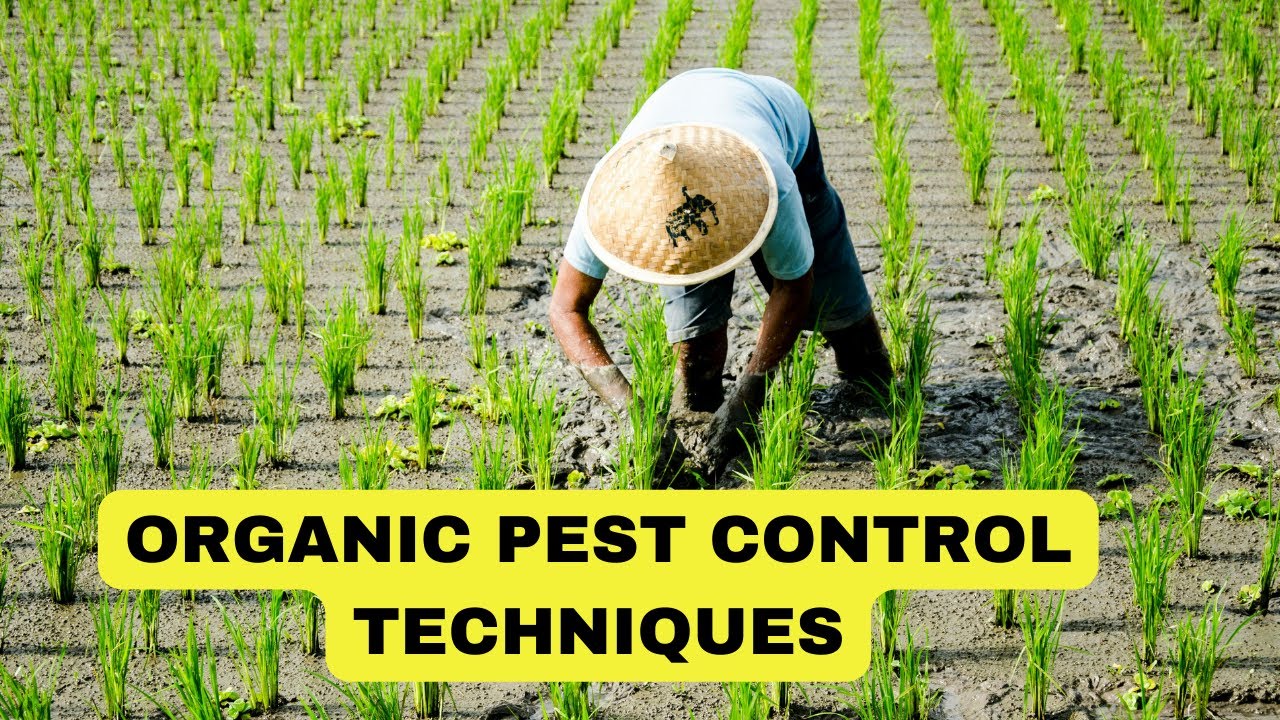
Understanding Natural Pest Control in Home Gardens
Before diving into solutions, it is important to understand what organic pest control actually means.
Organic pest control refers to the use of natural, biological, and environmentally safe methods to manage pests without synthetic chemicals. Instead of killing everything in sight, it focuses on balance—encouraging beneficial insects, improving soil health, and preventing infestations naturally.
Key principles of organic pest control:
- Prevention is better than a cure
- Use natural predators instead of chemicals
- Maintain healthy soil ecosystems
- Rotate crops regularly
- Encourage biodiversity
Method 1: Neem Oil Spray for Natural Pest Control
Neem oil is one of the most powerful tools in natural pest control methods for home gardens.
It is derived from the neem tree and works as:
- An insect repellent
- A growth inhibitor for pests
- A feeding deterrent
How neem oil works:
Neem disrupts the life cycle of pests like aphids and caterpillars, preventing them from feeding and reproducing.
How to use it:
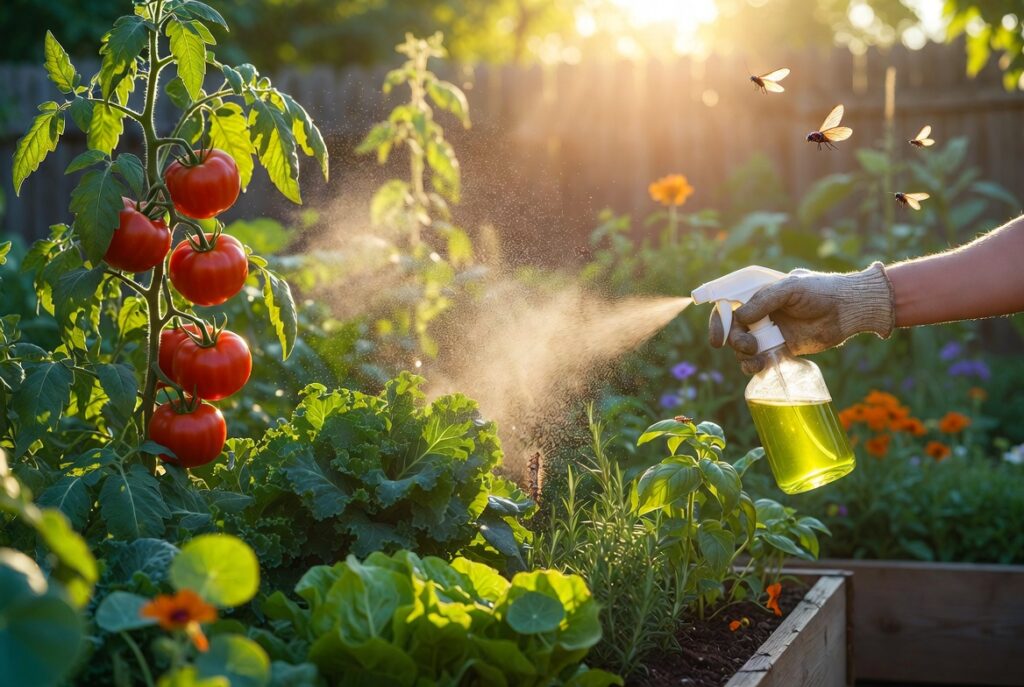
- Mix neem oil with water and mild soap
- Spray directly on leaves (especially undersides)
- Apply every 7–14 days
Neem oil is widely recognized in eco pest control practices because it is safe for bees when used properly.
Method 2: Companion Planting in Natural Pest Control Systems
Companion planting is a traditional but highly effective garden pest control method.
Certain plants naturally repel pests while others attract beneficial insects.
Examples of companion planting:
- Basil repels aphids and flies
- Marigold repels nematodes and beetles
- Garlic protects roses and vegetables
- Mint deters ants and cabbage moths
Benefits:
- Reduces pest invasion naturally
- Improves soil health
- Enhances crop yield
Method 3: Biological Control in Eco Pest Control Systems
Biological control involves introducing natural predators into your garden.
Common beneficial insects:
- Ladybugs (eat aphids)
- Lacewings (eat soft-bodied pests)
- Parasitic wasps (control caterpillars)
- Spiders (general pest control)
Instead of killing pests chemically, you are letting nature restore balance.
This method is a cornerstone of eco-pest control systems worldwide.
Method 4: Homemade Natural Pest Control Sprays
DIY sprays are one of the easiest natural pest control methods for home gardens.
Popular homemade sprays:
- Garlic spray (repels insects)
- Chili pepper spray (irritates pests)
- Soap water spray (breaks insect shells)
Recipe example:
- 1 liter water
- 2 crushed garlic cloves
- 1 teaspoon mild soap
Spray weekly for best results.
Method 5: Crop Rotation for Garden Pest Control
Crop rotation is a preventive garden pest control technique that reduces pest buildup in soil.
Why it works:
Pests often target specific crops. When you rotate crops:
- Pest life cycles are disrupted
- Soil nutrients are balanced
- Disease spread is minimized
Example:
- Year 1: Tomatoes
- Year 2: Beans
- Year 3: Leafy greens
Method 6: Physical Barriers in Natural Pest Control Systems
Sometimes the simplest methods are the most effective.
Physical barriers include:
- Netting over crops
- Copper tape for slugs
- Row covers for vegetables
These barriers physically block pests without harming them.
Method 7: Soil Health Improvement for Eco Pest Control
Healthy soil = healthy plants = fewer pests.
Ways to improve soil:
- Add compost regularly
- Use organic manure
- Avoid overwatering
- Maintain proper drainage
Healthy plants naturally resist pests better than weak ones.
Method 8: Manual Pest Removal in Garden Pest Control
Manual removal is simple but effective for small gardens.
Techniques:
- Hand-picking caterpillars
- Removing infected leaves
- Washing aphids off plants
Although basic, this method is highly effective in early infestations.
9: Natural Predatory Insects and Habitat Creation
Encouraging biodiversity is key to eco pest control success.
How to attract beneficial insects:
- Plant flowering herbs (dill, fennel)
- Avoid pesticides
- Provide water sources
This creates a self-sustaining ecosystem where pests are naturally controlled.
Organic Pest Control Comparison Table
| Method | Effectiveness | Cost | Best For | Safety Level |
|---|---|---|---|---|
| Neem Oil Spray | High | Low | Aphids, caterpillars | Very Safe |
| Companion Planting | Medium | Low | General prevention | Very Safe |
| Biological Control | Very High | Medium | Long-term control | Safe |
| DIY Sprays | Medium | Very Low | Soft pests | Safe |
| Crop Rotation | High | Low | Soil pests | Very Safe |
| Physical Barriers | High | Medium | Large pests | Very Safe |
| Soil Improvement | Very High | Medium | All pests | Very Safe |
| Manual Removal | Medium | Free | Small infestations | Safe |
| Predatory Insects | Very High | Low | Ecosystem balance | Safe |
Why Chemical-Free Gardening Matters
Switching to natural pest control methods for home gardens is not just about protecting plants—it’s about protecting health and the environment.
Benefits include:
- Safer food production
- Healthier soil ecosystems
- Protection of pollinators like bees
- Reduced environmental pollution
Organic Pest Control Trends in 2026 and Beyond
The future of eco pest control is driven by:
- AI-powered smart gardening tools
- Organic certification demands
- Rising health awareness
- Climate change adaptation
More gardeners are now adopting chemical-free pest control strategies than ever before.
Understanding the Science Behind Natural Pest Control in Home Gardens
Organic pest control is not just a gardening trend—it is a science-backed approach that restores balance in your garden ecosystem. To truly understand how natural pest control methods for home gardens work, you need to look beyond surface-level solutions and explore what is happening beneath the leaves, in the soil, and within the insect world.
At its core, organic pest control is based on one powerful idea: nature already has systems in place to control pests. Instead of fighting against these systems with chemicals, organic gardening works with nature to maintain balance.
Organic Pest Control and Ecosystem Balance in Natural Pest Control
Every healthy garden is a mini-ecosystem made up of plants, insects, microorganisms, and soil organisms. In a balanced system:
- Some insects feed on plants (pests like aphids and caterpillars)
- Other insects feed on those pests (beneficial insects like ladybugs and lacewings)
- Plants defend themselves naturally through chemicals and growth patterns
- Soil organisms strengthen plant immunity
When this balance is disturbed—often by chemical pesticides—pests return even stronger. This is why eco pest control methods focus on restoring natural equilibrium rather than eliminating all insects.
Natural Pest Control Methods for Home Gardens and Pest Life Cycles
To understand garden pest control, you must understand how pests live and reproduce. Most common garden pests go through four stages:
- Egg
- Larva
- Pupa
- Adult
Each stage has different vulnerabilities. For example:
- Aphids reproduce rapidly and spread through soft plant tissue
- Caterpillars are most vulnerable during the feeding stages
- Ants farm aphids for honeydew, creating pest networks
This is why organic methods such as neem oil or soap sprays are effective—they interrupt the pest life cycle instead of just killing adult insects temporarily.
Role of Beneficial Insects in Natural Pest Control Systems
One of the most important scientific principles behind natural pest control methods for home gardens is biological control.
Instead of using chemicals, organic gardening encourages natural predators such as:
- Ladybugs → consume hundreds of aphids daily
- Lacewings → feed on caterpillars, mites, and soft-bodied insects
- Parasitic wasps → lay eggs inside harmful pests, stopping reproduction
- Spiders → control a wide range of flying and crawling insects
This natural predator-prey relationship ensures pests never dominate the garden for long periods.
Eco Pest Control and Plant Defense Mechanisms
Plants are not passive—they actively defend themselves. In fact, many plants naturally produce compounds that repel pests.
Examples include:
- Garlic produces sulfur compounds that repel insects
- Mint releases strong oils that deter ants
- Marigold roots release chemicals that reduce soil pests
In organic pest control systems, these natural defenses are strengthened through companion planting and soil health improvement, making plants more resistant over time.
Natural Pest Control Methods for Home Gardens and Soil Microorganisms
Healthy soil is the foundation of every successful organic garden. Beneath the surface, billions of microorganisms work to support plant health.
These include:
- Beneficial bacteria that break down nutrients
- Fungi that help plants absorb minerals
- Earthworms that aerate soil and improve structure
When soil is rich in life, plants grow stronger roots and become naturally more resistant to pests. Weak soil, on the other hand, leads to weak plants—making pest infestations more likely.
This is why experts in eco pest control always emphasize composting and organic matter as the first line of defense.
How Organic Pest Control Prevents Chemical Resistance
One of the biggest problems with chemical pesticides is resistance. Over time, pests evolve and become immune, making stronger chemicals necessary.
In contrast, natural pest control methods for home gardens work through multiple mechanisms:
- Disrupting feeding behavior (neem oil)
- Repelling insects through smell (garlic, herbs)
- Encouraging predators (ladybugs, birds)
- Strengthening plant immunity (healthy soil)
Because these methods do not rely on a single toxic mechanism, pests cannot easily adapt.
Why Understanding the Science of Organic Pest Control Matters
Understanding the science behind organic pest control helps gardeners make smarter, long-term decisions. Instead of reacting to infestations with quick fixes, you begin to see your garden as a living system that can regulate itself.
By supporting biodiversity, improving soil health, and encouraging natural predators, you are not just controlling pests—you are building a resilient ecosystem that protects itself.
This is the true power of natural pest control methods for home gardens: they do not fight nature—they work with it.

Natural DIY Solutions for Common Garden Pests Like Aphids, Ants, and Caterpillars
One of the most practical parts of organic gardening is learning how to handle pests using simple, homemade solutions. Instead of relying on chemical sprays, many gardeners now prefer safer methods that use everyday ingredients found in the home.
These approaches are especially useful when dealing with common garden insects such as aphids, ants, and caterpillars, which can damage plants quickly if left unchecked.
Simple Neem-Based Spray for Garden Protection
Neem oil remains one of the most trusted natural treatments in home gardening. It works by disrupting the feeding and growth patterns of insects.
How it helps:
- Reduces feeding activity of soft-bodied insects
- Interferes with pest development cycles
- Acts as a mild repellent on plant surfaces
Basic preparation:
- Mix neem oil with water and a small amount of mild soap
- Spray lightly on affected plants
- Focus on leaf surfaces where insects gather
Regular application helps keep pest activity under control without harming beneficial insects when used correctly.
Garlic and Pepper Spray for Insect Deterrence
Garlic and hot pepper mixtures are commonly used to discourage insects from feeding on plants. Their strong natural compounds make leaves less appealing to pests.
Benefits:
- Repels a wide range of insects
- Reduces feeding damage on vegetables
- Easy and inexpensive to prepare
How it is made:
- Crush garlic cloves and hot peppers
- Soak in water and strain
- Spray on plants as needed
This solution works best as a preventive treatment rather than a heavy infestation cure.
Mild Soap Solution for Soft-Bodied Insects
A simple soap-water mixture can be very effective against insects like aphids.
How it works:
- Breaks down the protective layer of insects
- Causes dehydration and removal from plants
- Helps wash pests off leaves easily
Usage tips:
- Use mild liquid soap only
- Spray directly on affected areas
- Test on a small section before the full application
It is especially useful for small infestations or early-stage pest problems.
Vinegar Spray for Ant Control
Ants often contribute indirectly to pest issues by protecting aphids. Controlling them can help reduce overall damage in the garden.
How vinegar helps:
- Disrupts ant scent trails
- Prevents movement across plant areas
- Reduces colony activity near crops
A diluted vinegar spray around garden edges can help limit their presence.
Hand Removal for Immediate Control
Sometimes the most direct method is still the most effective. Removing pests manually is useful when infestations are small and easy to reach.
Best practices:
- Inspect plants regularly
- Remove caterpillars by hand
- Wash leaves to dislodge aphids
- Act quickly before pests multiply
This approach works well in small home gardens where close monitoring is possible.
Simple homemade solutions can be surprisingly effective when used consistently. These methods offer a safe way to manage common garden pests without disrupting the natural balance of the environment.
With regular care and early action, gardeners can keep plants healthy while avoiding the need for harsh chemical treatments.
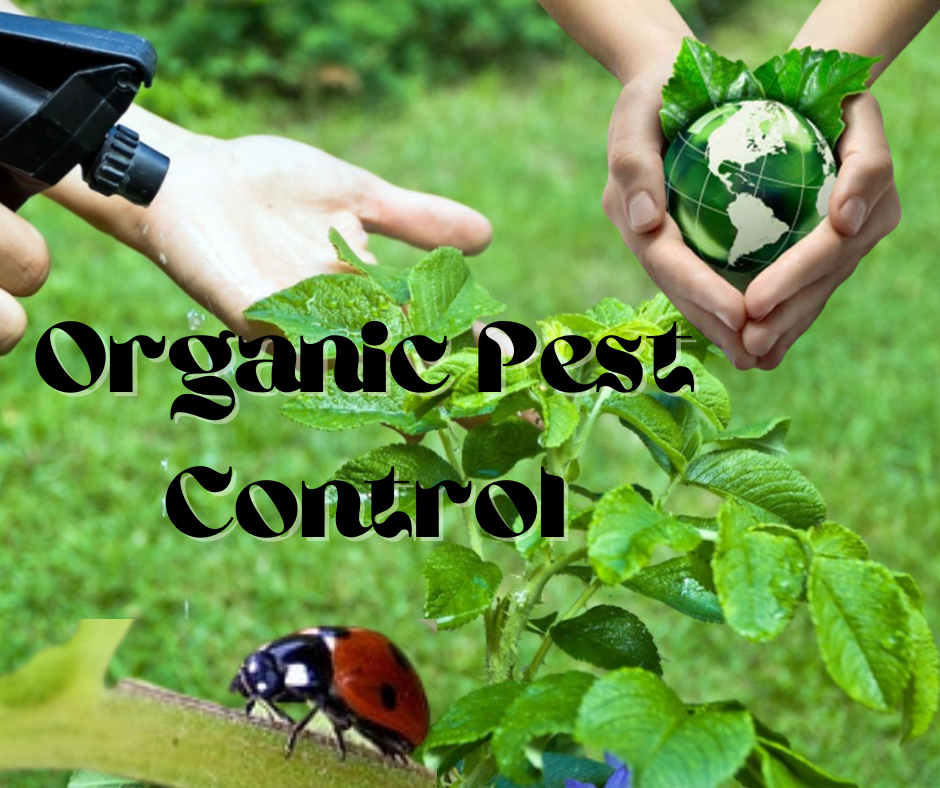
Garden Pest Control Strategies: Companion Planting and Biological Control for Eco Pest Control Success
A healthy garden does not rely on constant intervention. Instead, it thrives when natural systems are allowed to do most of the work. This is the idea behind combining companion planting and biological control—two of the most reliable approaches in sustainable gardening.
Together, these methods help create a balanced environment where pests are less likely to dominate, and plants are better protected over time.
Companion Planting as a Natural Garden Protection System
Companion planting is the practice of growing different plants together to support each other’s growth and defense. Some plants naturally repel insects, while others attract helpful species that reduce pest problems.
How it helps in the garden:
- Some plants mask the scent of vulnerable crops
- Others release natural compounds that discourage insects
- Certain flowers attract pollinators and beneficial bugs
- Mixed planting reduces the spread of pests across crops
Simple plant combinations include:
- Basil grown near tomatoes to discourage insects
- Marigolds planted among vegetables to reduce soil pests
- Garlic is used around leafy crops to limit insect activity
Instead of relying on sprays, this method builds protection directly into the garden layout.
Biological Control in Sustainable Gardening
Biological control focuses on using natural predators to keep pest populations in check. In a balanced garden, not all insects are harmful—many play a key role in controlling others.
Helpful garden allies include:
- Ladybugs that feed on soft-bodied pests
- Lacewings that target small insect larvae
- Spiders that reduce flying and crawling insects
- Parasitic wasps that naturally limit pest reproduction
These organisms help maintain balance without human interference.
Creating a Balanced Garden Ecosystem
The real strength of combining these approaches lies in how they work together. Companion plants discourage pests, while beneficial insects handle those that remain.
To support this system:
- Avoid unnecessary chemical sprays
- Grow a variety of plants instead of monocrops
- Include flowering herbs to attract beneficial insects
- Maintain healthy soil with organic matter
Over time, the garden becomes more stable and less dependent on external control methods.
Why This Approach Works Long-Term
Unlike quick treatments, these strategies improve with time. As plant diversity increases and beneficial insects establish themselves, pest problems naturally reduce.
This creates a more resilient garden where:
- Pest outbreaks are less frequent
- Plants grow stronger and healthier
- Maintenance becomes easier
By combining companion planting with biological balance, gardeners can create a self-supporting system that reduces the need for constant pest management. Instead of reacting to problems, the garden gradually becomes its own defense system—stable, productive, and naturally protected.
- https://www.epa.gov/safepestcontrol
Organic Pest Control Guide – EPA Safe Pest Control Practices - https://www.nrcs.usda.gov
Natural Pest Control Methods for Home Gardens – USDA Sustainable Gardening Resources
Conclusion: Organic Pest Control for a Healthier Future
Organic pest control is more than a gardening method—it is a lifestyle shift toward sustainability, health, and environmental responsibility.
By using these 9 powerful natural pest control methods for home gardens, you can protect your plants from aphids, ants, and caterpillars without relying on harmful chemicals.
The future of gardening is clear: it is natural, it is eco-friendly, and it is deeply rooted in balance.
Start small, stay consistent, and your garden will reward you with healthier plants, richer soil, and abundant harvests.
About The Author